
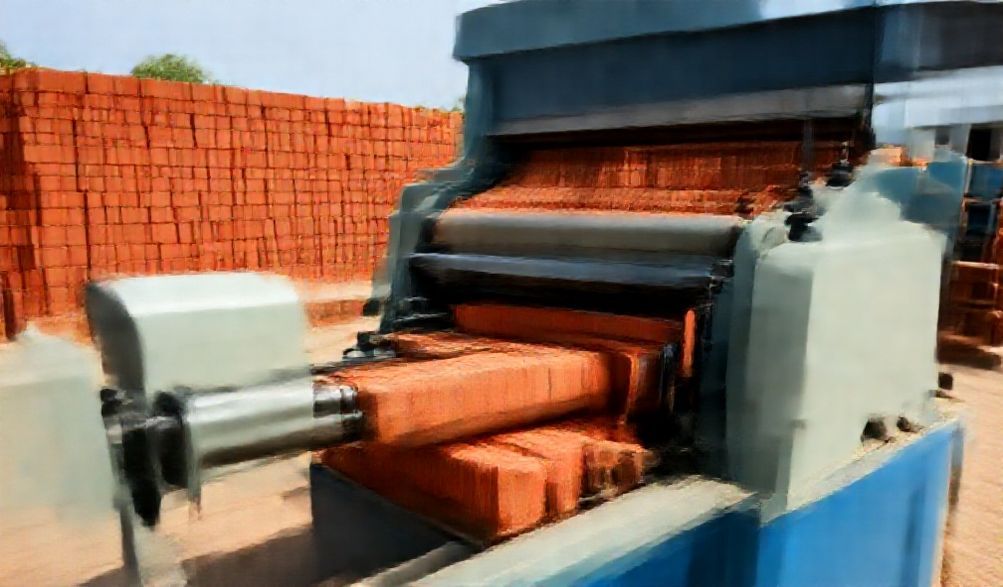
Ang Iyong Komprehensibong Gabay sa Paghahanap ng Pinakamahusay na Makina ng Paggawa ng Clay Brick sa Kolhapur
Panimula
Nakatago sa puso ng Maharashtra, kilala ang Kolhapur bilang "Sugar Bowl of India," isang patunay sa malakas nitong basehan sa agrikultura at industriya. Ngunit, bukod sa tubo, ang rehiyon ay sumisigla sa paglago ng konstruksyon at pagmamanupaktura. Habang lumalawak ang Kolhapur, tumataas din ang kritikal na pangangailangan para sa de-kalidad, lokal na ginawang materyales sa paggawa. Ang mga ladrilyong luwad, ang walang kamatayang sandigan ng konstruksyon sa India, ay nasa unahan ng pangangailangang ito.
Para sa mga lokal na may-ari ng brick kiln, mga kumpanya ng konstruksiyon, at mga mapaghangad na negosyante, nananatiling isang malaking hamon ang paghahanap ng isangmakinang paggawa ng ladrilyong luad sa KolhapurIto ay maaasahan, episyente, at nakaangkop sa natatanging kondisyon ng rehiyon. Ang maling pagpili ay maaaring magdulot ng mga bottleneck sa produksyon, hindi pare-parehong kalidad, at tumataas na gastos.
Ang komprehensibong gabay na ito ay idinisenyo upang maging iyong tiyak na sanggunian. Batay sa mga pananaw ng industriya at malalim na pag-unawa sa lokal na kalagayan—mula sa partikular na komposisyon ng lupa ng Kolhapur hanggang sa imprastraktura ng industriya nito—nagbibigay kami ng dalubhasang kaalaman na kailangan mo para sa isang maalam na pamumuhunan. Magtayo tayo ng pundasyon para sa iyong tagumpay.
Pag-unawa sa Mga Makina ng Paggawa ng Ladrilyo: Mga Uri at Teknolohiya
Ang paglalakbay sa mundo ng makinarya sa paggawa ng ladrilyo ay nagsisimula sa pag-unawa sa pangunahing proseso at mga opsyon na available. Ang tamang teknolohiya ay maaaring magbago ng iyong operasyon.
Paano Gumagana ang Makina ng Paggawa ng Ladrilyong Putik?
Bagama't ang kumpletong proseso ng paggawa ng ladrilyo ay kinabibilangan ng paghahanda ng luwad, paghubog, pagpapatuyo, at pagpapapawis, ang pangunahing papel ng makina ay nasa mahalagang yugto ng paghubog at pagpiga. Narito ang isang pinasimpleng paglalarawan:
- Pagbubungkal ng Lupa:Ang lokal na pinagmulan ng luwad ay nililinis, inaambon, at hinahalo upang makamit ang tamang pagkakapare-pareho at plastisidad.
- Pagpapakain & Pagpapatigas:Ang handa nang putik ay ipinapasok sa hopper ng makina. Pagkatapos, ito ay dinadala sa isang hulmahan (die) kung saan isang mataas na presyur na sistema, kadalasang haydroliko o mekanikal, ang nagpapakompak nito nang may malakas na puwersa.
- Pag-eject:Ang siksik, hilaw na ladrilyo (berdeng ladrilyo) ay itinutulak palabas ng hulma patungo sa isang palyete o belt na pangkargador.
- Pagpapatuyo at Pagpapaputok:Ang berdeng ladrilyo ay pinapatuyo upang maalis ang halumigmig bago ito sunugin sa hurno (tulad ng tradisyonal na Bull’s Trench Kiln o modernong tunnel kiln) upang makamit ang panghuling lakas at tibay.
Ang makina ay nag-aaplay ng automation at pamantayan sa pinakapabagu-bagong bahagi ng tradisyonal na pagmamoldong kamay: ang paglikha ng magkakaparehong siksik at hugis na mga ladrilyo sa bawat ikot.
Mga Uri ng Makina na Available para sa mga Negosyo sa Kolhapur
Your choice depends entirely on your production goals, budget, and labor strategy.
-
Manual / Fly Ash Brick Making Machines:
- Pinakamainam Para Sa: Start-ups, very small-scale operations, or those with significant manual labor availability.
- Operasyon: Requires manual feeding of mix and lever-pulling for compaction. Lower output.
- Kolhapur Context: A low-cost entry point to test the market, but may struggle to meet the demands of larger local construction projects.
-
Semi-Automatic Clay Brick Machines:
- Pinakamainam Para Sa: The sweet spot for most medium-scale Kolhapur units. Offers an excellent balance of output, affordability, and control.
- Operasyon: Mechanized compaction and ejection, but may require manual feeding or pallet removal. Offers significantly higher and more consistent output than manual machines.
- Kolhapur Context: Ideal for growing businesses supplying local housing projects, commercial complexes, and infrastructure work.
-
Ganap na Awtomatikong mga Pabrika ng Paggawa ng Tisa
- Pinakamainam Para Sa: Large-scale, high-volume production factories aiming for regional supply.
- Operasyon: Fully integrated systems with automated clay feeding, molding, stacking, and conveyor systems. Minimal human intervention.
- Kolhapur Context: Represents a major investment but delivers the lowest per-brick cost and maximum output for suppliers to major city developments or government contracts.
-
Mobile na Makina ng Paggawa ng Bricks:
- Pinakamainam Para Sa: Large, on-site construction projects (e.g., a township on the outskirts of Kolhapur).
- Operasyon: Mounted on a trailer, these units can be moved to the construction site, reducing brick transportation costs dramatically.
- Kolhapur Context: A niche but valuable solution for developers undertaking massive projects, ensuring a dedicated, on-demand supply.
Key Technical Specifications to Consider
When comparing models, keep this checklist handy:
- Kapasidad sa Produksiyon: Measured in bricks per hour (BPH) or per shift. A semi-automatic machine may range from 800-2500 BPH.
- Brick Size & Type: Ensure the machine can produce the bricks in demand—solid, hollow (for reduced weight and better insulation), or perforated. Interchangeable molds are a plus.
- Pangangailangan sa Kuryente: Critical for Kolhapur’s industrial zones. Is it a 10 HP, 20 HP, or higher electric motor? Are diesel/petrol options available for areas with unreliable grid power?
- Puwersa ng Presyon: Measured in tons (e.g., 15-ton, 30-ton). Higher pressure generally yields denser, stronger bricks, which is vital for structural applications.
- Machine Size & Footprint: Do you have adequate covered space in your Kolhapur yard for the machine, raw material, and drying area?
Why Choose a Clay Brick Machine? Benefits for Kolhapur Entrepreneurs
Investing in a machine isn’t just an upgrade; it’s a strategic shift that delivers tangible competitive advantages.
Superior Quality and Consistent Output
Machine-made bricks boast uniform dimensions, density, and structural integrity. This consistency:
* Reduces mortar consumption during construction.
* Ensures compliance with Indian Standard (IS) codes like IS 1077.
* Builds your reputation as a supplier of reliable, high-quality building materials in the Kolhapur market.
High Efficiency and Increased Production
Automation directly addresses common local challenges:
* Labor Shortage: One machine can replace dozens of skilled hand-molders, who are increasingly hard to find.
* Bilis: Produce thousands of uniform bricks in a single day, enabling you to take on larger orders and meet tight deadlines for Kolhapur’s booming construction sector.
Cost-Effectiveness in the Long Run
While the upfront cost is significant, the long-term economics are compelling:
* Mas Mababang Halaga Bawat Yunit: Higher output spreads fixed costs over more bricks.
* Reduced Waste: Precise molding minimizes clay spillage and rejects.
* Optimized Raw Material Use: Efficient compaction ensures you get the maximum number of bricks from your local Kolhapur clay.
Environmental and Regulatory Advantages
Modern machines support a more sustainable operation:
* Efficient Material Use: Less clay and water waste.
* Better Kiln Performance: Uniformly shaped and dense bricks lead to more efficient firing, potentially reducing coal consumption in kilns.
* Future-Proofing: Aligns with evolving state and national regulations aimed at making the brick industry cleaner and more efficient.
Key Considerations Before Buying in Kolhapur
Success hinges on factors beyond the machine brochure. Here’s what Kolhapur-specific due diligence looks like.
Analyzing Your Raw Material: Kolhapur’s Clay Quality
Expert Tip: The machine is only as good as the clay you feed it. Kolhapur’s soil can vary. Before any purchase:
* Test for Plasticity: Ensures the clay can be molded without cracking.
* Test for Shrinkage: Determines drying and firing behavior to prevent warping.
* Mineral Content: Affects brick color and final strength.
* Action: Engage with a local soil testing laboratory or agricultural university to analyze your clay pit’s suitability.
Defining Your Production Scale and Budget
Be realistic about your goals:
* Are you supplying a few local housing projects, or aiming to become a major regional distributor?
* Map your financial capacity. Remember to budget for the machine, installation, power connection, and working capital for 3-6 months of operation.
Power Source and Infrastructure Needs
Kolhapur’s industrial power supply is generally robust, but plan for contingencies:
* Mga Modelong Elektriko: Most common and clean for operation within industrial estates.
* Diesel/Hybrid Models: Essential for locations with frequent power cuts or for mobile units.
* Imprastraktura: Ensure your site has a stable, leveled concrete foundation and adequate space for the entire production flow.
After-Sales Support: The Most Critical Factor
This cannot be overstated. A machine is a long-term asset.
* Local Service Engineers: Does the supplier have technicians based in Maharashtra who can respond within 24-48 hours?
* Spare Parts Inventory: Are common wear parts (molds, liners, hydraulic seals) readily available in Kolhapur or Pune?
* Pagsasanay: Will the supplier provide comprehensive training for your operators on-site in Kolhapur?
Finding Reliable Clay Brick Machine Suppliers in Kolhapur
Navigating the supplier landscape is crucial to a successful purchase.
Local Manufacturers vs. National Suppliers
- Local Kolhapur / Maharashtra Manufacturers:
- Mga Kalamangan: In-depth understanding of local clay and conditions. Potentially faster service response and lower transportation costs.
- Mga Disbentahe: Technology offerings may be less advanced.
- National Suppliers (with dealers in Maharashtra):
- Mga Kalamangan: Often offer the latest technology, rigorous quality control, and extensive product ranges.
- Mga Disbentahe: Service may be routed through a dealer, potentially adding a layer.
Top Questions to Ask Your Supplier
Go into meetings armed with this checklist:
1. What is the warranty period and what does it cover?
2. Can you provide a list of past clients in Maharashtra I can speak to?
3. Do you offer complete installation and commissioning support at my Kolhapur site?
4. Where is your nearest service center and spare parts warehouse?
5. Can I visit a working demo unit, preferably one using clay similar to ours?
The Importance of Seeing a Live Demo
Never buy based on a brochure or video alone. A live demo allows you to:
* Assess build quality, noise, and vibration levels.
* See the actual brick output quality.
* Gauge the machine’s ease of operation.
Understanding Pricing and Financing Options
- Price Ranges (Approximate):
- Manual Machines: ₹ 1.5 – ₹ 4 Lakhs
- Semi-Automatic Machines: ₹ 5 – ₹ 20 Lakhs
- Fully Automatic Plants: ₹ 25 Lakhs and above
- Financing: Explore MSME (Micro, Small & Medium Enterprises) loans, schemes under the Prime Minister’s Employment Generation Programme (PMEGP), or term loans from nationalized banks. Your local District Industries Centre (DIC) in Kolhapur is an excellent resource.
Optimizing Your Brick Production Unit in Kolhapur
Your investment’s ROI depends on efficient, sustained operation.
Best Practices for Machine Operation and Maintenance
- Daily: Clean the machine thoroughly, especially the mold area, to prevent abrasive Kolhapur clay from causing wear. Check hydraulic oil levels and for leaks.
- Weekly: Lubricate all moving parts as per the manual. Tighten bolts and fittings.
- Pagsasanay: Ensure only trained personnel operate the machine to prevent misuse and accidents.
Sourcing and Preparing Clay for Best Results
- Sourcing: Establish a reliable supply chain from local landholders or your own pit.
- Paghahanda: Allow clay to weather (expose to sun and rain) for a season to improve plasticity. Proper tempering (adding water and mixing) is critical for consistent machine feeding.
Drying and Firing: Completing the Process
Machine-made “green bricks” must be dried slowly and evenly to prevent cracks—a key concern during Kolhapur’s humid seasons. Use covered sheds with good air circulation. Properly dried bricks then lead to more efficient and uniform firing in your kiln, whether traditional or modern.
Ensuring Quality Control and Testing
Implement simple QC checks to maintain your brand:
* Lakas ng Pagpigil: The primary indicator of structural capability (tested per IS codes).
* Pagsipsip ng Tubig: Soak bricks for 24 hours; lower absorption (generally below 20%) indicates better durability.
* Efflorescence: Look for white salt deposits on the brick surface after a wetting-drying cycle, which can indicate mineral issues with your local clay.
Frequently Asked Questions (FAQ) About Clay Brick Machines in Kolhapur
Q1: What is the average price range for a clay brick making machine suitable for a Kolhapur-based start-up?
Isalin ang teksto sa Filipino. I-output LAMANG ang isinalin na teksto. For a start-up, a robust semi-automatic machine is often the ideal choice. Prices typically range from ₹ 5 lakhs to ₹ 15 lakhs, depending on capacity, brand, and level of automation. Always factor in installation and initial raw material costs.
Q2: Are there any government subsidies available for setting up a brick making unit in Maharashtra?
Isalin ang teksto sa Filipino. I-output LAMANG ang isinalin na teksto. Yes, entrepreneurs should explore schemes under the MSME MinistryangPrime Minister’s Employment Generation Programme (PMEGP), and incentives offered by the Maharashtra State Government through its District Industries Centres (DICs). Eligibility and benefits change, so direct consultation with the Kolhapur DIC is recommended.
Q3: How do I handle the monsoon season’s impact on clay supply and brick drying in Kolhapur?
Isalin ang teksto sa Filipino. I-output LAMANG ang isinalin na teksto. Proactive planning is key. Stockpile adequate clay under covered sheds before the monsoon. Invest in protected drying areas (long, covered sheds with side ventilation) to ensure production can continue despite the rains, preventing major seasonal downtime.
Q4: Can one machine produce different types and sizes of bricks?
Isalin ang teksto sa Filipino. I-output LAMANG ang isinalin na teksto. Yes, but with a caveat. Most machines use interchangeable molds. You can produce different sizes and types (solid, hollow) by changing the mold/die set. However, ensure the machine’s pressure and hydraulic system is rated for the different brick volumes you plan to make.
Q5: What is the typical lead time for machine installation and commissioning after purchase?
Isalin ang teksto sa Filipino. I-output LAMANG ang isinalin na teksto. After finalizing the order, expect a lead time of 2 to 6 weeks for delivery and installation. This depends on the supplier’s production schedule, machine customization, and, most importantly, your site’s readiness (foundation, power connection) in Kolhapur.
Konklusyon
Pagpili ng tamangmakinang paggawa ng ladrilyong luad sa Kolhapur is a pivotal decision that will define the productivity, quality, and profitability of your business for years to come. It’s an investment not just in metal and motor, but in the future of Kolhapur’s built landscape.
This guide has armed you with the technical knowledge, local considerations, and strategic questions needed to navigate the market. Remember, the most expensive machine is the one that sits idle due to poor service. Prioritize suppliers with proven expertise and unwavering after-sales support in the Maharashtra region.
Take the next step with confidence. Use this guide as your checklist, visit suppliers for live demos, and make an informed choice. By doing so, you’re not just buying a machine—you’re building the capacity to contribute stronger, smarter, and more sustainably to Kolhapur’s growth story.
Call to Action: Ready to transform your brick production? Begin your journey by contacting reputable suppliers, asking the critical questions outlined here, and scheduling a live demonstration to see your future in action.
<