
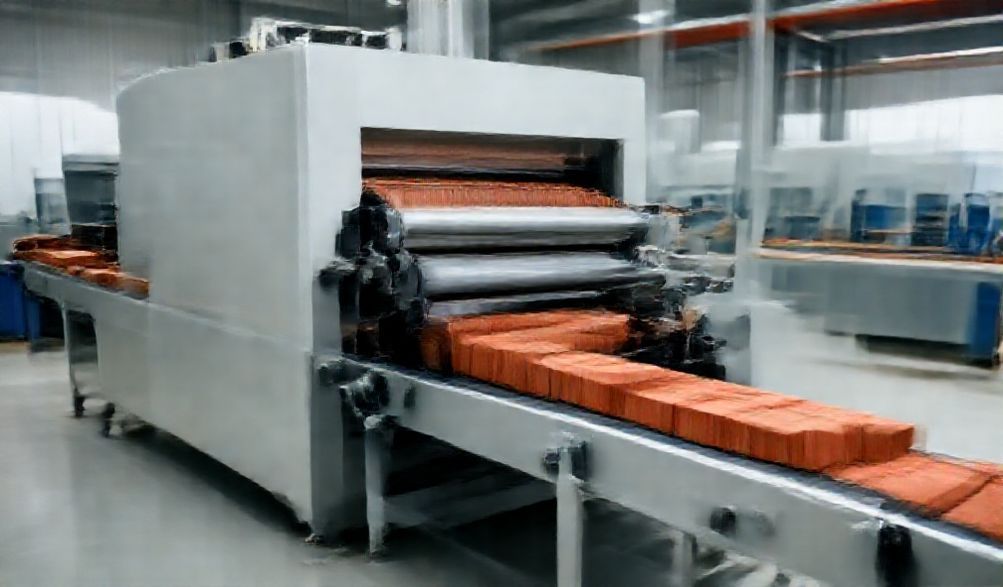
Iyong Huling Gabay sa Pagpili ng Maaasahang Tagagawa ng Makina para sa Paggawa ng mga Laryong Putik
Panimula
Sa loob ng libu-libong taon, ang mga laryong luwad ay nagsilbing literal at simbolikong pundasyon ng sibilisasyon ng tao. Mula sa mga laryong pinatuyo sa araw ng sinaunang Mesopotamia hanggang sa mga yunit na may tiyak na pagkakagawa sa kasalukuyang mga luntiang gusali, ang kanilang tibay, thermal mass, at walang-panahong apela ay nananatiling walang kapantay. Para sa mga modernong may-ari ng planta ng laryo at mga negosyante ng materyales sa konstruksyon, ang patuloy na pangangailangang ito ay kumakatawan sa isang malaking oportunidad.
Gayunpaman, ang pagsasamantala sa pagkakataong ito ay nakasalalay sa isang kritikal na desisyon: ang pagpili ng tamang tagagawa ng makina sa paggawa ng laryong luwad. Ang pagpiling ito ay higit pa sa isang simpleng pagbili ng kagamitan. Ito ay ang pagpili ng isang pangmatagalang kasosyo sa teknolohiya. Ang maling pagpili ay maaaring humantong sa sunod-sunod na problema—madalas na paghinto sa operasyon, hindi pare-parehong kalidad ng laryo, labis na gastusin sa pagpapanatili, at sa huli, pagkawala ng kita at bahagi ng pamilihan.
Ang gabay na ito ay idinisenyo upang maging iyong tiyak na mapagkukunan. Lalampas tayo sa mga pangunahing detalye at paghahambing ng presyo. Sa halip, bibigyan ka namin ng kakayahang suriin ang mga tagagawa sa pananaw ngE-E-A-T na mga prinsipyo(Karanasan, Dalubhasa, Awtoridad, Pagkakatiwalaan). Ito ang mga haligi na naghihiwalay sa mga nangungunang partner sa pamilihan mula sa mga simpleng tagapagbigay. Kung ikaw man ay isang bihasang may-ari ng hurno ng laryo na naghahanap ng pag-upgrade, isang inhinyero sibil na nagtatakda ng planta, o isang negosyanteng pumapasok sa sektor ng mga materyales sa konstruksiyon, ang balangkas na ito ay magbibigay sa iyo ng kaalaman upang mamuhunan nang may kumpiyansa.
Ang Puso ng Kalidad: Ano ang Nagtatakda ng Isang Nangungunang Tagagawa ng Makina ng Laryong Lupa?
Ang isang nangungunang tagagawa ay hindi lamang natutukoy ng isang makintab na brochure. Ang kanilang halaga ay nakapaloob sa kanilang mga proseso, sa kanilang mga tao, at sa kanilang pilosopiya. Kapag bumili ka mula sa isang pinuno, namumuhunan ka sa mga dekada ng pinong inhinyeriya at isang sistemang itinayo para sa tagumpay.
Kadalubhasaan sa Inhinyeriya at Makabagong Teknolohiya
Ang puso ng isang superior na makina ay ang makabagong inhinyeriya. Maghanap ng isang tagagawa na namumuhunan sa hinaharap, hindi lamang sa pag-uulit ng nakaraan.
- Pamumuhunan sa R&D:Ang isang seryosong manlalaro ay magkakaroon ng dedikadong departamento ng Pananaliksik at Pagpapaunlad. Dito isinilang ang mga inobasyon sa automation, kahusayan sa enerhiya, at agham ng materyales. Magtanong tungkol sa laki ng kanilang team sa R&D at mga kamakailang proyekto.
- Mga Patentadong Teknolohiya:Ang mga patent ay konkretong ebidensya ng inobasyon. Maging ito man ay isang natatanging hydraulic system para sa mas maayos na paggamit ng presyon o isang patented na disenyo ng molde para sa mas mabilis na paglabas, ang mga sariling teknolohiyang ito ay kadalasang nagreresulta sa mas mahusay na pagganap at isang kompetitibong kalamangan para sa iyong planta.
- Kakayahang Hibrid na MateryalAng kinabukasan ng paggawa ng ladrilyo ay sustainable. Ang mga nangungunang tagagawa ay nagdidisenyo ng mga makina na kayang humawak hindi lamang ng purong luwad, kundi pati na rin ng mga pinaghalong materyales tulad ng fly ash, slag, o basura mula sa konstruksyon. Ito ay "future-proofs" sa iyong pamumuhunan at nagbubukas ng mga pintuan sa paggawa ng mga ladrilyong eco-friendly.
Manufacturing Prowess and Quality Control
The best designs are worthless without impeccable execution. The factory floor is where promises are turned into durable, reliable machinery.
- From Raw Steel to Assembly: Inquire about their supply chain. Do they use high-grade, wear-resistant steel for critical components like the mold box and extruder auger? Is machining done on precision CNC equipment for perfect tolerances?
- The Certification Benchmark: ISO 9001 certification is a non-negotiable baseline. It demonstrates a systematic, process-driven approach to quality management at every stage.
- Multi-Stage Inspection: Quality must be verified, not assumed. A robust protocol includes:
- Welding Inspection: For structural integrity.
- Hydraulic Testing: For leak-free performance at operating pressures.
- Electrical Panel Checks: For safety and compliance.
- Full Performance Run: Testing the machine under load with raw material before disassembly for shipping.
Product Range and Customization Capability
No two brick projects are identical. A one-size-fits-all approach is a red flag. A true partner offers solutions, not just products.
- Spectrum of Automation:
- Manwal/Semi-Awtomatiko: Ideal for small-scale production, rural areas, or startups with lower capital.
- Ganap na Awomatiko: For high-volume, consistent output with minimal labor. Includes automated material handling, stacking, and palletizing.
- Mobile Plants: A game-changer for remote project sites or decentralized production, eliminating the need for costly brick transportation.
- The Power of Customization: Your local clay, target market, and power grid are unique. Can the manufacturer customize:
- Brick size, shape (solid, hollow, interlocking), and surface texture?
- Production capacity to match your growth plan?
- The power source (electric motor, diesel engine, or hybrid)?
Beyond the Machine: The Full-Service Partnership
The machine’s arrival at your site is the beginning, not the end. The quality of the services wrapped around it determines your long-term operational success.
Comprehensive Pre-Sales Consultation and Plant Design
A reputable manufacturer starts by understanding your business, not just selling a machine.
- Expert Analysis: They should consult on your raw clay properties (often offering free lab testing), desired daily output, and site conditions (space, power access).
- Turnkey Plant Design: Beyond the machine, they can provide a full factory layout design. This optimizes the workflow—from raw material storage, through mixing and molding, to curing and storage—maximizing efficiency and safety from day one.
Professional Installation, Training, and Commissioning
Proper setup is critical. A machine assembled incorrectly will never reach its potential.
- Supervised Installation: Insist on installation by or under the direct supervision of the manufacturer’s own engineers. This ensures it’s done right.
- Structured Knowledge Transfer: Training should be formal and comprehensive, covering:
- Safe operation procedures.
- Daily, weekly, and monthly maintenance routines.
- Basic troubleshooting for common issues.
- This empowers your team and builds local expertise.
Unmatched After-Sales Support and Parts Supply
This is where trust is truly earned. The real test of a manufacturer begins after the warranty certificate is signed.
- Genuine Parts Guarantee: A global, efficient supply chain for genuine spare parts is essential. Using counterfeit parts voids warranties and damages machinery.
- Support Infrastructure: What is their response protocol? Look for clear warranty terms, options for annual service agreements, and multiple support channels (phone, email, video call). The best offer remote diagnostics to resolve issues quickly.
How to Vet a Manufacturer: Your Due Diligence Checklist
Armed with an understanding of what makes a great manufacturer, you must now verify claims. Treat this process like a forensic audit.
Verifying Credentials and Market Reputation
Paperwork tells a story. Dig deeper than the website’s “About Us” page.
- Credentials Checklist:
- Business license and years in operation.
- ISO, CE, or other relevant certifications.
- Membership in industry associations (e.g., construction equipment bodies).
- Patent certificates for claimed technologies.
- Reputation Research:
- Read Case Studies: Do they detail specific challenges and solutions?
- Seek Testimonials: Ask for contacts for clients in a similar climate or with a similar clay type. Their firsthand experience is invaluable.
- Check Industry Forums: Unbiased discussions can reveal patterns in performance or service.
The Critical Step: Factory Visit or Virtual Audit
If a picture is worth a thousand words, a factory tour is worth a thousand brochures.
- What to Look For:
- Manufacturing Hygiene: Is the facility organized and safe?
- Worker Skill: Observe the technicians on the floor.
- Parts Inventory: Is there a well-organized spare parts warehouse?
- Testing Facilities: Can you see machines undergoing performance tests?
- Mga Pangunahing Tanong na Dapat Itanong:
- “What is your current production lead time, and what factors can delay it?”
- “What are the three most common technical issues clients face, and how do you address them?”
- “Can you walk me through your quality control process for this component?”
Analyzing the Offer: Beyond the Price Tag
The cheapest quotation is often the most expensive long-term investment.
- Kabuuang Halaga ng Pagmamay-ari (TCO): Compare:
- Energy consumption per 1,000 bricks.
- Cost and lifespan of key wear parts (molds, augers).
- Estimated maintenance labor hours.
- Scrutinize the Fine Print:
- Garantiya: What is covered, for how long, and what are the response time guarantees?
- Payment Terms: Are they standard and secure (e.g., 30% deposit, 70% against shipping copy)?
- Delivery & Logistics: Is it FOB or CIF? Who handles customs clearance at your port?
Key Considerations for Your Investment Decision
Now, align the manufacturer’s capabilities with your specific strategic goals.
Matching Machine Type to Your Production Goals
Your business model should dictate the technology.
- Decision Matrix:
- Small-Scale / Artisanal / Low Investment: Manual or semi-automatic machines offer flexibility and lower entry cost.
- Large-Scale / Consistent Quality / High Output: A fully automatic, fixed plant is essential for economies of scale and product uniformity.
- Infrastructure Projects / Remote Locations: A mobile brick making machine provides unparalleled flexibility and cost savings on logistics.
Future-Proofing Your Investment
Think 10 years ahead, not just 2.
- Kakayahang Mag-Scale Can you start with a semi-automatic system and later upgrade it to full automation with the same manufacturer? Modular design is key.
- Technology Roadmap: Does the manufacturer have a history of supporting older models with parts and upgrades? Ask about their policy on obsolescence.
Sustainability and Environmental Compliance
Modern construction demands sustainable materials. Your machine should be part of the solution.
- Efficient by Design: Look for features like variable frequency drives (VFDs) on motors, heat recovery systems, and designs that minimize material waste during startup and shutdown.
- Enabler of Green Products: As mentioned, the ability to use recycled aggregates (fly ash, crushed glass) or produce energy-efficient hollow bricks allows you to tap into growing green building markets and potentially qualify for incentives.
Mga Madalas Itanong (FAQ)
Q1: What is the average lead time from order to delivery for a clay brick making plant?
Isalin ang teksto sa Filipino. I-output LAMANG ang isinalin na teksto. Lead times vary significantly based on machine complexity and customization. A standard semi-automatic model may take 30-45 days, while a large, fully automated turnkey plant can take 90-120 days. A reputable manufacturer provides a clear, phased schedule.
Q2: How do I ensure the machine is suitable for the clay in my region?
Isalin ang teksto sa Filipino. I-output LAMANG ang isinalin na teksto. Top manufacturers will request a sample of your raw clay for free laboratory testing. They analyze its plasticity, shrinkage, and mineral content to recommend the correct moisture content, pressure settings, and even suggest mix ratios if needed.
Q3: What kind of training is provided for our operators?
Isalin ang teksto sa Filipino. I-output LAMANG ang isinalin na teksto. Reputable suppliers offer comprehensive training covering operation, daily maintenance, safety procedures, and basic troubleshooting. This typically occurs during commissioning at your site and includes detailed manuals (often in multiple languages) and video guides.
Q4: What is the most common maintenance requirement, and how can we minimize downtime?
Isalin ang teksto sa Filipino. I-output LAMANG ang isinalin na teksto. Regular lubrication, cleaning of the mold box, and inspection of wear parts like extruder augers are most common. Manufacturers with strong E-E-A-T provide clear maintenance schedules and design machines for easy access to critical parts to minimize downtime.
Q5: Can you provide references from clients in a similar climate/region?
Isalin ang teksto sa Filipino. I-output LAMANG ang isinalin na teksto. This is a crucial question. A trustworthy and authoritative manufacturer will gladly connect you with past clients. Be wary of those who cannot. Case studies from regions with similar humidity, temperature, or clay types are particularly valuable.
Konklusyon
Choosing a clay bricks making machine manufacturer is a strategic decision that will impact your profitability for a decade or more. It is about forging a partnership built on verified Kadalubhasaan, proven Karanasan, industry Awtoridad, and transparent Pagkakatiwalaan. By focusing on these E-E-A-T principles, you look past the sales pitch to evaluate the true capability and character of your potential partner.
Use this guide as your blueprint. The thorough due diligence you conduct today is the most powerful insurance against downtime and disappointment tomorrow. It is the foundation for a smooth, efficient, and profitable operation.
Ang Iyong Susunod na Hakbang: Now that you’re equipped with these criteria, begin your search by requesting detailed technical catalogs, asking for raw material test offers, and scheduling virtual factory tours with your shortlisted manufacturers. Move forward not just as a buyer, but as an informed partner ready to build a successful future.
<