
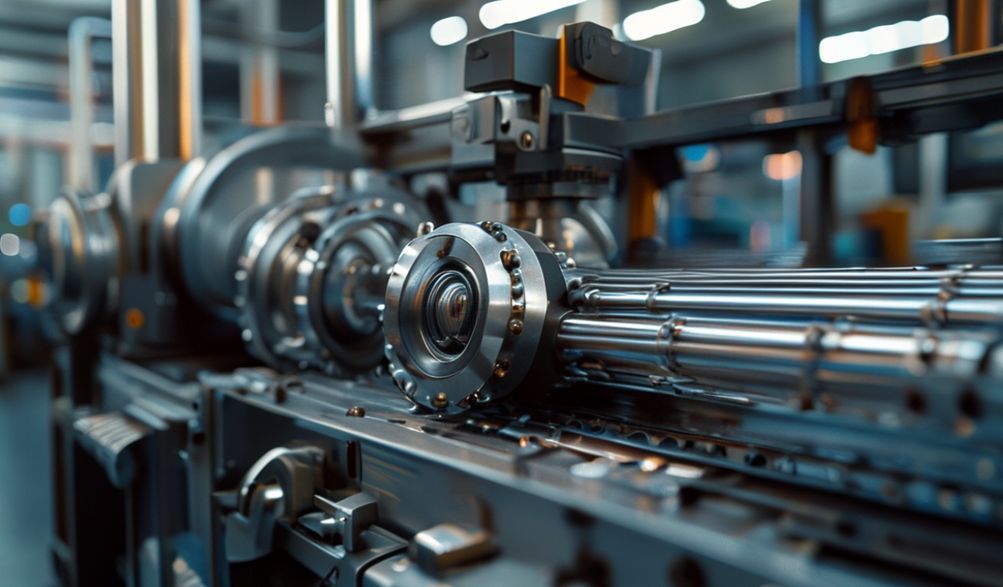
Pag-unawa sa Mga Presyo ng Makina sa Paggawa ng Bloke: Isang Masusing Pagtingin sa FUDA Block Making Factory
Panimula
Ang paghahanap ng tamang makina ng paggawa ng bloke sa tamang presyo ay isang kritikal na pamumuhunan na maaaring magpasya sa kita ng iyong proyekto. Para sa mga negosyante at kumpanya sa konstruksiyon, ang paglalakbay sa merkado ay maaaring nakalilito, na may mga presyong mula sa ilang libo hanggang sa daan-daang libong dolyar. Ang kalituhang ito ay kadalasang humahantong sa isang magastos na pagkakamali: ang pagpili ng makina batay lamang sa pinakamababang presyo, nang hindi nauunawaan ang pangmatagalang halaga at kabuuang gastos sa pagmamay-ari.
Dito mahalaga ang ekspertisya. Ang FUDA Block Making Factory ay nagtatag ng sarili bilang isang kilalang tagagawa sa pandaigdigang industriya ng makinarya sa konstruksiyon, kilala sa paghahatid ng komprehensibong hanay ng mga solusyon mula sa simpleng manual na mga pindot hanggang sa ganap na awtomatikong mga linya ng produksyon. Ang kanilang reputasyon ay itinayo sa pag-engineering ng matitibay na makina na idinisenyo para sa tunay na mga kapaligiran ng produksyon.
Ang komprehensibong gabay na ito ay maglilinaw sa mga salik na tumutukoy sa presyo ng mga makina sa paggawa ng bloke, na partikular na nakatuon sa mga alok ng FUDA. Lilipat tayo sa higit pa sa simpleng listahan ng presyo upang matulungan kang maunawaan ang halagang iniaalok, kalkulahin ang ROI, at makagawa ng maalam na desisyon sa pagbili na naaayon sa iyong mga layunin sa produksyon at badyet.
Sa pagtatapos ng artikulong ito, magkakaroon ka ng malinaw na balangkas para masuri ang mga gastos ng makina, ihambing ang mga modelo, at makipag-ugnayan sa mga supplier tulad ng FUDA nang may kumpiyansa. Magtayo tayo ng pundasyon para sa iyong tagumpay, isang hakbang nang isang hakbang.
Mga Pangunahing Salik na Nakakaimpluwensya sa Presyo ng Makina sa Paggawa ng Bloke
Ang presyo ng isang makina ng paggawa ng bloke ay hindi basta-basta lamang. Ito ay direktang salamin ng kanyang inhenyeriya, kakayahan, at mga sangkap. Ang pag-unawa sa mga salik na ito ang unang hakbang sa paggawa ng isang matalinong pamumuhunan.
Uri ng Makina at Antas ng Automation
Ito ang pinakamahalagang tagapagpataas ng presyo. Ang antas ng awtomasyon ay direktang nauugnay sa gastos, pagtitipid sa paggawa, at pagkakapare-pareho ng produksyon.
- Manwal kumpara sa Semi-Awtomatiko kumpara sa Ganap na Awtomatiko:Ang mga manual na makina ay nangangailangan ng malaking pisikal na paggawa para sa paghahalo, pagpapakain, at pag-aalis ng bloke. Ang mga semi-awtomatikong modelo ay nagmamakinisa ng pagyanig at pagpiga, kung saan ang mga operator ang nagpapakain ng materyal at nag-aalis ng mga bloke. Ang ganap na awtomatikong mga makina ay nagsasama-sama ng pagpapakain ng materyal, paghubog, pagpapatibay, at pagtatambak nang may kaunting pakikialam ng tao.
- Nakatigil kumpara sa Mobile na Makina ng Paggawa ng Bloke:Ang mga nakatigil na halaman ay dinisenyo para sa mataas na dami ng produksyon sa isang pirmihang lokasyon at may mas mataas na presyo dahil sa kanilang laki at output. Ang mga mobile na makina (karaniwang egg-laying o mobile block makers) ay mas maliit, maaaring hilahin, at may mas mababang presyo, angkop para sa on-site na produksyon.
- Mga Tiyak na Uri ng OutputAng mga makina ay kadalasang ino-optimize para sa mga partikular na produkto. Ang isang karaniwang makina para sa hollow block, makina para sa makulay na paving block, at makina para sa interlocking brick na ginagamit sa soil stabilization ay magkakaiba ang presyo dahil sa kanilang mga espesyalisadong molde at sistema.
Kapasidad at Produksyon ng Paggawa
Ang presyo ay sumusukat sa potensyal na output. Namumuhunan ka sa kapasidad ng produksyon.
- Mga Bloke Bawat Oras/Araw:Ang isang makina na may rating na 1,000 bloke bawat 8-oras na turno ay lubhang naiiba — at mas mura — kaysa sa isang may rating na 10,000 bloke sa parehong panahon. Maging makatotohanan sa iyong mga pangangailangan sa dami.
- Sukat ng Molde at Bilis ng Ikot:Ang pisikal na sukat ng hulma (halimbawa, paggawa ng 4 na bloke bawat ikot kumpara sa 10) at ang bilis ng bawat ikot ng produksyon (oras ng ikot) ay mahahalagang teknikal na detalye na nakakaapekto sa presyo. Mas maraming bloke bawat ikot at mas mabilis na mga ikot ay nangangahulugan ng mas mataas na produktibidad at mas mataas na paunang gastos.
Mga Pangunahing Bahagi at Kalidad ng Pagkakagawa
Dito nagkakahiwalay ang "mura" na mga makina sa mga "matipid" naman. Ang de-kalidad na mga sangkap ay nagpapabawas ng downtime at nagpapahaba sa buhay ng makina.
- Grado ng Bakal at Tibay ng Balangkas:Ang isang mabigat at pinalakas na balangkas na yari sa bakal ay kayang tumagal sa patuloy na panginginig at presyur, na tinitiyak ang tibay at pare-parehong densidad ng mga bloke. Ang mas magagaan na balangkas ay maaaring umumbok, na nagdudulot ng mahinang kalidad ng mga bloke at madalas na sira.
- Kalidad ng Sistema ng Hydraulic:Ang puso ng makina. Ang mga tatak tulad ng Siemens o Rexroth ay nag-aalok ng maaasahan, tumpak na kinokontrol na mga sistemang haydroliko. Ang mga de-kalidad na bomba at balbula ay madaling magkaroon ng tagas at sira, na nagdudulot ng magastos na paghinto sa produksyon.
- Lakas at Kahusayan ng Motor na Panginginig:Mahahalaga ang malalakas at balanseng mga motor ng panginginig para sa lubusang pagpapatibay ng kongkreto. Ang mga motor na may mataas na kahusayan ay nakakabawas din sa pangmatagalang gastos sa kuryente.
- Control System Sophistication: A basic relay system is less expensive than a Programmable Logic Controller (PLC). A PLC allows for precise control, easier troubleshooting, and can often be programmed for different block types, adding flexibility and value.
Customization & Additional Features
Standard models come at a base price; customization and add-ons increase it.
- Pasadyang Molde: Need a unique block design or size? Custom molds are engineered to specification and add to the cost.
- Integrated Add-Ons: To create a true production line, you may need:
- Automatic pan mixers or concrete batch plants.
- Belt conveyors for material handling.
- Automatic pallet feeders and stackers.
- Color feeders or splitters for multi-colored paving stones.
Each addition increases automation and price but drastically reduces labor and increases overall line efficiency.
An Overview of FUDA Block Making Machine Models & Price Ranges
Let’s translate those factors into the context of FUDA’s typical offerings. Note: Prices are estimated ranges for illustration and can fluctuate based on configuration, market, and raw material costs. Always request a formal quote.
Entry-Level & Semi-Automatic Models
- Target User: Small businesses, start-ups, community projects, or specific project-based production.
- Example Models: QMJ4-35 (Manual) / QMJ4-45 (Semi-Auto). These are classic, robust “egg-layer” style mobile machines.
- Key Features & Output: Manually fed, hydraulic vibration, mobile design. Can produce hollow blocks, solid blocks, and curb stones. Output can range from 1,500 to 4,000 blocks per 8-hour shift depending on model and operator speed.
- Estimated Price Range: $4,000 – $15,000 (FOB).
- Pinakamabuti para sa: Those needing a low initial investment, flexibility of on-site production, and where labor cost is less of a concern.
Fully Automatic Stationary Production Lines
- Target User: Established block yards, medium to large-scale manufacturers supplying local construction markets.
- Example Models: QFT8-15 / QFT10-15 / QFT12-15. These are stationary, fully automatic block making machines.
- Mga Pangunahing Tampok: High automation with automatic material feeding, molding, pressing, and block transfer. PLC control system for consistent operation. Designed to work with pallet circulation systems. Outputs can range from 8,000 to over 20,000 blocks per 8-hour shift.
- Estimated Price Range: $45,000 – $120,000+ (FOB, for the core block machine).
- Pinakamabuti para sa: Businesses focused on steady, high-volume commercial production where efficiency, consistency, and lower labor dependency are critical for profitability.
Specialized & High-Capacity Machines
- Target User: Large industrial plants, major infrastructure projects, and export-oriented production facilities.
- Example Models: Full Plant Solutions such as the QGM Zenith Series or custom-engineered lines.
- Mga Pangunahing Tampok: These are complete plants. They include the block machine, automatic batching systems, robotic pallet handling, high-speed stackers, and curing systems. They feature advanced monitoring and control for maximum uptime and output.
- Price Consideration: $200,000 – $1,000,000+. These require custom quotes based on a complete plant layout and production goal (e.g., 50,000 blocks per day).
- Pinakamabuti para sa: Maximizing efficiency and output at an industrial scale, where the investment is justified by massive, continuous demand.
Beyond the Sticker Price: Calculating Total Cost of Ownership (TCO)
A savvy buyer looks beyond the invoice. The true cost of a machine is spread over its entire operational life.
Initial Investment Breakdown
The machine price is just the start.
* Machine Cost: The base FOB (Free On Board) price from the factory.
* Shipping, Insurance & Freight: Sea freight, insurance, and port charges (for CIF prices) or inland freight to your site.
* Pagkakabit at Pagkakomisyon: Costs for a technician to install, calibrate, and test-run the machine. This is often a separate service but is non-negotiable for complex lines.
* Spare Parts Kit & Initial Molds: Purchasing a recommended set of wear parts (seals, filters, etc.) and your first set of production molds.
Operational & Maintenance Costs
These are your recurring expenses.
* Pagkonsumo ng Enerhiya: The power draw of the motors (electric) or fuel for a diesel engine. A more efficient machine has a higher upfront cost but lower running costs.
* Mga Pangangailangan sa Paggawa: A fully automatic line may need 2-3 people, while a manual line needs 6-8 for the same output. Calculate wages into your cost-per-block.
* Routine Maintenance: Regular lubrication, part inspections, and cleaning. Factor in the cost of lubricants and technician time.
* Pagpapalit ng Piyesa Wear parts like hydraulic seals, vibration motor bearings, and mold liners will need replacement. Inquire about the availability and typical cost of FUDA spare parts.
The ROI Perspective: How a FUDA Machine Pays for Itself
This is the ultimate calculation. Return on Investment (ROI) justifies the purchase.
-
Framework for Calculation:
- Monthly Output Value: (Number of blocks produced per month) x (Selling price per block).
- Monthly Operational Cost: Raw materials + labor + energy + maintenance + overhead.
- Kabuuang Kita Output Value – Operational Cost.
- Payback Period: (Total Initial Investment) / (Monthly Gross Profit) = Approximate months to break even.
-
Factors Enhancing ROI: A FUDA machine, with its emphasis on durability, contributes to ROI by:
- Minimizing Downtime: Robust build quality means fewer breakdowns and more production days.
- Increasing Efficiency: Higher cycles per hour mean more sellable blocks from the same labor and overhead.
- Lowering Reject Rate: Consistent pressure and vibration produce uniformly high-quality blocks, reducing waste.
-
Case Study Snippet: A client producing 30,000 standard hollow blocks per month with a FUDA QFT10-15 line might see a gross profit of $8,000 monthly after all costs. With an initial investment of $90,000 (machine, shipping, installation), the payback period could be around 11-12 months. After that, the machine generates largely pure profit for years.
How to Get an Accurate Quote from FUDA Factory
A precise quote requires precise information. Here’s how to prepare and what to expect.
Information to Prepare Before Inquiring
Being prepared signals you are a serious buyer and helps FUDA provide the best solution.
* Block Specifications: Type (hollow, solid, paving, interlocking), dimensions (length, width, height), and required compressive strength.
* Production Volume: Your realistic target for blocks per shift, per day, and per month.
* Site Details: Available factory space (length, width, height), and power supply (voltage, phase, e.g., 380V/3Phase/50Hz).
* Antas ng Automation: How much manual labor are you willing to employ versus automate?
The Quotation Process: What to Expect
- Timeline: After a detailed inquiry, expect a preliminary proposal within 3-5 business days. A final, formal quote may take longer if custom engineering is involved.
- What a Professional Quote Includes:
- Detailed machine specifications and model number.
- Clear price terms (FOB Qingdao, CIF Durban, etc.).
- Warranty period and coverage details.
- Delivery timeline.
- Payment terms (e.g., 30% deposit, 70% before shipment).
- List of optional equipment and their prices.
- Red Flags: Vague quotes without technical details, requests for 100% payment upfront, reluctance to provide warranty in writing, or no clear company address/contact information.
Negotiation and Financing Considerations
- Package Deals: Inquire about the price for a complete package (e.g., block machine + mixer + conveyor + stacker). Bundles often offer better value.
- Warranty & Service: Negotiate the warranty terms. Discuss what after-sales support is included (remote video support, on-site technician availability, cost).
- Financing Options: While FUDA primarily deals in trade finance (Letters of Credit, T/T), ask if they have partnerships with export credit agencies or can recommend financing channels in your country.
FAQ: Block Manufacturing Machine Prices & FUDA
Q1: What is the cheapest block making machine from FUDA?
Isalin ang teksto sa Filipino. I-output LAMANG ang isinalin na teksto. The most basic manual models, like the QMJ4-35, represent the lowest entry point. However, we strongly advise against choosing a machine solely on being the “cheapest.” Consider your labor costs, target output, and the Total Cost of Ownership. A slightly more expensive semi-automatic model may be far more cost-effective for your business.
Q2: Does the quoted price include installation and training?
Isalin ang teksto sa Filipino. I-output LAMANG ang isinalin na teksto. Typically, a standard FOB (Libre sa Barko) price quoted by the factory includes the machine ready for shipment at their port. It does hindi include international freight, insurance, import duties, on-site installation, or operator training. These are crucial, often separate, cost items. Always clarify what is included in the quoted price and budget for these additional essential services.
Q3: How does FUDA’s pricing compare to other brands?
Isalin ang teksto sa Filipino. I-output LAMANG ang isinalin na teksto. FUDA positions itself in the competitive mid-to-high range, focusing on a balance of affordability, durability, and performance. Rather than just comparing the initial number, we advise you to compare the specifications, component brands, warranty length, and the depth of after-sales service support. A machine that is $5,000 cheaper but breaks down frequently and has no local technical support will ultimately cost you far more.
Q4: What is the warranty on a FUDA block making machine?
Isalin ang teksto sa Filipino. I-output LAMANG ang isinalin na teksto. Warranty terms can vary by model. Generally, you can expect a warranty of 12 to 24 months on core components like the hydraulic system, frame, and vibration motors (excluding wear parts like molds and seals). The single most important action is to get the specific warranty terms for your chosen model in writing as part of your sales contract.
Q5: Can I get spare parts easily, and how much do they cost?
Isalin ang teksto sa Filipino. I-output LAMANG ang isinalin na teksto. As a direct manufacturer, FUDA has a significant advantage: they produce the spare parts. This typically means better availability than dealing with a trading company. Before purchase, request a recommended spare parts list with prices for your model. This allows you to budget for initial spares and understand the long-term maintenance cost structure.
Konklusyon
Investing in a block manufacturing machine is a strategic decision that goes far beyond a simple price comparison. As we’ve explored, the final price from a reputable factory like FUDA is a direct reflection of the machine’s type, production capacity, component quality, and level of automation. Understanding these factors empowers you to see the machine not as an expense, but as a production asset.
Choosing a reliable machine from an established manufacturer is an investment in your business’s long-term stability and growth. It minimizes the profit-killing impact of downtime and ensures you can meet market demand consistently.
Ready to Get a Tailored Quote?
Now that you’re equipped with the right knowledge, the next step is to translate your project needs into a formal inquiry. Prepare your specific block specifications, target output, and site details as outlined in this guide.
Contact FUDA Block Making Factory directly for a detailed, no-obligation consultation. A professional supplier will work with you to match the right machine to your goals and provide a comprehensive quote that forms the basis of a successful partnership. Visit their official website to explore technical specifications and take the first step toward building a more profitable future.
<