
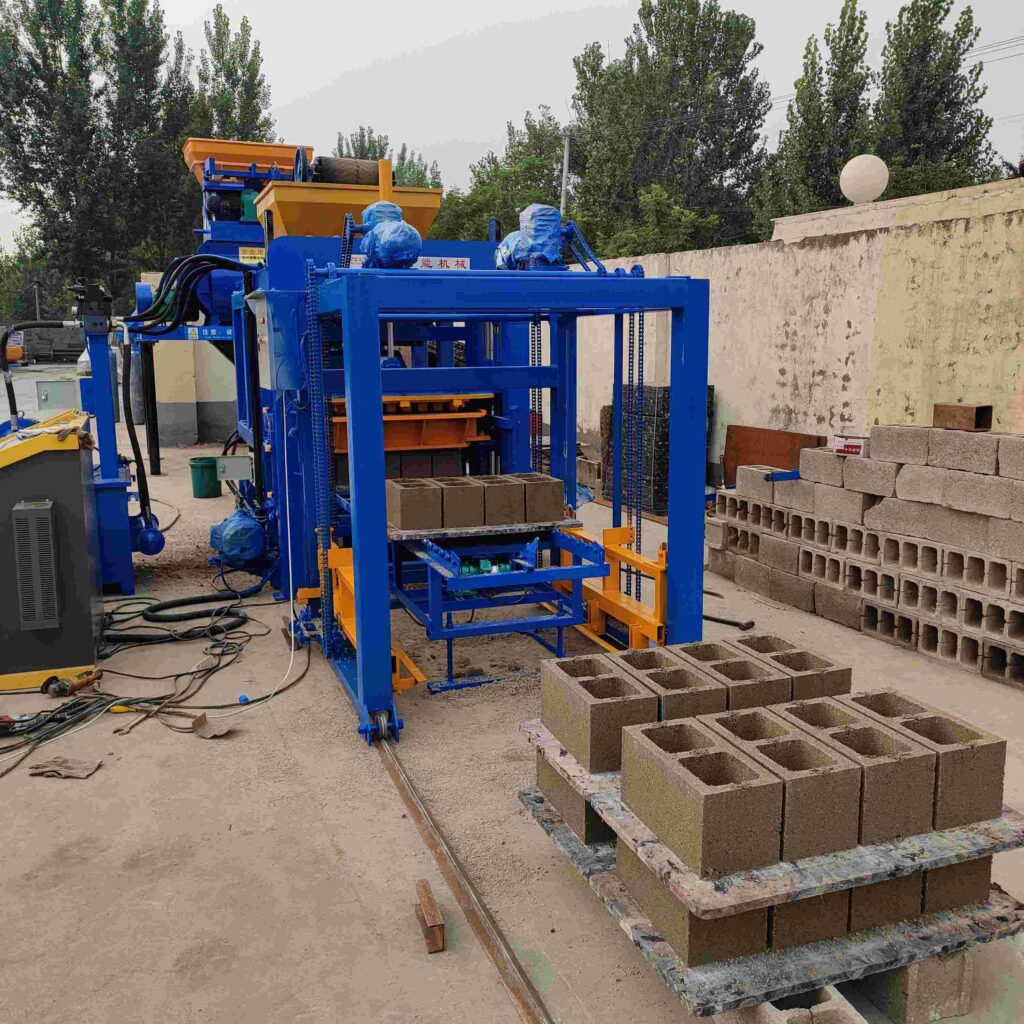
Ang paggawa ng isang block making machine na kumikitang negosyo ay nangangailangan ng sari-saring paraan na ginagamit ang pangunahing kakayahan ng makina habang sinisiyasat ang mga kaugnay na oportunidad sa ekosistema ng konstruksyon.
1. Pangunahing Pinagkukunan ng Kita: Paggawa at Pagbebenta ng mga Bloke
Ito ang pangunahing modelo ng negosyo, ngunit ang pagpapatupad nito ay maaaring i-optimize para sa pinakamataas na kita.
1.1. Pag-iiba-iba ng Produkto para sa Pagpasok sa Pamilihan
Iwasan ang pagiging pangkaraniwan sa pamamagitan ng paggawa ng sari-saring portfolio.
- Mahalagang SaklawAng karaniwang hollow at solid na mga bloke para sa gawaing istruktural ay patuloy na may matatag na pangangailangan para sa pundasyon at paggawa ng pader.
- Premium & Decorative Lines:Ang mga produktong may mataas na margin tulad ng may kulay, may tekstura, o pinakintab na bloke para sa mga arkitektural na harapan at disenyong tanawin.
- Mga Espesyalisadong Produktong PangkagamitanMagdagdag ng magkakaugnay na mga bato para sa driveway at daanan, mga yunit ng pader na panangga, at insulated concrete forms (ICFs) para sa gusaling matipid sa enerhiya. Ang pag-iiba-ibang ito ay nagbibigay-daan upang mapagsilbihan ang mass market habang kumukuha ng mas mataas na kita mula sa mga espesyal na bahagi.
1.2. Paghahati ng Estratehikong Merkado at mga Daanan ng Pagbebenta
Ang kakayahang kumita ay madalas na itinatakda ngpaanoatkaninoNagbebenta ka.
- Direct B2B Sales: Establish contracts with large construction firms, government infrastructure projects, and real estate developers. This channel promises large, predictable volumes but may involve competitive bidding and longer payment cycles.
- Retail and Distribution Network: Supply building material merchants, hardware stores, and landscaping centers. This builds brand presence and ensures steady, smaller-batch orders.
- Direct-to-Consumer Sales: Market directly to homeowners, small contractors, and DIY enthusiasts for landscaping and renovation projects, often achieving the highest per-unit margin on decorative items.
2. Enhanced Service Models: Adding Value Beyond the Block
The machine enables services that build recurring revenue and client loyalty.
2.1. Custom Production and Contract Manufacturing
Leverage the flexibility of mold systems. Offer custom block production for architects and builders seeking unique dimensions, shapes, or embossed patterns for specific projects. This is a high-value, low-competition service. Additionally, operate as a contract manufacturer for other building material brands or large distributors who wish to outsource production, ensuring your machine runs at full capacity.
2.2. On-Site Production and Mobile Services
For certain projects, moving production to the point of consumption is a powerful value proposition. Deploying a mobile block making machine to a large construction site eliminates transportation costs for the client, reduces block damage, and guarantees just-in-time supply. This model commands a service premium and can be particularly lucrative for remote or large-scale developments.
3. Operational Excellence and Cost Leadership
The most effective way to increase profit is to intelligently manage costs and enhance operational leverage.
3.1. Mastering the Input Cost Equation
Profit is often won or lost in the raw material budget.
- Strategic Sourcing: Secure long-term supply agreements for cement and aggregates to lock in favorable prices and ensure consistency.
- Mix Design Optimization: Continually refine your concrete formulas to achieve required strength standards at the lowest possible material cost, potentially incorporating approved industrial by-products.
- Waste Minimization: Implement rigorous quality control to minimize production rejects and efficiently recycle returned or broken blocks as aggregate.
3.2. Maximizing Asset Utilization
A machine that is idle is a drain on profitability. Develop production schedules that maximize uptime. Consider operating multiple shifts. Use the machine’s capability to produce different products to match seasonal demand—e.g., focusing on pavers in spring/summer and structural blocks year-round.
Conclusion: Building a Business, Not Just Making Blocks
Ultimately, making money with a block making machine is about recognizing it as the core engine of a broader construction solutions business. The most successful operators do not view themselves solely as block manufacturers, but as partners in building and landscaping, providing products, customization, and logistical solutions. For the distributor advising a client, the conversation must shift from machine features to business model features. Encourage a business plan that combines a strong core product line with strategic service offerings, all underpinned by relentless operational efficiency. By helping clients see the full spectrum of revenue possibilities—from selling standard blocks to providing exclusive custom designs or on-site production services—you empower them to build a resilient, profitable enterprise. In this context, the block machine is the tool, but the real product is a sustainable, adaptable business capable of thriving in a dynamic market.
Mga Madalas Itanong (FAQ)
Q1: What is the most profitable type of block to produce?
A1: While volume lies in standard blocks, the highest profit margins are typically found in specialized, value-added products. Decorative pavers, colored architectural blocks, and insulated concrete forms (ICFs) have less direct competition and can command significantly higher prices per unit, often outweighing their slightly higher production costs.
Q2: How important is location for a block-making business?
A2: Location is a critical success factor. Proximity to both raw material sources (aggregate quarries, cement terminals) and your target market (growing urban areas, industrial belts) is vital. Being close to materials reduces logistics costs, while being near demand reduces delivery time and cost for customers, giving you a competitive edge.
Q3: Can I start this business part-time or as a one-person operation?
A3: Starting with a smaller, semi-automatic machine is feasible for a lean operation, but it is highly demanding. While possible to manage initially with minimal staff, scaling, sales, and logistics will quickly require additional personnel. A more realistic path is to begin with a focused product line and grow the team in tandem with sales.
Q4: How do I handle competition from established, larger block plants?
A4: Compete on agility, service, and specialization, not just price. Larger plants excel at high-volume, standard products. You can compete by:
- Offering faster turnaround on smaller, custom orders.
- Providing superior customer service and direct technical support.
- Focusing on a niche product they may not produce (e.g., specific colors or textures).
- Serving a local geographic area they may not efficiently cover.
Q5: What after-sales support from a distributor is most valuable for my profitability?
A5: Beyond machine maintenance, the most valuable support includes:
- Business and Marketing Guidance: Insights on product trends and profitable niches.
- Technical Training on Mix Design: Helping you optimize formulas for cost and performance.
- Access to New Mold Designs: Enabling you to expand your product line into new, profitable segments with market demand.
A distributor invested in your business growth is a key asset.
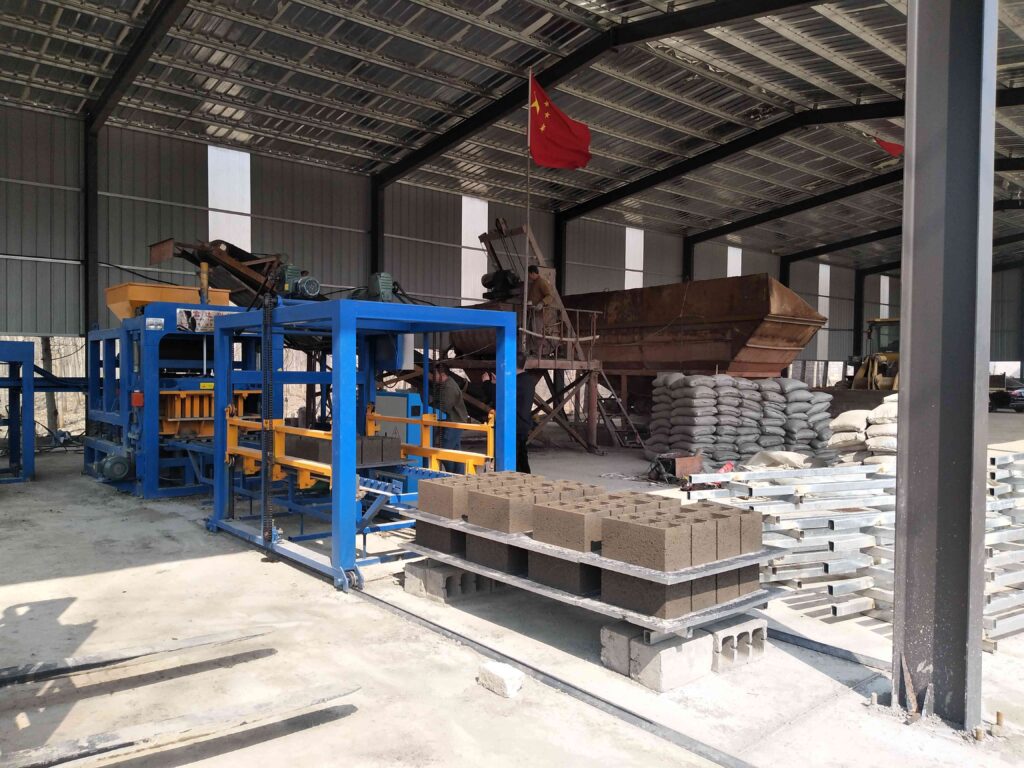
- awtomatikong makina ng paggawa ng bloke7 products
- makina ng paggawa ng bloke ng luwad4 products
- gumagalaw na bloke ng paggawa ng makina4 products
- iba pang mga kagamitan sa konstruksiyon5 products
- semi awtomatikong makina ng paggawa ng bloke4 products