
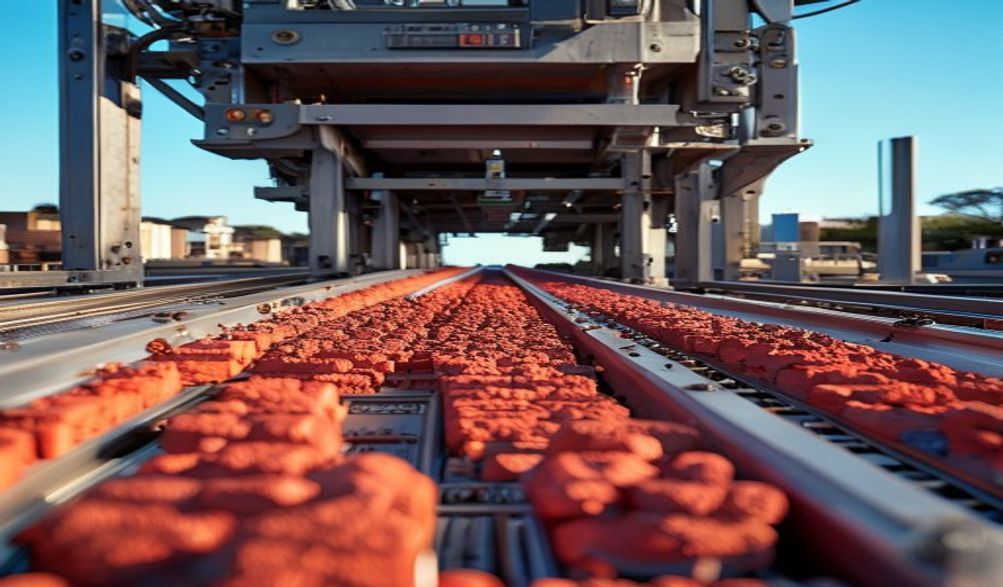
Paano Pumili ng Tamang Automatic Brick Making Machine na Ibinebenta sa South Africa: Isang Gabay sa Mamimili para sa 2026
Ang sektor ng konstruksyon at pagpapaunlad ng ari-arian sa Timog Aprika ay nasa isang tuluy-tuloy na pagtaas ng takbo. Dahil sa mga proyektong pang-imprastraktura, pangangailangan sa pabahay, at pagpapaunlad ng komersyo, ang pangangailangan para sa maaasahan at de-kalidad na mga materyales sa pagtatayo ay hindi kailanman naging mas malaki. Para sa mga matatalinong negosyante at naitatag na mga kumpanya, ang pamumuhunan sa isang awtomatikong makina sa paggawa ng ladrilyo ay kumakatawan sa isang makapangyarihang pagkakataon upang magtayo ng isang kumikitang negosyo.
Gayunpaman, ang pag-navigate sa merkado para sa mahalagang kagamitang ito ay maaaring maging napakalaki. Sa dami ng mga modelo, tatak, at kumplikadong teknikal na detalye, ang isang padalus-dalos na desisyon ay maaaring magdulot ng magastos na pagtigil ng operasyon, hindi pare-parehong kalidad ng produkto, at malaking pinansiyal na pasanin. Ito ay hindi lamang isang pagbili; ito ay isang estratehikong pamumuhunan sa pundasyon ng iyong negosyo.
Ang komprehensibong gabay na ito para sa 2026 ay idinisenyo upang putulin ang ingay. Gamit ang mga dekada ng pinagsamang karanasan sa industriya at malalim na teknikal na kadalubhasaan, gagabayan ka namin sa bawat mahalagang salik. Ang layunin namin ay bigyan ka ng kapangyarihang gumawa ng matalinong at tiwala na desisyon na perpektong naaayon sa iyong mga layunin sa produksyon, badyet, at natatanging mga pangangailangan sa operasyon ng merkado sa South Africa. Bumuo tayo ng pundasyon para sa iyong tagumpay.
Pag-unawa sa Iyong mga Pangangailangan sa Produksyon at Mga Layunin sa Negosyo
Bago ka tumingin sa kahit isang brochure ng makina, kailangan mong tumingin sa iyong sarili. Ang malinaw na pagtukoy sa iyong mga operational parameter ang pinakamahalagang hakbang sa proseso ng pagpili. Ang panloob na pagsusuring ito ay nagbabago sa iyo mula sa isang passive na mamimili patungo sa isang may kaalamang specifier.
Pagsusuri sa Iyong Pang-araw-araw/Panlingguhang Mga Target sa Produksyon ng Laryo
Magsimula sa mga numero. Ang iyong target sa produksyon ang pangunahing dahilan para sa kapasidad ng makina.
* Kalkulahin Batay sa Demand:Suriin ang iyong mga kumpirmadong order, mga kinakailangan sa tender, o pananaliksik sa merkado. Nagbibigay ka ba ng suplay para sa isang malawakang pag-unlad o isang lokal na tingiang pamilihan?
* Teoretikal kumpara sa Praktikal na Output A spec sheet may claim “2,000 bricks per hour.” In reality, practical output is lower. You must factor in time for mold changes, raw material feeding, routine cleaning, and scheduled maintenance. A machine rated for 8,000 bricks per day might reliably produce 6,500 high-quality bricks in a standard shift.
Determining the Brick Types and Sizes You Plan to Manufacture
Your product mix dictates machine versatility. The South African market uses a variety of blocks:
* Mga Karaniwang Uri: Standard Cement Stock Bricks, Hollow Blocks (for insulation and reduced weight), Pavers (for landscaping), and Interlocking Blocks (for dry-stack construction).
* Versatility vs. Specialization: A machine that can produce multiple block types with quick mold changes offers flexibility to adapt to market trends. A machine dedicated to one high-volume product may be faster and more robust. Your business model will dictate the choice.
Evaluating Your Available Space, Power Supply, and Workforce
A machine must fit your physical and operational ecosystem.
* Space Requirements: Account for the machine’s footprint, raw material storage (sand, stone, cement), a mixing area, a curing area for fresh bricks, and storage for finished products. A compact, vertical design might suit a smaller yard.
* Power Specifications: Most industrial automatic brick machines require a robust three-phase power supply, standard in South African industrial zones. Verify your available voltage and amperage. Smaller semi-automatic models may run on single-phase.
* Workforce & Skills: A fully automatic plant may only need 1-2 operators for monitoring and feeding, but they require basic technical understanding. Simpler machines might need more manual labor but less technical skill. Consider training costs.
Key Technical Specifications to Scrutinize
Technical sheets are filled with jargon. Here’s how to translate those specs into real-world performance and reliability you can trust.
Machine Type: Fully Automatic vs. Semi-Automatic
This choice balances investment, output, and labor.
* Ganap na Awtomatikong Makina: Integrated with PLC (Programmable Logic Controller) systems. They automate the entire process: mixing, feeding, compacting, molding, and stacking. They offer the highest output with minimal manual labor but come with a higher initial cost and require more technical maintenance.
* Semi-Automatikong Makina: Mechanized but require operator intervention for tasks like feeding the mix or removing finished bricks. Lower upfront cost and simpler mechanics, but higher labor costs and lower overall output.
* South African Scenario: For high-volume commercial production (e.g., supplying contractors), fully automatic is often the best ROI. For smaller, start-up, or niche operations, a robust semi-automatic machine can be a perfect entry point.
Core Mechanism: Hydraulic vs. Vibration Pressure
This is the heart of the machine and determines brick quality.
* Mga Sistema ng Haydroliko: Use immense, controlled hydraulic pressure to compact the raw material mix. They produce extremely dense, high-strength bricks with excellent dimensional accuracy and a smooth finish. Ideal for high-quality cement bricks and blocks that must meet strict SANS standards.
* Sistema ng Pagyanig: Use high-frequency vibration to settle and compact the mix within the mold. Often faster and can be more energy-efficient for certain products. Best suited for hollow blocks and lighter weight products where ultimate compressive strength is less critical.
* Material Suitability: Hydraulic systems handle a wider range of raw material mixes, including those with higher percentages of crusher dust or fly ash, common in South Africa.
Critical Performance Metrics: Cycle Time, Pressure Force, and Mold Capacity
Look beyond the headline “bricks per hour” figure.
* Oras ng Ikot: The time to complete one molding cycle. A shorter cycle means higher potential output, but not at the expense of proper compaction.
* Pressure Force (Tons): This is critical for strength. For producing SANS-compliant load-bearing bricks (e.g., 7MPa or higher), sufficient compaction pressure (often 100+ tons for a standard brick) is non-negotiable. Do not compromise here.
* Mold Capacity: The number of bricks produced per cycle. A “10-brick mold” produces ten bricks every cycle. Multiply this by cycles per hour for your output calculation.
Navigating the South African Market: Suppliers, Costs, and Logistics
Your experience with the supplier is as important as the machine itself. Here’s practical, locally-focused advice.
Researching Reputable Suppliers and Manufacturers
Due diligence is your best insurance policy.
* Subok na Rekord ng Tagumpay: Prioritize suppliers with a verifiable history in South Africa. Look for companies with physical offices, showrooms, or workshops.
* Red Flags & Green Flags:
* Red Flag: Only a P.O. Box address, no local references, unwilling to let you visit a client site, pressure to pay upfront.
* Green Flag: Transparent about local clients, offers comprehensive after-sales terms, provides detailed technical support, has a warehouse of spare parts.
* The Site Visit: If possible, visit an existing installation. Speak to the operator about reliability, support, and any challenges.
Understanding the Full Cost Breakdown
The purchase price is just the beginning. Consider the Kabuuang Halaga ng Pagmamay-ari (TCO).
* Upfront Costs: Machine price, import duties (if not locally assembled), shipping to your site, installation, and commissioning.
* Mga Gastos sa Pagpapatakbo: Electricity consumption (hydraulic systems can be power-hungry), cost and availability of wear parts (molds, liners, seals), and raw material efficiency (does the machine waste mix?).
* The Spare Parts Factor: Ensure critical spare parts are stocked locally in South Africa. Waiting six weeks for a part from overseas can bankrupt a project.
After-Sales Support: The Non-Negotiable for South African Buyers
This is where the best and worst suppliers are separated.
* Lokal na Teknikal na Suporta: A supplier must have trained technicians based in South Africa who can respond to breakdowns within a reasonable timeframe (e.g., 24-48 hours for critical issues).
* Warranty & Training: Scrutinize the warranty. It should cover core components for at least 12 months. Comprehensive training for your operators and maintenance staff should be included in the purchase.
* Long-Term Partnership: You are buying into a partnership. Choose a supplier invested in your long-term productivity.
Ensuring Quality, Compliance, and Safety
A responsible investment prioritizes standards, durability, and the well-being of your team.
Machine Build Quality and Durability
Inspect what you expect.
* Konstruksyon ng Frame: The main frame should be heavy-duty, welded steel, not lightweight bolted assemblies. It must withstand constant vibration and pressure.
* Component Brands: Recognizable, quality brands for hydraulics (e.g., Bosch Rexroth, Parker), electrical systems (Siemens, Schneider), and PLCs indicate a better-built machine.
* Proteksyon Laban sa Korosyon: Given local conditions, look for powder-coated paint or other anti-corrosion treatments on the frame and components.
Compliance with South African Standards
Your bricks must be fit for purpose.
* SANS Standards: Your machine must be capable of consistently producing bricks that meet the relevant SANS 1215 (Concrete masonry units) or other applicable standards. This is essential for structural integrity and market acceptance.
* Test Production: Before buying, insist on a test run using your specific raw material mix. Have samples tested for compressive strength at an accredited lab.
Essential Safety Features
Never compromise on safety.
* Machine Guards: All moving parts, especially compression areas, must have fixed guards.
* Emergency Systems: Multiple, easily accessible emergency stop (E-stop) buttons are mandatory.
* Electrical Compliance: The machine should have a certificate of compliance (CoC) for its electrical installation, adhering to South African regulations.
The Decision-Making Checklist
Use this actionable checklist when evaluating suppliers and machines:
- [ ] Production Needs: I have calculated my realistic daily output target and defined my primary brick products.
- [ ] Site Ready: I have confirmed my space, three-phase power supply, and operator skill plan.
- [ ] Type Selected: I have decided between Fully Automatic and Semi-Automatic based on my budget and output needs.
- [ ] Mechanism Understood: I know the pros/cons of Hydraulic vs. Vibration for my products.
- [ ] Key Specs Verified: I have noted the machine’s Cycle Time, Pressure Force (Tons), and Mold Capacity.
- [ ] Supplier Vetted: I have researched the supplier’s local reputation, visited a client site, and checked references.
- [ ] Full Costs Budgeted: I have a quotation covering machine, delivery, installation, and initial spare parts.
- [ ] After-Sales Confirmed: I have in writing the warranty details, local service response time, and spare parts availability.
- [ ] Quality & Safety Checked: I have seen the machine’s build quality, safety features, and will conduct a test production run.
- [ ] Compliance Assured: I am confident the machine can produce bricks meeting SANS standards for my market.
FAQ Section
Q1: What is the average price range for an automatic brick making machine in South Africa?
Isalin ang teksto sa Filipino. I-output LAMANG ang isinalin na teksto. Prices vary dramatically. A small semi-automatic machine can start from around R150,000. Mid-range fully automatic models typically range from R500,000 to R1.2 million. Large, high-output turnkey plants can exceed R2 million. Always budget an additional 15-25% for ancillary equipment, installation, and initial spares.
Q2: Can I use local South African raw materials with these machines?
Isalin ang teksto sa Filipino. I-output LAMANG ang isinalin na teksto. Absolutely. Reputable machines are engineered for locally available materials like Portland cement, crusher sand, stone dust (6mm or 9mm), and even industrial by-products like fly ash. Always provide your intended mix ratio to the supplier for confirmation.
Q3: How important is after-sales service, and can I get parts locally?
Isalin ang teksto sa Filipino. I-output LAMANG ang isinalin na teksto. It is the single most important commercial factor after the machine itself. Downtime is lost revenue. Prioritize suppliers with a proven local service network and a guaranteed inventory of critical spare parts (like seals, hydraulic hoses, and mold liners) within the country.
Q4: What kind of warranty should I expect?
Isalin ang teksto sa Filipino. I-output LAMANG ang isinalin na teksto. A trustworthy supplier should offer a minimum of 12 months on the machine frame and core components (hydraulic pump, cylinder, PLC). The warranty should be clear about what is excluded (e.g., wear parts like molds) and the process for lodging a claim.
Q5: How do I ensure the bricks will be strong enough for construction?
Isalin ang teksto sa Filipino. I-output LAMANG ang isinalin na teksto. First, ensure the machine provides sufficient compaction pressure (consult the supplier for your target brick strength). Second, conduct a test production with your mix. Finally, send the cured brick samples to an independent lab (e.g., accredited with SANAS) for compressive strength testing against SANS 1215.
Konklusyon
Choosing the right automatic brick making machine is a strategic decision that requires a blend of clear self-assessment, technical understanding, and diligent supplier vetting. In the South African context, factors like robust after-sales support, local spare parts availability, and the ability to meet SANS standards are not just advantages—they are necessities for a sustainable business.
Resist the temptation of the lowest upfront price. Instead, invest in a total solution backed by demonstrable experience, technical expertise, and a trustworthy local partnership. We recommend using the checklist provided to shortlist 2-3 reputable suppliers, request detailed quotations and site visits, and witness a test production. With this diligent approach, you can make your final decision with confidence, securing an asset that will build your profitability and reputation for years to come.
<