
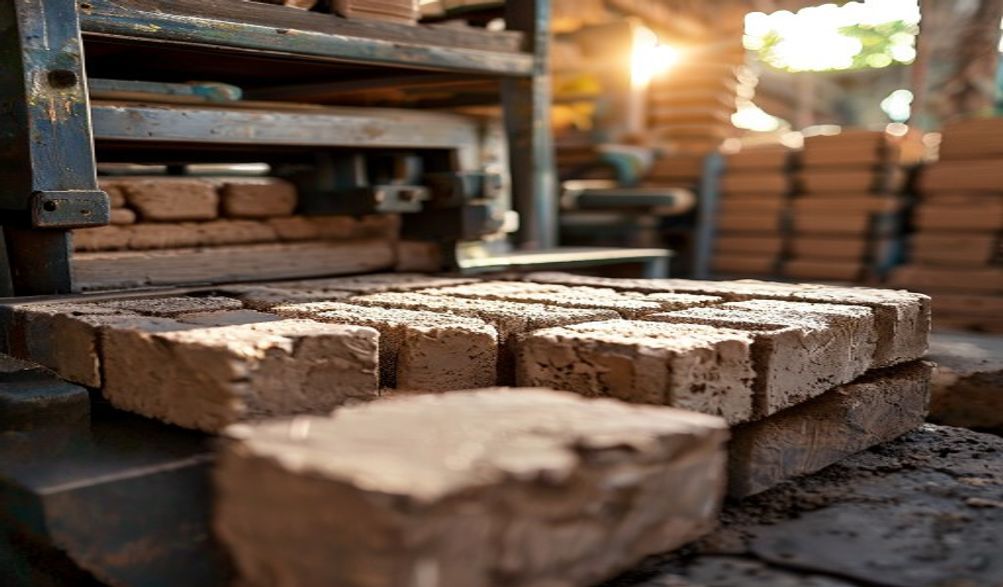
Paano Pumili ng Tamang Makina sa Paggawa ng Ladrilyo sa Pilipinas: Gabay ng Mamimili para sa 2026
Panimula
Ang industriya ng konstruksiyon sa Pilipinas ay patuloy na umaakyat nang walang tigil. Mula sa mga proyektong imprastruktura ng gobyerno hanggang sa pribadong pagpapaunlad ng tirahan, ang pangangailangan para sa dekalidad at abot-kayang materyales sa pagtatayo ay hindi kailanman naging mas mataas. Sa puso ng pag-unlad na ito ay isang pangunahing sangkap: ang hamak na laryo. Para sa mga negosyante, kontratista, at tagapagtayo, ito ay nagpapakita ng isang gintong pagkakataon. Gayunpaman, ang pag-navigate sa masikip na merkado ng mga makina sa paggawa ng laryo ay maaaring maging isang nakakalitong maze ng teknikal na terminolohiya, magkasalungat na pahayag, at mga tag ng presyo.
Ang pagpili ng maling makina ay hindi lamang isang maliit na sagabal; ito ay isang direktang daan patungo sa nasayang na kapital, hindi sapat na kalidad ng produkto, at isang natigil na negosyo. Malaki ang pusta. Ang gabay na ito ay idinisenyo upang maging iyong tiyak na manwal, na pinuputol ang komplikasyon gamit ang malinaw at praktikal na payo na naaayon sa natatanging realidad ng pamilihan sa Pilipinas. Batay sa malawakang pagsusuri ng lokal na supply chain ng konstruksyon at pagganap ng makinarya, ibinibigay namin ang praktikal na kaalaman na kailangan mo upang makagawa ng tiwala at kumikitang pamumuhunan. Itayo natin ang pundasyon para sa iyong tagumpay.
Pag-unawa sa Iyong mga Pangangailangan at Lokal na Merkado
Bago ka tumingin sa kahit isang brochure ng makina, dapat mong tingnan ang iyong sarili at ang iyong paligid. Ang iyong lokal na konteksto at mga tiyak na layunin ang pinakamahalagang salik sa iyong desisyon.
Pagtukoy sa Saklaw ng Iyong Proyekto: Dami at Uri ng Laryo
Ang iyong pagpili ng makina ay idinidikta ng nais mong gawin at para kanino.
- Nagbibigay ka ba ng mga materyales para sa isang malakihang proyekto ng subdibisyon, na nangangailangan ng libu-libong hollow blocks bawat araw?
- Or are you focusing on a boutique development needing decorative interlocking pavers or landscaping bricks?
Start by estimating your realistic daily and weekly production needs. Factor in not just current orders but projected growth over the next 1-2 years.
Common Brick Types in the Philippines:
- Hollow Blocks: The industry standard for walls, offering good strength with reduced weight and material cost.
- Masinsing Bloke: Used for foundations, load-bearing walls, and areas requiring maximum density.
- Mga Paver at Interlocking na Bloke: For driveways, walkways, and landscaping. These often command higher profit margins and require molds for specific patterns.
Key Philippine-Specific Factors to Consider
The “best” machine on a global spec sheet might be the worst fit for your local conditions.
- Local Material Compatibility: Your machine must efficiently handle locally sourced aggregates. Test if it can produce high-quality bricks with the sand, gravel, and potential supplementary materials (like volcanic ash or pozzolan) available in your region. The mixer’s efficiency is key here.
- Power Supply Reality: Analyze your local power situation.
- Electric Machines: Offer cleaner operation but depend on grid stability. In areas prone to brownouts, this can mean costly downtime.
- Diesel Machines: Higher fuel cost and noise, but provide crucial independence from the grid, ideal for provinces with unreliable electricity.
- Manual na Makina: Eliminate power costs entirely but severely limit output.
- Space and Location: A fully automatic plant needs significant space for the machine, raw material storage, curing area, and finished product inventory. A semi-automatic unit might fit in a modest backyard workshop. Consider logistics for material delivery and brick collection.
- Climate Adaptability: The machine will operate in a tropical climate—high heat, humidity, and heavy rain. Look for features like corrosion-resistant paint, sealed electrical components, and proper ventilation points. Can the machine or its control systems withstand a humid, dusty environment?
Types of Brick Making Machines Explained
Brick machines fall into three main categories, defined by their level of automation.
Mga Makina sa Paggawa ng Brik na Manual
These are the simplest and most basic types, relying entirely on human labor for mixing, filling, compacting, and demolding.
- Mga Kalamangan: Extremely low initial investment. No electricity or fuel required. Simple to understand and repair.
- Mga Disbentahe: Very low production output (e.g., 100-500 blocks per day). Brick quality and consistency heavily depend on operator skill and fatigue. Physically demanding.
- Pinakamainam Para Sa: Micro-enterprises, community-based projects, personal use for a single property, or as a very low-risk proof-of-concept before scaling up.
Mga Semi-Awtomatikong Makina ng Paggawa ng Bato
This category strikes the optimal balance for most small to medium Filipino businesses. The core compaction process (via vibration or hydraulics) is powered, but tasks like feeding the raw mix and removing finished bricks are manual.
- Mga Kalamangan: Significantly higher and more consistent output than manual machines (e.g., 800-2,500 blocks per 8-hour shift). Better quality control due to mechanized compaction. More affordable than fully automatic systems.
- Mga Disbentahe: Still requires a small team of operators. Output is limited by the speed of manual feeding and removal.
- Pinakamainam Para Sa: Growing SMEs, local construction suppliers, and contractors looking to reliably supply several projects simultaneously. This is the sweet spot for many first-time commercial buyers.
Ganap na Awomatikong Makina ng Paggawa ng Bricks
These are complete production lines. They automate the entire process: batching, mixing, conveying, compacting, curing, and sometimes even stacking/palletizing.
- Mga Kalamangan: Maximum output (e.g., 5,000 to 20,000+ blocks per shift). Exceptional consistency and quality. Drastically reduced labor requirements per block produced.
- Mga Disbentahe: Very high capital investment. Requires a stable, high-capacity power supply. Needs more sophisticated maintenance and technical know-how.
- Pinakamainam Para Sa: Large-scale commercial plants, established block manufacturers supplying major developers, or businesses with confirmed, high-volume contracts.
Critical Technical Specifications to Evaluate
Once you’ve narrowed down the type, dive into the specs. These numbers tell the real story.
Kapasidad sa Produksiyon (Bloke Bawat Oras)
Don’t just look at the theoretical maximum. Ask about makatotohanan, napapanatiling resulta under normal working conditions.
- Oras ng Ikot: How many seconds does it take to produce one cycle of bricks? (e.g., 4 blocks per cycle, 15-second cycle time).
- Mold Quantity: How many bricks can the machine produce in a single cycle? Machines with multiple mold cavities produce more per cycle.
- Match to Forecast: Cross-reference this output with your sales forecast. It’s better to have a machine that can slightly exceed your needs than one that strains at maximum capacity daily.
Pressure System (Hydraulic vs. Mechanical Vibration)
The compaction system defines the brick’s strength and finish.
- Mechanical Vibration: Uses powerful vibrator motors to settle the concrete mix in the mold. Excellent for producing standard hollow and solid blocks. Generally more energy-efficient for certain block types.
- Presyur ng Haydroliko: Uses a hydraulic cylinder to apply high, consistent pressure. Produces extremely dense, high-strength bricks with a very smooth surface finish. Ideal for pavers, interlocking blocks, and solid blocks where superior aesthetics and strength are critical.
- Hybrid Systems: Many modern semi and fully automatic machines use a combination of vibration and hydraulic pressure for optimal results.
Mold Versatility and Customization
Your ability to diversify your product line is a key competitive advantage.
- Palitanang Molde: Can you easily switch molds to produce different block sizes (4″, 5″, 6″ hollow blocks) or switch from blocks to pavers? How much do additional molds cost?
- Custom Designs: Some suppliers can fabricate custom molds for unique brick designs, textures, or logos. This allows you to cater to architectural niches.
Kalidad ng Pagkagawa at Tibay ng mga Bahagi
This is where you assess long-term reliability.
- Konstruksyon ng Frame: Look for heavy-duty, welded steel frames (e.g., Grade SS400 or higher). Avoid lightweight, bolted-together frames that will flex under load.
- Sistema ng Haydroliko: For hydraulic machines, inquire about the brand of pumps, valves, and cylinders. Reputable brands (e.g., Yuken, Rexroth) indicate better reliability and easier parts sourcing.
- Vibrator Motors: They should be high-frequency, industrial-grade motors designed for continuous duty.
- Electrical Panel: Should be well-organized, use recognized component brands (e.g., Schneider, Siemens, Mitsubishi), and have proper safety cut-offs.
The Philippine Supplier Landscape: Vetting and Selection
Your relationship with the supplier is as important as the machine itself. In the Philippines, after-sales support is not a luxury—it’s a necessity.
Local Dealer vs. Direct Importer: Pros and Cons
- Local Authorized Dealer:
- Mga Kalamangan: Established physical presence (showroom/warehouse). Readily available spare parts inventory. Trained local technicians for installation, training, and repairs. Typically handles warranty claims locally and swiftly.
- Mga Disbentahe: Price may include a mark-up for these services.
- Direct Importer (Buying from abroad or a pure trader):
- Mga Kalamangan: Potentially lower upfront purchase price.
- Mga Disbentahe: You handle shipping, customs, and import taxes. Warranty claims may require shipping parts or components back overseas, leading to months of downtime. No local technician support; you must find your own mechanic.
Essential Questions to Ask Any Supplier
- “Can I visit your physical showroom and see a working demo unit?”
- “What is the specific warranty period, and what components are covered? Is the warranty honored by your local team?”
- “Do you have a team of technicians in the Philippines for installation and service? What is your typical response time for a service call?”
- “Can you provide contact information for 2-3 of your current Filipino clients I can speak to?” (Always follow up on references).
- “For critical spare parts (like a hydraulic pump or control board), what is the lead time if they are not in your local stock?”
Red Flags and Warning Signs
- No Physical Address: A supplier operating only through a Facebook page or a generic website with no local office.
- Price Too Good to Be True: Drastically undercutting the market often means inferior materials, no support, or a scam.
- Vague Warranty: Terms like “1-year warranty” without a written document detailing inclusions/exclusions.
- Full Payment Upfront: Reputable suppliers typically require a reasonable down payment (e.g., 30-50%), with the balance upon delivery or after successful installation.
Total Cost of Ownership & Financing
The purchase price is just the entry ticket. Smart budgeting for the full lifecycle cost is crucial.
Beyond the Sticker Price: Hidden Costs
- Logistics: For imported machines, factor in: Sea freight, insurance, customs duties (varies by machine type), brokerage fees, and inland delivery to your site.
- Site Preparation: Cost of a level, reinforced concrete foundation, which is mandatory for stable operation.
- Utilities Setup: Electrical connection (possible transformer upgrade) or fuel storage for diesel.
- Paunang Stock ng Hilaw na Materyales: Budget for your first batches of cement, sand, and gravel.
- Ongoing Costs: Regular preventive maintenance, spare parts fund (start with 5-10% of machine cost as a reserve), and operator wages.
ROI Calculation: When Will You Break Even?
Create a simple projection:
1. Total Investment: Machine cost + all hidden setup costs.
2. Monthly Production Cost: (Cement + aggregates + power/fuel + labor + maintenance) x monthly output.
3. Monthly Revenue: (Selling price per brick) x (number of bricks sold monthly).
4. Monthly Gross Profit: Revenue – Production Cost.
5. Payback Period: Total Investment / Monthly Gross Profit.
Halimbawa: If your total investment is ₱500,000 and your monthly gross profit is ₱50,000, your simple payback period is 10 months.
Exploring Financing Options in the Philippines
- Bank Loans: Many banks offer SME equipment loans. Prepare a solid business plan.
- Dealer Financing: Some established dealers offer installment plans.
- Government Programs: Check with the Department of Trade and Industry (DTI) or other agencies for possible grants, soft loans, or support programs for MSMEs in manufacturing.
Installation, Training, and After-Sales Support
This phase turns a piece of metal into a productive asset.
The Importance of Proper Installation
A machine installed on an uneven or weak foundation will vibrate excessively, leading to premature wear, misalignment, and consistently poor-quality bricks. Insist that the supplier supervises or handles the installation according to their foundation drawings.
Operator Training is Non-Negotiable
The supplier must provide hands-on training for your operators, covering:
* Safe startup and shutdown procedures.
* Daily operation and optimal mix design.
* Routine maintenance (greasing, cleaning, inspection).
* Basic troubleshooting for common issues.
Securing Reliable After-Sales Service
Clarify the service terms:
* Response Time: Get a written commitment (e.g., “within 48 hours for critical issues”).
* Spare Parts Inventory: Ask for a list of parts they stock locally.
* Service Contracts: Consider an annual preventive maintenance contract for critical automatic machines to avoid major breakdowns.
Mga Madalas Itanong (FAQ)
Q1: What is the average price range for a brick making machine in the Philippines?
Isalin ang teksto sa Filipino. I-output LAMANG ang isinalin na teksto. Prices vary dramatically. A basic manual machine can start from ₱20,000 – ₱80,000. A quality semi-automatic machine typically ranges from ₱250,000 to ₱1.2 Million. Large, fully automatic plants can cost ₱2 Million to ₱10 Million+. Specifications, brand, and level of local support are the main price drivers.
Q2: Can I use ordinary sand and gravel from my area?
Isalin ang teksto sa Filipino. I-output LAMANG ang isinalin na teksto. In most cases, yes. Philippine-made or adapted machines are designed for local aggregates. The critical factor is the mix design (the ratio of cement, sand, and gravel). A reputable supplier should help you develop the right mix for your local materials to achieve the required brick strength.
Q3: How much electricity will a semi-automatic machine consume?
Isalin ang teksto sa Filipino. I-output LAMANG ang isinalin na teksto. It depends on the total motor power (in kW). For example, a machine with a 7.5kW motor running 8 hours a day: 7.5kW * 8 hours = 60 kWh. At a rate of ₱10/kWh, that’s ₱600 per day in electricity. Always ask for the machine’s total connected load.
Q4: Is it better to buy a brand-new or a quality used machine?
Isalin ang teksto sa Filipino. I-output LAMANG ang isinalin na teksto. For first-time buyers, a new machine from a reputable dealer is strongly recommended. You get a full warranty, assurance of condition, and proper training. A used machine can offer savings but carries high risk—unless you can have it thoroughly inspected by an independent, expert mechanic before purchase.
Q5: What is the most common mistake first-time buyers make?
Isalin ang teksto sa Filipino. I-output LAMANG ang isinalin na teksto. Two major mistakes: 1) Buying on price alone, which often leads to poor after-sales support and costly downtime, and 2) Overestimating market demand and purchasing a machine that is too large and expensive to operate, straining their finances. Start with a clear, conservative business plan.
Konklusyon
Choosing the right brick making machine is a strategic decision that requires careful navigation. The journey starts with a honest assessment of your own needs and local market conditions. From there, understanding the fundamental types of machines—manual, semi-automatic, and fully automatic—provides your direction. Diving into technical specifications separates marketing claims from tangible performance. However, in the Philippine context, the most critical step is the meticulous vetting of your supplier, prioritizing those with a proven track record of local support.
Remember, the “best” machine is not the one with the highest output or the lowest price tag. It is the one that reliably and profitably meets your specific production goals, backed by a supplier you can trust for years to come. Let this guide be your checklist. Use it to ask the right questions, demand demonstrations, and speak to existing clients. Make your investment with confidence, and build not just bricks, but a thriving, resilient business that contributes to the growth of the Philippines.
<