Ang Komprehensibong Gabay sa Mga Maliit na Makina ng Paggawa ng Briks
1. Pag-unawa sa Kategorya ng Produkto at mga Pangunahing Mekanismo Nito
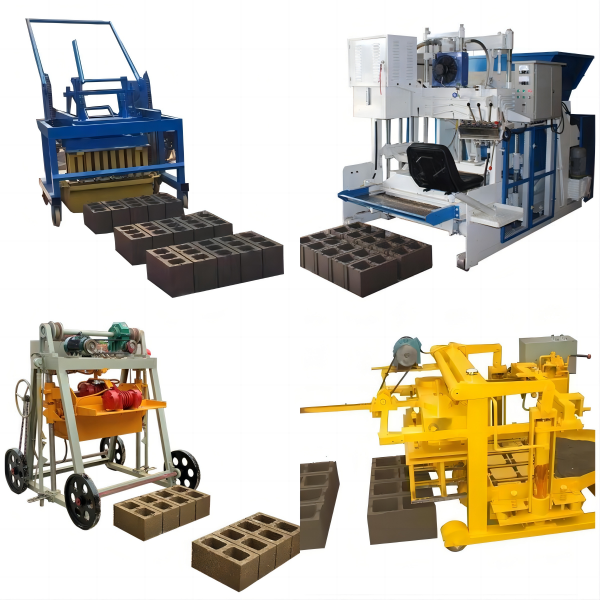
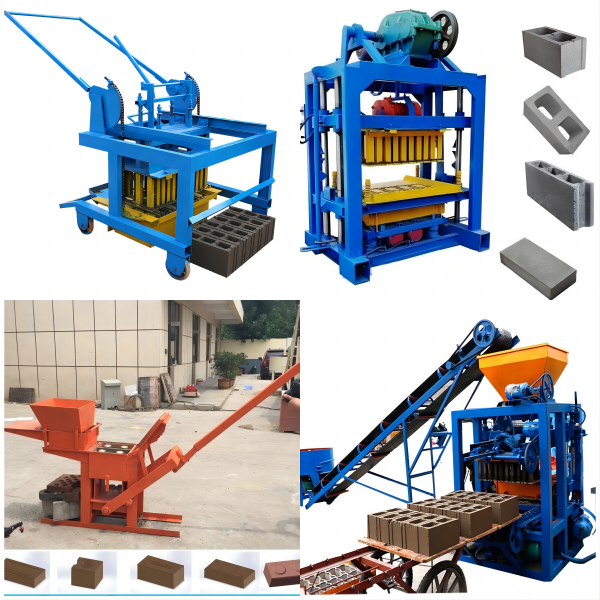
Ang mga maliit na makina ng paggawa ng ladrilyo ay mga kumpaktong yunit, kadalasang mobile o semi-nakatigil, na idinisenyo para sa paggawa ng solid, guwang, at magkakabit-kabit na mga ladrilyo, gayundin ang iba pang produktong batay sa semento. Kaiba sa malalaki at ganap na awtomatikong mga industriyal na bersyon nito, ang mga makina na ito ay nagbibigay-prayoridad sa kakayahang umangkop, abot-kayang halaga, at kadalian ng pagpapatakbo nang hindi isinasantabi ang kalidad ng produksyon.
1.1. Mga Pangunahing Prinsipyo ng Operasyon:
Karamihan sa maliliit na makina ay gumagana batay sa isa sa tatlong pangunahing prinsipyo:
- Pagyanig at Pagpiga:Ito ang pinakakaraniwang mekanismo. Ang timpla ng semento, buhangin, at agregado ay inilalagay sa isang hulma. Ang mataas na dalas ng panginginig, na kadalasang kasabay ng mekanikal o haydrolikong presyon, ay nagpapatibay sa timpla, inaalis ang mga hangin at tinitiyak ang siksik at matibay na produkto. Ang antas ng presyon ay direktang nauugnay sa lakas ng panggigipit ng ladrilyo.
- Pagpiga:Sa prosesong ito, ang semi-dry concrete mix ay pinipilit dumaan sa isang hulmahan upang makalikha ng tuloy-tuloy na haligi ng materyal, na pagkatapos ay pinuputol gamit ang alambre sa nais na sukat ng ladrilyo. Ang pamamaraang ito ay hindi gaanong karaniwan sa napakaliliit na makina ngunit mahusay sa paggawa ng solidong ladrilyo.
- Pagpiga sa Pamamagitan ng Haydroliko:Gamit ang lakas ng haydroliko, ang mga makina ay naglalapat ng malakas at kontroladong presyon sa mga hilaw na materyales sa loob ng isang molde. Ang pamamaraang ito ay nakalilikha ng mga ladrilyong may napakataas na tibay at presisyon, at kilala sa pagkakapare-pareho at mas mababang antas ng ingay habang tumatakbo.
2. Isang Detalyadong Tipolohiya ng Mga Makinang Magagamit
Upang mabisang maabot ang iba't ibang segmento ng merkado, mahalagang maunawaan ang mga uri ng makina na magagamit.
2.1. Ayon sa Paraan ng Pagpapatakbo:
- Mga Makina para sa Paggawa ng Bricks nang Manwal:Ito ang pinakapayak at pinakamurang opsyon para sa pagpasok sa industriya. Nangangailangan ang mga ito ng malaking lakas-paggawa para sa paghahalo, pagpapakain, at pagpapatakbo ng pingga o mekanismo na nagpapatigas sa mga ladrilyo. Angkop ang mga ito para sa napakaliit na proyekto, mga inisyatiba ng komunidad, o mga merkado na may napakababang gastos sa paggawa. Ang pangunahing bentahe nito ay ang mababang paunang puhunan.
- Semi-Automatic na Makina sa Paggawa ng Bricks:Ang kategoryang ito ay nagtataglay ng pinakamainam na balanse sa pagitan ng gastos at produktibidad. Karaniwang nilagyan ang mga makina ng motor na de-kuryente upang magpatakbo ng proseso ng panginginig at pagpapatibay. Bagaman kailangan pa rin ng mga operator na maglagay ng hilaw na materyales at mag-alis ng mga tapos na produkto, ang pangunahing proseso ng paghubog ay mekanisado na. Malaki ang naitutulong nito sa pagtaas ng produksyon at pagpapabuti ng pagkakapare-pareho, kung kaya't ito ang pinakasikat na kategorya para sa mga maliliit at katamtamang negosyo.
- Ganap na Awtomatikong Maliit na Makina ng Paggawa ng Brik At the higher end of the “small” spectrum, these units integrate a mixer, conveyor, and block-making system into a single, coordinated production line. They require minimal human intervention, primarily for monitoring and raw material loading. They offer the highest output and quality control in their class and are ideal for entrepreneurs aiming for a substantial production business.
2.2. By Production Output:
- Entry-Level Models (100-500 bricks per 8-hour shift): Ideal for individual homeowners, very small contractors, or pilot projects.
- Mid-Range Models (500-2,000 bricks per 8-hour shift): This is the sweet spot for most small businesses and construction companies serving local housing projects.
- High-Capacity Small Models (2,000-5,000+ bricks per 8-hour shift): These are robust machines suitable for established block yards and businesses supplying multiple construction sites.
3. The Compelling Value Proposition: Why This Market is Booming
The business case for distributing small brick making machines is built on powerful economic and practical drivers that resonate with end-users.
3.1. Economic Advantages for the End-User:
- Mababang Puhunan Compared to large industrial plants, the initial cost of a small brick making machine is accessible, opening the door for a wider range of entrepreneurs.
- Reduced Production Costs: On-site production eliminates transportation costs, which can constitute a major portion of brick expenses. Users can also source local raw materials, further reducing input costs.
- High Return on Investment (ROI): Due to the low operational cost and consistent demand for building materials, a well-managed brick production unit can often recoup its initial investment within a surprisingly short timeframe, sometimes as little as 6 to 12 months.
- Job Creation: Each machine facilitates the creation of several direct and indirect jobs, from operators to transporters and sales personnel, a factor that can be leveraged in marketing.
3.2. Operational and Logistical Flexibility:
- Produksyon sa Lokasyon: Bricks can be made exactly where they are needed, minimizing handling, breakage, and logistical complexities.
- Kakayahang I-customize: End-users can produce bricks in various sizes, shapes, colors, and even strengths to meet specific project requirements or architectural designs, a level of customization unavailable with mass-produced bricks.
- Utilization of Local Materials: Many machines are designed to work with locally available soil, sand, and even certain industrial by-products like fly ash, promoting sustainable practices and further cutting costs.
3.3. Contributing to Sustainable Development:
- Reduced Carbon Footprint: Localized production drastically cuts down on the fuel emissions associated with long-distance transportation of bricks.
- Potential for Eco-Friendly Products: Many entrepreneurs use these machines to produce compressed stabilized earth blocks (CSEBs) or fly ash bricks, which have a lower cement content and are considered more environmentally friendly than traditional fired clay bricks.
4. Critical Technical Specifications for Informed Procurement
When selecting machines to add to your inventory, a deep understanding of technical specifications is non-negotiable.
4.1. Core Performance Metrics:
- Oras ng Ikot: The time taken to produce one brick or one mold of bricks. A shorter cycle time means higher overall productivity.
- Brick Output per Hour/Day: This is the ultimate measure of a machine’s capacity and must be verified under realistic operating conditions.
- Pressure Capacity (for hydraulic models): Measured in kN or MPa, this indicates the compacting force and is a direct determinant of the final brick’s strength.
- Vibration Frequency and Amplitude: The effectiveness of the vibration system is critical for achieving proper compaction and a smooth finish.
4.2. Power Requirements and Machine Build:
- Motor Power (kW): Determines electricity consumption and the machine’s power. Options may include single-phase or three-phase motors to suit different regional electrical infrastructures.
- Construction Quality: The frame should be made of high-strength steel. The mold, a consumable part, should be manufactured from hardened, high-grade steel to ensure longevity and consistent product dimensions.
- Antas ng Automatisasyon: Decide on the mix of manual, semi-automatic, and fully automatic models to offer based on your target market’s technical expertise and investment capacity.
5. Strategic Marketing and After-Sales Support: Keys to Success for Distributors
Selling the machine is only the first step; selling a successful business outcome for your client is what builds a lasting reputation.
5.1. Identifying and Targeting Key Customer Segments:
- Small and Medium Construction Companies: They benefit from producing their own materials for projects.
- Mga Nangangarap na Negosyante: Individuals seeking to start a brick-making business.
- Agricultural Co-operatives: For producing paving slabs for dairy farms or building storage structures.
- Government and NGO Projects: For affordable housing, sanitation, and community development initiatives.
5.2. The Non-Negotiable Importance of After-Sales Service:
- Availability of Spare Parts: Stocking critical spares like molds, vibration motors, and hydraulic seals is essential. Long lead times for parts can severely damage your brand’s credibility.
- Technical Training: Offer comprehensive training for the end-user’s operators on machine use, maintenance, and basic troubleshooting.
- On-Ground Support: Having a network of technicians who can provide installation and repair services is a significant competitive advantage.
Conclusion: Positioning Your Business at the Forefront of a Building Revolution
The small brick making machine is far more than a piece of industrial equipment; it is an engine of local economic development, a tool for sustainable construction, and a gateway to entrepreneurship. For distributors and procurement agents, this product category offers a high-growth, high-value opportunity with a tangible social impact. The market dynamics of urbanization, infrastructure needs, and the drive for cost efficiency are powerful tailwinds that show no sign of abating.
Success in this field requires a strategic approach: a deep technical understanding of the product range, a clear analysis of customer segments, and an unwavering commitment to robust after-sales support. By building a portfolio of reliable, efficient machines and coupling it with exceptional service, your business can become a cornerstone supplier in this vibrant and essential industry, helping to build the future, one brick at a time.
Mga Madalas Itanong (FAQ)
Q1: What is the typical range of raw materials that can be used with these machines?
These machines are highly versatile. They can process a standard concrete mix (cement, sand, and aggregate), soil (for stabilized earth blocks), and industrial by-products like fly ash or slag. The specific mix design and required cement ratio will depend on the desired strength of the final product and local material availability.
Q2: How strong are the bricks produced by small-scale machines?
The compressive strength can vary significantly based on the machine type, pressure applied, and raw material mix. Bricks from a good quality hydraulic or vibratory machine can easily achieve strengths between 7 MPa and 15 MPa, which is more than sufficient for one-to-two-story residential construction and most paving applications. Higher strengths are achievable with optimized mixes and higher-pressure machines.
Q3: What kind of space and foundation is required to operate one of these machines?
A semi-automatic machine typically requires a covered area of about 100 to 200 square meters for the machine itself, raw material storage, and a curing area. The machine should be installed on a level, solid concrete floor to ensure stability during the vibration process. Fully automatic lines require more space to accommodate conveyors and ancillary equipment.
Q4: What is the lead time for a customer to become proficient in operating the machine?
For a semi-automatic machine, a basic operator can be trained to achieve competent production within a few days to a week. Mastering mix designs for different products and performing basic maintenance may take a few weeks of hands-on experience. Comprehensive training from the distributor is crucial to accelerate this learning curve.
Q5: Are there significant differences in the operational costs between manual, semi-automatic, and automatic models?
Yes. Manual machines have the lowest upfront cost but the highest ongoing labor cost per brick. Semi-automatic machines have a higher initial investment but a much lower labor cost and higher, more consistent output. Fully automatic machines have the highest capital cost but the lowest per-unit labor cost and the highest overall efficiency. The choice depends on the client’s production volume and budget.
Q6: How critical is the after-sales support, and what should we look for in a supplier?
After-sales support is arguably the most critical factor for long-term success. When evaluating a supplier, prioritize those who offer comprehensive technical documentation, readily available spare parts (especially molds and wear parts), and a clear channel for technical support, whether remotely or through local service technicians. A supplier’s commitment to after-sales service is a direct reflection of their product’s quality and their reliability as a business partner.