
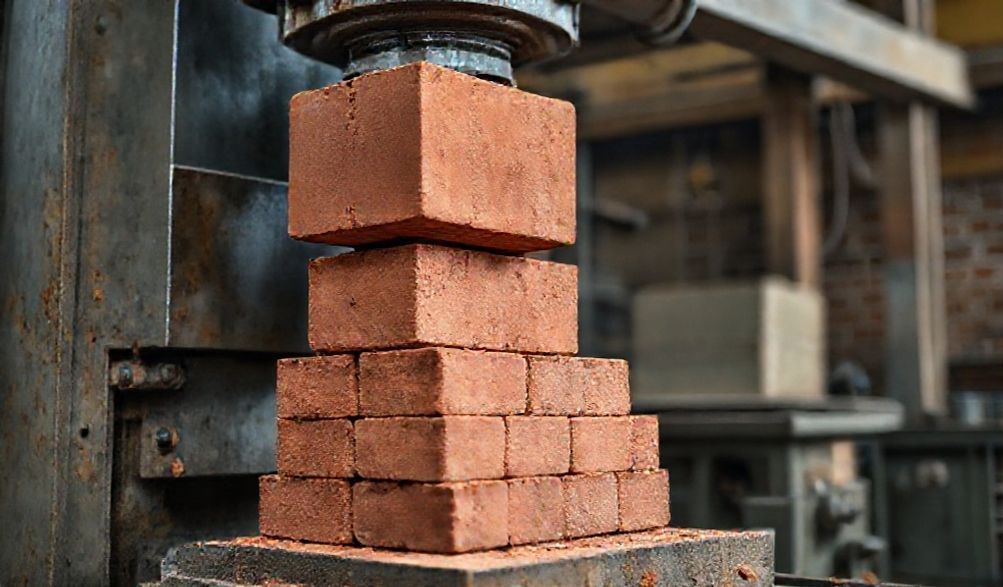
Ang Kumpletong Gabay sa Paggawa ng Machine Brick: Kahusayan, Mga Uri, at Proseso
Panimula
Ang pandaigdigang industriya ng konstruksyon ay naglalagay ng mahigit 1.5 trilyong bricks taun-taon, isang pangunahing pangangailangan na nagpasimula ng malalim na pagbabago mula sa tradisyonal na paghubog-kamay tungo sa mekanisadong produksyon. Ang gabay na ito sa makabagongmakina ng paggawa ng ladrilyoIto ay pinagsama-sama mula sa mga dekada ng kolektibong karanasan sa industriya, mga teknikal na espesipikasyon, at datos ng operasyon mula sa mga matagumpay na planta sa buong mundo. Dito, tinutukoy namin ang "machine brick making" bilang ang awtomatiko o semi-awtomatikong proseso ng paggawa ng mga ladrilyo gamit ang mga espesyalisadong makinarya, isang pamamaraan na nagdulot ng rebolusyon sa pagkakapare-pareho, sukat, at ekonomiya sa konstruksyon.
Kung ikaw ay isang kontratista na tumatasa ng produksyon sa mismong lugar, isang negosyanteng nasa konstruksyon na nagpapalawak ng iyong negosyo, isang inhinyerong sibil na tumutukoy ng mga materyales, o isang project manager na nag-o-optimize ng mga gastos, ang gabay na ito ay magsisilbing iyong komprehensibong sanggunian. Bubusisiin natin ang mga pakinabang, tutuklasin ang mga pangunahing uri ng makinarya, dadaanin nang sunud-sunod ang proseso ng produksyon, at magbibigay ng isang kritikal na balangkas para sa pagpili at pagpapanatili ng mga kagamitan. Ang layunin namin ay bigyan ka ng kaalaman upang makagawa ng mga maalam at kumikitang desisyon para sa iyong mga proyekto at negosyo.
Bakit Piliin ang Makinang Gawang Bricks? Mga Pakinabang Higit sa Pamamaraang Manwal
Ang paglipat mula sa manwal patungo sa mekanisadong paggawa ng ladrilyo ay hindi lamang pagbabago sa sukat; ito ay isang pangunahing pagpapahusay sa kalidad, ekonomiya, at kakayahan. Ang pag-unawa sa mga pakinabang na ito ay susi upang bigyang-katwiran ang pamumuhunan.
Walang Kapantay na Pagkakapare-pareho at Kalidad
Ang mga ladrilyong gawa ng makina ay kasingkahulugan ng kawastuhan. Tinitiyak ng proseso ang:
* Katumpakan ng Dimensiyon:Ang bawat ladrilyo ay sumusunod sa tiyak na mga sukat ng haba, lapad, at taas, na nagpapadali sa paglalagay ng ladrilyo at nagbabawas sa paggamit ng mortar.
* Pantay na Pagpiga:Ang haydroliko o mekanikal na presyon ay pantay na nagpapatigas sa hilaw na materyal sa buong ladrilyo, na nag-aalis ng mga mahinang bahagi.
* Patuloy na Integridad ng Estruktura:Ang pantay na densidad nito ay nagreresulta sa maaasahang lakas ng pagpiga, sa bawat batch, na nagsisiguro ng mahuhulaang pagganap sa mga pader na nagdadala ng bigat.
Dramatikong Pagtaas ng Produksyon
Ang bilis ang dahilan kung bakit ang makinarya ay nagpapalayo sa gawaing manual. Ang produksyon ay sinusukat sa bilang ng ladrilyo bawat oras, hindi bawat araw.
* Ang isang pangunahing manuwal na pindutin ay maaaring makagawa ng 500-1,000 na ladrilyo sa loob ng 8-oras na pagtatrabaho.
* Ang isang semi-awtomatikong makina ay maaaring makapag-prodyus ng 2,000 hanggang 5,000 na ladrilyo sa parehong panahon.
* Ang isang ganap na awtomatikong planta ay maaaring lumampas sa 20,000 brick bawat araw na may kaunting pakikialam ng tao.
Ang ganitong kahusayan ay nagbibigay-daan sa iyo na matugunan ang mahigpit na mga deadline ng proyekto at tumanggap ng mas malalaking kontrata.
Malaking Pagtitipid sa Paggawa at Gastos
While the initial investment is higher, the long-term economics are compelling.
* Reduced Skilled Labor Dependency: The machine standardizes the skill, reducing reliance on highly experienced molders.
* Mas Mababang Halaga Bawat Yunit: At scale, the cost of production per brick plummets due to higher output and optimized labor.
* Ang Pangmatagalang Return on Investment (ROI): The return on investment is realized through consistent, high-volume production, often paying back the machine cost within a few years for active operations.
Enhanced Material Control and Versatility
Machines offer superior command over the production variables.
* Precise Mix Control: You can accurately replicate mix designs for cement, sand, aggregate, or clay, ensuring optimal strength and durability.
* Adaptability: With a simple mold change, a single machine can produce various products: solid blocks, hollow blocks, interlocking bricks for dry-stacking, or paving slabs. This flexibility allows you to cater to diverse market needs.
Core Types of Brick Making Machines
Selecting the right machine hinges on understanding the categories available. Each type serves a specific operational scale and business model.
Ganap na Awomatikong Makina ng Paggawa ng Bricks
These are complete, integrated production lines.
* Paglalarawan: They automate the entire process—from raw material feeding and mixing to conveying, molding, curing, and sometimes even palletizing. They often use programmable logic controllers (PLCs) for operation.
* Ideal na Mga Kaso ng Paggamit: Large-scale brick manufacturing plants, high-volume commercial block suppliers, and major infrastructure projects with a dedicated, permanent production site.
Mga Semi-Awtomatikong Makina ng Paggawa ng Bato
The perfect balance between automation and affordability.
* Paglalarawan: The core molding and compaction process is mechanized (often via a hydraulic system), but certain steps like feeding the raw material into the hopper or removing and stacking “green” bricks require operator assistance.
* Ideal na Mga Kaso ng Paggamit: Medium-scale enterprises, growing construction businesses, and entrepreneurs looking to scale up from manual production without the capital outlay for a full automatic line.
Manual (Hand-Operated) Brick Press Machines
The entry point into mechanized production.
* Paglalarawan: These are lever-operated or small hydraulic press machines where the operator provides the physical force or controls a manual hydraulic pump to compact the material in a mold.
* Ideal na Mga Kaso ng Paggamit: Small startups, community-led projects, rural construction with limited electricity, and operations with very low daily brick requirements. They are low-cost and portable.
Mobile Brick Making Machines
Production on wheels, for maximum logistical efficiency.
* Paglalarawan: These are compact, trailer-mounted units (often semi-automatic) that can be towed directly to a construction site.
* Ideal na Mga Kaso ng Paggamit: Remote construction sites (like dams or roads), large housing projects where transporting finished bricks is costly, and businesses that serve multiple, dispersed locations. They slash transportation costs dramatically.
The Step-by-Step Machine Brick Making Process
A deep dive into the process reveals the engineering behind a simple brick. This procedural knowledge is crucial for quality control.
Stage 1: Raw Material Selection and Preparation
The foundation of a quality brick lies in its raw materials.
* Selection: The primary material varies—it could be clay, a cement-sand-aggregate mix, or fly ash. Soil testing for clay (checking composition, plasticity) is essential.
* Preparation: Raw materials are crushed (if needed), screened to remove debris and oversized particles, and then proportioned according to a precise mix design.
Stage 2: Mixing and Conditioning
Consistency is born here.
* The proportioned materials are fed into a mixer—a pan mixer or paddle mixer is common.
* Water is added gradually to achieve the optimal moisture content (typically 8-10% for cement-based blocks). The goal is a homogenous, workable mix that will compact well without being soggy.
Stage 3: Molding and Compaction
This is the heart of makina ng paggawa ng ladrilyo.
* The conditioned mix is fed into the machine’s hopper.
* It is then conveyed into a mold cavity (the shape of the final brick).
* A hydraulic ram or mechanical press applies intense pressure (often measured in tons) to compact the mix, forming a dense, coherent “green brick.”
* The mold is then lifted or opened, and the green brick is ejected onto a pallet or conveyor.
Stage 4: Curing and Drying
Strength development happens in this critical phase.
* For Cement Bricks (Curing): Green bricks are moved to a curing chamber or area where they are kept moist and at a controlled temperature for 14-28 days. This allows the cement to hydrate fully and achieve its design strength.
* For Clay Bricks (Drying & Firing): Green bricks must be dried slowly to prevent cracking before being fired in a kiln at high temperatures (900°C – 1200°C) to achieve hardness and durability.
Stage 5: Storage and Palletizing
- Once fully cured or fired, bricks are stacked on pallets using forklifts or manual labor.
- They should be stored in a flat, dry area, with stacks stable and not exceeding safe heights to prevent toppling and edge damage.
Key Factors When Selecting a Brick Making Machine
Choosing equipment is a strategic decision. This framework will guide your evaluation.
Pagtatasa ng Iyong Pangangailangan sa Kapasidad ng Produksyon
- Calculation: Analyze your current and projected project pipelines. How many bricks do you need per day or per month? Always choose a machine with a capacity 20-30% above your calculated need to account for growth and maintenance downtime.
Understanding Raw Material Availability
- Match Machine to Material: Is your region rich in clay? Then a clay brick machine (possibly with a kiln) is suitable. Is cement and sand more accessible? Opt for a concrete block machine. Some machines are specifically designed for fly ash or recycled aggregates.
Power Source Considerations: Electric, Diesel, or Hybrid?
- Kuryente: Cleaner, quieter, and lower operating cost, but requires a reliable grid connection.
- Diesel: Offers complete independence and mobility, ideal for remote sites, but has higher fuel costs and emissions.
- Hybrid: Some models offer the flexibility to switch between power sources, providing excellent adaptability.
Budget Analysis: Machine Cost vs. Total Investment
The machine’s price tag is just one component. Factor in:
* Upfront machine cost
* Installation and foundation costs
* Auxiliary equipment (mixer, conveyor, pallets)
* Cost of raw material handling equipment
* Maintenance budget and spare parts
* Operator training costs
Supplier Reputation and After-Sales Support
This is perhaps the most critical factor for long-term success and directly impacts Pagkakatiwalaan.
* Choose a supplier with a proven track record and technical expertise.
* Verify the availability of spare parts and the responsiveness of their service team.
* A solid warranty and the provision of comprehensive training (installation, operation, maintenance) are non-negotiable for protecting your investment.
Maintaining Your Brick Making Machine for Longevity
Regular maintenance is the cheapest insurance policy. It prevents costly breakdowns and ensures consistent brick quality.
Daily and Weekly Maintenance Checklists
- Daily: Clean the machine thoroughly at the end of each shift, especially the mold cavity and hopper. Check hydraulic oil levels and look for leaks. Visually inspect all components.
- Weekly: Lubricate all moving parts as per the manual. Check and tighten all bolts and nuts. Inspect the mold for wear or damage.
Troubleshooting Common Operational Issues
- Cracked Bricks: Often caused by incorrect moisture content (too wet or too dry) in the mix or excessive vibration during ejection.
- Poor Compaction/Weak Bricks: Insufficient hydraulic pressure, incorrect mix proportions, or overly dry material.
- Sticking in Mold: Worn mold liners, insufficient release agent, or a mix that is too wet.
- Hydraulic Leaks: Check and replace worn seals or hoses immediately.
Seasonal Maintenance Tips
- Humid/Rainy Seasons: Protect electrical components from moisture. Cover the machine when not in use. Consider using rust-preventative sprays on exposed metal.
- Freezing Conditions: If using water in the mix, ensure all lines are drained to prevent freezing and cracking. Store the machine in a sheltered location if possible.
Frequently Asked Questions (FAQ) About Machine Brick Making
Q1: What is the average cost of setting up a small-scale brick making machine plant?
Costs vary widely based on automation. A basic manual press setup can start from $2,000 – $5,000. A semi-automatic operation with a mixer and basic equipment might range from $15,000 to $50,000. Fully automatic plants begin at $100,000+. Key variables are machine type, power source, and required auxiliary equipment.
Q2: Can brick making machines use recycled materials like fly ash or construction waste?
Absolutely. Fly ash brick machines are specifically designed to use this industrial byproduct, creating an eco-friendly product. Certain concrete block machines can also incorporate processed construction and demolition (C&D) waste as aggregate, supporting circular economy principles in construction.
Q3: How many workers are needed to operate a semi-automatic brick making machine?
Typically, a crew of 3-5 is efficient. Roles include: 1-2 workers feeding the mixer and hopper, 1 operator controlling the machine, and 1-2 workers removing and stacking green bricks for curing.
Q4: What is the typical payback period for an investment in a brick making machine?
The payback period can range from 1 to 3 years for a well-managed operation. It depends heavily on local brick market prices, your production volume and utilization rate, operational efficiency, and raw material costs. High-demand areas with efficient production see faster returns.
Q5: Are machine-made bricks as strong as traditional fired clay bricks?
Yes, and often stronger. While high-quality fired clay bricks are excellent, machine-made cement concrete blocks or compressed earth blocks can be engineered to meet or exceed standard compressive strength requirements (e.g., ASTM C90 for concrete masonry units). The key is proper mix design, compaction, and curing.
Conclusion
Machine brick making represents a transformative leap for the construction sector, delivering unparalleled consistency, scalability, and cost-effectiveness. Success in this endeavor, however, hinges on two pillars: deep knowledge of the process and a strategic partnership with reliable equipment and suppliers.
By understanding the types of machines, the science of the production process, and the critical factors in selection and maintenance, you are equipped to make a decision that will build the foundation for your projects—and your business—for years to come. This investment is not just in metal and hydraulics; it’s an investment in precision, efficiency, and growth.
Ready to move from theory to action? Contact our industry specialists today for a personalized consultation to match the ideal brick making machine to your specific production goals, budget, and local material conditions.
<