
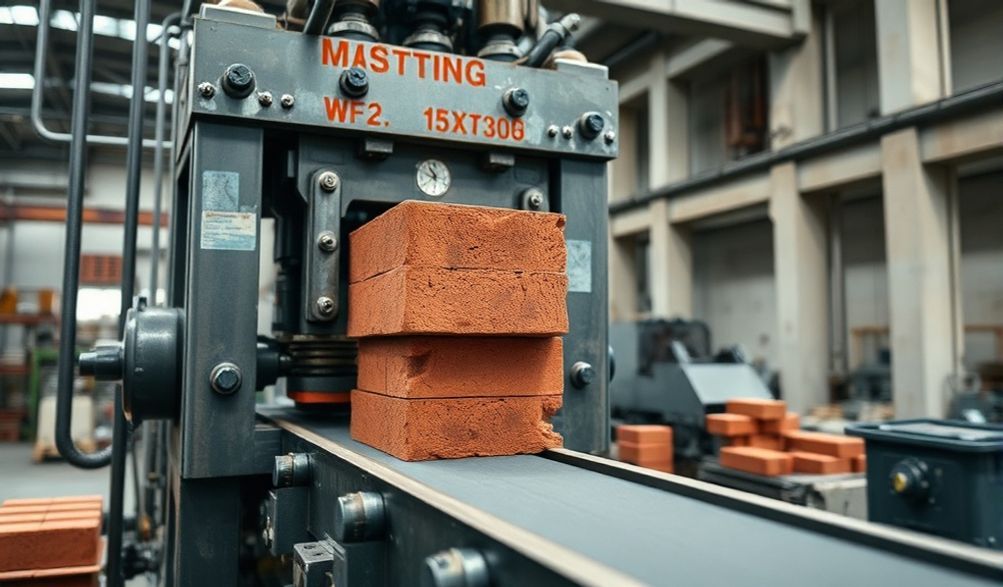
Ang FTL510 Clay Brick Machine: Isang Komprehensibong Gabay para sa Makabagong Produksyon ng Brik
Sa isang panahon na tinutukoy ng mabilis na urbanisasyon at lumalagong diin sa sustainable na konstruksiyon, ang pangangailangan para sa matibay, maaasahan, at eco-friendly na mga materyales sa paggawa ng gusali ay hindi pa kailanman naging mas mataas. Ang clay brick, isang walang kamatayang materyal na may libu-libong taon ng napatunayang pagganap, ay nananatiling nasa unahan. Gayunpaman, ang mga pamamaraan ng paggawa nito ay sumailalim sa isang rebolusyonaryong pagbabago. Narito angFTL510 makina ng ladrilyong luadIsang mahalagang piraso ng teknolohiyang ininhinyero upang matugunan ang mahigpit na pangangailangan ng moderno at malakihang pagmamanupaktura ng ladrilyo. Ang makinaryang ito ang siyang mahalagang tulay sa pagitan ng hilaw at likas na luad at ng mga ladrilyong tiyakang ininhinyero na siyang nagpapatayo ng ating mundo.
Sa loob ng mga dekada, ang tradisyonal na paggawa ng ladrilyo ay pinahihirapan ng mga hamon: mga prosesong mabigat sa paggawa, hindi pantay na kalidad ng produkto, mataas na gastos sa pagpapatakbo, at malaking epekto sa kapaligiran dahil sa paggamit ng enerhiya at basura. Ang mga hindi episyenteng ito ay humahadlang sa kita at pagpapalawak. Ang solusyon ay nasa advanced na automation at inhinyeriya. Ang FTL510 clay brick machine ay isang malaking hakbang sa teknolohiya, dinisenyo upang mapataas ang produktibidad, garantiyahan ang walang katulad na pagkakapare-pareho, at i-optimize ang buong operasyon ng produksyon mula sa hilaw na materyal hanggang sa tapos na pallet.
Ang gabay na ito ay nagsisilbing mapagkakatiwalaang, dalubhasang sanggunian. Susuriin natin ang FTL510, lampas sa mga brochure ng pagbebenta upang maibigay sa mga plant manager, procurement officer, at inhinyero ang malalim at praktikal na pag-unawa sa kakayahan, aplikasyon, at kabuuang halaga nito. Ang aming pagsusuri ay nakabatay sa mga teknikal na detalye, nangungunang pamantayan sa industriya, at maliwanag na pananaw sa mga kinakailangan upang matagumpay na isama ang naturang makina sa inyong operasyon.
Ano ang FTL510 Clay Brick Machine? Ipinaliwanag ang Core Technology
The FTL510 is not just a machine; it’s a system engineered for reliable, high-output production. Positioned typically as a medium-to-high-capacity hydraulic press, its core function is to transform properly prepared clay mix into densely compacted, precisely shaped bricks with remarkable efficiency. It’s the workhorse at the heart of a modern brick plant, where consistency and throughput are king.
Machine Overview and Design Philosophy
The design philosophy behind the FTL510 centers on robust performance, operational simplicity, and longevity. It is built for continuous, demanding production cycles. Unlike manual or small-scale machines, the FTL510 operates with a high degree of automation, significantly reducing direct human intervention in the pressing cycle. Its design focuses on creating a stable, powerful platform where immense hydraulic pressure is applied with precision to ensure every single brick meets specification.
Key Technical Specifications and Components
Understanding the specs is key to evaluating fit. While exact numbers can vary by manufacturer, a typical FTL510-class machine will feature:
- Pressure Capacity: A defining feature, often ranging from 510 to 600 tons of pressing force. This high pressure is crucial for producing high-density, load-bearing bricks.
- Produksyon ng Output:May kakayahang makagawa ng2,000 to 3,500 standard bricks per hour, depending on brick type and cycle time optimization.
- Lakas ng Motor: Powered by a substantial electric motor, typically in the range of 45-55 kW, to drive the hydraulic system.
- Mga Dimensyon at Timbang: A heavy-duty machine requiring a solid foundation, often weighing over 10 tons and needing significant floor space for operation and maintenance access.
Core Components Breakdown:
- Heavy-Duty Frame: The machine’s backbone, constructed from high-strength steel to withstand constant high-pressure stresses without deformation.
- Sistema ng Haydroliko: The heart of the machine. Comprising pumps, valves, cylinders, and accumulators, it delivers the smooth, controllable force required for compaction.
- Mold & Die System: The tooling that defines the brick’s shape. Made from hardened, wear-resistant steel, these interchangeable molds allow production of different brick types.
- Advanced Control Panel: Often featuring a Programmable Logic Controller (PLC) and human-machine interface (HMI) for setting pressure, cycle times, and monitoring machine status.
- Feeding & Ejection System: Integrated mechanisms for automated material feeding and orderly ejection of pressed bricks onto conveyor belts or pallets.
The Production Process: From Clay to Finished Brick
The operation is a continuous, cyclic process:
- Pagpapakain: The prepared, tempered clay mixture is automatically fed into the mold box cavity.
- Pagpapatigas: The hydraulic ram descends with immense, controlled force, compressing the clay to its final shape and density. This stage may involve multiple pressure profiles for optimal results.
- Pag-eject: The mold opens, and the newly formed, “green” brick is gently pushed out onto a conveyor or pallet.
- Palletizing/Conveying: The brick is transferred for the next stages: drying and firing.
This automated cycle repeats with precise timing, maximizing output and minimizing variation.
Advantages of Using the FTL510 Brick Making Machine
Investing in an FTL510 translates into tangible competitive advantages for your brick manufacturing business.
Walang Kapantas na Kahusayan at Mataas na Produksyon
The machine’s automation and rapid cycle times are game-changers.
* It operates continuously with minimal pauses, producing thousands of bricks per shift.
* It drastically reduces dependency on large manual labor crews for the pressing operation, reallocating human resources to supervision, quality control, and logistics.
* The consistent cycle time allows for accurate production forecasting and planning.
Superior Brick Quality and Consistency
This is where engineering excellence shines.
* The high tonnage pressure creates bricks with exceptional density and low porosity, leading to superior compressive strength, frost resistance, and durability.
* Precision-engineered molds and guided movements ensure every brick has identical dimensions, simplifying bricklaying and improving structural aesthetics.
* This consistency builds your brand’s reputation for reliability in the market.
Durability and Low Maintenance Design
Built for the long haul, the FTL510 emphasizes reliability.
* Critical wear parts like molds and liners are made from specially hardened steels to extend service life.
* The design often incorporates centralized lubrication points and easily accessible service panels to simplify routine maintenance.
* A robust construction minimizes breakdowns, ensuring higher uptime and productivity.
Cost-Effectiveness and ROI
While the initial investment is significant, the total cost of ownership tells a compelling story.
* Pag-iimpok sa Paggawa: Automation significantly reduces direct wage costs per brick produced.
* Kahusayan sa Materyales: Precise compaction and consistent output reduce waste from off-spec products.
* Energy per Unit: Modern hydraulic and drive systems are designed to be more energy-efficient per brick than older, less controlled machines.
* A clear ROI timeline, often between 1.5 to 3 years depending on scale and market, can be established based on increased output and reduced operational costs.
Key Applications and Brick Types Produced
The versatility of the FTL510 makes it a valuable asset for a wide range of production goals.
Versatile Product Range
Through quick-change mold systems, the FTL510 can produce an extensive array of clay products:
* Masinsinang Bricks: For general construction and load-bearing walls.
* Perforated Bricks: Lighter weight with excellent thermal and acoustic insulation properties.
* Hollow Blocks: Larger format blocks for faster construction, often used in partitions.
* Paving Bricks (Clay Pavers): Dense, durable bricks for driveways, walkways, and patios.
* Special Shapes: Custom molds can produce bricks for landscaping, edging, or architectural features.
Ideal For Which Industries and Projects?
The FTL510 is perfectly suited for:
* Medium to Large-Scale Brick Manufacturing Plants: Looking to upgrade capacity, quality, and automation.
* Construction Material Suppliers & Distributors: Aiming to control their supply chain and product quality.
* Mga Pangunahing Proyekto sa Imprastruktura: Requiring a dedicated, on-site supply of specific bricks (e.g., for a large housing development or industrial complex).
* Government and Industrial Development Corporations: Establishing modern brick plants to support regional construction needs.
Critical Considerations Before Purchasing an FTL510
A successful investment requires thorough due diligence. Here are the key factors to evaluate.
Assessing Your Production Needs and Raw Materials
- Output: Calculate your required daily/monthly output to ensure the FTL510’s capacity matches your business plan.
- Clay Quality: The machine requires properly prepared clay with consistent moisture content and particle size distribution. Test your raw materials.
- Product Mix: Define the types of bricks you will produce most frequently to discuss the optimal mold portfolio with your supplier.
Factory Space, Power, and Utility Requirements
- Kosmos: You need ample space not just for the machine, but for material handling, pallet storage, and maintenance access. A strong, level concrete foundation is non-negotiable.
- Kapangyarihan: Ensure your facility can supply the required 3-phase electrical power (e.g., 380V/50Hz or 440V/60Hz) with adequate amperage.
- Ancillary Equipment: Budget for and plan the integration of necessary supporting equipment: clay crushers, mixers, conveyors, and de-airing extruders if needed.
Supplier Evaluation: Ensuring Quality and Support
Your choice of manufacturer is as critical as the machine itself. Use this checklist:
* Company History & Reputation: How long have they been building such machinery? Research their track record.
* Mga Sertipikasyon: Look for international quality and safety certifications like ISO and CE marking.
* Suportang Teknikal: Is 24/7 remote support available? What is the structure for on-site service?
* Spare Parts Supply: Is there a guaranteed inventory of critical spare parts? What is the typical delivery time?
* Client Portfolio & Testimonials: Ask for references and, if possible, visit an existing installation.
Understanding the Total Cost of Ownership
Look beyond the sticker price. The true cost includes:
* Machine Price & Shipping
* Installation & Commissioning Fees
* Operator & Maintenance Training
* Cost of Initial Spare Parts Kit
* Ongoing Energy Consumption
* Annual Maintenance Contract Costs
Operational Guide and Maintenance Best Practices
Proper operation and care are essential to realizing the machine’s full lifespan and potential.
Safe Installation and Setup Procedures
- Professional Installation: Always use factory-trained or approved technicians for installation and initial calibration.
- Foundation: Follow the manufacturer’s exact specifications for the concrete foundation to prevent vibration and misalignment.
- Initial Calibration: Precisely set hydraulic pressures, cycle timers, and sensor positions before commencing production.
Daily Operation and Optimization Tips
- Consistent Feed Material: Ensure the clay mix has uniform moisture and consistency to prevent jams and ensure quality.
- Monitor Gauges: Regularly check hydraulic pressure and system temperature during operation.
- Keep it Clean: Implement a “clean as you go” policy to prevent clay buildup on moving parts and sensors.
Essential Maintenance Schedule for Longevity
Adhere to a strict preventive maintenance schedule:
* Daily: Clean the machine, check fluid levels, inspect for leaks, and lubricate guide rails.
* Weekly: Tighten critical bolts and fittings, inspect hydraulic hoses for wear, and check mold alignment.
* Monthly/Annually: Perform more in-depth checks as per the manual, including hydraulic fluid analysis, valve servicing, and comprehensive system inspection by a qualified technician.
FTL510 vs. Other Brick Making Machines
Comparison with Manual and Smaller Semi-Automatic Machines
The FTL510 operates in a different league. Manual and small semi-automatic machines are low-capital-cost options but are severely limited by:
* Output: They produce a fraction of the bricks per hour.
* Paggawa: They are highly labor-dependent and physically demanding.
* Pagkakapare-pareho: Product quality varies significantly with operator skill and fatigue.
The FTL510 is for scaling a business; smaller machines are for artisanal or very small-scale production.
Comparison with Other Automatic Models in its Class
When comparing similar-capacity automatic presses, focus on:
* Pressure Control: The sophistication of the hydraulic system for smooth, adjustable pressure.
* Enerhiyang Mabisâ: Designs with variable-speed drives or accumulator systems can reduce power consumption.
* Antas ng Automation: Features like automatic mold changing, advanced fault diagnostics, and data logging for production analysis.
* Service & Support: The supplier’s local presence and commitment to after-sales service often become the deciding factor.
Mga Madalas Itanong (FAQ)
Q1: What is the approximate production capacity of the FTL510 clay brick machine per hour?
Isalin ang teksto sa Filipino. I-output LAMANG ang isinalin na teksto. The FTL510 typically produces between 2,000 to 3,500 standard solid bricks per hour, depending on the specific brick type and the optimized cycle time settings.
Q2: What types of clay or raw materials are suitable for the FTL510?
Isalin ang teksto sa Filipino. I-output LAMANG ang isinalin na teksto. It works best with properly prepared clay that has a consistent moisture content (typically between 15-20%) and a well-graded particle size. It can handle a mix of clay, shale, and certain industrial by-products like fly ash, provided they are correctly processed before pressing.
Q3: Does the machine come with a warranty, and what does it cover?
Isalin ang teksto sa Filipino. I-output LAMANG ang isinalin na teksto. Reputable manufacturers offer a warranty, usually for 12-18 months for major components like the frame and hydraulic system, covering defects in materials and workmanship. Wear parts like molds may have a shorter warranty. Always get the warranty terms in writing.
Q4: What is the lead time for delivery and installation after ordering?
Isalin ang teksto sa Filipino. I-output LAMANG ang isinalin na teksto. Lead times vary but generally range from 60 to 120 days from order confirmation, depending on manufacturer workload, customization, and shipping logistics to your destination port.
Q5: Can you provide training for our operators, and is technical support available remotely?
Isalin ang teksto sa Filipino. I-output LAMANG ang isinalin na teksto. Yes, comprehensive on-site training for operators and maintenance staff should be part of the purchase. Most suppliers also offer ongoing technical support via phone, email, and video call for troubleshooting.
Q6: How energy-efficient is the FTL510 compared to older models?
Isalin ang teksto sa Filipino. I-output LAMANG ang isinalin na teksto. Modern FTL510 models incorporate energy-saving features like more efficient hydraulic pumps and PLC-controlled cycles that reduce idle time, making them significantly more energy-efficient per brick produced than older generation presses.
Q7: Are spare parts readily available, and how do we order them?
Isalin ang teksto sa Filipino. I-output LAMANG ang isinalin na teksto. Established manufacturers maintain a spare parts inventory. You should receive a parts manual and be able to order directly through your supplier’s service department. Confirm the availability of a critical spare parts kit with your initial order.
Konklusyon
AngFTL510 makina ng ladrilyong luad stands as a robust, efficient, and quality-centric solution engineered for the demands of modern brick production. It successfully addresses the core challenges of traditional manufacturing by delivering high output, unwavering consistency, and a strong return on investment. By automating the most critical stage of production, it allows businesses to scale reliably, reduce operational variability, and build a reputation for superior product quality.
Making an investment of this scale requires informed decision-making. We encourage you to conduct thorough due diligence: request detailed technical datasheets, ask for client references, and, if possible, arrange a virtual or in-person factory tour to see the machine in action. A reputable, experienced manufacturer will be your partner in this process, providing the transparency and support you need.
Ready to transform your brick production capabilities? Contact our team of engineering specialists today to discuss your specific project requirements, receive a detailed quotation for the FTL510, and schedule a consultation to see how this powerful machine can drive the future growth of your business.
<