
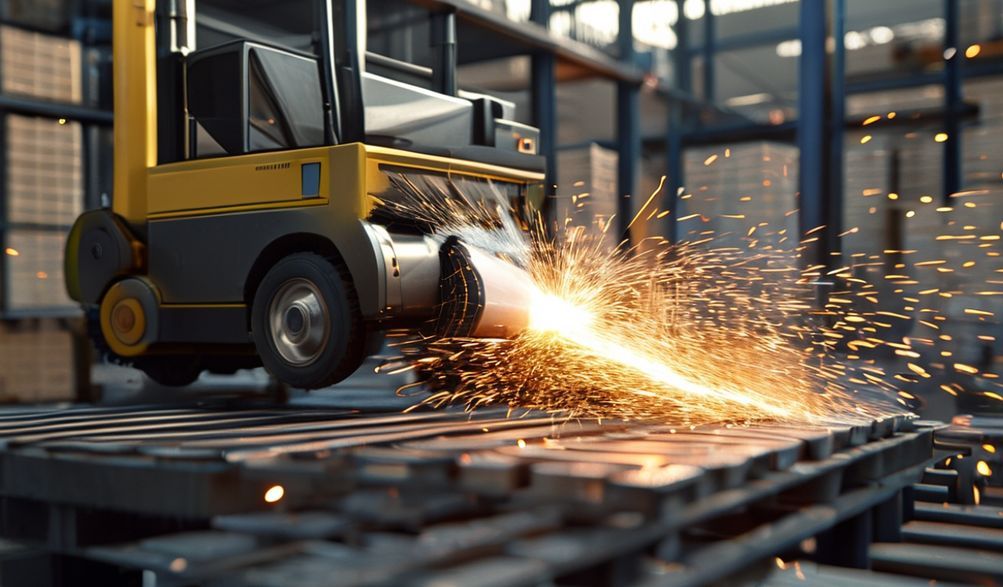
The Ultimate Guide to Block Industry Machines: Types, Uses, and How to Choose
From the foundations of suburban homes to the soaring walls of urban skyscrapers, concrete blocks are the unsung heroes of modern construction. This ubiquitous building material offers unparalleled strength, durability, and versatility. But behind every sturdy block is a powerful piece of engineering: the block industry machine. These machines transform raw materials into the precise, reliable components that build our world.
This ultimate guide serves as your comprehensive, expert-backed resource. Whether you’re a contractor evaluating on-site production, a builder looking to understand your materials better, or an entrepreneur eyeing the manufacturing sector, we provide trustworthy, in-depth knowledge. We’ll answer your core questions: What types of block making machines exist? What are their specific applications? And most critically, how do you select the right one for your project or business venture? We will explore the different machine types, break down key selection criteria, outline best practices for operation, and examine the compelling business case for modern equipment.
Understanding Block Industry Machinery: Core Concepts and Components
Before diving into types and models, it’s essential to grasp what these machines do and how they are built. This foundational knowledge will empower you to make informed comparisons and understand technical specifications.
What is a Block Industry Machine?
A block industry machine is a broad term for equipment designed to manufacture concrete masonry units (CMUs). This includes standard hollow blocks, solid bricks, paving stones, kerbstones, and interlocking blocks. The core principle across all types is the transformation of a semi-dry concrete mix into a dense, shaped product through a process of compaction and molding.
The basic production cycle involves four key stages:
1. Paghahalo: Combining cement, aggregates (like sand and crushed stone), and water to create a uniform, workable mix.
2. Paghuhulma: Feeding the mix into a mold cavity of the desired shape and size.
3. Pagpapakintab: Using vibration, hydraulic pressure, or a combination of both to remove air pockets and consolidate the material for maximum strength.
4. Pagpapagaling: Allowing the freshly molded block to gain strength, often through controlled temperature and humidity, before it is ready for use.
Key Components of a Standard Block Making Machine
While designs vary, most stationary block machines share common core components:
- Hopper:Ang lalagyan na humahawak at nagpapakain ng hilaw na kongkreto na timpla sa makina.
- Molde o Kahon ng Molde: The heart of the machine. This is a precision steel assembly that defines the block’s shape, size, and texture (e.g., split-face, smooth). It’s mounted on a vibrating table.
- Nag-vibrate na Mesa A platform that subjects the mold to high-frequency vibrations. This critical action compacts the concrete, ensuring a dense, strong block with sharp edges.
- Sistema ng Haydroliko: Comprising pumps, cylinders, and valves, this system provides the immense pressure needed for molding and the force to eject the finished block from the mold. It also controls the movement of the mold table and feed system.
- Control Panel: The user interface, ranging from simple manual levers to advanced programmable logic controllers (PLCs) on automatic models. It governs the machine’s cycle.
- Sistema ng Pagpapakain at Sirkulasyon ng Pallet: Concrete blocks are molded on reusable steel or wooden pallets. Automatic machines include a system to feed empty pallets into position and convey loaded pallets away to a curing area.
Types of Block Making Machines and Their Applications
The market offers a machine for every need, from a small backyard project to a 24/7 production plant. Categorizing them helps narrow down your options.
Ayon sa Operasyon: Manual, Semi-Awomatiko, at Ganap na Awomatikong Makina
The level of automation directly impacts cost, output, and labor.
-
Mga Makina ng Manual na Bloke:
- Operasyon: Entirely human-powered. Operators manually fill the mold, engage a lever to apply compaction vibration, and then use a lever or screw to eject the block.
- Angkop Para Sa: Very small-scale projects, DIY enthusiasts, NGOs in low-infrastructure areas, or producing specialty blocks in low volume.
- Mga Kalamangan: Lowest capital cost, simple maintenance, no power required.
- Mga Disbentahe: Very high labor intensity, low output (100-500 blocks per day), inconsistent product quality.
-
Semi-Automatic na Makina ng Bloke:
- Operasyon: Mechanizes the core compaction and molding process (via vibration and hydraulics) but requires manual intervention for feeding raw material and removing finished blocks/pallets.
- Angkop Para Sa: Small to medium-sized businesses, start-up block manufacturing plants, and contractors needing on-site production for specific projects.
- Mga Kalamangan: Good balance of cost and output (1,000-5,000 blocks per shift), improved consistency over manual machines, moderate labor requirement.
- Mga Disbentahe: Still labor-intensive for material handling, output limited by manual cycle stages.
-
Ganap na Awtomatikong Makina ng Bloke:
- Operasyon: Entire process—from feeding raw material and pallets to molding, compaction, ejection, and stacking—is automated via PLC controls. Often part of a complete production line with conveyor belts and automatic stackers.
- Angkop Para Sa: Large-scale commercial block yards, industrial construction material suppliers, and high-volume infrastructure projects.
- Mga Kalamangan: Highest output (10,000+ blocks per shift), exceptional product consistency, minimal direct labor (mainly for supervision and maintenance), optimal material efficiency.
- Mga Disbentahe: Very high initial investment, requires stable electrical supply, more complex maintenance needs.
By Product Output: Block Makers, Brick Machines, Paver Machines, and Interlocking Block Machines
Machines are often optimized for specific products by using interchangeable molds.
- Standard Block Making Machines: Produce standard hollow or solid concrete blocks (e.g., 4″, 6″, 8″ thicknesses).
- Brick Making Machines: Designed for smaller, solid units like concrete bricks. They often have multi-cavity molds for higher count per cycle.
- Paver and Kerbstone Machines: Specialize in producing paving slabs, interlocking pavers, and garden edging/kerbstones. They emphasize high surface finish and precision.
- Interlocking Block Machines: Create blocks with designed ridges and grooves that lock together without mortar. Crucial for applications like retaining walls and some construction systems.
By Mobility: Stationary Plants vs. Mobile Block Machines
- Mga Halaman na Nakatigil: Fixed installations, typically the choice for semi-automatic and fully automatic machines. They are set up in a dedicated yard or factory for long-term, high-volume production.
- Mobile Block Machines: Mounted on a trailer or truck chassis. The primary advantage is the ability to produce blocks directly on a large construction site, eliminating transport costs for the finished blocks. Ideal for remote infrastructure projects (dams, roads) or large housing developments.
How to Choose the Right Block Machine for Your Needs
Selecting the wrong machine can be a costly mistake. Follow this expert framework to make a confident decision.
Pagsusuri sa Iyong mga Pangangailangan sa Produksyon
Start by defining your needs with clear numbers:
* Araw-Araw/Lingguhang Output: How many blocks do you need to produce? Factor in both current project needs and future business growth. Be realistic.
* Product Mix: What types and sizes of blocks, pavers, or bricks will you make? Ensure the machine can accommodate the necessary mold sizes.
* Sukat at Tagal ng Proyekto: Is this for a one-off project or an ongoing business? A mobile machine might suit a 12-month dam project, while a stationary plant is better for a permanent business.
Key Selection Criteria: Capacity, Power, and Automation Level
Look beyond the sales brochure. Understand these specs:
* Capacity: Never rely on “theoretical maximum” numbers. Ask for verified “blocks per hour” under normal working conditions for the specific block size you need.
* Power Source & Consumption: Determine if you have access to reliable three-phase electrical power (required for most semi- and fully-auto machines) or if you need a diesel-powered option. Calculate estimated energy costs.
* Antas ng Automation: Honestly assess your available labor, technical skill for maintenance, and budget. The jump from semi- to fully-automatic is significant in both cost and operational complexity.
Budgeting: Initial Investment vs. Total Cost of Ownership
The machine’s price tag is just the beginning. Consider:
* Paunang Puhunan: Machine cost, shipping, import duties (if applicable), and installation/commissioning fees.
* Operating Costs: Regular costs for electricity/diesel, spare parts (like wear parts on molds and vibrators), and labor.
* Mga Nakatagong Gastos: Downtime due to poor service support. This is often the largest hidden cost. A cheaper machine with no local service network can become a very expensive paperweight.
Best Practices for Operation, Maintenance, and Safety
Maximizing your machine’s lifespan and ensuring operator safety requires disciplined procedures.
Essential Operating Procedures for Optimal Output
- Concrete Mix Design: Use a consistent, semi-dry mix with the correct ratio of cement, sand, aggregate, and water. Too much water weakens the block and causes sticking.
- Proper Setup: Ensure the machine is on a level, solid foundation. Verify all hydraulic hoses and electrical connections are secure.
- Cycle Operation: Follow the manufacturer’s cycle sequence. Don’t force or bypass steps, especially during ejection.
Routine Maintenance Checklist to Ensure Longevity
Preventive maintenance is far cheaper than major repairs.
* Daily: Clean the machine thoroughly at the end of each shift, especially the mold, hopper, and pallet system. Check hydraulic fluid levels and for any leaks.
* Weekly: Lubricate all moving parts as per the manual. Inspect mold liners and wear parts for damage. Tighten any loose bolts or fittings.
* Monthly: Perform a more detailed inspection of the hydraulic system, vibrator motors, and electrical components. Replace filters.
Critical Safety Protocols for Machine Operators
- Lockout/Tagout (LOTO): Always disconnect and lock the power source before performing any maintenance or clearing a jam.
- Kagamitang Pangkaligtasan (Personal Protective Equipment o PPE): Mandatory PPE includes safety glasses, hearing protection (vibration is loud), steel-toe boots, and gloves.
- Safe Material Handling: Be cautious when handling heavy pallets and molds. Keep hands clear of moving parts like the hydraulic press during operation.
The Business Case: ROI and Advantages of Modern Block Machines
Investing in a block machine is a strategic business decision with compelling benefits.
Calculating Return on Investment (ROI)
A simplified framework:
1. Calculate your kabuuang pamumuhunan (machine + setup + initial raw materials).
2. Estimate annual production volume in blocks.
3. Determine your net profit per block (sale price minus cost of materials, labor, and overhead).
4. Annual Profit = (Profit per Block) x (Annual Volume).
5. Simple Payback Period = Total Investment / Annual Profit.
Example: A $50,000 machine producing a net profit of $0.20 per block at 100,000 blocks per year generates $20,000 annual profit. Payback period = 2.5 years.
Benefits of Automation: Consistency, Efficiency, and Labor Savings
Modern machines deliver value beyond simple output:
* Walang Kapantay na Pagkakatulad-tulad: Automated processes produce blocks with identical dimensions and strength, reducing waste and ensuring compliance with building standards.
* Kahusayan sa Materyales: Precise control over the mix and compaction minimizes spillage and rejects.
* Pagpapainam ng Paggawa: Automating repetitive, strenuous tasks allows your workforce to focus on quality control, maintenance, and logistics.
Supporting Sustainable Construction
A local block production operation has inherent green advantages:
* Reduced Transport Emissions: Manufacturing blocks on-site or locally for a community slashes the carbon footprint associated with long-distance trucking.
* Use of Recycled Materials: Many block machines can effectively incorporate industrial by-products like fly ash or recycled concrete aggregate into the mix, diverting waste from landfills.
Mga Madalas Itanong (FAQ)
Q1: What is the average production capacity of a standard block making machine?
Isalin ang teksto sa Filipino. I-output LAMANG ang isinalin na teksto. Capacity varies dramatically. A small manual machine might produce 100-500 blocks per day. A semi-automatic machine can produce 1,000 to 5,000 blocks in an 8-hour shift. Large, fully automatic plants can exceed 10,000 blocks per shift. Always specify the block size when asking about capacity.
Q2: Can I start a block manufacturing business with a small budget?
Isalin ang teksto sa Filipino. I-output LAMANG ang isinalin na teksto. Absolutely. Many successful businesses start with a single semi-automatic machine. This allows you to validate the market, build capital, and gain operational experience. You can then reinvest profits to upgrade to a more automated system or add a second machine in a phased growth model.
Q3: What is the difference between hydraulic and vibration systems in block machines?
Isalin ang teksto sa Filipino. I-output LAMANG ang isinalin na teksto. They serve two distinct purposes. The vibration system (using electric vibrator motors) is responsible for compacting the concrete mix in the mold to remove air and create density. The sistemang haydroliko provides the linear force needed to press the concrete, lift and lower the mold table, and eject the finished block. Most quality machines utilize both systems synergistically.
Q4: How important is after-sales service and spare part availability when purchasing?
Isalin ang teksto sa Filipino. I-output LAMANG ang isinalin na teksto. This is arguably one of the most critical factors. A machine without reliable technical support is a liability. Before purchasing, investigate the supplier’s reputation, ask for local customer references, and confirm the availability of common spare parts (like mold liners, seals, vibrators) within your region to minimize costly downtime.
Q5: What raw materials are needed besides the machine?
Isalin ang teksto sa Filipino. I-output LAMANG ang isinalin na teksto. The primary raw materials are Portland cement, fine aggregate (sand), coarse aggregate (gravel or crushed stone, typically under 10mm), and water. You may also use additives like pigments for colored blocks or plasticizers to enhance workability. A concrete mixer is also an essential supporting piece of equipment.
Konklusyon
The world of block industry machines is diverse, offering solutions for every scale of operation, from the entrepreneurial start-up to the industrial powerhouse. The key to success lies in carefully matching the machine’s capabilities—its type, automation level, and capacity—to your specific production requirements and business goals. By following expert guidelines for selection, committing to rigorous operation and maintenance routines, and understanding the full business case, you can turn this powerful equipment into a cornerstone of a profitable and sustainable venture.
Remember, this is a significant investment. Conduct thorough research, consult with multiple reputable suppliers, and insist on seeing live demonstrations of the machines you are considering. Reach out to industry associations for unbiased resources. As you move forward, keep an eye on emerging trends, such as IoT-connected machines that offer real-time performance monitoring and the growing market for specialized, architecturally aesthetic blocks that command higher margins. Choose wisely, operate safely, and build something solid.
<