
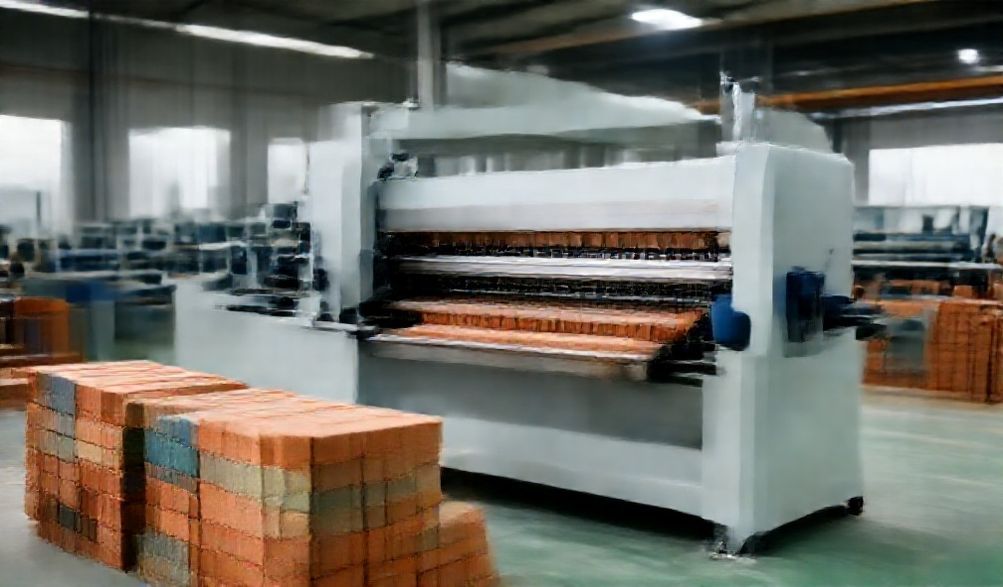
Ang Iyong Komprehensibong Gabay sa Paghahanap ng Mapagkakatiwalaang Supplier ng Maliit na Makina ng Paggawa ng Brik sa Tsina
Panimula
Ang pandaigdigang industriya ng konstruksyon ay umuunlad sa kahusayan at abot-kayang halaga. Mula sa pagtatayo ng mga tahanan sa mga umuusbong na ekonomiya hanggang sa paglalatag ng mga daanan sa mga suburban development, ang pangangailangan para sa maaasahan at cost-effective na materyales sa paggawa ay pandaigdigan. Sa sentro ng pangangailangang ito ay matatagpuan ang isang mahalagang kagamitan: ang maliit na makina ng paggawa ng ladrilyo. At pagdating sa pagkuha ng makinaryang ito, isang bansa ang nangunguna sa larangan ng pagmamanupaktura—ang Tsina.
Subalit, para sa isang mamimili na libu-libong milya ang layo, ang pag-navigate sa malawak na industriyal na ekosistema ng Tsina ay maaaring magmukhang isang nakababahalang gawain. Ang merkado ay puno ng mga supplier, ang mga online platform ay naglilista ng libu-libong opsyon, at ang mga kuwento tungkol sa pagbabago ng kalidad, mga pagkasira sa komunikasyon, at mga bangungot sa logistics ay pangkaraniwan. Paano mo makikilala ang mga respetableng tagagawa mula sa mga pansamantalang mangangalakal? Paano mo masisiguro na ikaw ay namumuhunan sa isang makina na magtatagal, at hindi lamang sa isa na may pinakamababang presyo?
Ang gabay na ito ang iyong solusyon. Batay sa maraming taon ng pagmamasid sa industriya at teknikal na ekspertisyo, ang komprehensibong mapagkukunan na ito ay nagbibigay ng malinaw at maisasagawang balangkas para sa pagtatasa at pagpili ng tamang supplier mula sa Tsina. Lumalampas kami sa pangunahing paghahambing ng presyo upang ituon ang pansin sa mga haligi ng isang matagumpay na pakikipagtulungan:hindi mapagkukumpromisong kalidad, napatunayang pagiging maaasahan, at kabuuang pangmatagalang halaga.Isipin mo ito bilang iyong mapagkakatiwalaang gabay sa paggawa ng desisyon sa pagbili nang may kumpiyansa.
Bakit Dapat Sourcing ng Maliit na Makina ng Paggawa ng Bricks mula sa China?
Ang pagpili na kumuha ng iyong makinarya mula sa Tsina ay hindi lamang paghahanap ng pinakamurang opsyon; ito ay isang estratehikong desisyon na suportado ng tunay na pandaigdigang pakinabang. Ang pag-unawa sa mga benepisyong ito ay tumutulong sa paghubog ng iyong paghahanap at nagtatakda ng makatotohanang mga inaasahan para sa maiaalok ng merkado.
Cost-Effectiveness and Competitive Pricing: Epektibong Pagkakagastusan at Kompetitibong Pagpepresyo
Ang pinakamalinaw na bentahe ay ang gastos. Ang mga tagagawa sa Tsina ay nakikinabang sa walang katulad na ekonomiya ng sukat, konsentradong supply chain para sa mga hilaw na materyales tulad ng bakal at mga komponente ng haydroliko, at mga advanced at episyenteng pamamaraan ng produksyon.
- Ito ay nangangahulugang mas mababang paunang puhunan para sa iyo kumpara sa pagkuha mula sa Europa o Hilagang Amerika.
- Ang mataas na Return on Investment (ROI) ay nangangahulugang mas mabilis na makakamit ng iyong negosyo ang kita, isang mahalagang salik para sa mga startup at maliliit hanggang katamtamang negosyo.
- Ang kompetitibong merkado ay nangangahulugan din na makakahanap ka ng makina na akma sa isang tiyak na badyet, mula sa mga pangunahing manuwal na modelo hanggang sa mga advanced na awtomatikong sistema.
Sukat at Iba't-ibang Produksyon
Ang ekosistema ng pagmamanupaktura sa Tsina ay malawak at dalubhasa. Hindi ka limitado sa isa o dalawang uri lamang ng makina.
- Kailangan mo man ng makina para saLuwad, kongkreto (semento), o mga brick na gawa sa fly ashAng mga supplier ng Tsino ay may mga dedikadong modelo.
- Ang saklaw ay sumasaklaw mula sa simplepindutang pang-manwalpara sa mga proyekto ng komunidadmataas ang produksyon, ganap na awtomatikong mga plantapara sa produksyong pangkomersyo.
- Maaari mong mahanapmga modelo na nakatigilpara sa mga setting ng pabrika omga tagagawa ng bloke ng mobilepara sa konstruksiyon sa mismong lugar, inaalis ang gastos sa transportasyon ng materyales.
- Ang iba't-ibang ito ay nagsisiguro na makakahanap ka ng kagamitan na akma sa iyong partikular na kagamitang hilaw, sukat ng proyekto, at limitasyon sa badyet.
Ebolusyon ng Inobasyon at Teknolohiya
Ang stereotype na ang pagmamanupaktura ng Tsina ay tungkol lamang sa mga mumurahang kopya ay lipas na. Ang mga nangungunang supplier ay malakas na namumuhunan sa Research and Development.
- Ang mga makabagong makina ay nagtatampok ngde-energyahaydroliko at mga sistema ng panginginig.
- Mayroong malakas na diin sa pagpapabuti ngTibaysa pamamagitan ng mas mahusay na metalurhiya at paggamit ng mga bahaging tatak na kinikilala sa buong mundo.
- Inobasyon sasemi-awtomatiko at ganap na awtomatikong sistema ng kontrolGinawa nitong mas naa-access at mas madaling gamitin ang mga produktibong makina kaysa dati.
- Ang pangakong ito sa pagsulong ng teknolohiya ay nangangahulugang maaari mong ma-access ang advanced, maaasahang teknolohiya sa isang maliit na bahagi lamang ng tradisyonal na gastos.
Mahahalagang Salik sa Pagtatasa ng Isang Tagapagtustos (Higit pa sa Presyo)
Fixing your gaze solely on the price tag is the fastest route to a poor investment. A reliable supplier is defined by a suite of other, more critical factors that guarantee the machine’s performance and your peace of mind.
Manufacturing Expertise and Experience
Look for a supplier with deep roots in the industry.
- A proven track record of 10+ years is a strong initial filter. It indicates stability and accumulated knowledge.
- Prefer suppliers who are actual manufacturers (with their own factory) over pure trading companies. Manufacturers have direct control over quality and production timelines.
- Inquire about their in-house R&D and engineering team. A supplier that designs and iterates its own machines is more likely to understand and solve technical challenges.
Quality Control Processes and Certifications
Certifications are your first objective checkpoint. They signal a commitment to standardized processes.
- ISO 9001: Indicates a certified quality management system.
- CE Marking: Shows the machine meets EU health, safety, and environmental standards, a sign of robust design.
- SGS or Other Third-Party Inspection Reports: Provide independent verification of machine quality and specification compliance.
- Critical Component Sourcing: Ask about the brands used for key parts. Do they use reputable hydraulic systems (like Parker or Yuken), PLCs (like Siemens or Mitsubishi), and high-grade, hardened steel for molds? This is where true quality is built.
Production Capacity and Lead Times
A supplier’s capability must match your needs.
- Clearly communicate your required order quantity and desired delivery date.
- A professional supplier will provide a realistic production schedule and not promise impossibly fast lead times just to secure an order.
- Assess if they have the capacity to handle potential future repeat or larger orders as your business grows.
Communication and Professionalism
Smooth communication is the bedrock of international trade. Evaluate this from the first contact.
- Responsiveness: Do they reply to emails or messages within a reasonable business timeframe?
- English Proficiency: Is their technical and sales staff able to communicate clearly about specifications, avoiding dangerous misunderstandings?
- Suportang Teknikal: Can they answer detailed questions about machine operation, maintenance, and troubleshooting? Their pre-sales knowledge is a good indicator of their post-sales support capability.
A Step-by-Step Supplier Vetting Process
Arm yourself with a systematic approach. This process turns an overwhelming task into a manageable, evidence-based decision.
Stage 1: In-Depth Online Research & Shortlisting
- Using B2B Platforms (Alibaba, Made-in-China):
- Go beyond the glossy photos. Scrutinize the “Transaction History”at“Customer Reviews.” Look for detailed, photo-backed feedback from buyers in regions similar to yours.
- Check the supplier’s “Gold Supplier” status and years on the platform. Longer tenure generally correlates with reliability.
- Be wary of profiles with perfect 5-star ratings and few transactions—they may be manipulated.
- The Supplier’s Own Website:
- A professional, well-structured website with detailed technical documentation, company history, and clear contact information is a major trust signal.
- It shows investment in their brand and a channel for direct, platform-fee-free communication.
Stage 2: Direct Engagement and Technical Inquiry
Now, contact your shortlisted suppliers (3-5 is ideal). Your initial inquiry should be detailed to gauge their expertise.
- Mga Pangunahing Tanong na Dapat Itanong:
- Can you provide a detailed specification sheet for [Model XYZ]?
- What customization options are available (e.g., mold changes, logo printing)?
- What is the exact warranty period and what does it cover? Is it for parts only, or includes labor?
- What after-sales support do you provide? (Manuals, video guides, remote assistance, on-site engineer dispatch?)
- Can you supply a list of spare parts I should keep in stock?
- Requesting Documentation: Ask for a formal, itemized quotation (Proforma Invoice), their company brochure, and copies of relevant quality certificates.
Stage 3: Due Diligence and Verification
This is the most crucial step to avoid scams and ensure quality.
- Pagpapatunay ng Pabrika: Always request a live video tour of the factory via WhatsApp or Zoom. Ask to see the production floor, assembly line, quality testing, and their warehouse. This confirms they are a real manufacturer.
- Client References: Ask for contact information for 2-3 previous clients in your country or region. A confident supplier will provide these. Reach out and ask about their experience with machine performance and after-sales service.
- Payment Security: Utilize platform-based Trade Assurance programs (like Alibaba’s) whenever possible. They offer payment protection and mediation services. For larger orders, a Letter of Credit (LC) provides security for both parties.
Understanding Machine Types and Making the Right Choice
Matching the machine type to your project is essential for success. Here’s a breakdown of the common small brick making machines from China.
Small Manual & Semi-Automatic Brick Machines
- Angkop Para Sa: Entrepreneurs, startups, community projects, low-volume production, and areas with low labor costs.
- Mga Kalamangan: Very low initial cost, simple operation and maintenance, low power consumption, easy to move.
- Mga Disbentahe: High labor intensity, lower output, consistency of bricks depends heavily on operator skill.
Mobile Block Making Machines
- Angkop Para Sa: On-site construction projects (building houses, compounds), producing bricks directly where they are needed.
- Mga Kalamangan: Eliminates cost of transporting finished bricks, can use locally sourced soil/sand, highly versatile.
- Mga Disbentahe: Output is generally lower than stationary plants, requires a prepared, level site for operation.
Fully Automatic Small Brick Making Plants
- Angkop Para Sa: Established businesses aiming for medium to high-volume production (e.g., 10,000+ bricks per day).
- Mga Kalamangan: Extremely high output with minimal labor (often just 1-3 operators), consistent and high-quality brick production, can integrate with mixers and stackers.
- Mga Disbentahe: Significant initial investment, requires stable power supply, more complex maintenance.
Key Technical Specifications to Compare
When reviewing quotes, compare these specs directly:
* Kapasidad ng Output: Measured in bricks per hour (or per 8-hour shift). Ensure you compare the same brick size and type.
* Mga Pangangailangan sa Kuryente: Voltage (e.g., 380V/3 phase or 220V) and total power consumption (KW).
* Puwersa (Tonelahe): The molding pressure of the machine. Higher tonnage generally produces denser, stronger bricks.
* Antas ng Automation: Manual, semi-auto (auto feeding or stacking), or full-auto (from mixing to stacking).
* Maraming Gamit na Molde: How quickly and cheaply can molds be changed to produce different brick types (solid, hollow, paving, etc.)?
Navigating Logistics, Payment, and After-Sales Support
The final hurdles before your machine arrives involve logistics, payment, and planning for long-term support.
Incoterms and Shipping Explained
- FOB (Libre sa Barko): You pay for the machine loaded on the ship at the Chinese port. You are responsible for and control the main shipping cost and freight forwarder. Offers more control and potential cost savings.
- CIF (Cost, Insurance, and Freight): The supplier arranges and pays for shipping and insurance to a port in your country. Simpler for you, but you pay a premium and have less control over the shipping process.
- Advice: For first-time buyers, CIF can be simpler. For larger orders or repeat business, using your own freight forwarder under FOB terms is often more cost-effective and transparent.
Secure Payment Methods
- T/T (Telegraphic Transfer): A direct bank transfer. Common for deposits (e.g., 30% upfront) and balance payments. Fast but offers little buyer protection. Only use with verified, highly trusted suppliers.
- L/C (Letter of Credit): A bank-guaranteed payment. The bank pays the supplier once shipping documents are presented. Secure for both parties but involves bank fees and is more complex.
- Platform Trade Assurance: The recommended method for most transactions. You pay the platform, which releases funds to the supplier after you confirm satisfactory delivery.
The Non-Negotiable: After-Sales Service & Warranty
This is where great suppliers are separated from the rest.
- Garantiya: A comprehensive warranty should be 12-24 months for core components (hydraulic system, electrical motors, PLC). Get the exact terms in writing on the contract.
- Support Materials: Ensure they provide clear English operation manuals, installation guides, electrical diagrams, and instructional videos.
- Piesa ng Ekstrang Bahagi: Clarify their policy. Do they keep a stock of common spare parts? What are the lead times for ordering replacements? Purchasing an initial spare parts kit (seals, filters, etc.) is highly advisable.
Mga Madalas Itanong (FAQ)
Q1: What is the typical price range for a small brick making machine from China?
Isalin ang teksto sa Filipino. I-output LAMANG ang isinalin na teksto. Prices vary dramatically based on type and automation. A small manual machine can start around $2,000 – $5,000, semi-automatic models range from $8,000 – $20,000, and fully automatic small plants can cost $25,000 to $60,000+. Always request a detailed quote based on your specific needs.
Q2: How can I verify the quality without visiting the factory in person?
Isalin ang teksto sa Filipino. I-output LAMANG ang isinalin na teksto. A multi-step approach is key: 1) Insist on a live video factory tour, 2) Hire a third-party inspection company (like SGS, BV) for a pre-shipment inspection, and 3) Request a sample of bricks produced by the exact machine model you are considering.
Q3: What are the hidden costs I should budget for?
Isalin ang teksto sa Filipino. I-output LAMANG ang isinalin na teksto. Beyond the machine price, budget for: International shipping and insurance, import duties and taxes in your country, agent/clearance fees, foundation preparation for the machine, electrical setup, and an initial inventory of essential spare parts.
Q4: Do suppliers provide installation and training?
Isalin ang teksto sa Filipino. I-output LAMANG ang isinalin na teksto. Most provide detailed manuals and video guides for self-installation. For an additional cost, many reputable suppliers will dispatch a technical engineer to your site for installation, commissioning, and operator training. For complex automatic plants, this service is highly recommended.
Q5: How long is the standard warranty, and what does it usually cover?
Isalin ang teksto sa Filipino. I-output LAMANG ang isinalin na teksto. A standard warranty is typically 1 year for the whole machine and 2 years for the core hydraulic system. It usually covers defects in material and workmanship under normal use, meaning they will supply replacement parts. It rarely covers labor for installation or repairs at your site, or damage from improper operation. Clarify all terms in your contract.
Konklusyon
Finding the right China small brick making machine supplier is not a simple purchase; it’s a strategic partnership that forms the foundation of your business. By shifting focus from the lowest price to a balanced assessment of manufacturing expertise, verifiable quality, and robust after-sales support, you de-risk your investment.
Use this guide as your actionable checklist. Invest the time in thorough due diligence, prioritize clear and professional communication at every stage, and choose a partner whose actions demonstrate true Karanasan, Kadalubhasaan, Awtoridad, at Pagkakatiwalaan (K-K-A-P).
The right machine, sourced from the right partner, is more than a piece of equipment—it’s a cornerstone asset that will drive productivity, profitability, and growth for your construction business for years to come.
<