
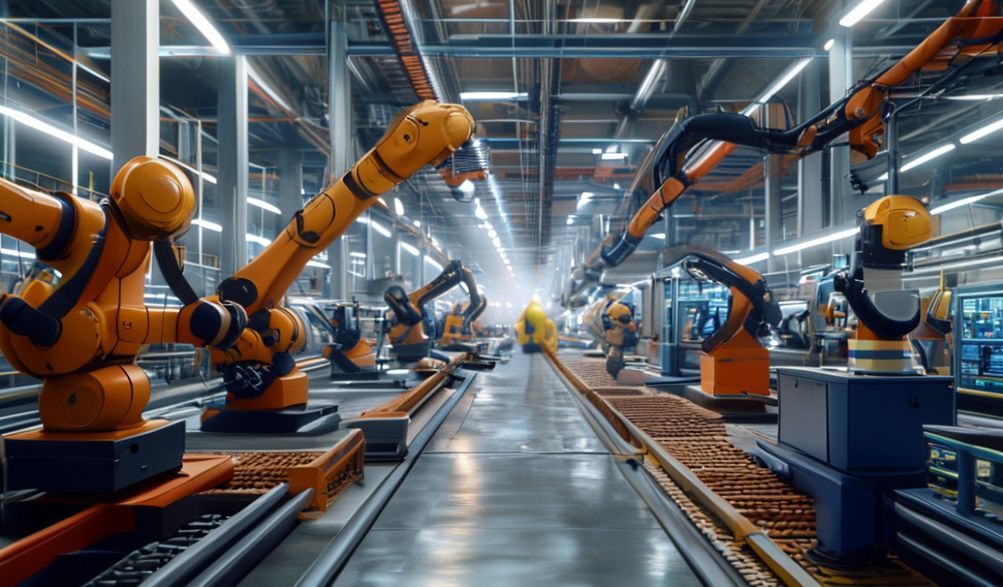
Your Guide to Brick Block Machine Factories: How to Choose a Trusted Manufacturer
Вступ
The global construction industry is a colossal engine of progress, building the cities, infrastructure, and homes of tomorrow. At the very heart of this industry lies a fundamental component: the humble brick and block. Their quality, consistency, and durability are the unseen foundation of every reliable structure we inhabit.
But where does this reliability begin? It starts not on the construction site, but on the factory floor where the machines that produce these essential materials are built. For entrepreneurs, construction firms, and investors, navigating the global market of brick block machine factories can be a daunting challenge. How do you differentiate between a marketing facade and a genuine industrial powerhouse? The risks of choosing poorly—from costly downtime and inferior products to a complete loss of investment—are significant.
This guide is your strategic compass. We move beyond superficial price tags to empower you with a professional framework for evaluation. Choosing the right partner hinges on a deep understanding of a factory’s production capability, technological expertise, quality control, and after-sales service. Drawing on established industry standards and engineering procurement best practices, this post will provide you with the critical knowledge needed to make an informed, confident decision for your business.
What Defines a Leading Brick Block Machine Factory?
Before contacting suppliers, you must understand the benchmarks of excellence. A leading factory is more than a building with machinery; it’s an ecosystem of engineering, precision, and reliability.
Core Manufacturing Capabilities and Scale
The physical and operational scale of a factory is a direct indicator of its stability and capability.
- In-House Manufacturing vs. Assembly: Top-tier factories control their core processes. They operate foundries, precision machining centers (CNC), and welding bays. An “assembly-only” operation that outsources all key components (like hydraulic cylinders or vibration motors) has less control over quality and lead times.
- Vertical Integration: Leading manufacturers often produce their own critical parts, such as molds, mixer blades, and control panels. This integration ensures quality consistency, protects intellectual property, and streamlines the supply chain for future spare parts.
- Production Capacity & Facility: The size and organization of the workshop matter. A large, clean, and logically organized facility suggests systematic production flow and the ability to handle large or multiple concurrent orders.
Інженерна експертиза та інвестиції в НДДКР
The machinery is only as good as the minds behind it. Static technology is obsolete technology in this field.
- Dedicated R&D Team: A factory with a committed engineering department is investing in its future—and yours. They work on improving vibration efficiency, reducing energy consumption, and enhancing automation.
- Матеріальна адаптивність: The best factories design machines that can work with a diverse mix of raw materials—from standard concrete and quarry dust to eco-friendly alternatives like fly ash, slag, and stabilized soil. This flexibility future-proofs your investment.
- Фокус на інновації: Look for evidence of innovation in machine design, such as PLC (Programmable Logic Controller) systems for precise operation, IoT connectivity for performance monitoring, and designs that minimize wear and tear.
Quality Control Systems from Raw Material to Finished Machine
Quality isn’t inspected in; it’s built in, step by step.
- Закупівля матеріалів: Reputable factories are meticulous about their supply chain. They use certified, high-grade steel for frames, branded hydraulic pumps and valves, and reliable electrical components from known manufacturers.
- Process Control: Quality checks should be documented at every stage: material inspection, machining tolerance verification, sub-assembly testing, and full machine run-off testing before painting and packing.
- International Standards: Certifications like ISO 9001 (Quality Management Systems) and Маркування СЕ (for the European market) are strong indicators. They demonstrate an institutional commitment to standardized, repeatable quality processes, not just ad-hoc checks.
A Step-by-Step Guide to Vetting Potential Factories
Armed with the right criteria, you can now systematically evaluate potential partners. Treat this process as due diligence for a critical business partnership.
Pre-Contact Research & Digital Footprint Analysis
Your first impressions will be digital. Scrutinize their online presence with a critical eye.
- Website & Technical Depth: A professional factory website should offer more than glossy photos. Look for:
- Detailed, downloadable technical specifications (PDF datasheets).
- Clear videos of machines running in their own factory, not just animated simulations.
- A portfolio with real project case studies, including location and output details.
- Client Evidence: Seek verifiable testimonials or a client list. Some factories showcase video testimonials or installation photos from around the world.
- Transparency: Be wary of sites with only stock images, vague descriptions, or no contact information beyond a generic form.
Key Questions to Ask During Inquiry
Your initial inquiry email or call should separate the serious from the superficial. Prepare a list of technical and commercial questions.
Technical Questions:
* “Can you provide the specific brands and models of the key components (hydraulic system, vibration motor, PLC, electrical parts)?”
* “What is the designed cycle time for producing a standard 6-inch hollow block, and what is the guaranteed output per 8-hour shift?”
* “What is the power consumption (kW) of the machine in operation?”
* “How is the vibration system designed to ensure consistent block density and strength?”
Commercial & Service Questions:
* “What is your standard warranty period and precisely what does it cover (parts, labor, shipping)?”
* “Can you provide a list of recommended spare parts with their expected operational lifespan?”
* “Do you offer installation, commissioning, and on-site operator training? What are the associated costs?”
* “What is your standard payment terms structure?”
The Critical Importance of Factory Audits (Virtual or In-Person)
If possible, always visit the factory. If travel isn’t feasible, insist on a comprehensive live video tour.
What to Look For During an Audit:
- Workshop Organization: Is it clean, safe, and orderly? Are materials and parts stored properly?
- Worker Skill: Observe the technicians. Are they using precision tools? Does the assembly process look methodical?
- Quality Stations: Can you see designated inspection points with gauges and checklists?
- Testing: Ask to see a machine under power in the testing area. Listen for unusual noises and observe the smoothness of operation.
- Spare Parts Inventory: A healthy spare parts warehouse indicates a commitment to after-sales support.
Seeing production firsthand is the ultimate trust-builder. It transforms a supplier from a name on a website into a tangible, credible partner.
Understanding Different Machine Types and Factory Specializations
Not all factories are good at everything. Aligning your specific project needs with a factory’s core specialty is crucial for success.
Стаціонарні проти мобільних верстатів для виготовлення блоків
- Стаціонарні блокові машини: These are high-output, fixed-installation plants. They are often fully automatic, with conveyor systems, pallet feeders, and stackers. They require a solid concrete foundation and are ideal for large-scale, dedicated block yards or industrial production.
- Мобільні блокові машини (яйцекладки): These are smaller, movable machines that produce blocks directly on the ground. They have lower output but offer great flexibility and lower initial investment. Perfect for on-site production for a specific construction project or small-to-medium businesses.
Product Focus: Concrete Hollow Blocks, Pavers, Interlocking Bricks, etc.
Factories often specialize. A factory that excels at producing high-speed hollow blocks may not be the best at intricate paving stones.
- Машини для виготовлення порожнистих блоків: Require strong, high-frequency vibration to ensure complete mold filling and good strength with hollow cavities.
- Машини для тротуарної плитки та бруківки: Need precise hydraulic systems for consistent color and texture, and often specialized mold technology for complex shapes.
- Спеціалізовані машини: Some factories focus on soil block presses, aerated concrete (AAC) plants, or kerb stone machines. Ensure their expertise matches your product line.
Level of Automation: Manual, Semi-Automatic, Fully Automatic, and PLC Plants
The choice here directly impacts your labor costs, output consistency, and ROI.
- Ручний/Напівавтоматичний: Lower capital cost, higher labor requirement. Suitable for very small-scale startups or markets with very low labor costs. Consistency depends heavily on operator skill.
- Повністю автоматичний: Higher investment, but significantly lower labor needs and superior product consistency. Machines handle mixing, feeding, compacting, and curing rack handling automatically.
- PLC Plants: The pinnacle of automation. Controlled by a programmable computer, they offer precise control over every parameter (vibration time, pressure, mix ratios), enabling flawless repeatability and easy operation. Essential for large-scale, high-quality production.
Beyond the Machine: Evaluating Service and Support
The machine’s sale price is just the entry ticket. The true cost and value are determined over its 10-20 year lifespan.
Installation, Commissioning, and Operator Training
A machine in a crate is useless. Comprehensive service is non-negotiable.
- Does the factory send experienced engineers to your site for installation?
- Do they oversee the first production runs, calibrate the machine, and ensure it meets performance guarantees?
- Do they provide structured training for your operators and maintenance staff? Proper training prevents misuse and early breakdowns.
After-Sales Service, Warranty, and Parts Supply Chain
This is where many suppliers reveal their true colors.
- Warranty: A clear, written warranty is essential. What is the response time for a warranty claim? Who pays for the technician’s travel?
- Parts Supply: How quickly can they ship a critical spare part? Do they maintain an inventory of wear parts? A reliable factory will have a global logistics network for parts.
- Технічна підтримка: Is there a direct phone/email line to their technical department? Can they provide exploded-view assembly drawings for troubleshooting?
Long-Term Partnership Value: Upgrades and Technical Support
View your chosen factory as a long-term partner.
- Can the machine be upgraded in the future (e.g., adding a color feeder, a new control panel)?
- Will they provide support for new mold designs as your product line evolves?
- Having access to ongoing engineering advice is an invaluable asset as your business grows.
Часті питання (FAQ)
Q1: What is the average lead time for a brick block machine from order to delivery?
А: Lead times vary significantly based on machine complexity and factory workload. For a standard model, expect 30 to 60 days. For large, fully automatic plants or heavily customized machines, it can extend to 90-120 days. Always get a written, guaranteed delivery timeline in your sales contract, including Incoterms (e.g., FOB, CIF).
Q2: How do I compare prices between different factories effectively?
А: Avoid comparing price alone. Create a “Total Cost of Ownership” spreadsheet. Compare:
* Machine specifications and output capacity.
* Brands of core components (e.g., Siemens PLC vs. unknown brand).
* Warranty length and coverage details.
* Included services (installation, training).
* Estimated shipping, insurance, and import duty costs.
A slightly higher upfront cost for a superior machine with better support often yields a far lower cost per block over time.
Q3: What are the most common hidden costs when importing machinery?
А: Buyers often underestimate:
1. Shipping & Marine Insurance: Especially for full-container-load (FCL) shipments.
2. Customs Clearance, Duties, and Taxes: These vary by country and can be substantial. Consult a local customs broker.
3. On-site Foundation & Utilities: Preparing a proper concrete base and ensuring adequate power supply.
4. Installation & Technician Costs: If not included in the offer.
5. Initial Spare Parts Kit: Purchasing a recommended set of wear parts upfront avoids early downtime.
Q4: Can factories provide customized solutions for unique project requirements?
А: Yes, reputable factories with strong in-house engineering teams regularly handle customization. This can include:
* Designing unique mold shapes for special blocks.
* Modifying machine dimensions to fit a specific workshop layout.
* Adjusting the hydraulic system for different raw material densities.
Asking about customization capability is a great way to gauge a factory’s true engineering depth.
Q5: What are the red flags when dealing with a brick machine factory?
А: Proceed with extreme caution if you encounter:
* Pressure for full upfront payment before any production or evidence of progress.
* Unwillingness to provide client references or specific contactable past customers.
* No video evidence of their actual machines working in their own factory.
* Vague or overly restrictive warranty terms that seem designed to avoid claims.
* Lack of technical details and constant evasion of specific questions about components.
* Communication only via personal email (e.g., Gmail, Yahoo) instead of a company domain.
Висновок
Selecting a brick block machine factory is one of the most consequential decisions for your construction or block manufacturing venture. It is a strategic investment that will directly influence your product quality, production efficiency, and long-term profitability.
This guide underscores that the right choice is never based on price alone. It is a holistic decision founded on verifiable manufacturing expertise, proven quality control systems, and the promise of reliable, long-term partnership support.
Use the frameworks and checklists provided here to conduct thorough due diligence. Ask the detailed questions, demand evidence, and prioritize a factory visit or audit above all. The confidence gained from seeing a well-oiled operation in person is invaluable.
By partnering with a truly capable manufacturer, you are doing more than buying a machine. You are securing the foundation to produce the durable, high-quality building materials that will, quite literally, form the backbone of safe, sustainable, and enduring structures for years to come.
<