
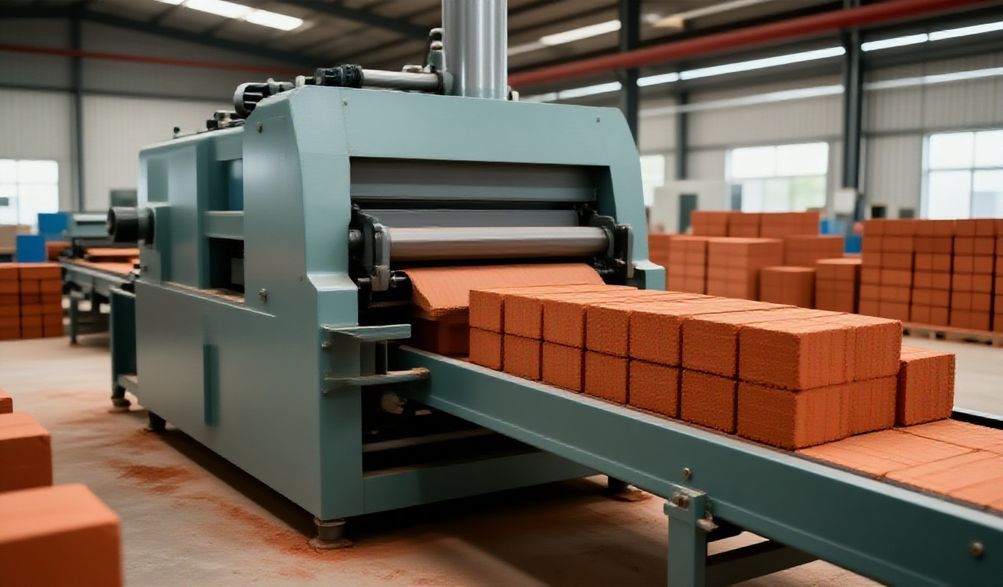
Ваш остаточний посібник із машин для виробництва глиняної цегли в Малайзії | Експертиза від заводу FUDA
Вступ
У динамічному будівельному ландшафті Малайзії, від висотних веж KLCC до стійких будинків у регіонах, схильних до мусонів, попит на довговічні, стійкі та економічно ефективні будівельні матеріали ніколи не був вищим. На тлі цього зростання скромна глиняна цегла залишається наріжним каменем, цінованим за її позачасову міцність та природні ізоляційні властивості. Однак якість, ефективність та прибутковість виробництва цегли залежать від одного критичного фактора:машина для виробництва глиняної цегли.
Вибір правильного обладнання — це не просто покупка, а інвестиція в основу вашого проєкту або бізнесу. Це рішення впливає на все: від щоденної продуктивності та витрат на оплату праці до кінцевої структурної цілісності будівель, які ви постачаєте.
Цей вичерпний посібник створено, щоб подолати складність. Спираючись безпосередньо на практичний, польовий досвідФабрика з виробництва будівельних блоків FUDAми маємо на меті надати малайзійським будівельникам, підрядникам, девелоперам та підприємцям знання для прийняття обґрунтованого рішення. Ми розглянемо типи машин, їх переваги для місцевого будівництва та ключові фактори, характерні для унікального середовища Малайзії.
У компанії FUDA, яка вже понад 15 років займається виробництвом, постачанням та обслуговуванням рішень для виготовлення блоків на території Малайзії (як на півострові, так і в Східній Малайзії), ми на власному досвіді побачили, який трансформаційний вплив правильне обладнання має на успіх проєкту, його економічну ефективність та кінцеву якість. Цей посібник узагальнює цей практичний, здобутий важкою працею досвід, щоб допомогти вам працювати розумніше.
Розуміння машин для виробництва глиняної цегли: типи та технології
Орієнтування у світі обладнання для виробництва цегли починається з розуміння основних процесів та доступних технологій. Сучасні машини значно еволюціонували від ручних форм, пропонуючи різні ступені автоматизації, що підходять для будь-якого масштабу виробництва.
Як працює сучасна машина для виробництва глиняної цегли?
Хоча конструкції машин різняться, основні етапи виробництва залишаються незмінними:
- Підготовка глини:Сира глина подається у змішувач, де вода та інші добавки (наприклад, пісок або зола) змішуються для досягнення ідеальної пластичності та консистенції для формування.
- Формування/УщільненняЦе серце процесу. Підготовлена глина подається у порожнину форми та піддається інтенсивному гідравлічному або механічному тиску. Таке високотискове ущільнення забезпечує щільну, однорідну за формою цеглу з чіткими краями.
- Викидання та налаштування:Щойно сформована «сира» цегла акуратно виштовхується на піддон або конвеєрну стрічку. Ця цегла ще м’яка і потребує обережного поводження до висихання.
- Сушіння та отвердіння:Зелену цеглу переміщують до зони сушіння, щоб поступово зменшити вміст вологи. Для деяких типів цегли (наприклад, обпаленої) її потім випалюють у печах за високих температур, щоб досягти максимальної міцності та довговічності. Деякі сучасні машини виробляють високоміцні стабілізовані блоки, які твердіють повітряним сушінням або хімічною реакцією, що усуває потребу у випалюванні.
Key Types of Machines for the Malaysian Market
Ручні та напівавтоматичні цегельні машини
- Найкраще для: Small-scale projects, rural housing initiatives, startup entrepreneurs, and businesses with lower capital expenditure.
- Операція: These machines require more manual intervention for feeding clay and removing finished bricks. The compaction is often powered by a diesel engine or electric motor.
- Вихід: Typically ranges from 800 to 3,000 bricks per 8-hour shift.
- Фуда Інсайт: From our projects in Kelantan and Sabah, we’ve found these machines ideal for community-based projects or where the primary goal is to utilize on-site clay for cost-saving, without the need for massive volume.
Повністю автоматичні заводи з виробництва цегли
- Найкраще для: Large-scale commercial production, supplying major construction projects, and established brick manufacturing businesses.
- Операція: These are integrated systems with automated feeders, conveyors, stackers, and palletizers. They often feature programmable logic controllers (PLC) for precision and consistency.
- Вихід: Can produce from 10,000 to over 50,000 bricks per day with minimal manual labor.
- Фуда Інсайт: For clients supplying large township developments or industrial projects, the consistency in brick dimension and density offered by a fully automatic plant is non-negotiable for meeting engineering standards and speeding up construction timelines.
Мобільні машини для виробництва цегли
- Найкраще для: Large, remote construction sites (e.g., plantation housing, resort development, infrastructure projects) where transporting vast quantities of bricks is logistically challenging and expensive.
- Операція: Mounted on a trailer, these machines can be driven directly to the project site. They use the local soil (after testing and minor modification), producing bricks right where they are needed.
- Фуда Інсайт: We’ve deployed mobile units for plantation housing in Sarawak, drastically cutting transport costs by over 60% and ensuring a seamless, on-demand supply chain for the contractor.
Why Choose Clay Bricks? Benefits for Malaysian Construction
Beyond tradition, clay bricks offer a suite of performance benefits that align perfectly with Malaysia’s climatic and economic needs.
Unmatched Durability and Longevity in Tropical Climates
Clay bricks are inherently resistant to moisture, humidity, and the relentless tropical heat. Unlike some materials that degrade, warp, or foster mold, properly fired clay bricks stand resilient against monsoon rains and high humidity, ensuring structures last for generations with minimal maintenance.
Excellent Thermal Insulation for Energy Efficiency
This is a critical advantage for Malaysia’s climate. Clay bricks have high thermal mass, meaning they absorb heat slowly and release it slowly. This natural regulation helps maintain cooler indoor temperatures, reducing the thermal load on air conditioning systems. The result is significantly lower energy consumption and utility bills—a major selling point for both residential and commercial buildings.
Fire Resistance and Structural Integrity
Clay bricks are non-combustible, providing a superior fire rating that enhances building safety—a key consideration in compliance with Malaysia’s Uniform Building By-Laws (UBBL). Their compressive strength also contributes to the overall structural integrity and load-bearing capacity of a building.
Sustainability and Local Sourcing
As environmental consciousness grows, clay bricks shine. They are made from abundant natural materials (clay and shale). Their long lifecycle, recyclability, and potential for using locally sourced clay reduce the carbon footprint associated with transportation. This supports local economies and promotes sustainable construction practices.
Critical Factors When Selecting a Machine in Malaysia
Your local context is everything. A machine perfect for a factory in Europe might fail in a Malaysian village. Here are the key, location-specific factors to weigh, based on our field experience.
Assessing Your Production Needs: Scale and Output
Be realistic about your demand.
* Are you supplying bricks for your own 20-unit housing project?
* Or are you starting a business to supply the wider market?
Calculate your required bricks per day and consider future growth. A common mistake is under-sizing a machine, which creates bottlenecks, or over-investing in a giant plant that sits underutilized.
Raw Material Compatibility: Malaysian Clay Varieties
This is perhaps the most crucial technical factor. Malaysian soil varies dramatically from the sandy loams of the east coast to the heavier clay soils found elsewhere.
* FUDA’s Experience: From our work with clients in Johor and Perak, we know that clay plasticity, sand content, and mineral composition directly affect brick quality and machine performance. A machine must be configured—through adjustable pressure, mixer design, and sometimes additive systems—to handle your specific local clay. We always recommend and often conduct preliminary soil testing.
Power Requirements and Utility Infrastructure
Consider your site’s utilities:
* 3-Phase vs. Single-Phase: Larger automatic machines typically require a stable 3-phase electrical supply. For areas with unreliable grids or no 3-phase power, diesel-engine driven models are a robust alternative.
* Water Supply: A consistent water source for clay mixing is essential. Machines have different water consumption rates, which should be factored in.
After-Sales Support, Parts, and Service in Malaysia
Never underestimate this. The true cost of a machine isn’t just its purchase price.
* Місцева технічна підтримка: When a critical component fails, can you get a technician on site within days, not weeks or months? FUDA maintains a network of local service engineers.
* Spare Parts Inventory: Ensure your supplier stocks common wear parts (like mold liners, hydraulic seals) locally to avoid costly production downtime waiting for international shipments.
* Operator Training: Proper training is vital for safety, output quality, and machine longevity. A trustworthy supplier will provide comprehensive training.
The FUDA Factory Advantage: More Than Just a Machine Supplier
Our role extends far beyond a simple transaction. We are your local partner in building production capacity.
Our Journey and Expertise in the Malaysian Market
For over 15 years, FUDA has been deeply embedded in Malaysia’s construction ecosystem. We’ve evolved from a local supplier to a solutions provider, learning from hundreds of client projects across every state. This accumulated portfolio gives us unparalleled insight into what works—and what doesn’t—on Malaysian soil.
Tailored Solutions, Not Just Off-the-Shelf Products
We don’t believe in a one-size-fits-all approach. Our process starts with a consultation to understand your goals, followed by:
* Site & Material Assessment: Evaluating your space, infrastructure, and clay source.
* Machine Configuration: Recommending and customizing a machine setup (mold type, pressure settings, automation level) that matches your unique parameters.
Comprehensive Support from Installation to Production
Your success is our success. Our support package includes:
* Supervised Installation: Our engineers ensure your machine is set up correctly from day one.
* Hands-On Operator Training: We train your team until they are confident.
* Detailed Maintenance Manuals & Service Hotline: Ongoing support is just a phone call away.
Quality Commitment and Machine Durability
We build and source machines with robustness in mind, using high-grade steel and wear-resistant components for critical parts. This focus on durability minimizes downtime and ensures your investment pays back over a long, productive lifespan, backed by clear warranty terms.
FAQ: Clay Brick Making Machines in Malaysia
Q1: What is the approximate price range for a clay brick making machine in Malaysia?
А: Prices vary widely based on automation and capacity. A small manual machine can start from around RM 15,000, while semi-automatic models range from RM 40,000 to RM 150,000. Fully automatic production lines begin around RM 200,000 and can exceed RM 1 million. The most accurate way is to get a customized quote based on your specific output needs and configuration.
Q2: Can the machine use the clay available on my site?
А: In most cases, yes. Malaysian local clays are often suitable. As part of our service, we frequently conduct free preliminary soil testing for serious clients. If needed, we can recommend simple and cost-effective additives (like sand or cement) to optimize the mix for perfect brick quality.
Q3: What kind of space and foundation is required for the machine?
А: A semi-automatic machine might need a covered workshop of about 150-300 sq. ft. with a level, reinforced concrete foundation. A full automatic plant requires a larger factory space (1,000+ sq. ft.) with significant foundation work to handle vibration and load. We provide detailed layout and foundation plans upon quotation.
Q4: How many operators are needed to run a semi-automatic/automatic machine?
А: For a semi-automatic machine, 2-3 operators per shift are typical. A fully automatic plant may require 3-5 personnel to manage feeding, monitoring, and handling finished bricks, showcasing a significant reduction in labor per brick produced.
Q5: Does FUDA provide financing options or assistance?
А: Yes, we understand that capital investment is significant. FUDA partners with several reputable financial institutions in Malaysia to help qualified clients access equipment financing and leasing options, making it easier to acquire the right machinery for your growth.
Висновок
Selecting the ideal clay brick making machine for your Malaysian operation is a multi-faceted decision. It requires balancing your production scale with the characteristics of your local clay, your site’s infrastructure, and—most importantly—the long-term reliability of your supplier’s support.
The right machine is a powerhouse for profit and progress; the wrong one can be a source of constant cost and delay.
At FUDA Block Making Factory, we combine technical expertise with deep, practical experience in the Malaysian market. We are committed to being your partner, not just your vendor, ensuring you have a solution engineered for success in our unique environment.
Ready to explore the right clay brick making solution for your project? Contact the FUDA team today for a no-obligation consultation. Let’s discuss your site, your clay, and your goals. With our experience, we’ll help you build a more efficient, profitable, and sustainable future, brick by brick.
Visit our factory in Selangor to see our machines in operation and speak directly with our engineering team. We welcome you to witness the FUDA difference firsthand.
<