
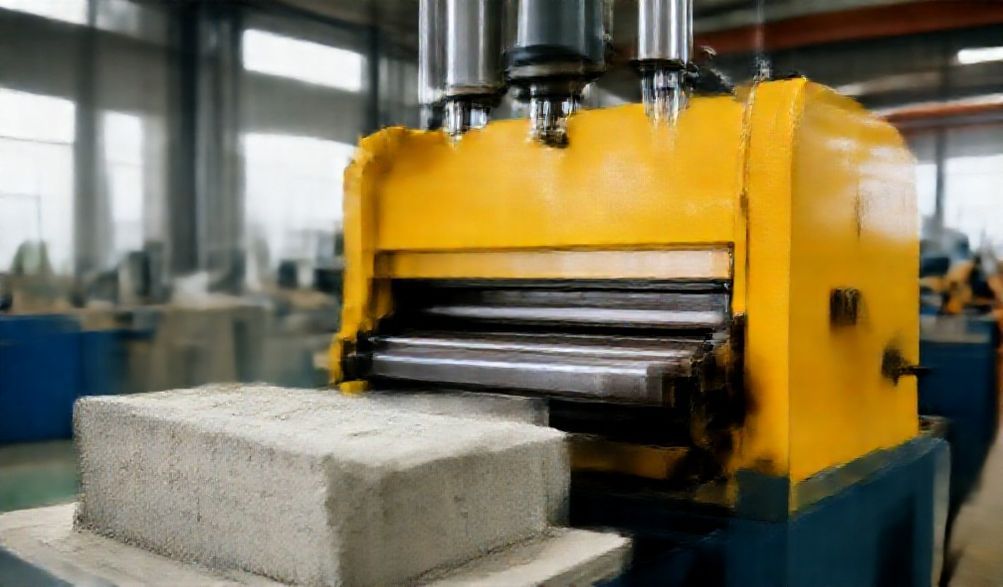
Ваш путівник до провідних китайських виробників напівавтоматичних гідравлічних машин для виробництва цегли
Вступ
Ви будівельник, підрядник чи підприємець, який опинився в скруті? З одного боку, ваші проекти або бізнес потребують стабільних, надійних поставок якісної цегли. З іншого боку, стрімке зростання вартості її закупівлі або величезні капітальні витрати на повністю автоматизовані виробничі лінії з'їдають вашу прибуток. Ця болева точка — потреба в економічному, ефективному та контрольованому виробництві цегли — є загальним викликом у будівництві та виробництві будівельних блоків.
Введіть напівавтоматичний гідравлічний верстат для виробництва цегли. Це обладнання є стратегічно ідеальним рішенням, пропонуючи потужне поєднання автоматизації для підвищення продуктивності та ручного контролю для важливої гнучкості, і все це за значно нижчих інвестицій порівняно з повністю автоматизованим заводом. Для малих та середніх підприємств це часто найрозумніша точка входу на ринок або модернізація.
Проте, орієнтування на величезному ринкуКитайські виробники напівавтоматичних гідравлічних машин для виробництва цеглиможе бути лякаючим. Як відрізнити надійних від ненадійних? Цей посібник створений, щоб стати вашим вичерпним дороговказом. Наша мета — надати експертний, неупереджений і детальний аналіз, спираючись на глибокі знання галузі, щоб допомогти вам прийняти впевнене, обґрунтоване рішення про покупку. Ми вийдемо за рамки простих порівнянь цін, щоб дослідити ключові фактори якості обладнання, надійності виробника та довгострокової післяпродажної підтримки, які справді визначають цінність.
Чому варто обрати напівавтоматичну гідравлічну машину з Китаю?
Вибір відповідного обладнання є ключовим бізнес-рішенням. Вибір напівавтоматичної гідравлічної моделі з Китаю — це стратегія, підкріплена переконливими перевагами як у технологічному, так і в економічному плані.
Ідеальний баланс ефективності та доступності
Напівавтоматичне призначення є ключовим для його ціннісної пропозиції. На відміну від повністю ручних машин, які є трудомісткими та повільними, напівавтоматична модель виконує найкритичніше та найнапруженіше завдання — ущільнення — за допомогою гідравлічної системи. Оператор зазвичай подає сировину та виймає готову цеглину, але машина забезпечує, щоб кожен блок пресувався з однаковою величезною силою.
- Вартість праці проти вартості капіталу:Це значно зменшує фізичне навантаження та підвищує продуктивність працівника порівняно з ручними верстатами, водночас уникаючи високих капітальних витрат і витрат на технічне обслуговування повністю автоматизованої системи з роботизованим управлінням та складним ПЛК-контролем.
- Гідравлічна перевага:Серце цієї машини - її гідравлічна система. Вона застосовує величезний контрольований тиск на форму для цегли. Саме цей тиск гарантує:
- Висока щільність:Усунути повітряні кишені для отримання міцної та довговічної цегли.
- Надзвичайна сила:Досягнення міцності на стиск, придатної для несучого будівництва.
- Стабільна якість: Every brick, from the first to the last of the day, is produced under identical pressure, guaranteeing uniformity in size and strength.
China’s Manufacturing Ecosystem: Scale, Expertise, and Innovation
China’s dominance in manufacturing this machinery isn’t accidental. It’s the result of a mature, integrated industrial ecosystem.
- Global Industrial Hub: China has developed into the world’s foremost manufacturing hub for construction machinery. This concentration of industry means specialized supply chains for hydraulic components, steel fabrication, and precision molds are readily available and highly competitive.
- Decades of Refined Expertise: Many Chinese manufacturers have been refining brick machine designs for 20-30 years. They’ve iteratively solved common problems, optimized production flows, and adapted to international standards and market demands.
- Innovation and Value: This scale and experience translate directly to better value for you. You gain access to advanced, reliable technology—such as improved sealing systems for hydraulics or more wear-resistant mold designs—at a price point often unmatched by manufacturers in other regions. The competition fosters continuous improvement.
Key Features to Evaluate in a Quality Machine
To make a smart purchase, you must look beyond glossy brochures and assess the core engineering of the machine. Here’s what separates a robust, long-term asset from a problematic piece of equipment.
Core Mechanical & Hydraulic Specifications
These are the non-negotiable foundations of performance and longevity.
- Hydraulic System Pressure & Stability: Don’t just look at the maximum pressure (measured in MPa or PSI). Inquire about the system’s design for stable pressure holding. A system that maintains consistent pressure throughout the compaction cycle produces stronger, more uniform bricks. Ask about the brand and quality of the pump, valves, and cylinders.
- Якість форми та матеріал: The mold is the heart that shapes your product. It must be made from high-grade, hardened steel (e.g., Cr12 or similar alloy steel) to withstand constant abrasion and pressure.
- Точне оброблення: A precisely machined mold ensures brick dimensional accuracy and a smooth surface finish.
- Heat Treatment: Molds should be heat-treated to enhance surface hardness, drastically extending their service life.
- Machine Frame Construction: The frame must absorb immense vibration and stress. A heavy-duty, welded steel frame is standard for stability. Some high-end models may use reinforced cast iron sections for critical vibration points. A flimsy frame will lead to misalignment, wear, and breakdowns.
Operational Features for Productivity
These specifications determine how well the machine will fit your business needs.
- Виробнича потужність: This is usually stated as “blocks per 8-hour shift” or “blocks per hour.” Be realistic. A machine rated for 3000 blocks/day might achieve that under perfect conditions with a skilled operator. Factor in time for mold changes, maintenance, and material feeding. Choose a capacity that exceeds your current need to allow for growth.
- Versatility in Brick Types: Can it produce only solid blocks, or can it be easily adapted?
- Змінні форми: The ability to quickly switch molds to produce hollow blocks, interlocking paving stones, curb stones, or designer blocks adds tremendous business flexibility.
- Raw Material Flexibility: Ensure the machine can handle your local raw material mix, whether it’s standard concrete (cement, sand, aggregate), fly ash, or soil.
- Ease of Operation and Changeover: A well-designed machine prioritizes user-friendliness. Look for features like:
- A logical, accessible control panel.
- A mold change system that doesn’t require excessive time or specialized tools.
- Clear access points for lubrication and routine maintenance.
Safety and Control Systems
Productivity means nothing without safety.
- Standard Safety Features: Essential items include physical guards on moving parts (especially the hydraulic cylinder), an emergency stop button within easy reach, and safety locks to prevent operation during maintenance.
- Панель керування: It should be simple, intuitive, and robust. Look for a panel with clearly labeled switches or a digital display for setting vibration/pressure time. The components should be industrial-grade, not cheap consumer parts.
How to Identify a Trustworthy Chinese Manufacturer
Finding a manufacturer is easy; finding a reliable partner is the real task. Due diligence is your most powerful tool.
Verifying Factory Credentials and Experience
Start with the digital paper trail.
- Business License: A legitimate manufacturer will have a valid business license. You can often verify this through Chinese business registry platforms (like the National Enterprise Credit Information Publicity System).
- Сертифікати: While not a guarantee, certifications indicate a commitment to systems. ISO 9001 (Quality Management) is a strong positive signal. Certificates for specific products (like CE for Europe) show experience in exporting to regulated markets.
- Трек-рекорд: How long has the company been manufacturing brick machines? A 10+ year history suggests stability and accumulated expertise. An active export history to regions like Africa, Southeast Asia, or the Middle East demonstrates an understanding of international logistics and support.
The Critical Role of Factory Audits and Site Visits
If possible, always “see” the operation. This is the single most effective verification step.
- Virtual or Physical Tours: Most reputable factories are accustomed to providing live video tours via WhatsApp, Zoom, or WeChat. Insist on this.
- What to Look For During the Tour:
- Production Floor: Is it organized? Are welding and machining areas professional?
- Контроль якості: Do you see gauges for testing hydraulic pressure? Are there procedures for checking finished machines?
- R&D/Testing Area: Are they testing new molds or machine configurations? This shows investment in innovation.
- Questions to Ask: “Can you show me your quality control checklist?” “What is your process for testing the hydraulic system before shipment?” “Can I speak to a current overseas customer for a reference?”
Analyzing After-Sales Service and Support
The true cost of a machine includes its upkeep. The manufacturer’s post-sale policy is critical.
- Warranty: A clear, written warranty is mandatory. Standard is 12 months for the whole machine, excluding wear parts like molds. Understand exactly what is covered and the process for making a claim.
- Технічна підтримка: What is provided?
- Детальні посібники: Electrical diagrams, hydraulic schematics, and parts lists in English.
- Навчання: Comprehensive video guides are common. Is on-site installation/training available (for a fee)?
- Communication: Is there a dedicated technical contact for email/WhatsApp support? What are their response time commitments?
- Spare Parts Supply: This is often the biggest long-term concern.
- Availability: Will they provide a recommended spare parts list? Do they keep common parts (seals, relays, sensors) in stock?
- Logistics: How quickly can they ship parts? Can they use DHL/FedEx for urgent shipments? Do they have local agents or warehouses in your region?
Navigating the Selection and Purchase Process
Turning your selection into a successful delivery requires careful process management.
From Inquiry to Delivery: A Step-by-Step Guide
- Detailed RFQ (Request for Quotation): Don’t just ask for a price. Send a specification sheet: desired brick type/size, daily output, raw materials, voltage (e.g., 380V/3Phase/50Hz), and any special requirements. This ensures comparable quotes.
- Comparing Proforma Invoices (PI): The PI is a formal offer. Compare not just the bottom line, but what’s included: standard accessories, spare parts package, packaging (export wooden case), and the offered warranty terms.
- Understanding Payment Terms & Incoterms:
- Payment: Standard is 30% deposit via T/T (Telegraphic Transfer), 70% balance against copy of shipping documents. Letters of Credit (L/C) are also common but more complex.
- Incoterms: ФОБ (Free On Board) means you pay for main shipping and insurance. CIF (Cost, Insurance, Freight) means the supplier arranges and pays for shipping to your nearest port. CIF is often simpler for first-time buyers.
- Pre-shipment Inspection: Before the balance payment, insist on a video inspection of the finished machine. They should run it under power, demonstrate functions, and show the packing process.
- Shipping, Customs, and Installation: The supplier provides shipping documents (Bill of Lading, Commercial Invoice, Packing List). Use a reliable freight forwarder or clearing agent in your country. Prepare your foundation and power connection as per the machine manual before it arrives.
Red Flags and Common Pitfalls to Avoid
- Ghost Factories: A manufacturer with no verifiable physical address or one that only uses stock photos should be avoided.
- Too-Good-To-Be-True Pricing: A price far below market average almost always indicates inferior components, poor construction, or a scam.
- Vague Warranty or Support: Hesitancy to provide a clear warranty document or a promise of “lifetime support” with no specifics is a major warning sign.
- Payment Pressure: Demands for 100% payment upfront before production begins is highly unusual and risky. The standard deposit structure protects both buyer and seller.
FAQ Section
Q1: What is the average price range for a semi-automatic hydraulic brick machine from China?
A: Prices vary significantly based on capacity, configuration, and quality. A basic model might start around $4,000 – $6,000 USD, while high-capacity, versatile models with advanced features can range from $10,000 to $25,000+. Always request a detailed quote based on your specific requirements.
Q2: Can the machine be customized for specific brick sizes or raw materials?
A: Absolutely. Reputable manufacturers specialize in customization. You can order custom molds for unique brick sizes or designs (e.g., special interlocking patterns). They can also adjust machine settings and provide guidance on optimizing the raw material mix for your local soil, fly ash, or concrete aggregates.
Q3: What is the typical lead time for production and shipping?
A: After order confirmation and deposit, standard production time is 15-30 days. Sea freight shipping then takes approximately 20-45 days, depending on your destination port. Always factor in potential delays at customs in your country.
Q4: Do manufacturers provide installation and training?
A: Yes, credible manufacturers do. Standard support includes comprehensive operation and maintenance manuals, video guides, and remote assistance via video call. For an additional cost, most can arrange for an engineer to travel to your site for on-site installation and hands-on training, which is highly recommended for first-time users.
Q5: How do I handle maintenance and source spare parts?
A: A reliable partner will provide a maintenance schedule and a list of critical spare parts (like hydraulic seals, O-rings, and electrical components). They should commit to supplying these parts for the long term (5-10 years). For urgent breakdowns, ensure they can ship small parts via international courier within a few days.
Висновок
Вибір правильногоChina semi-automatic hydraulic brick making machine manufacturer is a multifaceted decision that blends technical assessment with rigorous partner verification. It’s about finding the optimal intersection of a well-engineered machine, a credible and transparent factory, and a robust support framework.
Investing time in thorough research and due diligence, using the criteria outlined in this guide as your checklist, is not an obstacle—it’s the foundation of a successful long-term partnership. This upfront effort transforms your purchase from a simple transaction into a strategic investment that will serve as a profitable, reliable asset for years to come.
As your next step, we encourage you to prepare a clear, detailed summary of your project requirements. Use this document to contact potential suppliers. Their responsiveness, the clarity of their answers, and the comprehensiveness of their proposals will quickly separate the true partners from the mere sellers.
<