
Як обрати автоматичну машину для виготовлення цегли з леткої золи: посібник покупця 2026 року
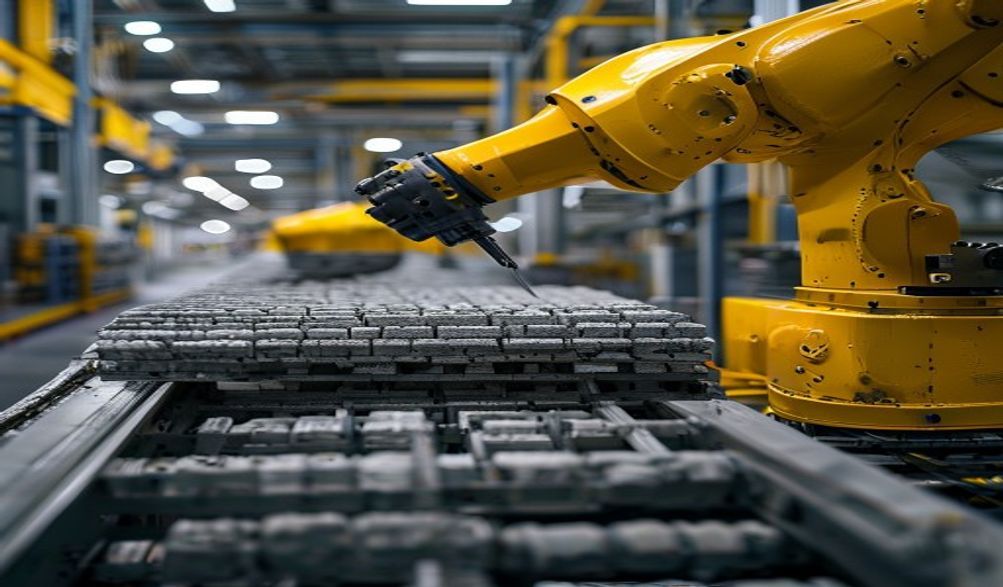
Будівельний ландшафт змінюється. У міру того, як глобальна увага зосереджується на сталості та економічній ефективності, цегляна продукція з летючої золи стала лідером — екологічно чистою, високоміцною альтернативою традиційній глиняній цеглі. В основі цієї зеленої революції лежить автоматична машина для виготовлення цегли з летючої золи — технологія, здатна перетворювати промислові побічні продукти на прибуткові, високоякісні будівельні блоки. Однак вибір неправильної машини — це капіталомістка помилка, яка може призвести до серйозних простоїв, нестабільної якості та фінансового напруження.
Спираючись на більш ніж десятирічний досвід аналізу галузі, технічні консультації з інженерами заводів та практичні огляди успішних виробничих процесів, цей посібник створений, щоб зняти всю складність. Ми, крок за кроком, проведемо вас — підприємця, інженера чи керівника проєкту — через ретельну систему прийняття рішень. Це не просто придбання машини; це інвестиція у виробничу систему, яка стане надійною основою вашого бізнесу на довгі роки.
Розуміння ваших виробничих потреб та сировини
Перш ніж переглянути жодний технічний паспорт, ви повинні зазирнути всередину себе. Найуспішніші заводи будуються з нуля, починаючи з чіткого розуміння власної операційної реальності.
Оцінка масштабу вашого проекту та цілей щодо результатів
Вибір вашої машини в основному визначається вашим ринком.
* Розрахуйте реальний попит:Не гадай. Проектуй свої щоденні та щомісячні потреби в цеглі на основі підтверджених замовлень, зв'язків із підрядниками та досліджень місцевого ринку. Машина, яка працює на 50% потужності, така ж неефективна, як і та, що не встигає за попитом.
* Визначте свій масштаб:
* Дрібномасштабне виробництво (10 000–20 000 цеглин на день):Часто підходить для місцевих проєктів або як додатковий бізнес. Може включати напівавтоматичні або менші повністю автоматичні машини.
* Середнього масштабу (20 000–50 000 цеглин на день):Для багатьох малих та середніх підприємств, що обслуговують місто чи регіон, найкращий варіант – це міцна, повністю автоматична система.
* Великомасштабне (50 000+ цеглин/день):Для великих постачальників. Стосується високопродуктивних, повністю інтегрованих автоматичних ліній зі значною інфраструктурою.
* Потужність проти реальності:Машина, розрахована на 10 000 цеглин на годину (ЦГ), часто виробляє менше в реальній 8-годинній зміні через зміни форм, технічне обслуговування та цикли подачі матеріалу. Врахуйтеопераційна ефективність 80-85%при плануванні.
Аналіз властивостей вашої золи виносу та сировини
Машина має відповідати вашим матеріалам, а не навпаки. Якість вхідних даних визначає якість вихідних результатів.
* Композиція є ключем:Стандартна суміш включає летючу золу (50-60%), пісок/кам'яний пил (30-40%) та цемент (8-10%). Варіації є звичайним явищем. Система подачі та змішування машини повинна стабільно працювати з вашим конкретним співвідношенням.
* Consistency Overrides Everything: Inconsistent raw material grain size or moisture content will lead to poor brick compaction and strength variation. If your fly ash source varies, you may need pre-processing equipment like crushers or screens.
* The Pre-Processing Check: Assess if you need integrated equipment like:
* Feeders: For consistent material flow.
* Панміксер: For thorough, homogeneous mixing of raw materials with water.
* Crusher: To ensure uniform particle size of sand or stone dust.
Defining Your End-Product Specifications
What are you selling? Your product catalog dictates your machine’s configuration.
* Тип цегли: Solid (for load-bearing walls), Hollow (lightweight, insulating), Pavers (for landscaping), or Interlocking (for dry-stack construction). Ensure the machine can produce your primary product type efficiently.
* Critical Metrics:
* Розміри: Standard (e.g., 230x110x75 mm) or custom sizes.
* Міцність на стискання: Target strength (e.g., 7.5 MPa, 10 MPa) as per IS 12894 or ASTM standards. This is directly tied to machine pressure.
* Finish: The mold quality and vibration system determine the brick’s surface finish and edge sharpness.
Key Technical Specifications to Scrutinize
This is where technical expertise separates a good investment from a poor one. Look beyond marketing terms and focus on these core engineering aspects.
Core Machine Mechanism and Automation Level
“Automatic” can mean different things. Understand the mechanics.
* Вібраційна система: This is the heart of compaction.
* Hydraulic Vibration: Offers superior, adjustable force control, leading to higher density and strength bricks. It’s more modern and often more reliable.
* Mechanical Vibration: Uses motor-driven eccentric weights. Can be robust but may offer less control and require more maintenance.
* Рівень автоматизації: A “Fully Automatic” machine should perform with minimal human intervention:
1. Automatic proportional feeding of raw materials.
2. Automatic mixing and conveying to the hopper.
3. Automatic filling, compaction, and ejection of bricks onto pallets.
4. Automatic pallet circulation and brick stacking.
* Система керування: A Програмований логічний контролер (ПЛК) with a touch-screen interface is essential. It allows for precise control over cycle times, pressure, and vibration, and stores recipes for different brick types.
Critical Performance Metrics
Compare these numbers across supplier quotes.
* Час циклу: The time to produce one brick or one set of bricks. Lower cycle time = higher potential output. (e.g., 15-20 seconds per cycle).
* Сила тиску (тоннаж): Measured in tons (e.g., 150 Ton, 200 Ton). Higher pressure typically produces denser, stronger bricks. Match the tonnage to your target compressive strength.
* Споживання енергії: Rated in kW or HP. A 30-40 HP motor is common for medium-sized machines. Calculate the daily energy cost—it’s a major part of your operational expense.
* Якість гідравічної системи: Ask about the brands used for pumps and valves (e.g., Rexroth, Yuken, Parker). Reputed brands mean better reliability, less leakage, and consistent pressure.
Mold and Pallet Considerations
These are the consumables of your production line.
* Якість форми: Molds must be made from high-grade, hardened steel (e.g., EN-31/EN-19). Check the hardness rating (HRC). Poor molds wear out fast, causing dimensional inaccuracies.
* Interchangeability: Can you easily change molds to produce different brick types? What is the changeover time (aim for under 30 minutes)?
* Система палет: Pallets (steel is more durable than wood) carry bricks through curing. The machine must have a smooth, automatic pallet return system. Pallet size and strength must match your brick size and production speed.
Beyond the Machine: Plant Layout and Support Systems
The machine does not work in isolation. It is the centerpiece of an entire production ecosystem.
Integrated Production Line Components
You are setting up a plant, not just installing a machine. Budget and plan for the entire line.
* Допоміжне обладнання: The core machine is often just 40-50% of the total equipment cost. Essential add-ons include:
* Belt Conveyors for material handling.
* Pan Mixer for mixing.
* Automatic Feeder for proportional batching.
* Brick Stacker/Unloader for handling cured bricks.
* Система лікування: Fresh bricks need to gain strength.
* Steam Curing: In a closed chamber, accelerates strength gain to 24 hours. Higher initial cost but faster turnaround.
* Water Spray Curing: Traditional method in shaded sheds. Takes 14-21 days. Lower cost but requires more space and time.
* Space Planning: Account for the machine footprint, raw material storage, mixing area, curing shed, and finished goods storage. Foundation strength is critical—vibration forces require a robust concrete base.
Operational and Maintenance Factors
Plan for the long haul from day one.
* Accessibility: Is there easy access to the hydraulic system, vibration motors, and electrical panels for daily checks and maintenance?
* Documentation: Demand comprehensive Operation & Maintenance manuals, electrical and hydraulic diagrams.
* Навчання: Ensure supplier-led training for your operators and maintenance staff is included. They should understand daily greasing points, routine checks, and basic troubleshooting.
The Supplier Evaluation Checklist
Your relationship with the manufacturer will last the lifetime of the machine. Vet them as thoroughly as you vet the technology.
Manufacturer Reputation and History
- Research their legacy. How long have they been building these specific machines?
- Don’t just rely on website testimonials. Ask for contact details of 2-3 clients in a similar climate/region and call them. If feasible, visit an existing plant.
- Look for relevant certifications: ISO 9001 (Quality Management) is a strong indicator of process discipline.
After-Sales Service and Parts Availability
This is non-negotiable. A machine without support is a liability.
* Warranty: Standard is 12-18 months for the machine core. Understand what is excluded (wear parts like molds, seals).
* Мережа обслуговування: Do they have trained technicians who can reach you within 48-72 hours in case of a breakdown? What is their guaranteed response time?
* Запчастини: Are critical spares (hydraulic pumps, PLCs, sensors) readily available in their inventory? What are the typical lead times and costs?
Cost Analysis: Purchase Price vs. Total Cost of Ownership (TCO)
The cheapest quote is often the most expensive long-term investment.
* Break Down the Quotation: Ensure it itemizes the main machine, all auxiliary equipment, taxes, installation, and shipping.
* Calculate TCO: Project costs over 5 years:
* Initial Investment (Purchase + Installation)
* Споживання енергії
* Labor Costs
* Рутінне технічне обслуговування
* Spare Parts Replacement
* A slightly more expensive machine from a reputable supplier with lower energy use and guaranteed support will have a far lower TCO.
The Final Decision-Making Process
Step-by-Step Procurement Action Plan
- Finalize Requirements: Create a detailed document covering output goals, brick types, raw material analysis, and budget.
- Shortlist Suppliers: Identify 3-5 manufacturers with strong reputations and a presence in or near your region.
- Request Detailed Quotes: Ask for comprehensive proposals addressing your requirement document, not generic brochures.
- Наполігти на демонстрації: A live demo is best. If not possible, a detailed video demonstration using a material sample similar to yours is crucial.
- Clarify Logistics: Agree on payment terms (avoid 100% advance), delivery schedule, installation support, and training details in writing.
- Negotiate on Value: Negotiate based on the Total Cost of Ownership and the service package, not just a discount on the sticker price.
Common Pitfalls to Avoid
- Skipping Raw Material Testing: Never finalize a machine without testing your actual fly ash mix in the supplier’s lab or demo unit.
- Underestimating Infrastructure: Failing to account for 3-phase power requirements, water supply, and strong flooring.
- Choosing a Distant Supplier with No Local Support: The cost savings will vanish with your first major breakdown.
- Neglecting Training: Assuming your workers will “figure it out” leads to poor production, more waste, and machine abuse.
Часті питання (FAQ)
Q1: What is the average price range for a good automatic fly ash brick making machine?
А: Prices vary dramatically based on capacity and automation. A small-scale plant can start around $50,000, while a high-capacity, fully integrated line can exceed $200,000. The critical step is to get detailed quotes based on your specific needs, as the machine cost is only part of the total plant investment. Always analyze the Total Cost of Ownership.
Q2: Can one machine produce different types and sizes of bricks?
А: Yes, but with caveats. To switch brick types (e.g., from solid to hollow), you must change the mold set. Consider the cost of additional molds ($2,000-$5,000 each) and the time required for changeover (15-45 minutes). Discuss flexibility requirements with your supplier upfront.
Q3: What is the typical payback period for this investment?
А: With efficient operation and good market demand, a well-planned plant can see a return on investment (ROI) within 1.5 to 3 years. This depends heavily on local brick pricing, operational costs (power, labor, raw materials), and your sales volume. A detailed business plan is essential before investing.
Q4: How important is after-sales service, and what should I look for?
А: It is arguably the most critical factor after the machine’s quality. Prioritize a supplier with a documented service network, an inventory of critical spare parts, and clear service level agreements (SLAs). A supplier with excellent support is a better choice than one offering a 10% lower price but no reliable service backup.
Q5: What are the most common maintenance issues?
А: Regular wear and tear occurs on:
* Гідравлічні компоненти: Seals, hoses, and valves.
* Вібраційні двигуни: Bearings and mounts.
* Конвеєрні стрічки: Wear and tear.
* Electrical Sensors: Can get dusty or misaligned.
A strict preventive maintenance schedule—daily greasing, weekly checks, monthly inspections—as per the manual is the best defense against unplanned downtime.
Висновок
Choosing the right automatic fly ash brick making machine is a strategic decision that blends technical understanding with commercial foresight. It requires you to look beyond the glossy brochure and consider your raw materials, your market, your infrastructure, and, crucially, the long-term partnership with your supplier.
Our final recommendation is to invest more time in the planning and vetting phase than you think is necessary. The right machine from the right partner is a wealth-generating asset. Before you sign any contract, consult with an independent civil engineer or industry expert to review your plans. Insist on material testing with shortlisted manufacturers. Reach out to reputable suppliers with your detailed project report and engage in a technical consultation.
By making an informed choice, you are not just purchasing equipment; you are laying the foundation for a sustainable, profitable business that contributes to the future of eco-friendly construction.
Author Bio/Note (To be placed at the end of the published article):
This guide was developed by our team of industrial machinery specialists and engineering consultants with over 25 years of combined experience in the construction equipment and brick manufacturing sector. Our content is rigorously researched and aimed at providing actionable, trustworthy information to help entrepreneurs make sound investments. We recommend always verifying technical specifications directly with manufacturers and seeking professional advice for your specific project.