
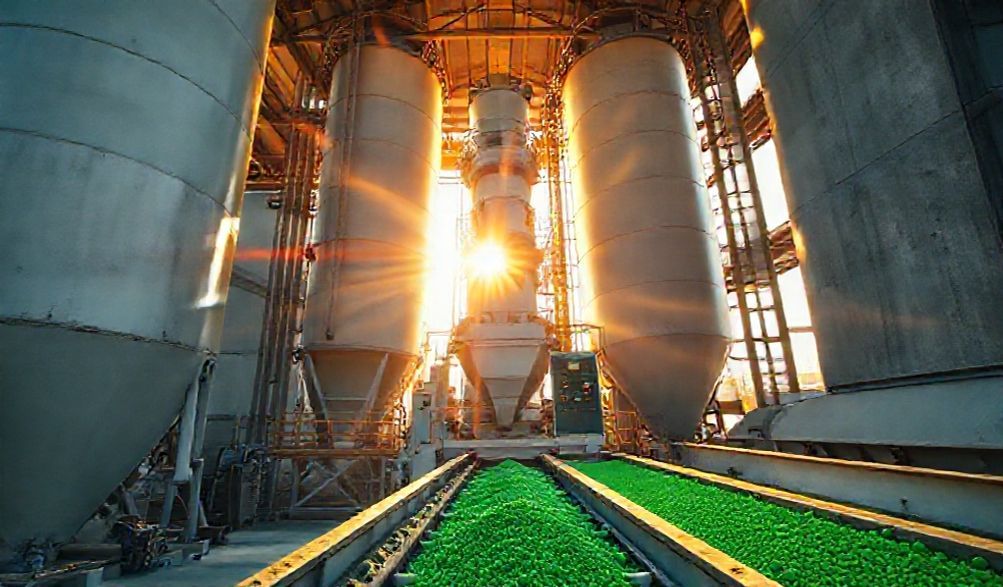
The Complete Guide to Concrete Processing Equipment for Modern Production Lines
Вступ
In the world of concrete production, your equipment is your engine. The reliability, precision, and efficiency of your processing line don’t just influence output—they directly determine your profitability, product quality, and competitive edge. A single bottleneck or consistent inaccuracy can erode margins and damage reputations built over years.
This guide serves as your comprehensive, unbiased resource. We’ll dissect the entire ecosystem of concrete processing equipment, translating complex engineering into practical knowledge. Our aim is to empower business owners, plant managers, and project specifiers to make informed, strategic investment decisions that stand the test of time and demand.
The insights here synthesize established industry standards from bodies like the National Ready Mixed Concrete Association (NRMCA), core mechanical and civil engineering principles, and hard-won operational knowledge from the field. By the end, you will possess a clear framework for understanding key machinery, critical selection criteria, best practices for line integration and maintenance, and the emerging trends shaping the future of production.
Core Components of a Concrete Production Line
A modern concrete plant is a symphony of synchronized systems. Understanding each component’s role is the first step toward optimization.
1. Raw Material Storage & Handling Equipment
This is the foundation. Inefficient handling here creates problems that cascade through the entire process.
-
Silos & Bins: These are the reservoirs of your production line.
- Cement Silos: Typically pressurized for pneumatic conveying, equipped with level indicators and safety valves.
- Supplementary Cementitious Material (SCM) Silos: Separate storage for fly ash, slag cement, or silica fume is essential for modern, sustainable mix designs.
- Aggregate Bins: Often arranged in a “cold feed” system with multiple compartments for different sizes of sand, gravel, or crushed stone. Proper design prevents segregation and bridging.
-
Aggregate Feed Systems: This is the material delivery network.
- Radial Stackers: For large-scale plants, these create stockpiles and reclaim aggregates.
- Conveyors (Belt & Screw): The workhorses for moving bulk materials. Belt conveyors handle aggregates, while enclosed screw conveyors are used for powders like cement.
- Hoppers & Feeders: Gates and vibratory or belt feeders ensure a controlled, consistent flow of material to the next stage, crucial for accurate batching.
-
Water & Admixture Tanks: Precision is paramount.
- Water Tanks: Often heated in colder climates, with meters and pumps for precise delivery.
- Admixture Tanks: Multiple, dedicated tanks are needed for different liquid admixtures (plasticizers, accelerators, retarders). They require corrosion-resistant materials and precise dosing pumps.
2. Batching & Weighing Systems: The Heart of Precision
Here, your mix design transforms from a formula into physical reality. Accuracy in batching is non-negotiable for consistent quality.
-
Cement Weigh Batchers vs. Cement Screws:
- Weigh Batchers: A dedicated scale hopper that weighs cement and SCMs before discharge. This offers the highest accuracy and is standard in central mix plants.
- Cement Screws (Augers): Meter materials by volume. While faster and lower-cost, they are generally less accurate than weigh systems and more susceptible to variation with material density.
-
Aggregate Scales: Multi-compartment aggregate batchers weigh each size fraction separately before combining them. Load cells must be protected from dust, moisture, and mechanical shock.
-
Water & Admixture Metering: Modern systems use coriolis mass flow meters or high-precision volumetric meters for water. Admixtures are dosed by small, highly accurate peristaltic or diaphragm pumps, often to within ±0.1% of the target.
3. Mixing Technology: From Central Mix to Volumetric
The mixer is where the concrete is born. The choice defines your production capability.
-
Central Mixers (Stationary Plant Mixers):
- Twin-Shaft Mixers: The gold standard for high-intensity mixing. Two intermeshing shafts with blades create a forced, shearing action. Ideal for high-strength, high-performance, and fiber-reinforced concrete. They offer fast, homogeneous mixing with short cycle times.
- Pan Mixers: Materials are mixed by rotating stars or blades inside a stationary pan. Excellent for stiff mixes (e.g., for precast blocks, pavers) and mortars.
- Drum Mixers (Tilting or Non-Tilting): The familiar rotating drum, common on ready-mix trucks. In a plant setting, they are often used for larger volume, less intensive mixes.
-
Volumetric Mixers: These mobile units batch and mix concrete by volume on-demand at the job site. They excel in projects with continuous, variable demand or remote locations, eliminating waste from returned concrete.
-
Mixing Cycle Time & Efficiency: This is the total time to load, mix, and discharge. A twin-shaft mixer might have a 60-90 second cycle, while a large drum mixer may take 2 minutes or more. Your mixer’s cycle time sets the theoretical maximum output of your entire plant.
4. Control Systems: The Digital Brain
The control system is the central nervous system that orchestrates everything.
- Automated Batching Controls: Modern PLC (Programmable Logic Controller)-based systems store thousands of mix designs, automate the entire batching sequence, and provide a printed ticket for every load. They eliminate human calculation error and ensure perfect repeatability.
- SCADA & IoT Integration: Supervisory Control and Data Acquisition (SCADA) systems take this further, providing a graphical overview of the entire plant. Integrated IoT (Internet of Things) sensors enable:
- Remote monitoring of production, inventory, and machine health.
- Data logging for full traceability and quality assurance.
- Predictive maintenance alerts based on vibration, temperature, or energy consumption trends.
Selecting the Right Concrete Processing Equipment: A Buyer’s Framework
Choosing equipment is a strategic business decision. This framework moves you beyond sales brochures to a value-based analysis.
Matching Equipment to Your Production Goals
Start by defining your “why.” Ask these key questions:
- What is your required peak and average output (in cubic meters or yards per hour)?
- What types of projects will you supply: commercial ready-mix, complex architectural precast, high-volume paving, or specialty mixes?
- How complex and variable are your mix designs? Will you need to switch between 10 different recipes daily?
- What is your site footprint and layout constraint?
Case Study Snapshot:
* A high-output precast plant manufacturing structural beams would prioritize a high-intensity twin-shaft mixer for fast, perfect homogeneity, a highly automated batching system with precise admixture dosing, and robust material handling for fibers and aggregates.
* A mobile, on-demand operation for remote infrastructure projects would center its investment on a reliable volumetric mixer, simple but durable aggregate bins, and a focus on serviceability in the field.
Critical Evaluation Criteria
Weigh these factors for every major component:
- Міцність та якість виготовлення: Look for heavy-duty steel construction, abrasion-resistant liner plates in mixers and hoppers, and high-quality industrial-grade motors and gearboxes. The paint system should withstand a harsh, alkaline environment.
- Accuracy & Consistency: Demand published tolerances. For batching, standards like NRMCA’s Certification 2 specify strict weight tolerances (e.g., ±1% for cement, ±2% for aggregates). The control system must be capable of maintaining these.
- Енергоефективність: Compare motor ratings (IE3/IE4 premium efficiency) and overall system design. An efficient mixer with a shorter cycle time or a well-designed conveyor system can significantly lower lifetime operating costs.
- Ease of Maintenance & Serviceability: Can you easily access wear parts like mixer blades, seal kits, and conveyor rollers? Is there a local distributor with good parts inventory? Design for maintenance is often what separates good equipment from great.
The Total Cost of Ownership (TCO) Analysis
The purchase price is just the entry fee. A true TCO analysis includes:
- Початкові витрати: Equipment price, shipping, installation, and commissioning.
- Операційні витрати: Energy consumption, routine spare parts (grease, filters), and labor.
- Вартість простою: The lost production revenue from breakdowns. More reliable equipment has a higher upfront cost but a lower TCO.
- Lifespan & Residual Value: A well-built plant maintained properly can operate for 25+ years. What is its potential resale value?
Optimizing Your Concrete Production Line for Efficiency & Quality
Owning the right equipment is half the battle. Optimizing its integration and upkeep unlocks peak performance.
Layout & Flow for Maximum Throughput
Apply lean manufacturing principles to your plant layout.
- Design for a straight, logical material flow from aggregate stockpile to mixer to loading area, minimizing conveyor transfers and travel distances.
- Integrate dust collection systems at transfer points and silo vents to meet environmental regulations and protect worker health.
- Plan for waste management: include a reclaimer system to capture, separate, and reuse sand, aggregate, and water from truck washout. This turns waste into a resource.
Maintenance Protocols to Ensure Reliability & Longevity
Proactive maintenance is the cheapest insurance policy.
-
Implement a Preventive Maintenance (PM) Schedule:
- Daily: Visual inspections for leaks, unusual noises, check grease levels, clean sensors.
- Weekly: Tighten bolts and fasteners, inspect mixer liners and blades, check conveyor belt alignment.
- Monthly: Calibrate water meters, inspect and clean air filters on pneumatic systems, test safety interlocks.
-
Monitor Common Wear Parts:
- Mixer Blades/Liners: Replace when worn beyond manufacturer’s spec to maintain mixing efficiency.
- Conveyor Belts & Idlers: Check for tears, fraying, and seized rollers.
- Seals & Gaskets: Preventative replacement of shaft seals on mixers and pumps avoids catastrophic failures.
Quality Control Integration
Your equipment is your primary quality control tool.
- The accuracy of your batching directly dictates key properties: slump (water content), compressive strength (cement content and w/c ratio), and air entrainment (admixture dosage).
- Use your control system data for QA/QC. Every batch ticket is a record. Trend analysis can spot drifts in scale accuracy or mixer performance before they cause a reject.
- Moisture probes in aggregate bins allow the system to automatically adjust added water, compensating for variable aggregate moisture and ensuring consistent slump.
Emerging Trends in Concrete Processing Equipment
The industry is evolving rapidly. Staying informed positions you for the future.
Automation & Industry 4.0
The move towards “smart plants” is accelerating.
- Повністю автоматизовані рослини: With automated truck loading and drone-based inventory management, some facilities can operate with minimal human intervention.
- AI-Driven Optimization: Algorithms can analyze production data to suggest optimal mixer cycle times, predict the best time for maintenance, and minimize energy use per cubic meter produced.
Sustainability-Focused Innovations
Equipment is adapting to a greener construction ecosystem.
- Processing Recycled Materials: Increased demand for Recycled Concrete Aggregate (RCA) is driving the need for integrated crushers, screens, and washing systems within or alongside batching plants.
- Low-Carbon Mix Support: Equipment is being adapted to handle novel, lower-carbon binders and finer SCMs, which may have different flow and storage characteristics.
- Closed-Loop Water Systems: Advanced reclaimer and water treatment units now allow nearly 100% of process water to be recycled, achieving true zero-discharge operation.
Часті питання (FAQ)
Q1: What is the most important factor when choosing a concrete mixer for a production line?
А: The primary factor is matching the mixer’s capability to your required output and mix quality. For high-volume, high-specification production (precast, paving), a twin-shaft mixer is often critical for its speed and homogeneity. For standard ready-mix, drum mixers are standard. Always balance cycle time, mix versatility, and long-term maintenance needs.
Q2: How can I improve the accuracy of my concrete batching plant?
А: Implement a strict, documented calibration schedule for all weigh scales—at least quarterly. Use certified test weights. Ensure your aggregate feeders are adjusted to prevent material “carryover” from one batch to the next. Also, verify that your control software compensates for factors like material in-flight during discharge.
Q3: What are the key maintenance tasks often overlooked in concrete equipment?
А: Three critical but neglected tasks are: 1) Following the manufacturer’s greasing schedule for mixer shaft bearings and conveyor rollers—under-greasing causes failure, over-greasing attracts abrasive dust. 2) Inspecting and cleaning the air filter on the compressor for pneumatic systems. 3) Quarterly calibration of water and admixture meters, as small drifts here have a massive impact on mix quality.
Q4: Is upgrading to a fully automated control system worth the investment?
А: For virtually any production facility beyond a very small volumetric operation, yes. The ROI comes from multiple streams: drastic reduction in material waste (cement, admixtures), elimination of costly batching errors, lower labor requirements, and the invaluable production data for optimizing efficiency and ensuring quality traceability. The payback period is often surprisingly short.
Q5: What equipment is needed to use recycled concrete aggregate (RCA) in production?
А: To reliably use RCA, you need a dedicated crushing and screening circuit to process demolition concrete into a consistent, spec-grade aggregate. At the batching plant, you’ll need moisture probes on your aggregate bins, as RCA absorbs more water. You may also need enhanced washing or dust control on your handling systems to manage the higher fines content.
Висновок
Selecting and optimizing your concrete processing equipment is one of the most strategic decisions you will make. It impacts every facet of your operation—from daily productivity and cost control to the fundamental quality and consistency of the product you deliver.
Remember, the most successful production line is not merely a collection of individual machines; it is a perfectly synchronized system. The integration of robust hardware with intelligent software, all supported by disciplined maintenance, is what separates market leaders from the rest.
We encourage you to use the frameworks in this guide to conduct a thorough audit of your current operations. Map your goals against your capabilities. For new investments or major upgrades, always consult with qualified engineering firms and equipment specialists who can provide a tailored analysis. Their expertise can help you navigate the specifics of your site, market, and ambition.
Ultimately, investing in modern, efficient, and well-maintained processing equipment is not just an operational expense. It is the foundational investment in building a resilient, competitive, and profitable concrete business for the future.
<