
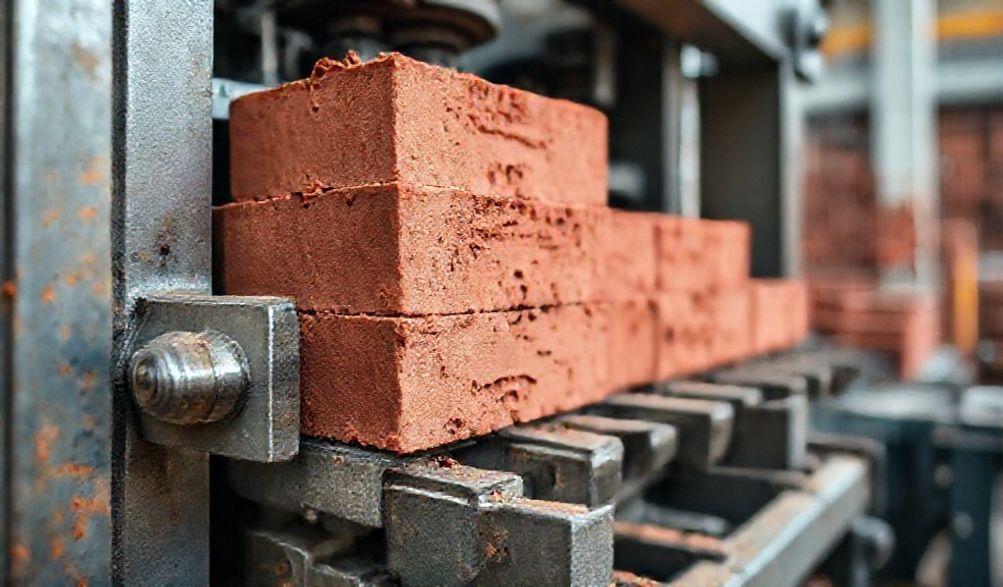
Всебічний посібник щодо цін на машини для виробництва глиняної цегли: Інвестиції, типи та вартість
Вступ
Придбання машини для виробництва глиняної цеглини є ключовим рішенням для будь-якої будівельної компанії, виробника цегли або підприємницького проєкту. Початкова ціна — це лише один елемент значно більшої фінансової головоломки. Справжній успіх полягає в балансуванні цих первинних інвестицій з довгостроковою цінністю, операційною ефективністю та загальною вартістю володіння.
Ринок пропонує приголомшливу кількість варіантів, ціни на які коливаються від кількох тисяч до кількох сотень тисяч доларів. Такий широкий спектр не є довільним — це пряме відображення виробничих потужностей, рівня автоматизації, якості інженерних рішень та репутації бренду.
Цей всеосяжний посібник створений, щоб розвіяти міфи щодо ціноутворення на машини для виробництва цегли. Ми вийдемо за межі простих прейскурантів, щоб дослідити ключові фактори, що визначають вартість, надамо прозорі ринкові діапазони цін та запропонуємо практичні стратегії, які гарантують, що ваші інвестиції забезпечать прибутковість і відповідатимуть конкретним вимогам вашого проекту. Наша мета — надати вам необхідну інформацію для впевненого та обґрунтованого вибору, орієнтованого на реальну цінність.
Розуміння машин для виробництва глиняної цегли: типи та сфери застосування
Перш ніж зрозуміти ціну, потрібно зрозуміти продукт. Тип машини, який ви обираєте, визначає її базові можливості, оптимальну сферу застосування і, відповідно, її місце на ціновій шкалі. Вибір неправильного типу для ваших потреб — це найшвидший спосіб витратити капітал.
Ручні, напівавтоматичні та повністю автоматичні машини
Рівень автоматизації є основним фактором, що відрізняє як функціональність, так і вартість.
-
Ручні верстати:Це найпростіші та найдоступніші варіанти. Вони є ручними пресами або формами, що потребують значної фізичної праці для завантаження, пресування та виштовхування.
- Найкраще для:Ремісниче виробництво, дуже малі проекти, віддалені місця з обмеженим доступом до електроенергії або як низькобюджетний пілотний проект.
- Цінова наслідка:Найнижчі початкові витрати, але найвищі трудові витрати та найнижча продуктивність на годину.
-
Напівавтоматичні верстати:Ця категорія забезпечує вирішальний баланс. Ці машини зазвичай автоматизують цикли пресування та виштовхування цегли, але можуть вимагати ручного завантаження сирої глини або вилучення готової цегли.
- Найкраще для:Малі та середні підприємства, підприємства, що розширюються, а також ті, хто прагне значно підвищити продуктивність без капітальних витрат на повну автоматизацію.
- Цінова наслідка:Помірні інвестиції з високою віддачею завдяки скороченню витрат на працю та збільшенню стабільного виробництва.
-
Повністю автоматичні машини: These are industrial-grade production lines. They integrate automated material feeding, high-pressure pressing or extrusion, curing systems, and brick stacking/packaging, often controlled by programmable logic controllers (PLCs).
- Найкраще для: Large-scale brick manufacturing plants, high-volume commercial projects, and operations where labor costs are high and consistency is paramount.
- Цінова наслідка: Highest initial investment, but lowest cost per brick due to minimal labor and maximum efficiency at scale.
Key Machine Components and Their Impact on Function
A machine’s price is essentially the sum of its parts. Higher-quality components command higher prices but deliver superior performance and longevity.
- The Molding System: This is the heart of the machine. A high-precision, hardened steel mold and a robust hydraulic pressing system (more expensive than mechanical systems) produce denser, stronger bricks with better dimensional accuracy.
- The Power System: The choice between a standard electric motor, a high-torque electric motor, or a diesel engine affects not only the machine’s placement (grid-tied vs. remote) but also its long-term operational costs and power.
- Система управління: Ranges from basic lever and switch operation to advanced touch-screen PLC panels. Sophisticated controls increase price but allow for precise pressure settings, cycle timing, and diagnostic monitoring, reducing waste and downtime.
- Frame and Build Quality: A machine built with heavy-duty, reinforced steel plate will withstand constant vibration and pressure far better than one with a lighter frame. This directly impacts machine stability, product consistency, and operational lifespan.
Primary Factors Determining Clay Brick Machine Price
When comparing machines, you are comparing the value of these interconnected variables. Understanding them allows for an apples-to-apples comparison.
Виробнича потужність (Цеглин на годину)
Capacity is the most straightforward price driver. Output is measured in Bricks Per Hour (BPH). A machine rated for 2,000 BPH will be fundamentally different—and less expensive—than one rated for 20,000 BPH. Higher capacity requires:
* A more powerful motor.
* Larger or multiple mold cavities.
* A faster cycle speed.
* A heavier, more vibration-resistant frame.
Each of these upgrades adds cost.
Рівень автоматизації та технологій
As detailed in the machine types, automation is a primary cost factor. The jump from semi-automatic to fully automatic involves integrating and synchronizing multiple subsystems:
* Automated clay feeders and mixers.
* Conveyor belt systems.
* PLC-controlled sequencing.
* Automated palletizers or stackers.
This integration adds significant engineering and hardware costs but delivers unparalleled efficiency.
Machine Brand, Origin, and Build Quality
- Established Brands: Manufacturers with decades of reputation often price their machines at a premium. This premium typically buys you proven reliability, extensive R&D, comprehensive after-sales service networks, and readily available spare parts. It reduces long-term risk.
- Country of Origin: Manufacturing costs vary globally. Machines from certain regions may offer very competitive prices. However, it’s crucial to factor in potential differences in material standards, engineering tolerances, and the availability of local service support. Import duties and shipping logistics also affect the final landed cost.
- Material and Engineering: A machine constructed from commercial-grade steel with standard components will cost less than one using industrial-grade, wear-resistant alloys and precision-machined parts. The latter offers a higher upfront cost but pays dividends in durability, lower maintenance frequency, and sustained production quality.
Clay Brick Machine Price Ranges: A Detailed Breakdown
Note: The following are estimated market price ranges in USD. Final prices can fluctuate based on exact specifications, currency exchange, freight costs, and regional market conditions. Always request detailed, itemized quotes.
Entry-Level & Manual Machine Prices
Ideal for startups, hobbyists, small community projects, or testing a business model.
* Діапазон цін: $1,000 – $8,000
* Typical Capacity: 200 – 1,500 BPH
* What to Expect: Basic mechanical or simple hydraulic operation, manual feeding and brick removal, interchangeable molds for different brick sizes, and a relatively portable design.
Mid-Range & Semi-Automatic Machine Prices
The sweet spot for most growing businesses seeking to scale production efficiently.
* Діапазон цін: $8,000 – $50,000
* Typical Capacity: 1,500 – 6,000 BPH
* What to Expect: A mix of automated pressing/ejection and manual processes, stronger and more reliable hydraulic systems, options for different mold types (solid, hollow, interlocking), sturdier frames, and often basic electronic controls for cycle management.
High-Capacity & Fully Automatic Plant Prices
Designed for industrial-scale manufacturing where output, consistency, and labor savings are critical.
* Діапазон цін: $50,000 – $500,000+
* Typical Capacity: 6,000 – 30,000+ BPH
* What to Expect: A complete, synchronized production line. This includes auto-feeders, high-pressure extruders or multi-stage presses, advanced PLC control panels, integrated curing systems (like tunnel dryers), and automated handling/packaging systems. Prices at the upper end reflect custom engineering and turnkey plant solutions.
Beyond the Sticker Price: Total Cost of Ownership
The invoice price is the first chapter of your investment story. A savvy buyer plans for the Загальна вартість володіння (TCO), which reveals the machine’s true financial impact over its lifespan.
Installation, Training, and Setup Costs
The machine must be integrated into your facility. Key costs include:
* Site preparation and a level, reinforced concrete foundation.
* Electrical work (for electric models) or fuel storage/plumbing (for diesel).
* Initial calibration and test runs with your specific clay mix.
* On-site operator and maintenance training from the supplier (may be included or an extra charge).
Operational Costs: Power, Labor, and Maintenance
These are the recurring costs that determine your profit margins.
* Споживання енергії: Electric machines have a clear kWh cost. Diesel engines have fuel and maintenance costs. High-efficiency motors may cost more upfront but save significantly on long-term energy bills.
* Праця: This is where automation shows its value. A fully automatic line may require 2-3 operators, while a manual line producing the same output might need 10-15. Calculate labor savings into your ROI.
* Routine Maintenance & Spare Parts: All machines require upkeep. Budget for:
* Wear parts: Molds, liners, seals, and hydraulic hoses need periodic replacement.
* Lubricants and filters.
* Scheduled servicing by a technician.
Long-Term Value: Durability and ROI Considerations
A cheap machine that frequently breaks down has an exorbitant TCO. Evaluate:
* Expected Lifespan: A well-built machine should last 10-20 years with proper maintenance.
* Warranty Terms: Look for at least 1 year on the whole machine and 2+ years on critical components like the hydraulic system and main frame.
* Return on Investment (ROI): Calculate this using the formula:
(Annual Profit from Machine Output / Total Investment Cost) x 100
Your “total investment” includes purchase price, setup, and estimated annual operational costs. A more expensive, reliable machine often achieves a faster and more sustainable ROI than a problematic, cheaper alternative.
How to Get the Best Value for Your Investment
Vetting Suppliers and Requesting Quotes
Your relationship with the supplier is as important as the machine itself.
* Research: Look for suppliers with a verifiable track record. Check business longevity, online reviews, and ask for client references—and actually contact them.
* Request Detailed Quotes: A professional quote should be itemized, specifying model, capacity (BPH), motor power, mold type included, warranty details, and terms of delivery (e.g., FOB, CIF). Avoid vague, all-in-one prices.
The Importance of After-Sales Service and Warranty
Technical support is non-negotiable. Ensure the supplier offers:
* Clear warranty coverage and exclusions.
* Accessible technical support (phone, email, remote diagnostics).
* A reliable supply chain for spare parts.
* Availability of service engineers for on-site visits if needed.
Key Questions to Ask Before Purchasing
- Can you provide a video or live demonstration of this specific model running with a clay mix similar to mine?
- What is the expected brick output (BPH) with a standard mix, and what factors could reduce it?
- Can I receive a list of recommended critical spare parts with their prices?
- What is included in your standard warranty? What is the process for making a warranty claim?
- Do you offer installation supervision or training? Is it included, or what are the costs?
- May I speak to two current customers in my region who have purchased this model in the last 18 months?
Часті питання (FAQ)
Q: What is the cheapest type of clay brick machine I can buy?
А: Manual, hand-operated brick presses are the most affordable, with basic models starting around $1,000 to $3,000. They are suitable only for very low-volume or artisanal production and have high labor costs.
Q: How much does a standard medium-capacity brick making machine cost?
А: A reliable semi-automatic machine, which is the workhorse for many small to medium businesses, with a capacity of 2,000-4,000 BPH typically costs between $15,000 and $35,000. The final price depends on brand, features (like mold type), and the level of automation included.
Q: Are used clay brick machines a good option to save money?
А: They can be, but carry inherent risk. Only consider a used machine if you can have it thoroughly inspected by a qualified technician, it comes with a full service history, and spare parts are still available from the manufacturer. The potential savings must be carefully weighed against the lack of warranty and higher risk of unexpected downtime and repair costs.
Q: Does a higher price always mean better quality?
А: Generally, yes, as it correlates with superior materials, engineering, and components. However, it’s not an absolute rule. Your due diligence should confirm that the higher price is justified by tangible value—such as better energy efficiency, a more robust design, or exceptional after-sales service—and not just brand name or unnecessary features you don’t need.
Q: What hidden costs should I budget for?
А: Beyond the machine price, proactively budget for: international shipping and import duties (if applicable), site preparation and foundation work, electrical upgrades or fuel infrastructure, initial raw material testing and mix development, comprehensive operator training, and a reserve fund (typically 5-10% of machine cost) for initial spare parts and unplanned maintenance.
Висновок
Investing in a clay brick machine is a strategic decision where price is a crucial signal, not the sole message. As we’ve explored, the final cost is a composite of capacity, automation, engineering quality, and the supplier’s commitment to your long-term success.
The most economical choice is rarely the cheapest sticker price. True value is found in the machine that delivers the optimal balance of reliable performance, efficient operation, and strong technical support—ensuring maximum uptime and a strong return on your investment.
By thoroughly understanding the pricing landscape, calculating the true total cost of ownership, and rigorously vetting suppliers against principles of Experience, Expertise, Authoritativeness, and Trustworthiness (E-E-A-T), you can move beyond price tags. You’ll be positioned to make a confident capital investment that literally and figuratively builds the foundation for your business’s growth and profitability for years to come.
<