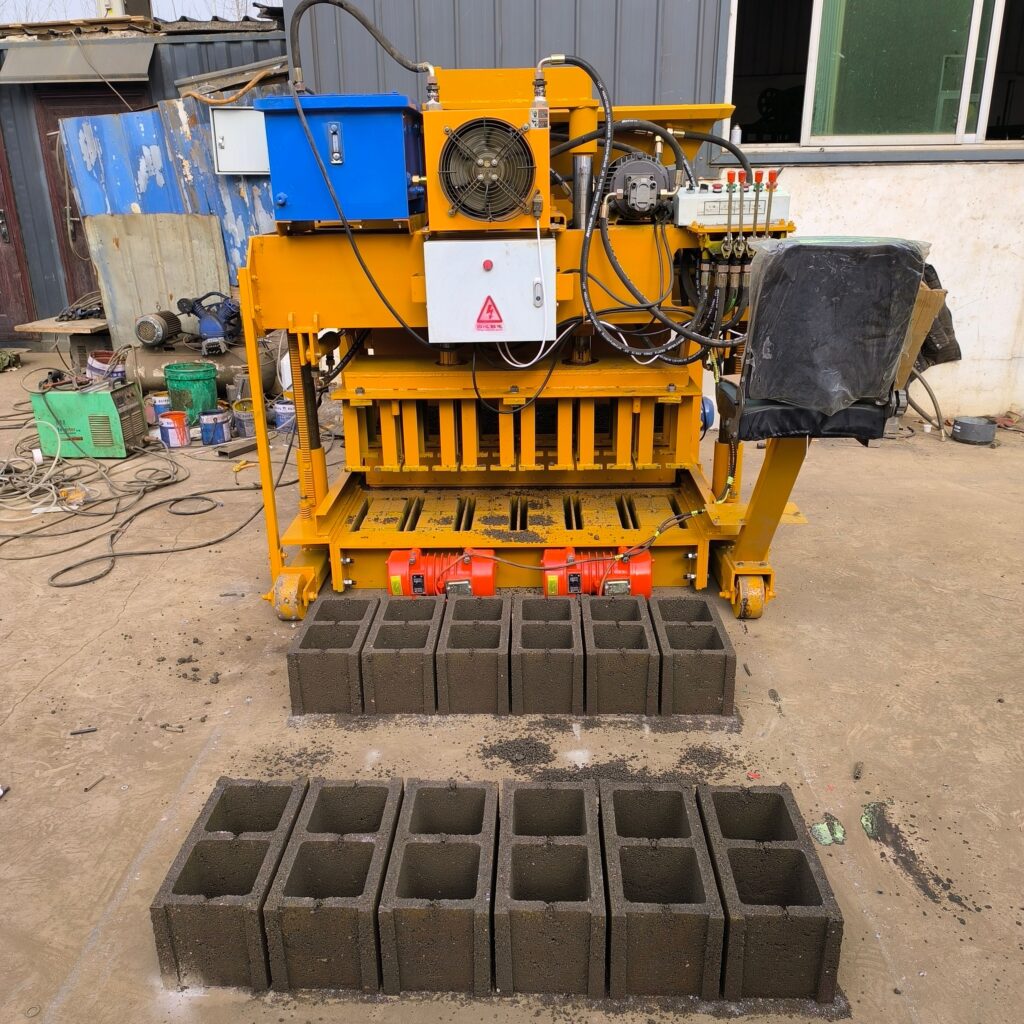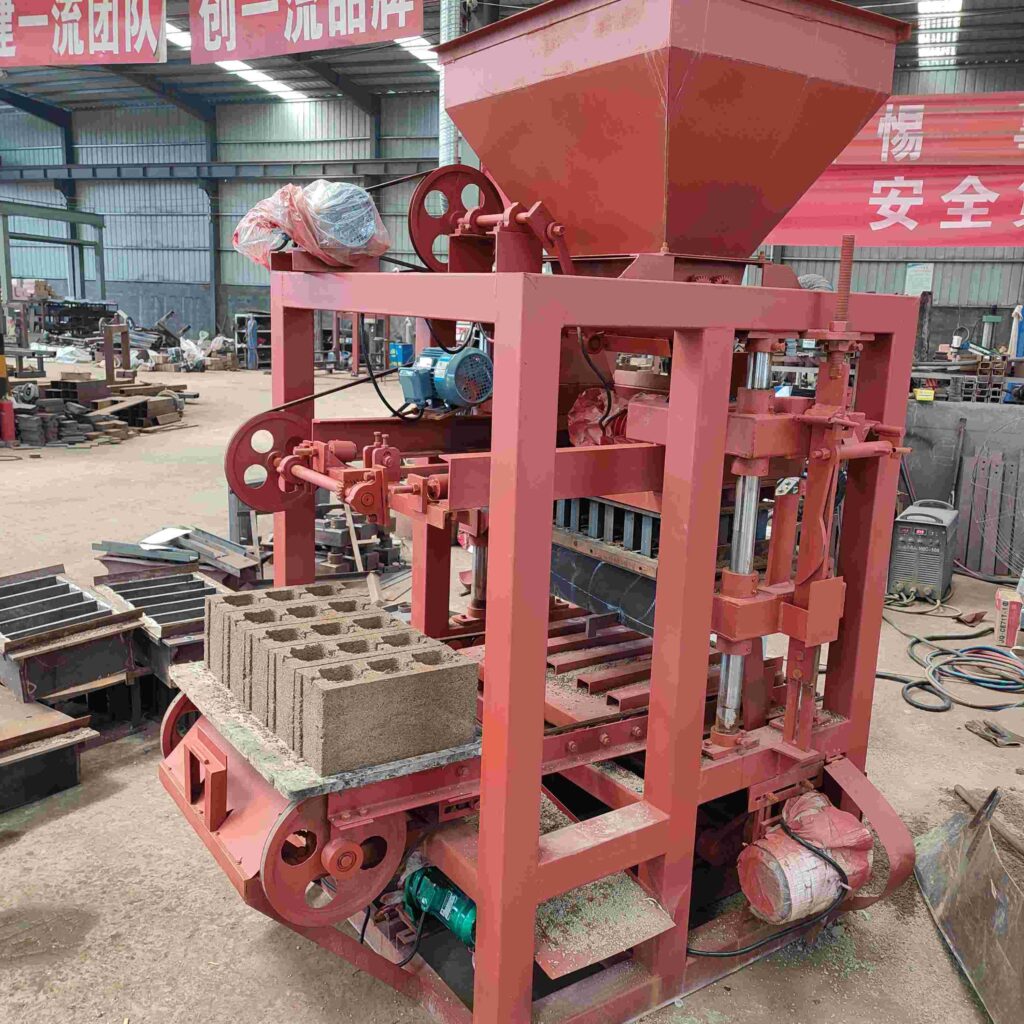
A Systematic Framework for Guaranteed Compliance
Achieving and maintaining code compliance is an active, continuous process built on four interconnected pillars: knowledge acquisition, specification alignment, verified production, and traceable documentation.
1. The Foundation: Knowledge of the Applicable Regulatory Framework
You cannot comply with a code you do not understand. The first step is a meticulous mapping of the regulatory landscape.
- 1.1. Identifying the Governing Codes:
Local building codes are rarely invented from scratch. Most jurisdictions adopt and amend model codes.- Primary Model Codes: In the United States, this is the International Building Code (IBC). Other regions may use codes like the National Building Code of Canada (NBCC) or Eurocodes.
- The Adoption and Amendment Process: Critically, a city, county, or state does not simply adopt the IBC verbatim. They publish a local code that may include amendments, deletions, or specific additions. You must obtain and study the actual adopted code for every jurisdiction you supply. This information is typically available from the local building department or online municipal code library.
- 1.2. Understanding the Referenced Standards:
Building codes do not specify how to make a block. Instead, they reference consensus standards that define the product.- The Critical Link: For concrete blocks, the IBC and similar codes will state: “Concrete masonry units shall conform to ASTM C90” (for load-bearing) or “ASTM C129” (for non-load-bearing). Therefore, compliance with the referenced ASTM standard is the primary pathway to code compliance.
- Other Referenced Standards: Codes may also reference standards for fire resistance (ASTM E119), sound transmission, or specific seismic detailing requirements that impact block properties.
2. The Production Mandate: Aligning Process with Specification
With knowledge of the required standard (e.g., ASTM C90), you must engineer your production process to meet it consistently.
- 2.1. Designing for the Minimum Specified Strength:
The most cited code requirement is compressive strength. Your mix design, compaction process, and curing regime must be scientifically developed to not just meet, but reliably exceed the minimum net area compressive strength specified (e.g., 2,000 psi, 2,500 psi) with a comfortable safety margin that accounts for normal production variation. - 2.2. Controlling Critical Physical Properties:
ASTM C90 and other standards mandate more than just strength. Your quality control system must actively monitor and enforce:- Dimensional Tolerances (face shell thickness, length, height).
- Moisture Absorption Limits (especially for Type I, moisture-controlled units).
- Minimum Web Thickness.
A failure in any of these areas renders the block non-compliant, regardless of its strength.
- 2.3. Implementing a Robust Quality Assurance (QA) Program:
Compliance cannot be guessed; it must be measured. An in-plant QA program is non-negotiable.- Routine Destructive Testing: Following ASTM C140, regularly test samples for compressive strength and absorption.
- Non-Destructive & Dimensional Checks: Implement daily checks for weight, dimensions, and visual defects as leading indicators of process drift.
- Third-Party Plant Certification: Enrolling in a program like the National Concrete Masonry Association (NCMA) plant certification provides an external audit of your QA system and is often a prerequisite for supplying to commercial jobs, as it gives building officials confidence in your product.
3. The Proof: Documentation and Traceability
When a building inspector or project engineer asks for proof, you must be able to provide it instantly. Your documentation is your legal defense.
- 3.1. Mill Test Certificates (Certified Test Reports):
For every shipment, especially to a code-governed project, you must generate a lot-specific report. This document certifies that a sample from that production lot was tested and met all requirements of the referenced standard (ASTM C90). It should include the testing date, compressive strength results, and be signed by a responsible company official. - 3.2. Maintaining a Quality Control Log:
A permanent, traceable log that records daily production parameters, mix designs, test results, and any corrective actions creates an auditable history. This demonstrates a commitment to consistent quality, not just a one-time test. - 3.3. Product Identification and Labeling:
Pallets or bundles should be clearly marked with the producer’s name, the plant location, and the governing standard (e.g., “ASTM C90”). This allows for identification on the job site.
Conclusion: Compliance as a Core Business Strategy
Ensuring block production meets local building codes is a holistic business discipline, not a last-minute inspection. It begins with a proactive effort to understand the specific legal requirements of your market, is executed through a manufacturing process rigorously designed to meet referenced national standards, and is validated by an unwavering commitment to testing and documentation. For the producer, this system is the ultimate risk management tool, shielding the business from liability and building a brand synonymous with reliability. For the distributor, partnering with code-compliant, certified manufacturers is the only way to guarantee that the materials you supply will pass inspection and perform as intended. In the built environment, where safety is paramount, code compliance is the absolute baseline for participation and the cornerstone of professional credibility.
FAQ
Q1: What if our local code references a different standard than ASTM, like a national standard from another country?
A: The governing standard is the one referenced in the code you are supplying to. Your entire compliance framework must shift to that standard. This may require different testing protocols, different minimum property values, and potentially new certifications. You must obtain a copy of that specific standard and align your production and QA to it. Supplying ASTM-compliant blocks to a market requiring EN 771-3 compliance, for example, is not acceptable.
Q2: Who is ultimately responsible for code compliance—the manufacturer, the distributor, or the contractor?
A: Legally, responsibility is often shared, but it flows downstream. The ishlab chiqaruvchi is responsible for producing a compliant product and providing authentic documentation. The distributor/supplier is responsible for ensuring the products they sell are from compliant manufacturers and for furnishing the required documentation to the contractor. The contractor/builder is responsible for installing compliant materials and is typically the party held accountable by the building inspector. However, if failure occurs, liability will追溯 back through the chain.
Q3: How often should we be testing to ensure ongoing compliance?
A: Testing frequency should be based on a statistically sound plan, not convenience. ASTM C140 provides guidance on sampling rates. As a best practice for a continuous operation, testing at least one sample per day per production line is a common minimum for compressive strength. More frequent non-destructive checks (weight, dimensions) should occur hourly. Any change in mix design or raw material source triggers an immediate new round of verification testing.
Q4: Can a block be compliant with the standard but still be rejected on a job site?
A: Yes, this can happen. The most common reasons are: 1) Damage: Blocks broken during handling are not compliant for installation. 2) Storage: Blocks stored improperly and saturated may exceed moisture limits at the time of installation, even if they passed at the plant. 3) Project Specifications: The project’s own technical specs may be stricter than the code (e.g., requiring 2,500 psi where the code only requires 2,000 psi). You must meet the stricter requirement.
Q5: Is self-certification (our own mill test certificate) sufficient for most projects?
A: For small residential projects, it may be accepted. However, for virtually all commercial, institutional, or public works projects, third-party certification is required. Engineers and building officials rely on the independent verification provided by programs like NCMA plant certification. Investing in this certification is essential for accessing higher-value markets and is the strongest proof of your commitment to compliance.