Asosiy Tarkibiy Qismlar va Ularning Vazifalari
Yuqori samaradorlikdagi blok aralashmasi oddiy "beton" dan ko'ra ko'proq narsadir. Bu har bir komponent kalıplama jarayoni va yakuniy blokning xususiyatlari uchun muhim bo'lgan muayyan vazifani bajaradigan ehtiyotkorlik bilan ishlab chiqilgan aralashmadir.
A. Agregatlar: Blokning Skeleti
Agregatlar aralashma hajmining taxminan 85-90% ini tashkil etib, hajm barqarorligi, mustahkamlik va chidamlilikni ta'minlaydi.
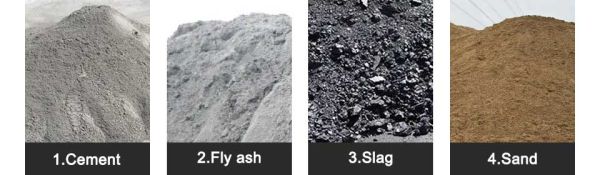
- Mayda agregatlar (qum):Odatda qo'pol, o'tkir donali qum (masalan, beton qumi) muhim ahamiyatga ega. U katta zarrachalar orasidagi bo'shliqlarni to'ldiradi, sirt qoplamasiga hissa qo'shadi va blok mashinalarida talab qilinadigan yuqori zichlikka erishishda muhim rol o'ynaydi. Qumning namlik miqdori qattiq nazorat qilinishi va doimiy ravishda kuzatilishi kerak.
- Dag‘al To‘ldiruvchilar (Shag‘al yoki Maydalangan Tosh)Zarracha oʻlchami 3/8″ va 1/4″ (10 mm dan 6 mm gacha) boʻlgan bu zarralar siqilish mustahkamligini taʼminlaydi. Har xil oʻlchamdagi zarralar bir-biriga zich joylashadigan yaxshi darajalangan agregat aralashmasi sement xamiri talabini kamaytirish va qisqarishni minimallashtirish uchun muhim omil hisoblanadi.
B. Binder: Uni birga ushlab turadigan yelim
- Sement:Portland sementi (I yoki II tur) standart hisoblanadi. Sement miqdori barcha agregat zarralarini qoplash va ularni hidratatsiyadan keyin bog‘lash uchun yetarli bo‘lishi kerak, lekin haddan tashqari qisqarish yoki xarajatga olib keladigan darajada yuqori bo‘lmasligi lozim. Oddiy nisbat quruq vazn bo‘yicha 1 qism sementga 6-8 qism agregatdir.
- Qo‘shimcha sement materiallari (SCMlar):Fly ash yoki maydalangan granulalangan domna shlaklari kabi materiallar sementni qisman almashtirishi mumkin. Ular ko‘pincha ishlov berish qulayligini yaxshilaydi, uzoq muddatli mustahkamlikni oshiradi va aralashmaning uglerod izini kamaytiradi, bu esa bozorda tobora qadrlanadigan xususiyatdir.
C. Suv: Faollashtiruvchi Agent
Suv sementni qattiqlashtiradigan kimyoviy reaksiyani (gidratatsiyani) boshlaydi.-su nisbatiBu, eng muhim omil deyish mumkin. Suv miqdori juda kam bo'lsa, aralashma quruq va ishlov berishga yaroqsiz bo'lib, to'g'ri ixchamlashmaydi, natijada zaif va mo'rt bloklar paydo bo'ladi. Suv miqdori juda ko'p bo'lsa, yakuniy mahsulot zaiflashadi, haddan tashqari qisqarishiga sabab bo'ladi va bilan ishlashda blok deformatsiyasiga olib kelishi mumkin.
D. Qo'shimchalar: Samaradorlikni oshiruvchi moddalar
Small chemical additions can significantly refine mix behavior.
- Water Reducers/Plasticizers: Allow for a lower w/c ratio while maintaining workability, thereby increasing final strength.
- Hydration Control Admixtures: In warm climates or for large batches, these can slow the setting time, ensuring consistent workability throughout the production run.
- Pigmentlar: For colored blocks, high-quality, UV-stable mineral oxide pigments are dispersed thoroughly during the mixing phase.
II. The Step-by-Step Mix Preparation Process
Consistency in procedure is as vital as consistency in materials.
A. Precise Batching and Proportioning
- Weight-Based Batching: Volumetric batching is strongly discouraged for quality block production. All materials—aggregates, cement, SCMs—must be batched by weight using calibrated scales. This is the only method accurate enough to ensure a consistent mix from batch to batch.
- Moisture Compensation: Since sand is often surface-moist, its moisture content must be tested frequently (e.g., using a microwave or probe). The batch water amount must then be reduced to account for the free water already present in the sand. Automated batching plants with moisture sensors perform this compensation in real-time.
B. The Mixing Cycle: Achieving Homogeneity
- Mixer Type: A forced-action pan mixer or a high-intensity paddle mixer is preferred over a drum mixer for block production. These mixers are more effective in coating the often stiff, low-slump mix uniformly.
- Mixing Sequence: A standard sequence is:
- Load and mix dry aggregates (sand and stone) briefly.
- Add about 75% of the calculated water and mix.
- Add cement (and SCMs/pigments) and the remaining water/admixtures.
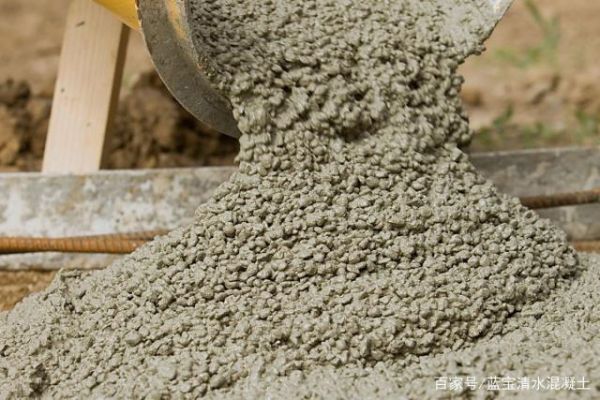
- Mix thoroughly for a set time (typically 3-5 minutes) until a completely homogeneous, granular mixture is achieved. The mix should ball in hand yet crumble slightly—a state known as “earth-moist.”
III. Key Quality Checks: The “Ready-to-Use” Mix
Before the mix enters the block machine hopper, it must pass critical checks.
A. The Ball Test
Take a handful of the mixed material and squeeze it firmly in your fist. It should form a cohesive ball that holds its shape. When dropped from waist height onto a hard surface, the ball should break apart into several pieces, not shatter into dust or remain as a single lump. This indicates an optimal moisture content for compaction.
B. Visual and Tactile Inspection
The mix should appear uniform in color, with all aggregate particles fully coated in the cement paste. There should be no dry pockets or areas of excess water. It should feel gritty yet cohesive.
Xulosa
Mastering mix preparation is the cornerstone of successful block production. It transforms a collection of raw materials into a predictable, high-performance feedstock that allows modern block-making machinery to realize its full potential. For the professional in the supply chain, promoting this knowledge—emphasizing weight batching, moisture control, and proper mixing—adds immense value for end-users. It directly influences the durability, structural performance, and aesthetic consistency of the final blocks, reducing waste and production costs while building a reputation for quality that strengthens the entire distribution network. In essence, the perfect block is born not in the machine alone, but in the mixer.
FAQ
Q1: What is the single most common mistake in mix preparation for block machines?
A: The most common and critical mistake is inaccurate water control, either from volumetric batching of materials or failing to account for moisture in the sand. An inconsistent water-cement ratio leads directly to unpredictable block strength, poor surface finish, and handling issues.
Q2: Can we use regular “ready-mix” concrete for block making?
A: Generally, no. Standard ready-mix concrete is designed for pouring and pumping (high slump), while block mix requires a very stiff, “no-slump” or “earth-moist” consistency. Using ready-mix would result in blocks that cannot hold their shape after molding.
Q3: How often should we test the moisture content of our sand?
A: Frequency depends on environmental conditions and storage. As a minimum, test at the start of each production day and after any significant weather event (rain, high humidity). For consistent, high-volume production, testing every few hours or using an automated continuous monitoring system is recommended.
Q4: What are the signs of a poorly prepared mix during production?
A: Key signs in the machine include: difficulty in completely filling molds, blocks sticking to the mold or pallet, “green” blocks deforming or cracking during handling, and excessive dust or crumbling. All indicate issues with moisture content, grading, or mixing homogeneity.
Q5: How does mix design affect production speed and machine wear?
A: An optimal, consistent mix flows smoothly through the feeder, compacts efficiently, and releases cleanly from molds. This maximizes cycle speed and minimizes downtime. Conversely, a poorly graded or overly abrasive mix can increase wear on mixer blades, mold liners, and the feed system.