
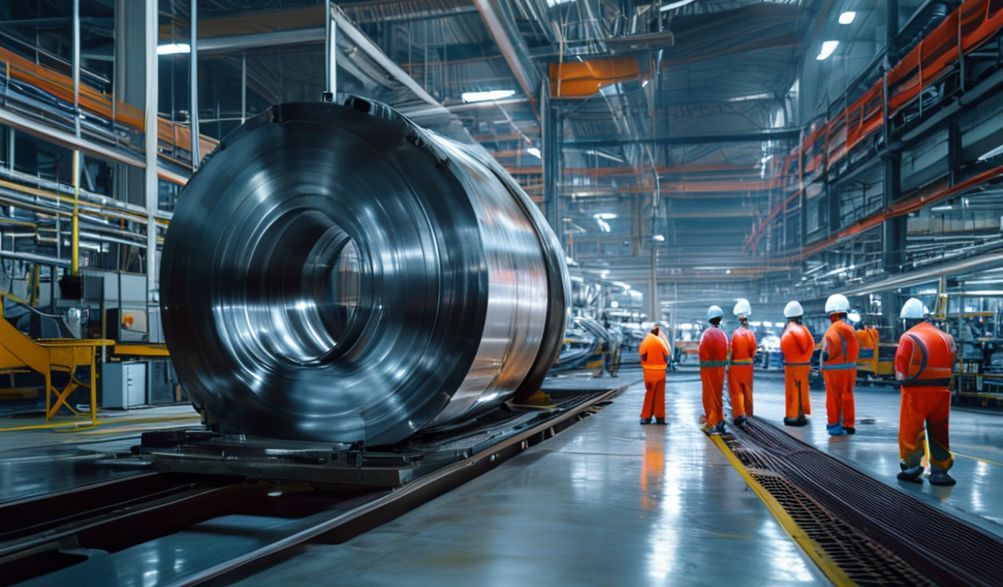
Tìm Kiếm Nhà Máy Sản Xuất Máy Ép Gạch Khối Rỗng Chất Lượng Nhất: Hướng Dẫn Cho Người Mua Năm 2026
Giới thiệu
Trong thế giới xây dựng, tính toàn vẹn của dự án bắt đầu từ lâu trước khi đổ nền móng đầu tiên. Nó khởi nguồn từ nhà xưởng nơi thiết bị của bạn được tạo ra. Máy làm gạch block không chỉ là một khoản mua sắm; đó là trái tim của dây chuyền sản xuất gạch, một đối tác lâu dài cho lợi nhuận và tăng trưởng. Tuy nhiên, một quyết định dựa trên thông tin không đầy đủ—lựa chọn một chiếc máy dễ hỏng hóc khi vận hành hay một nhà máy biến mất sau khi bán hàng—có thể dẫn đến những chậm trễ dự án thảm khốc, chi phí leo thang và vật liệu xây dựng kém chất lượng làm tổn hại đến an toàn.
Vấn đề cốt lõi đối với người mua hiện nay không phải là thiếu lựa chọn, mà là sự dư thừa đến choáng ngợp. Chỉ cần tìm kiếm trực tuyến nhanh chóng, hàng nghìn nhà sản xuất trên toàn cầu hiện ra, ai cũng tuyên bố cung cấp "chất lượng tốt nhất" với "giá thấp nhất." Đối với các công ty xây dựng, doanh nhân đầy tham vọng và cán bộ thu mua, sự ồn ào này khiến việc xác định đối tác thực sự uy tín trở thành một thách thức đầy khó khăn và rủi ro cao.
Đây là giải pháp dành cho bạn. Được đúc kết từ nhiều năm quan sát ngành, phân tích kỹ thuật và trực tiếp làm việc với các nhà sản xuất, nó vượt xa những cuốn brochure hào nhoáng và lời chào mời bán hàng. Chúng tôi sẽ cung cấp cho bạn một khuôn khổ đánh giá rõ ràng, có thể áp dụng ngay vào thực tế. Trọng tâm của chúng tôi là các chỉ báo cụ thể về trình độ kỹ thuật xuất sắc, tính toàn vẹn trong sản xuất và độ tin cậy lâu dài - những yếu tố phân biệt các nhà dẫn đầu thị trường với phần còn lại.
By the end of this guide, you will possess more than just information; you’ll have a strategic checklist and the critical questions needed to confidently select a factory. This partnership will be defined not by its initial price tag, but by its unwavering commitment to your productivity, durability, and ultimate return on investment.
What Defines “Best Quality” in Hollow Block Machinery?
“Best quality” is a term often used but rarely defined with precision. In hollow block machinery, it is not a single feature but a holistic symphony of design, materials, and performance. Understanding these core pillars is the first step in becoming an informed buyer.
Engineering and Design Principles
The foundation of a quality machine is its design philosophy. Look for these principles:
* Robust Frame Construction: The frame must be a monolithic, vibration-dampening structure, often fabricated from heavy-duty steel plates and reinforced channels. It should withstand millions of high-pressure cycles without warping or fatigue.
* Thiết kế khuôn mẫu chính xác: Molds are the soul of the machine. Top factories design molds with specialized alloys, precise tolerances, and sophisticated release mechanisms to ensure perfect block geometry, smooth demolding, and extended lifespan.
* Intelligent Systems Integration: Whether hydraulic or pneumatic, the power system must be intelligently engineered. This means smooth, controlled pressure application, minimal energy waste as heat, and programmable logic controllers (PLCs) that allow for easy adjustment of vibration time, pressure, and cycle speed.
Core Components and Material Grade
A machine is only as good as its weakest component. Premium factories are transparent about their component sourcing.
* Thép kết cấu: High-grade, wear-resistant steel (e.g., Hardox or equivalent) should be used for key wear parts like the mold table and press head.
* Hệ thống thủy lực: This is the circulatory system. The use of recognized international brands like Bosch Rexroth, Yuken, or Parker for pumps, valves, and cylinders is a primary indicator of reliability and consistent performance.
* Electrical Systems: The nervous system should be built with components from leaders like Siemens, Schneider, or Omron. This ensures operational stability, safety, and compatibility with modern automation.
Performance Metrics
Quality must be measurable. Reputable factories provide clear, testable performance data.
* Consistent Block Density: The machine must produce blocks with uniform density and compressive strength (measured in MPa) across every production cycle, crucial for structural integrity.
* High Output & Efficiency: Look at blocks-per-hour rates under standard conditions. A quality machine achieves high output with optimal energy consumption (kWh/block).
* Operational Refinement: Low noise and vibration levels are not just about comfort; they indicate superior balancing, solid construction, and reduced wear on components.
Safety and Compliance
Safety is non-negotiable. Quality is engineered into the machine’s safety protocols.
* Built-in Safety Features: These include emergency stop circuits, mechanical guards on moving parts, two-hand operation controls for certain cycles, and pressure relief valves.
* International Certifications: While not a guarantee alone, certifications like the CE Mark (for the European market) demonstrate a factory’s commitment to designing to rigorous health, safety, and environmental standards. ISO 9001 certification indicates a systematized quality management process.
Key Factors for Evaluating a Factory’s Credibility
The machine’s specs tell one story; the factory that builds it tells the complete one. Your due diligence must extend to the manufacturer’s ecosystem.
Manufacturing Infrastructure & Capability
A factory’s physical plant reveals its ambitions. The best invest in controlling their production chain.
* Nghiên cứu và Phát triển Nội bộ: A dedicated engineering team focused on innovation and solving client-specific problems is a huge plus.
* Advanced Fabrication: Look for evidence of CNC machining centers for precision parts, automated welding robots for consistent, high-strength welds, and modern painting/anti-corrosion treatment lines.
* Assembly Process: The assembly floor should be organized, clean, and systematic. A disorganized assembly area often leads to inconsistent final product quality.
Quality Control Protocols
Quality cannot be inspected into a product; it must be built in. Probe deeply into their QC stages.
* Multi-Stage Process: This should include:
* Incoming inspection of raw materials and purchased components.
* In-process inspection during machining and welding (e.g., ultrasonic testing).
* Pre-delivery testing where every machine undergoes a full cycle test with actual materials to verify performance specs.
* Tài liệu: They should provide test certificates for major components and a final inspection report for the assembled machine.
Technical Expertise & After-Sales Support
The relationship begins after the invoice is paid. The factory’s support structure is critical.
* Engineering Depth: Can they provide expert consultation on mix design or plant layout? This shows applied knowledge.
* Comprehensive After-Sales: Expect detailed installation manuals, on-site or virtual installation guidance, and thorough operator training.
* Spare Parts Pledge: A clear policy on spare parts availability—with a stocked inventory and short lead times—is essential for minimizing downtime. Ask about their average response time for technical support.
Transparency & Client Validation
A trustworthy factory has nothing to hide and uses its clientele as its strongest reference.
* Virtual Open Doors: In the modern era, willingness to provide live video tours of the factory floor or specific machines is a strong positive signal.
* Detailed, Clear Documentation: Technical brochures should be detailed, with clear specifications, not just marketing fluff.
* Genuine References: The most valuable step is speaking to past buyers. A top factory will gladly connect you with 2-3 contactable international clients who have purchased similar equipment. Prepare specific questions about machine performance and support.
Global Landscape: Leading Manufacturing Hubs and Their Specialties
Understanding regional specialties helps align your quality and budget expectations with the right market segment.
German & Italian Engineering (Premium Tier)
- Specialty: Unmatched precision, high automation, and exceptional durability. These factories are masters of fully integrated block production plants.
- Lý Tưởng Cho: Large-scale investors, government infrastructure projects, and businesses where maximum uptime, automation, and a 20+ year machine lifespan are critical to the ROI model. Expect a higher capital investment.
Turkish & Chinese Manufacturing (Value-Engineering Tier)
- Specialty: Offering a compelling balance of quality and cost. The key differentiator here is the factory’s philosophy. The leading players in these hubs often utilize European-standard components (German hydraulics, Japanese electronics) within a robust local fabrication, offering significant value.
- Lý Tưởng Cho: Growing businesses, medium-scale production, and cost-conscious buyers who do not want to compromise on core reliability. Focus on factories with a strong, verifiable export history to demanding markets.
Local/Regional Manufacturers
- Specialty: Proximity. Benefits can include easier communication, lower shipping costs, and potentially faster in-person service response.
- The Critical Assessment: The question is not their location, but whether they meet the core quality benchmarks outlined earlier. Do they use high-grade components? Do they have a rigorous QC process? A local factory that invests in proper engineering can be an excellent partner.
A Step-by-Step Guide to Vetting Potential Factories
Turn the evaluation criteria into a actionable, phased process.
Phase 1: Desktop Research & Shortlisting
- Analyze Digital Presence: Scrutinize websites and brochures. Red flags include: exclusive use of generic stock images, vague or missing technical specifications, and broken English that hinders clear technical communication (this can foreshadow future support issues).
- Create a Long List: Use B2B platforms, industry directories, and trade show exhibitor lists to identify 10-15 potential factories.
Phase 2: The In-Depth Inquiry
Contact your shortlist with a standardized request for quotation (RFQ) that includes these must-ask questions:
* What is the detailed warranty (parts, labor, duration, exclusions)?
* What is the expected operational lifespan of the core frame and mold under normal use?
* What customization options are available (e.g., mold changes, pallet size)?
* What is the realistic delivery timeline, from order to shipment?
* Can you provide a list of key component brands used?
Phase 3: Due Diligence
- Verify Legitimacy: Request a copy of their business license and any relevant certifications.
- Demand Proof of Performance: Ask for video evidence of a machine similar to your inquiry running in their factory or at a client’s site. A live video demo is even better.
- Check References: Actually call the provided past clients. Ask about machine reliability, block quality consistency, and the factory’s responsiveness to service requests.
Phase 4: Final Evaluation & Negotiation
- Compare Total Value, Not Just Price: Create a comparison matrix. Factor in the warranty terms, quality of components, clarity of support terms, and the professionalism of all interactions.
- Secure the Transaction: For large orders, consider using secure payment methods like escrow services to protect both parties. Ensure the proforma invoice and final sales contract explicitly detail all agreed-upon specs, delivery terms, and after-sales commitments.
Các Câu Hỏi Thường Gặp (FAQ)
Q1: Is a higher price always equal to better quality?
A: Not luôn luôn, but it is a very strong correlation. Engineering with high-grade materials and precision components has a real cost. A suspiciously low price almost invariably signals compromises in these areas. The smarter approach is to evaluate Tổng Chi Phí Sở Hữu (TCO) over 5-10 years, factoring in maintenance, downtime, and energy consumption. A slightly more expensive, robust machine often proves far cheaper in the long run.
Q2: How crucial are factory visits, and what should I look for?
A: For a significant capital investment, a visit is highly recommended. If physical travel isn’t feasible, insist on a comprehensive live video tour. Look beyond the showroom. Observe the workshop organization, the skill of welders and fitters, the quality of machines in progress, and the calibration of testing equipment. A factory confident in its processes will welcome this scrutiny.
Q3: What is the most important clause in the purchase contract?
A: Two clauses are paramount: 1) Clearly Defined Performance Guarantees, which specify output capacity, block strength, and energy use under agreed conditions; and 2) The After-Sales Service and Warranty Terms, which must detail what is covered, for how long, response time commitments, and the cost structure for labor and parts post-warranty. Ambiguity here is a major risk.
Q4: Can I trust online reviews and testimonials on a factory’s website?
A: Use them as a preliminary data point only. Always seek independent verification. The most credible testimonials are those where the factory provides direct contact information for the client. Searching for the company name on independent B2B platforms or LinkedIn can also yield unfiltered perspectives.
Q5: What are the hidden costs I should budget for?
A: Failing to budget for these can strain your project:
* Logistics: International shipping, marine insurance, and import duties/taxes.
* Installation: Foundation construction (per factory specs), electrical hook-up by a certified electrician, and possibly air compressor or forklift rental.
* Initial Operations: Cost of raw materials (cement, aggregate) for testing and calibration runs.
* Support: Potential travel and accommodation costs for a factory technician to assist with installation and training, if not included.
Conclusion
Selecting the right hollow block making machine factory is a strategic decision that reverberates through years of your operation. As we’ve outlined, “best quality” is a multidimensional standard encompassing unshakeable engineering, transparent and disciplined manufacturing, and a partnership-centric approach to after-sales support.
Our final, experience-driven recommendation is this: prioritize factories that operate with openness. Those who are communicative, proud to showcase their process, and treat your inquiry as the beginning of a long-term relationship are the ones most likely to stand behind their product a decade from now. Your confidence should come not from a sales promise, but from the verifiable evidence of their capability and integrity.
Ready to start your search with confidence? Use the checklist and phased vetting guide from this article to create and evaluate your shortlist. For projects with unique technical requirements or large scale, consider supplementing this research with a consultation from an independent industry expert to ensure your specifications are perfectly aligned with your ambitious goals.
<