
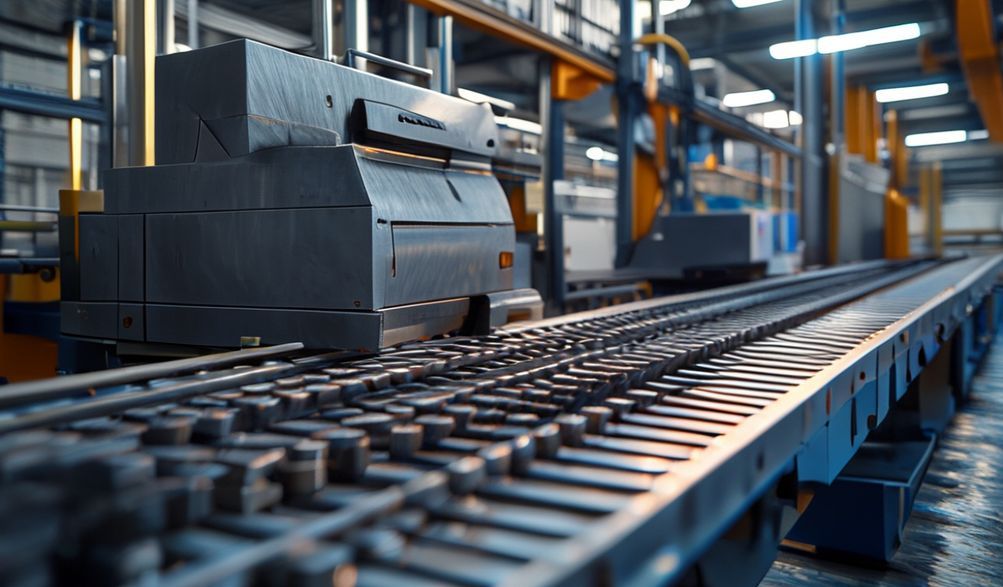
Tìm Kiếm Nhà Máy Sản Xuất Máy Làm Gạch Block Chất Lượng Tốt: Tập Trung Vào Nhà Máy Gạch FUDA
Giới thiệu
Trong thế giới xây dựng, nền móng của bất kỳ công trình lớn nào—theo đúng nghĩa đen—thường bắt đầu từ một viên gạch đơn lẻ. Nhu cầu toàn cầu về vật liệu xây dựng bền vững, giá cả phải chăng và chất lượng ổn định chưa bao giờ cao hơn, đặt áp lực khổng lồ lên các nhà sản xuất gạch và khối xây. Trọng tâm của ngành công nghiệp này nằm ở một quyết định then chốt: lựa chọn máy móc sản xuất những thành phần thiết yếu này. Việc chọn đúng nhà máy sản xuất máy làm gạch block không chỉ đơn thuần là nhiệm vụ mua sắm; đó là một khoản đầu tư chiến lược quyết định hiệu suất sản xuất, chất lượng sản phẩm, chi phí vận hành dài hạn, và cuối cùng là lợi nhuận cũng như danh tiếng của doanh nghiệp bạn.
Hướng dẫn này đóng vai trò là nguồn tài liệu toàn diện dành cho chủ doanh nghiệp, quản lý dự án và chuyên gia thu mua khi họ tìm hiểu thị trường máy sản xuất gạch toàn cầu phức tạp. Chúng tôi sẽ phân tích các đặc tính cốt lõi phân biệt những nhà sản xuất xuất sắc với phần còn lại, đồng thời cung cấp một khung đánh giá thực tiễn. Để minh họa cụ thể, chúng ta sẽ tập trung phân tích sâu vàoNhà máy sản xuất gạch FUDAmột cái tên thường xuyên xuất hiện trong lĩnh vực này, để hiểu nó đại diện cho điều gì trong bức tranh tổng thể rộng lớn hơn.
Hướng dẫn này được biên soạn dựa trên phân tích ngành, xem xét thông số kỹ thuật và các nguyên tắc sản xuất đã được thiết lập nhằm hỗ trợ quyết định tìm nguồn cung ứng của bạn.Mục tiêu của chúng tôi là trang bị cho bạn kiến thức để nhận biếtCác nhà máy sản xuất máy làm gạch block chất lượng caovà thực hiện một khoản đầu tư tự tin, có hiểu biết.
Điều Gì Định Nghĩa Một Nhà Máy Sản Xuất Máy Làm Gạch Block Chất Lượng Cao?
Vượt qua những tuyên bố tiếp thị đòi hỏi sự hiểu biết rõ ràng về các yếu tố hữu hình tạo nên sự xuất sắc trong sản xuất. Một nhà máy chất lượng được định nghĩa bởi quy trình, đầu ra và cam kết lâu dài với khách hàng của mình.
Tiêu chuẩn Kỹ thuật và Sản xuất
Xương sống của bất kỳ cỗ máy đáng tin cậy nào đều nằm ở sàn nhà máy và trong phòng kỹ thuật.
- Chứng chỉ:Tìm kiếm sự tuân thủ các tiêu chuẩn quốc tế. Chứng nhận ISO 9001 là một chỉ báo mạnh mẽ về cách tiếp cận có hệ thống đối với quản lý chất lượng. Đối với máy móc được bán ở nhiều thị trường toàn cầu, dấu CE chứng minh sự tuân thủ các tiêu chuẩn về sức khỏe, an toàn và môi trường của châu Âu.
- Nguồn cung ứng vật liệu:Máy móc chất lượng cao sử dụng vật liệu được phân loại. Điều này bao gồm thép gia cường cho khung, các bộ phận thủy lực được thiết kế chính xác từ các thương hiệu uy tín (như Bosch Rexroth hoặc Parker) và hệ thống điện đáng tin cậy (Siemens, Schneider).
- Kiểm soát chất lượng (QC):Một quy trình QC mạnh mẽ là không thể thương lượng. Nó phải trải dài từ việc kiểm tra nguyên liệu thô đầu vào đến các kiểm tra trong quá trình hàn và lắp ráp, và đạt đến đỉnh điểm là các bài kiểm tra cuối cùng nghiêm ngặt dưới tải trọng.
Hiệu Suất Máy Móc và Chỉ Số Đầu Ra
Thông số kỹ thuật kể câu chuyện về năng lực. Các chỉ số hiệu suất chính (KPIs) phải được xác minh.
- Năng lực sản xuất:Đo bằng khối mỗi giờ hoặc mỗi ca. Đảm bảo công suất được nêu là cho loại khối và kích thước cụ thể mà bạn cần.
- Thời gian chu kỳ:Tốc độ của một chu kỳ sản xuất hoàn chỉnh. Chu kỳ sản xuất nhanh hơn và ổn định đồng nghĩa với hiệu quả cao hơn.
- Tính linh hoạt:Máy có thể sản xuất nhiều loại khối (đặc, rỗng, lát vỉa, liên kết) chỉ bằng cách thay đổi khuôn không? Tính linh hoạt mang lại giá trị to lớn.
- Mức độ Tự động hóa:Từ việc cấp liệu thủ công đến các hệ thống hoàn toàn tự động với xử lý pallet bằng robot, mức độ tự động hóa trực tiếp ảnh hưởng đến chi phí lao động và tính nhất quán của sản lượng.
Đổi mới và Đầu tư vào Nghiên cứu & Phát triển
A factory that invests in research and development is investing in your future efficiency.
- This commitment can manifest in energy-efficient designs that lower power consumption, improved vibration systems for better block density, or the integration of PLC (Programmable Logic Controller) systems for easier operation and diagnostics.
- Innovation isn’t always about AI; it can be a smarter mold design that reduces wear or a more accessible maintenance layout.
Durability and After-Sales Support
The true test of a factory’s quality begins sau the machine is shipped.
- Bảo hành: Clear, comprehensive warranty terms (typically 12-24 months for key components) are essential. Understand what is covered and the process for claims.
- Phụ Tùng Thay Thế: Availability of a common parts inventory and a system for supplying wear-and-tear items (like mold liners, springs, seals) is critical to minimize downtime.
- Hỗ trợ Kỹ thuật: A quality factory provides structured support: detailed manuals, video guides, remote assistance via video call, and the option for on-site installation and training by their engineers.
Các yếu tố chính cần đánh giá khi chọn nhà máy
Armed with the “what,” you now need the “how.” Evaluating a potential partner requires a methodical approach.
Factory Audit and Site Inspection Checklist
If possible, visiting the factory is the single most revealing step.
- Workshop Organization: Is the production floor clean, organized, and safe? Chaos often correlates with poor quality control.
- Assembly Lines: Observe the workflow. Are there dedicated stations for welding, assembly, painting, and testing?
- Testing Procedures: Ask to witness a machine test. Is it run for an extended period under full load? Are the produced blocks measured for dimensional accuracy and strength?
- Worker Skill: Note the expertise of welders and technicians. High-skilled labor is reflected in the final product’s finish and reliability.
Analyzing Technical Specifications and Compliance
Learn to read between the lines of a spec sheet.
- Go beyond the headline numbers. Scrutinize the details: motor power (kW), hydraulic pressure (MPa), vibration frequency and amplitude, and the precise dimensions of the production table.
- Verify all claimed certifications. Request copies of certificates and, if in doubt, check with the issuing body.
- A common pitfall is focusing solely on block output while ignoring energy consumption, which is a major operational cost.
Assessing Client Portfolio and Testimonials
Past performance is the best predictor of future behavior.
- Request case studies or a client list, preferably with contacts in your region or a similar climate.
- Look for long-term clients—repeat business is a powerful testament to reliability and service.
- Don’t just accept curated testimonials. If possible, contact references directly and ask specific questions about machine performance, problem resolution, and parts support.
Total Cost of Ownership vs. Initial Price
The cheapest machine is often the most expensive in the long run.
- Initial Price: The FOB (Free On Board) or CIF (Cost, Insurance, Freight) price of the machine.
- Lifetime Costs: Include shipping, import duties, installation, foundation work, routine maintenance, spare parts consumption, energy usage, and potential production losses from downtime.
- A slightly more expensive machine from a quality factory with higher efficiency and lower failure rates will almost always offer a superior return on investment.
Spotlight: An In-Depth Look at FUDA Brick Making Factory
As a frequently searched supplier, FUDA serves as a useful case study for applying our evaluation framework. The following analysis is based on publicly available information and general industry positioning.
Company Overview and Market Position
FUDA is a brick and block making machinery manufacturer based in China. The company positions itself as an exporter of a range of construction machinery, with a focus on block making machines for international markets, particularly in Africa, Southeast Asia, and the Middle East. Their stated mission typically revolves around providing cost-effective machinery solutions to support infrastructure development.
FUDA’s Product Range and Technological Capabilities
FUDA’s catalog generally includes a variety of models to cater to different market segments:
- Máy Thủ Công và Bán Tự Động: Lower-cost options suitable for small-scale startups or projects with lower output requirements.
- Máy Làm Gạch Tự Động Hoàn Toàn: These are stationary machines with automatic mixing, conveying, molding, and stacking systems, aimed at medium to larger-scale production.
- Máy đúc khối di động: Often highlighted for their ability to produce bricks directly on-site, reducing material handling.
- Tính năng chính commonly advertised include robust vibration systems for compaction, the ability to use various raw materials (soil, cement, fly ash), and modular designs for easier maintenance.
Quality Assurance Processes at FUDA
While specific internal processes vary, factories like FUDA typically outline a standard QC protocol:
- Incoming inspection of purchased materials and components.
- Stage-by-stage inspection during fabrication (welding, machining).
- Pre-delivery testing, where the machine is assembled and run to verify performance against the order specifications.
- The critical step for any buyer is to define the acceptance testing criteria in the contract before production begins.
Strengths and Considerations
A balanced view is crucial for any sourcing decision.
Potential Strengths:
* Định Giá Cạnh Tranh: Often a primary attraction, offering access to mechanized production at a lower capital entry point.
* Export Experience: Demonstrated experience in packaging and shipping machines to various international destinations.
* Dải sản phẩm: A wide selection allows buyers to choose a model that fits their budget and output needs.
Key Considerations for Buyers:
* Clarity of Communication: Ensure all technical requirements, warranty terms, and support details are documented clearly in English (or your language) to avoid misunderstandings.
* Depth of Local/Regional Support: Investigate the availability and capability of their after-sales agents or partners in your country. Proximity of support is vital for quick service.
* Customization vs. Standard Models: Be clear on what modifications are possible and how they affect price and lead time.
* Contract Specificity: As with any international supplier, the contract is your primary protection. It must be exhaustive.
How to Verify and Vet Any Brick Machine Factory (Including FUDA)
Empower yourself with due diligence. This process applies universally.
Conducting Due Diligence
- Xác minh tính hợp pháp của doanh nghiệp Request their business license and check their registration with local Chinese authorities via third-party verification services if needed.
- Contact Past Clients: Use the provided reference list. Ask specific questions: “What was your biggest challenge after installation?” and “How was the response time for technical support?”
- Check Certification Authenticity: Note the certification number from their documents and verify it on the issuer’s website if possible.
The Critical Role of Communication and Contract Clarity
The contract is your project’s blueprint.
- It must unambiguously detail: Technical Specifications (attach approved drawings), Delivery Terms (Incoterms 2020), Payment Schedule (e.g., 30% deposit, 70% against copy of Bill of Lading), Bảo hành (scope, duration, claim process), and Force Majeure & Dispute Resolution clauses.
Requesting and Interpreting a Factory Quotation
A professional quote is a sign of a professional supplier.
- It should be itemized: Machine price, mold costs, spare parts package, tool kit, shipping costs, insurance.
- Clearly state the Trade Term (FOB Shanghai, CIF Durban, etc.).
- Include key technical data and reference drawings for approval before production.
- Specify packaging details (export wooden case) and the estimated lead time.
Các Câu Hỏi Thường Gặp (FAQ)
Q1: What is the typical lead time for a brick making machine from a Chinese factory like FUDA?
A: Lead times vary significantly. A standard model might take 30-45 days after deposit, while a customized or large automatic line could require 60-90 days. Crucially, always get a written, date-bound guarantee in your contract, with penalties for delays.
Q2: How can I ensure the machine will work with my local raw materials (e.g., soil/cement type)?
A: This is a vital step. Provide 20-30kg of your representative raw materials (soil, sand, ash) to the factory before finalizing the order. They should conduct lab tests and a production trial, providing you with a mix formula and sample blocks for your approval.
Q3: What after-sales support should I expect from a quality factory?
A: Expect comprehensive support: 1) Detailed operation and maintenance manuals, 2) Remote guidance via video call for installation and troubleshooting, 3) The option for paid on-site engineer deployment, 4) Operator training, and 5) A responsive parts department with clear pricing and shipping timelines.
Q4: Are there red flags to watch out for when dealing with new suppliers?
A: Yes. Major red flags include: reluctance or refusal to provide client references, pressure to pay 100% upfront, vague or incomplete contracts, lack of technical drawings, inability to conduct a video call from their active workshop, and quotes that seem unrealistically low compared to the market.
Conclusion
Identifying a truly good quality block bricks making machine factory is a deliberate process that extends far beyond comparing online brochures and price lists. It demands a focus on fundamental manufacturing integrity, verifiable performance, and a proven framework for long-term support. As we’ve explored, factories like Nhà máy sản xuất gạch FUDA represent a segment of the global supply market that offers accessible solutions, but they also underscore the universal necessity for meticulous buyer due diligence.
The principles outlined here—auditing standards, analyzing total cost, verifying claims, and insisting on crystal-clear contracts—are non-negotiable, regardless of the supplier’s location or brand. Use this guide as a structured checklist for your evaluation.
Your next step: Compile a shortlist of 3-5 factories that meet your initial criteria. Engage with them using the specific questions and requests detailed above. Request comprehensive, itemized proposals and, if feasible, plan site inspections. By investing time in this selection process, you are not just buying a machine; you are securing a cornerstone for your business’s productivity and growth for years to come.
<