
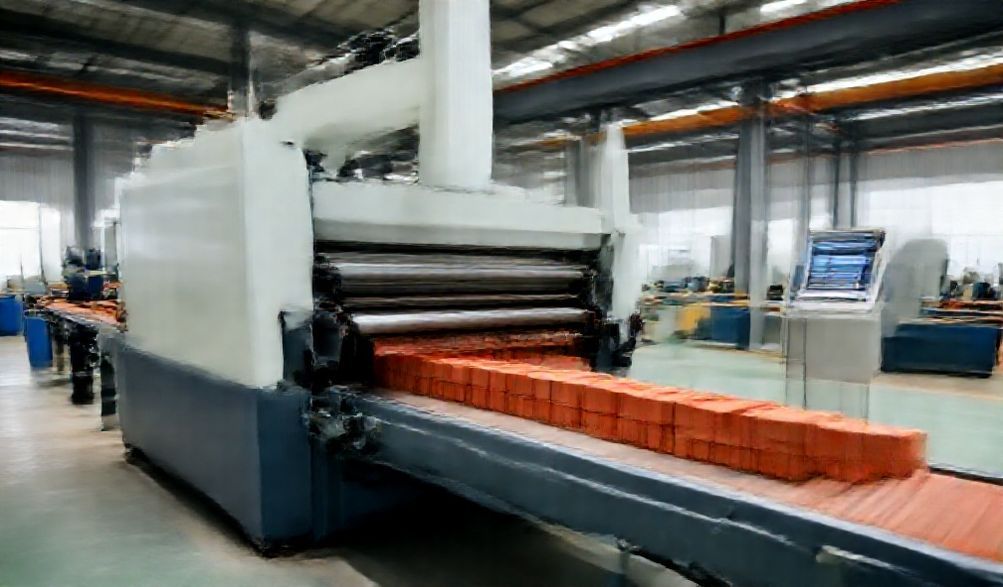
Bên trong một nhà máy sản xuất gạch block hiện đại: Xem video máy sản xuất gạch đất sét Ấn Độ từ FUDA
Trong thế giới máy móc công nghiệp, một nghìn từ trong cuốn sách giới thiệu không thể sánh bằng sáu mươi giây video. Đối với một người mua tiềm năng máy ép gạch đất sét ở Ấn Độ, khoảng cách giữa các thông số kỹ thuật trên giấy tờ và hiệu suất thực tế của máy là rất lớn. Làm thế nào để bạn thực sự đánh giá được độ ổn định, nhịp vận hành hay chất lượng gạch mà nó tạo ra? Đây là lúc sức mạnh của bằng chứng trực quan trở nên không thể thiếu.
Bài viết này đóng vai trò như cánh cổng chuyên sâu đưa bạn vào quy trình sản xuất gạch đất sét và gạch block hiện đại, tận dụng các nguồn video để làm sáng tỏ quy trình. Chúng tôi tập trung cụ thể vào những hiểu biết rút ra từ nhà máy sản xuất gạch block FUDA ở Ấn Độ, một cái tên nổi bật trong lĩnh vực thiết bị xây dựng. Với nền tảng phân tích quy trình sản xuất và hiệu suất thiết bị, chúng tôi đã trực tiếp tìm hiểu các thực tiễn trong ngành để vượt qua những tuyên bố tiếp thị. Mục tiêu của chúng tôi là cung cấp cho bạn một chuyến tham quan nhà máy ảo, sự hiểu biết rõ ràng về các máy móc chính và một khung đánh giá phê phán—tất cả thông qua phân tích video có chọn lọc. Bằng cách xem xétVideo máy làm gạch đất sét Ấn ĐộNội dung từ một trang web thực tếnhà máy sản xuất khối, bạn sẽ được trang bị tốt hơn để đưa ra quyết định tìm nguồn cung ứng sáng suốt.
视频在工业机械选择中的力量
Lựa chọn máy gạch là một khoản đầu tư vốn đáng kể. Mặc dù bảng thông số kỹ thuật là cần thiết, nhưng chúng vốn dĩ có giới hạn. Nội dung video lấp đầy khoảng cách giữa lời hứa và bằng chứng, cho phép bạn đánh giá đặc điểm và khả năng của máy theo cách mà văn bản không thể làm được.
Tại sao xem máy hoạt động lại tốt hơn chỉ đọc brochure
A brochure states “fully automatic”; a video shows it. This visual confirmation is critical for several reasons:
- Proof of Automation & Workflow: You can see the seamless (or not-so-seamless) transition from clay feeding to brick ejection. Does the process require constant manual intervention, or does it flow smoothly with minimal operators?
- Tangible Evidence of Speed & Output: Cycle times on paper are one thing. Watching the machine complete a cycle—from mold filling to compaction to stripping—gives you a genuine feel for its pace and potential hourly output.
- Assessment of Final Product Quality: A video can show the bricks coming out of the mold. Are they well-formed with sharp edges? Do they hold their shape when handled? This immediate visual check on dimensional accuracy and surface finish is invaluable.
Key Details to Look for in a Clay Brick Machine Video
When watching a Video máy làm gạch đất sét Ấn Độ, train your eye to look beyond the surface. Focus on these critical operational details:
- Machine Stability and Vibration: A well-built machine should operate with a sense of solidity. Excessive shaking or vibration during the compaction phase can indicate poor foundation design or imbalance, leading to premature wear and tear.
- Consistency of Brick Output: Watch several cycles. Is every brick identical in appearance as it comes out? Inconsistency can point to issues with the feeding system, hydraulic pressure regulation, or mold wear.
- Raw Material Handling Process: Observe how the clay is fed into the machine. Is it a smooth, automated conveyor feed, or a labor-intensive manual process? The efficiency of this first stage sets the tone for the entire production line.
Virtual Tour: The FUDA Block Making Factory Process
Let’s apply this analytical lens to a virtual tour of a typical FUDA block making factory process, as seen in various videos. Understanding this end-to-end workflow is key to appreciating where the brick making machine fits in.
Stage 1: Raw Material Preparation & Clay Processing
The journey of a perfect brick begins long before the clay reaches the machine. This stage is about transforming raw earth into a homogeneous, workable material.
- Chuẩn bị đất: Suitable soil is sourced and often sieved to remove stones and debris.
- Clay Mixing and Tempering: The soil is mixed with a precise amount of water (and sometimes additives like fly ash) in a pug mill. This crucial machine kneads and homogenizes the mixture to achieve the perfect plasticity for molding. Videos often show the thick, consistent clay extruding from the pug mill, ready for the next stage.
Stage 2: The Heart of Production – The Brick Making Machine
This is the centerpiece, where the prepared clay is transformed into solid shapes. In FUDA factory videos, you typically see robust, automatic machines.
- Loại Máy: FUDA commonly manufactures hydraulic press machines. Videos clearly demonstrate the high-pressure compaction phase, which is essential for producing dense, strong bricks.
- Cycle Time & Automation: Observe the automated sequence: clay feeding into the mold, high-pressure compaction, mold lifting (stripping), and brick ejection onto a pallet or conveyor. Timing this cycle gives you a baseline for output calculations.
- Mold Changing Mechanism: While not always shown in short clips, some videos demonstrate or mention the ability to change molds. This versatility allows a single machine to produce different products.
Stage 3: Curing, Drying, and Quality Checks
A freshly molded brick is not yet ready for construction. This final stage ensures strength and durability.
- Chữa bệnh: The green bricks are kept in a controlled, humid environment for initial strength gain. Proper curing is vital for achieving the final compressive strength.
- Sấy khô: Bricks are then dried, often in dedicated chambers or shaded areas, to remove excess moisture before firing or for use as stabilized blocks.
- Quality Checks: Factory videos may show random bricks being taken for weight, dimension, and strength tests to ensure they meet internal and external standards.
Analyzing FUDA Clay Brick Machine Features from Video Evidence
Now, let’s critically analyze what the video evidence from FUDA factories tells us about their machines’ features.
Design and Build Quality Observations
- Frame Robustness: The machine’s frame should look substantial, welded from thick steel plates to withstand constant hydraulic pressure without flexing.
- Chất Lượng Linh Kiện While internal components are hard to see, the visible hydraulics (cylinders, hoses), electrical panels, and structural welds should appear neat, professional, and robust.
Automation Level and Labor Requirements
- Labor Footprint: Count the number of operators actively attending to the machine during the video. A truly automatic system may only need 1-2 people for monitoring and pallet handling, not constant manual feeding or brick removal.
- Hệ thống điều khiển: Look for a modern, accessible control panel. Videos sometimes show operators using a touchscreen or PLC interface to set parameters, indicating a higher level of automation.
Output Capacity and Brick Varieties Demonstrated
- Dải sản phẩm: Pause the video to identify the bricks being made. Does it show only solid blocks, or are there gạch rỗng, pavers, or interlocking bricks? This demonstrates versatility.
- Estimated Production Rate: If the video shows a continuous run, note the number of bricks produced per cycle and the cycle time. For example, a machine with a 15-second cycle time producing 4 bricks per cycle has a theoretical output of 960 bricks per hour.
Beyond the Video: Critical Factors for Buyers in India
A compelling video might win your interest, but a smart purchase decision requires looking beyond it. Here are the critical, practical factors you must consider in the Indian market.
Total Cost of Ownership: Not Just the Machine Price
The invoice price is just the beginning. Consider:
* Tiêu thụ điện năng: Hydraulic machines are powerful but can be energy-intensive. Inquire about the installed motor power (in kW/HP) and factor in your local electricity costs.
* Maintenance Needs & Spare Parts: Ask for a recommended maintenance schedule. Crucially, ensure spare part availability in India. Are common wear parts (molds, hydraulic seals, shafts) stocked locally for quick delivery?
* Foundation and Installation: A heavy machine requires a proper, leveled concrete foundation. Include this cost and labor in your budget.
After-Sales Support and Service Network in India
This is arguably the most important factor after machine quality.
* Hỗ trợ Kỹ thuật Địa phương: Does the supplier or manufacturer have trained technicians based in your region or state? Prompt on-site support minimizes costly downtime.
* Đào tạo: Does the purchase include comprehensive training for your operators at your site? Proper training prevents operational errors and extends machine life.
* Bảo hành: Understand the warranty terms clearly—what is covered, for how long, and what are the response time commitments?
Compliance with Indian Standards (BIS)
For your bricks to be marketable and trusted, they should comply with relevant Bureau of Indian Standards (BIS).
* Ensure the machine is capable of producing bricks that meet the required dimensions and strength specifications (e.g., IS 1077 for common burnt clay bricks). A reputable manufacturer will understand these requirements.
Các Câu Hỏi Thường Gặp (FAQ)
Q1: What is the approximate price range for a FUDA clay brick making machine in India?
A: Prices vary widely based on the level of automation (semi-auto vs. fully automatic), production capacity (bricks per hour), and specific model. A basic semi-automatic machine may start from a few lakhs, while high-capacity, fully automatic lines can run into tens of lakhs of rupees. Always contact authorized dealers for current, detailed quotes. Use video analysis to assess the value proposition of different price points.
Q2: Can FUDA machines produce different types of blocks (e.g., hollow, solid, pavers)?
A: Yes, most modern hydraulic brick making machines from manufacturers like FUDA are designed for versatility. They can produce various products by changing the mold. Look for videos that specifically demonstrate this mold-changing process or show different finished products from the same machine frame.
Q3: How important is after-sales service when buying in India?
A: It is absolutely crucial. A machine is a long-term asset. Reliable, accessible after-sales service for maintenance, troubleshooting, and spare parts is a key decision factor that protects your investment. Always verify the supplier’s service network, ask for references from existing customers in your area, and get service commitments in writing.
Q4: What is the typical lead time for delivery and installation?
A: Lead time depends on the specific model’s availability (standard or custom), your location in India, and the supplier’s logistics. It can range from a few weeks for standard models to several months for large, customized lines. A reputable and organized supplier should be able to provide a clear and realistic timeline after receiving your order.
Conclusion
Video tours of a Video máy làm gạch đất sét Ấn Độ from a Nhà máy sản xuất khối FUDA offer an unparalleled tool for cutting through marketing noise and observing real-world performance. They allow you to witness the manufacturing process from raw material to finished brick, analyze machine stability and output, and assess the level of automation.
However, a smart buyer uses this visual evidence as a starting point, not the finish line. Complement your video research with rigorous due diligence on the total cost of ownership, the strength of the after-sales service network in your region, and the machine’s ability to produce standards-compliant products.
For Further Research: We encourage you to explore our platform for more detailed machinery comparison guides and analyses of different manufacturing processes.
For Your Next Steps: When you’re ready, approach reputable dealers with the specific, informed questions that arise from your video analysis. Your goal is to partner with a supplier who offers not just a machine, but a complete, reliable production solution.
Our commitment is to continue providing expert, unbiased, and practical information to empower professionals and businesses in India’s construction industry, helping you build your projects on a foundation of informed decisions.
<