
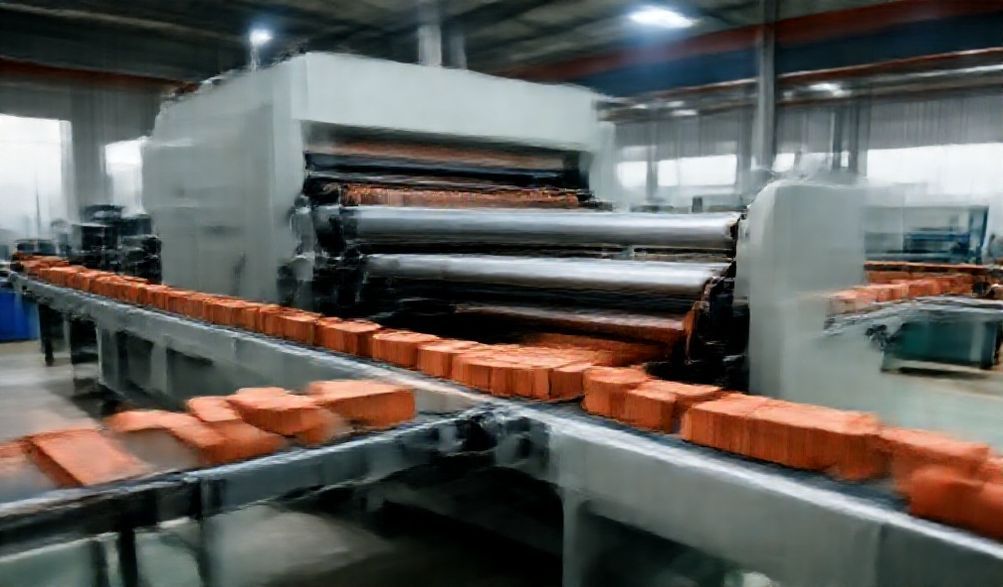
Hướng Dẫn Toàn Diện Để Tìm Nhà Sản Xuất Máy Làm Gạch Đất Sét Đáng Tin Cậy Tại Trung Quốc
Giới thiệu
Ngành xây dựng toàn cầu vận hành dựa trên gạch đất sét. Là một vật liệu xây dựng bền vững, lâu dài và vượt thời gian, nhu cầu về gạch chất lượng cao không ngừng, thúc đẩy nhu cầu về máy móc sản xuất hiệu quả. Trong bối cảnh này, Trung Quốc đã nổi lên không chỉ là một người chơi, mà còn là trung tâm sản xuất thiết bị xây dựng không thể tranh cãi của thế giới, bao gồm cả máy làm gạch đất sét. Quy mô, tiến bộ công nghệ và hiệu quả chi phí mà thị trường Trung Quốc mang lại là vô song.
Tuy nhiên, đối với người mua—dù bạn đang xây dựng một nhà máy gạch mới hay nâng cấp cơ sở hiện có—việc tìm hiểu thị trường rộng lớn này có thể là một thách thức. Số lượng nhà cung cấp khổng lồ, khó khăn trong việc xác minh chất lượng từ xa, sự phức tạp của hậu cần quốc tế và nhu cầu cấp thiết về dịch vụ hậu mãi đáng tin cậy tạo nên một rào cản đáng kể. Làm thế nào để phân biệt những nhà sản xuất thực sự uy tín với phần còn lại?
Hướng dẫn này được thiết kế như lộ trình toàn diện dành cho bạn. Đúc kết từ hơn một thập kỷ phân tích xu hướng sản xuất công nghiệp và trải nghiệm thực tế tại các nhà máy cùng mạng lưới thương mại, chúng tôi mang đến những tư vấn thực tiễn và khách quan. Mục tiêu của chúng tôi là trang bị cho bạn kiến thức cùng bảng kiểm cần thiết để đưa ra quyết định sáng suốt và vững vàng, biến thách thức tìm nguồn hàng từ Trung Quốc thành lợi thế chiến lược cho doanh nghiệp của bạn.
Tại sao nên tìm nguồn máy làm gạch đất sét từ Trung Quốc?
Lựa chọn nguồn cung máy móc từ Trung Quốc là một quyết định chiến lược được hỗ trợ bởi những lợi ích cụ thể. Đó là việc tiếp cận một hệ sinh thái tập trung về đổi mới, hiệu quả và giá trị.
Quy Mô và Cụm Công Nghiệp Vô Song
Trung Quốc có thế mạnh sản xuất nhờ các cụm công nghiệp chuyên môn hóa. Đối với máy móc sản xuất gạch đất sét, các tỉnh trọng điểm bao gồm:
- 福建与山东:Nổi tiếng với sự tập trung dày đặc của các nhà sản xuất máy ép gạch và khối bê tông, cung cấp mọi thứ từ máy ép thủ công nhỏ đến các dây chuyền tự động hóa quy mô lớn.
- Guangdong & Jiangsu: Hubs for advanced manufacturing and technological integration, often home to companies leading in automation.
This clustering creates immense advantages for you as a buyer:
* Hiệu Quả Chuỗi Cung Ứng: All components—from hydraulic systems and molds to electrical panels—are readily available locally, reducing production lead times.
* Healthy Competition: A high density of manufacturers fosters competition, driving innovation and keeping prices competitive.
* Knowledge Concentration: It creates a pool of skilled labor and specialized engineering expertise focused solely on brick-making technology.
Cost-Effectiveness Without Compromising on Range
The perception of China as merely a source of “cheap” goods is outdated. Today, it is the world’s best source of cost-effective value.
- Định Giá Cạnh Tranh: Economies of scale and efficient supply chains allow Chinese manufacturers to offer robust machinery at a fraction of the cost of Western or Japanese counterparts.
- Vast Product Selection: You can find a machine for every need and budget:
- Máy Thủ Công/Bán Tự Động: Ideal for small-scale startups or artisanal production.
- Dây chuyền sản xuất hoàn toàn tự động: For high-volume output with minimal labor, featuring auto-feeding, stacking, and palletizing.
- Customizable Solutions: Machines tailored for specific brick types (hollow, interlocking, paving) or unique raw material blends.
Technological Adoption and Manufacturing Expertise
Chinese manufacturers are no longer just replicators; they are innovators. Modern Chinese clay brick making machines incorporate:
- Tự động hóa tiên tiến: PLC control systems for precise, repeatable operation and easy parameter adjustments.
- Thiết kế Tiết kiệm Năng lượng: Optimized hydraulic systems and motor configurations to reduce long-term operating costs.
- IoT Readiness: Many new models feature connectivity options for remote monitoring of production data and predictive maintenance alerts.
- Material Science Expertise: Deep experience in designing machines that work efficiently with diverse clay types, including those with additives like fly ash or shale.
Key Factors When Evaluating a Chinese Manufacturer
With hundreds of options, a systematic evaluation is crucial. Focus on these core pillars to identify a truly reliable partner.
Manufacturing Experience and Technical Expertise
A company’s history is a strong proxy for its stability and knowledge. Prioritize manufacturers with a proven track record.
- Look for Longevity: Seek companies with 10+ years of operation. This indicates they have navigated market cycles, refined their products, and built a reputation.
- Nghiên cứu và Phát triển Nội bộ: A dedicated research and development team is a sign of a forward-thinking company committed to improving its machines, not just assembling parts.
- Request Case Studies & Project Portfolios: A credible manufacturer will readily share details of past installations, including photos, videos, and client testimonials (with permission). This provides tangible proof of capability.
Product Portfolio and Machine Capabilities
Dig deep into the technical specifications. A quality machine is defined by its performance and adaptability.
- Core Specifications to Compare:
- Năng lực sản xuất: Measured in bricks per hour (e.g., 2,000 – 20,000 pcs/h). Ensure it matches your business plan.
- Mức độ Tự động hóa: How much manual intervention is required for feeding, stacking, and palletizing?
- Yêu cầu về nguồn điện: Voltage (e.g., 380V/50Hz) and total power consumption (kW).
- Lực Áp Suất: The compaction force (measured in tons) is critical for brick density and strength.
- Tính Linh Hoạt của Nguyên Vật Liệu: Can it handle your specific clay moisture content and composition?
- Tùy chỉnh: A good partner will ask detailed questions about your raw materials and desired final product to recommend or customize the machine accordingly.
Quality Control and Certifications
International certifications are your first line of defense. They are not just paperwork; they represent adherence to globally recognized standards.
- Essential Certifications:
- Dấu CE: Indicates conformity with health, safety, and environmental protection standards for products sold within the European Economic Area. It’s a strong signal of safety-conscious manufacturing.
- ISO 9001: Certification for Quality Management Systems. It shows the manufacturer has standardized processes to ensure consistent product quality.
- SGS/BV Inspection Reports: While not a manufacturer’s certificate, these independent bodies can be hired to verify quality. A manufacturer familiar with working with them is a positive sign.
After-Sales Service and Support
The relationship begins, it does not end, at the point of shipment. Inadequate support can turn a great machine into a costly paperweight.
- Clear Warranty: Typically 12-18 months for major components. Understand exactly what is covered (parts, labor, shipping) and the process for claims.
- Sẵn có Phụ tùng Thay thế: Ensure the supplier stocks and can quickly ship critical wear-and-tear parts (molds, seals, hydraulic cylinders). Request a spare parts list and price catalog upfront.
- Hỗ trợ Kỹ thuật: What channels are available (email, WhatsApp, WeChat, phone)? Is support available in English or your local language?
- Cài đặt & Đào tạo: Will they provide comprehensive English manuals, video guides, remote video call assistance, or the option to send a technician to your site?
A Step-by-Step Sourcing Process
Follow this structured approach to minimize risk and maximize the success of your procurement project.
Step 1: Deep Research and Shortlisting
- Platforms: Use B2B platforms like Alibaba.com (look for “Gold Suppliers” or “Assessed Suppliers”) and Made-in-China.com. Use the target keyword “clay brick making machine manufacturer in china” as a starting point.
- Beyond Online: Research industry-specific trade shows like the China Import and Export Fair (Canton Fair)hoặcBauma China.
- Initial Filter: Create a long list of 15-20 potential suppliers. Critical Caution: Immediately disregard any supplier offering prices significantly (30%+) below the market average—this is the biggest red flag.
Step 2: Rigorous Supplier Verification
- Kiểm tra Nhà máy: Request a recent factory audit report or, ideally, arrange a virtual video tour of their production facility and testing area. This is non-negotiable.
- Business License: Ask for their official business license (in English) and verify it through third-party services if possible.
- Client References: Ask for contact information for 2-3 previous international clients. A reputable supplier will have satisfied customers willing to vouch for them.
Step 3: Clear Communication and Quotation Analysis
- Prepare a Detailed RFQ: Your Request for Quotation should include all desired specs, desired brick samples, and raw material analysis.
- Understand Incoterms: Clarify terms like FOB (Giao hàng lên tàu)hoặcCIF (Chi phí, Bảo hiểm và Cước phí). FOB is common, where you own the goods and assume risk/cost once loaded on the ship.
- Identify All Costs: Ensure the quotation is itemized and includes: machine price, standard accessories, export packaging (robust wooden crate), documentation fees, and inland freight to the port.
Step 4: Prototype, Sample, and Contract Safeguards
- Sample Order: If feasible, order a small batch of bricks made by their machine using your clay sample (or a similar blend). This tests the machine’s output quality.
- The Contract is Key: Never proceed without a detailed, legally-vetted proforma invoice or sales contract. It must include:
- Exact technical specifications and drawings.
- Payment terms (e.g., 30% deposit, 70% before shipment).
- Delivery timeline.
- Warranty terms and scope.
- Liability clauses for delays or non-conformance.
Common Pitfalls and How to Avoid Them
The “Too Good to Be True” Price Trap
An unrealistically low price is almost always a warning. It often means:
* Inferior materials (low-grade steel, substandard hydraulics).
* Poor craftsmanship and lack of proper quality control.
* Omission of essential safety features or control systems.
* No meaningful after-sales service budget.
Giải pháp: Establish a realistic budget based on market research and view the machine as a 10+ year investment, not a one-time purchase.
Inadequate Technical and Spare Parts Support
Stories abound of machines sitting idle for months waiting for a simple, unavailable spare part or a resolution to a technical fault.
Giải pháp: During negotiations, explicitly agree on:
* A guaranteed spare parts supply period (e.g., 10 years).
* The maximum response time for technical inquiries.
* The process and cost for dispatching a technician if needed.
Logistics and Customs Clearance Complexities
Poor packaging can lead to damage during ocean freight. Incorrect documentation can cause costly delays at your port.
Giải pháp:
* Insist on professional, seaworthy wooden crate packaging.
* Hire an experienced freight forwarder in your country to handle customs clearance.
* Verify the supplier will provide a complete set of export documents: Commercial Invoice, Packing List, Bill of Lading, Certificate of Origin, and any required declarations.
FAQ: Clay Brick Making Machine Manufacturer in China
Q1: What is the typical lead time for a clay brick making machine from China?
A: Lead times vary significantly. For a standard model, expect 30 to 60 days after receipt of your deposit. Fully customized or large automatic lines can take 90-120 days. Always confirm the detailed production and delivery schedule with your supplier before contracting.
Q2: Can Chinese manufacturers customize machines for my specific clay composition and brick design?
A: Yes, absolutely. Reputable manufacturers specialize in customization. The key is to provide them with as much data as possible: a detailed analysis of your raw clay, moisture content, and physical samples of your desired brick design (size, shape, density). They can often adapt molds and adjust pressure settings accordingly.
Q3: How do I handle machine installation and worker training?
A: You typically have three options:
1. Self-Installation: Using detailed English manuals and video guides provided by the manufacturer.
2. Remote Guidance: The manufacturer’s engineers guide your team via video call during installation and commissioning.
3. On-Site Technician (Recommended): For a fee, the manufacturer will send an engineer to your factory to supervise installation, conduct commissioning, and train your operators. This is highly recommended for complex automatic lines.
Q4: What are the key payment terms, and how can I ensure payment security?
A: The most common term is 30% deposit via T/T (bank wire transfer), with 70% balance paid before shipment. For added security, especially with new suppliers:
* Use Alibaba Trade Assurance if sourcing through that platform.
* Request payment via Letter of Credit (L/C), which provides bank-guaranteed terms.
* Never use non-reversible payment methods like Western Union for large transactions.
Q5: Are there reliable third parties that can inspect the machine before shipment?
A: Yes, and this is one of the most prudent steps you can take. We strongly recommend hiring an independent third-party inspection company like SGS, Bureau Veritas (BV), or Intertek. They will visit the factory, perform a pre-shipment inspection to verify the machine’s quality, functionality, and packaging against your contract, and provide a detailed report before you release the final payment.
Conclusion
Sourcing a clay brick making machine from China presents a tremendous opportunity to acquire advanced, cost-effective technology that can elevate your production capabilities. The journey, however, demands diligence, research, and a strategic approach that prioritizes partnership over mere transaction.
The path to success lies in consistently valuing a manufacturer’s demonstrated experience, technical expertise, and unwavering commitment to after-sales service above the allure of the lowest initial price. This guide serves as your actionable checklist.
We encourage you to use this framework to conduct thorough research, ask detailed and probing questions, and view your chosen manufacturer as a long-term strategic partner in growing your brick production business. Our goal has been to empower you with transparent, expert knowledge, allowing you to navigate the Chinese manufacturing landscape with confidence and secure a machine that will be a productive asset for years to come.
<