
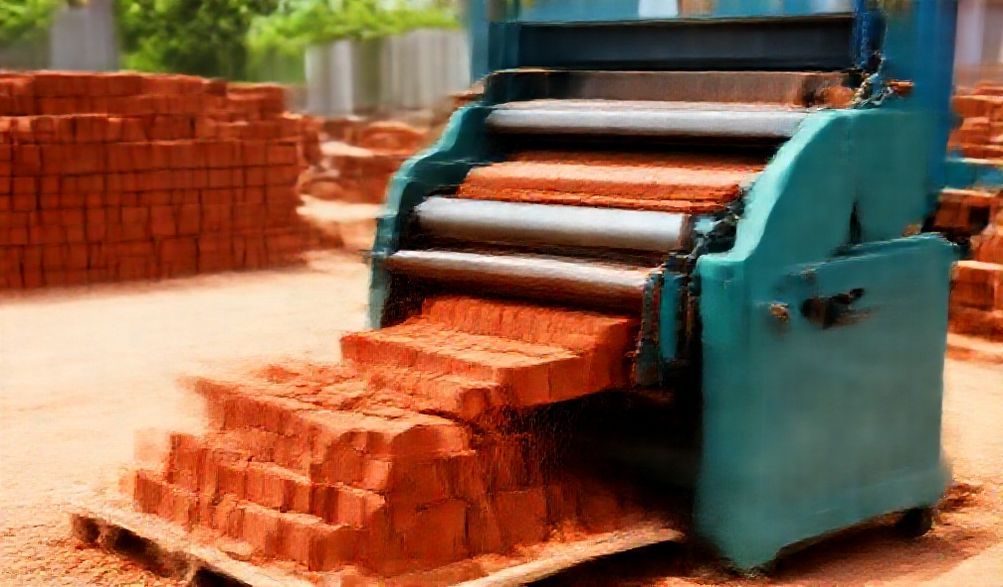
Giá Máy Làm Gạch Đất Sét tại Andhra Pradesh 2026: Hướng Dẫn Mua Hàng Toàn Diện
Giới thiệu
Bầu trời của Andhra Pradesh đang chuyển mình. Từ khu vực thủ phủ đầy tham vọng Amaravati đến những cảng biển nhộn nhịp của Visakhapatnam và các trung tâm tâm linh Tirupati, một làn sóng xây dựng đang diễn ra mạnh mẽ. Nền tảng cốt lõi của sự phát triển này lại nằm ở một thành phần khiêm tốn nhưng vô cùng quan trọng: viên gạch. Trong nhiều thập kỷ, ngành công nghiệp này phụ thuộc vào sức lao động thủ công vất vả, nhưng giờ đây xu hướng đang thay đổi. Ngày nay, các doanh nhân có tầm nhìn và doanh nghiệp lâu năm đang chuyển hướng sang cơ giới hóa để đảm bảo hiệu quả, tính đồng nhất và cuối cùng là lợi nhuận cao hơn.
Tuy nhiên, bước chân vào thế giới máy móc sản xuất gạch có thể khiến người ta nản lòng. Chỉ cần tìm kiếm nhanh mộtGiá máy làm gạch đất sét ở Andhra Pradeshtiết lộ một phạm vi đáng kinh ngạc—từ vài trăm nghìn đến vài chục triệu. Sự chênh lệch này không phải ngẫu nhiên; nó phản ánh năng lực, mức độ tự động hóa và chất lượng. Là một chủ doanh nghiệp ở Guntur, Krishna hay Anantapur, làm thế nào để bạn vượt qua những thông tin hỗn độn và thực hiện một khoản đầu tư thúc đẩy tăng trưởng thay vì cản trở nó?
Đây là giải pháp toàn diện dành cho bạn. Dựa trên nhiều năm kinh nghiệm trực tiếp trong lĩnh vực máy móc xây dựng khắp Nam Ấn Độ, chúng tôi cung cấp một bản phân tích chi tiết, minh bạch về thị trường. Chúng tôi sẽ trang bị cho bạn kiến thức để định hướng giá cả, hiểu rõ chi phí sở hữu thực tế, và lựa chọn một thiết bị phù hợp hoàn hảo với mục tiêu sản xuất cũng như đặc thù riêng của thị trường Andhra Pradesh. Hãy xem đây như lộ trình đáng tin cậy để có một khoản đầu tư thông minh hơn.
Các Yếu Tố Ảnh Hưởng Đến Giá Máy Làm Gạch Đất Sét tại Khu Vực Châu Á - Thái Bình Dương
Giá niêm yết của một máy làm gạch không phải là một con số ngẫu nhiên. Nó là tổng hợp của nhiều yếu tố then chốt. Hiểu rõ những điều này sẽ giúp bạn giải mã các báo giá và so sánh các lựa chọn một cách hiệu quả.
Loại Máy & Mức Độ Tự Động Hóa
Đây là yếu tố chính thúc đẩy chi phí. Phạm vi trải dài từ can thiệp hoàn toàn thủ công đến các nhà máy tự động hóa toàn phần.
* Máy Móc Thủ Công:Đòi hỏi nỗ lực con người đáng kể cho việc trộn, cho ăn và đúc. Chi phí ban đầu thấp nhất nhưng chi phí lao động dài hạn cao nhất và chất lượng đầu ra không ổn định.
* Máy Bán Tự Động:Cân bằng giữa hai yếu tố. Họ cơ giới hóa các quy trình ép và đúc khuôn quan trọng, thường bằng hệ thống thủy lực, trong khi vẫn yêu cầu cấp liệu hoặc lấy gạch thủ công. Điều này mang lại sự kết hợp tuyệt vời giữa tính kinh tế, sản lượng cải thiện và tính ổn định.
* Cây Trồng Tự Động Hoàn Toàn:Đây là những dây chuyền sản xuất hoàn chỉnh. Chúng có tính năng cấp liệu tự động, vận chuyển, ép, xếp chồng và đôi khi cả xếp pallet. Giá thành phản ánh sự giảm thiểu đáng kể về nhân công và sản lượng đầu ra đồng đều, quy mô lớn.
Năng Suất Sản Xuất (Viên Gạch Mỗi Giờ)
Giá thành đầu ra của bạn tỷ lệ thuận trực tiếp với năng suất. Máy móc được phân loại rộng rãi dựa trên công suất sản xuất theo giờ.
* Quy mô nhỏ (500-1500 BPH):Lý tưởng cho các nhà thầu địa phương, doanh nghiệp siêu nhỏ, hoặc bổ sung cho sản xuất thủ công hiện có. Phục vụ nhu cầu cụ thể của một làng hoặc thị trấn.
* Quy mô trung bình (1500-5000 BPH):Vị trí lý tưởng để phát triển các lò gạch và doanh nghiệp vừa và nhỏ (SMEs) nhằm cung cấp cho nhiều dự án hoặc nhà phân phối trên toàn quận.
* Quy mô lớn (5000+ BPH):Được thiết kế cho các lò gạch công nghiệp cung cấp cho các công ty xây dựng lớn, dự án chính phủ, hoặc hoạt động xuyên khu vực. Đây là những khoản đầu tư đáng kể.
Thông Số Kỹ Thuật Chính
Ma quỷ ẩn trong chi tiết. Hai chiếc máy có công suất tương tự có thể có giá khác nhau dựa trên cấu trúc của chúng.
* Công suất động cơ (HP/KW):Một động cơ mạnh hơn có thể xử lý đất sét cứng hơn và đảm bảo hoạt động ổn định, nhưng sẽ làm tăng giá mua và chi phí điện hàng tháng—một yếu tố quan trọng cần cân nhắc khi xét đến biểu giá điện công nghiệp của Andhra Pradesh.
* Loại Khuôn & Tùy ChỉnhKhuôn gạch đặc tiêu chuẩn là phổ biến. Nếu bạn cần sản xuất gạch rỗng, gạch lát vỉa hè, hoặc gạch thiết kế, các khuôn tùy chỉnh hoặc bổ sung sẽ làm tăng chi phí. Tính linh hoạt luôn đi kèm với mức giá cao hơn.
* Chất Lượng Xây Dựng & Vật Liệu:Loại thép sử dụng trong khung, chất lượng của xi lanh thủy lực và độ bền của bảng điện quyết định tính bền bỉ. Một máy được chế tạo với các thành phần ưu việt sẽ có giá ban đầu cao hơn nhưng chi phí bảo trì trong suốt vòng đời thấp hơn.
Nhãn hiệu & Nguồn gốc sản xuất
Uy tín thương hiệu và nguồn gốc đóng vai trò quan trọng trong việc định giá và giá trị.
* Máy móc sản xuất tại Ấn Độ:Các thương hiệu có cơ sở sản xuất vững mạnh tại Ấn Độ thường cung cấp mức giá cạnh tranh và, quan trọng hơn, dễ dàng tiếp cận mạng lưới phụ tùng thay thế và dịch vụ tại Andhra Pradesh.
* Thương hiệu nhập khẩu:Máy móc từ một số nhà sản xuất châu Âu hoặc Trung Quốc có thể mang lại những lợi thế công nghệ cụ thể hoặc mức giá cạnh tranh. Tuy nhiên, điều quan trọng là phải tính đến thời gian chờ đợi lâu hơn cho phụ tùng thay thế, các vấn đề tương thích tiềm ẩn và sự sẵn có của chuyên gia kỹ thuật địa phương cho việc sửa chữa.
Động thái Thị trường Địa phương tại Andhra Pradesh
"Andhra Pradesh" trong truy vấn tìm kiếm của bạn có ý nghĩa quan trọng. Các yếu tố địa phương ảnh hưởng đến chi phí cuối cùng khi hàng hóa đến tay người nhận.
* Gần Nhà Cung Cấp: Sourcing from a dealer or manufacturer in Hyderabad, Chennai, or within AP itself can reduce transportation and logistics costs significantly compared to a machine shipped from North India.
* District-wise Demand: Industrial activity in districts like Guntur (agricultural infrastructure), Krishna (urban development), or Anantapur (mining-related construction) can create localized demand, subtly affecting availability and dealer pricing strategies.
Phân tích chi tiết giá theo loại máy (dự kiến năm 2026)
Note: The following price ranges are indicative estimates for 2026 based on current market trends and inflation. Prices are subject to change based on raw material costs and technological advancements. Always request detailed, current quotations from suppliers.
Manual & Hand-Operated Machines
- Khoảng giá: ₹75,000 – ₹2,50,000
- Tốt Nhất Cho: Micro-enterprises, individual masons, or very low-volume production for personal use.
- Ưu điểm: Very low capital investment, simple operation, minimal maintenance.
- Nhược điểm: Extremely labor-intensive, low and inconsistent output, physical strain on workers, not suitable for commercial profitability.
Semi-Automatic Clay Brick Machines
- Khoảng giá: ₹3,00,000 – ₹12,00,000
- Tốt Nhất Cho: This is the most popular and practical category for small to medium businesses (SMBs) and entrepreneurs in Andhra Pradesh starting or scaling a brick-making unit.
- Tính năng: Typically include a hydraulic press system, a fixed or mobile mold, and may have a simple conveyor for brick ejection. They offer a substantial leap in daily output (often 8,000-25,000 bricks per day) with a manageable workforce of 5-8 people.
Nhà Máy Sản Xuất Gạch Tự Động Hoàn Toàn
- Khoảng giá: ₹15,00,000 – ₹75,00,000 and above
- Tốt Nhất Cho: Large-scale brick field owners, industrial units, and businesses aiming for high-volume production with minimal manual intervention.
- Tính năng: These are integrated systems. The price includes automatic material feeders, conveyor belts, high-pressure hydraulic presses, programmable logic controller (PLC) systems, and sometimes automatic stackers or palletizers. Output can exceed 50,000 bricks per day with a lean crew.
Beyond the Sticker Price: Calculating Your Total Investment
The machine’s purchase price is just the first chapter. A smart buyer budgets for the total cost of ownership.
Installation & Commissioning Costs
Don’t overlook the cost of foundation work, electrical connection upgrades (to handle the motor load), and the technician’s travel and stay for installation and training. This can typically add 3-7% to your project cost.
Cost of Auxiliary Equipment
A brick-making machine rarely works alone. To create a functional unit, you may need:
* A clay crusherhoặcpugmill mixer to prepare raw material.
* Băng tải for moving raw clay and green bricks.
* A tractor or trolley for material handling.
Budget an additional ₹2-10 lakhs for this auxiliary equipment, depending on your level of automation.
Operating Costs in Andhra Pradesh
Your monthly expenses will determine profitability.
* Electricity: Calculate based on the motor’s kW rating and Andhra Pradesh’s industrial electricity tariff.
* Lao động Factor in local wage rates for machine operators, helpers, and yard workers.
* Nguyên liệu thô The cost and logistics of sourcing quality clay from nearby deposits.
Maintenance & Spare Parts Budget
Set aside 2-5% of the machine’s cost annually for routine maintenance and spare parts (like hydraulic seals, mold liners, electrical components). A machine with local service support in AP is invaluable here, minimizing downtime.
How to Find Reliable Suppliers in Andhra Pradesh
Choosing the right supplier is as important as choosing the right machine.
Researching Local Dealers & Direct Manufacturers
Start with online directories and trade associations, but go beyond. Prioritize suppliers with a physical workshop or office in South India. Always insist on visiting a working installation to see the machine in action and speak to the current owner.
Key Questions to Ask Before Buying
- What is the warranty period and what does it cover?
- Do you have a service engineer based in or frequently visiting Andhra Pradesh?
- Can you provide training for my operators at my site?
- May I have contact details for 2-3 of your past clients in Tamil Nadu, Karnataka, or AP?
- What is the guaranteed delivery time for critical spare parts?
The Importance of After-Sales Service
In the machinery business, downtime is lost money. A supplier who offers prompt, local technical support is often a better choice than one offering a slightly cheaper machine but no reliable service network. This support is your long-term insurance policy.
Maximizing Your ROI: Tips for Brick Machine Owners in AP
Sourcing Quality Raw Material Locally
Your brick’s quality starts with the clay. Test the plasticity and composition of local soil. Building good relationships with local landowners or clay pit operators can ensure a consistent, cost-effective supply.
Optimizing Production for Local Demand
Understand regional preferences. While standard red clay bricks are universally used, some areas may have higher demand for hollow blocks (for reduced load and thermal insulation) or pavers for urban development. Adapting your product mix can increase sales.
Government Schemes & Subsidies
Explore financial support. Both the Central Government’s MSME schemes and Andhra Pradesh’s state industrial policies may offer capital subsidies, interest subventions on loans, or tax benefits for setting up manufacturing units. Consult with a local Chartered Accountant or the District Industries Centre (DIC).
FAQ Section
Q1: What is the cheapest clay brick making machine available for Andhra Pradesh?
A1: Basic manual fly-ash or clay brick presses can start as low as ₹75,000. However, it’s critical to evaluate not just the purchase price but the long-term operational cost in terms of labor, output speed, and product consistency. For any commercial venture, a semi-automatic machine usually offers a much faster return on investment.
Q2: Are Chinese brick making machines a good option for AP?
A2: Chinese machines can be very competitively priced. The key is rigorous vetting. Ensure the supplier has a proven track record, offers a comprehensive warranty, and—most importantly—guarantees the availability of spare parts in India through a local partner. Often, an Indian-made machine with robust local after-sales service provides better long-term value and less operational risk.
Q3: Can I get a loan to buy a brick machine in Andhra Pradesh?
A3: Yes, absolutely. Most nationalized banks (SBI, Canara Bank) and private banks offer term loans for machinery purchase under their MSME or business enterprise categories. You will need a detailed project report (DPR), proof of identity/address, and likely some collateral. A strong DPR that includes market analysis for your region in AP strengthens your application.
Q4: How much space do I need to set up a small brick making unit in AP?
A4: For a semi-automatic machine with space for raw material storage, the machine shed, and a drying yard for green bricks, a minimum plot of 10,000 to 15,000 square feet is recommended. Crucially, you must verify the zoning regulations (industrial vs. agricultural land) with your local municipal or panchayat authorities before investing in land.
Q5: What is the average payback period for this investment in the current AP market?
A5: With efficient management, good clay sourcing, and steady demand, a well-run semi-automatic brick-making unit in Andhra Pradesh can typically achieve a payback period of 1.5 đến 3 năm. This depends heavily on factors like your machine’s capacity, the selling price of bricks in your district, and your operational efficiency.
Conclusion
Điều hướng quaGiá máy làm gạch đất sét ở Andhra Pradesh landscape reveals a clear truth: cost is a direct reflection of capability. Your investment can range from under one lakh rupees for basic manual tools to over seventy-five lakhs for a fully automated plant. The “right” price is the one that corresponds to a machine which meets your specific production targets, fits your budget for both purchase and operation, and comes with the promise of reliable after-sales support within the state.
Remember, the most economical machine is not the cheapest to buy, but the one that offers the lowest total cost of ownership and the highest return over its lifespan. We hope this guide serves as a solid framework for your research and decision-making process.
Ready to take the next step? Our team, with deep roots in South India’s machinery sector, is here to help. Use the insights from this guide to define your needs, and then contact us for a personalized consultation or a detailed quotation tailored to your project in Andhra Pradesh. Let’s build the foundation of your success, brick by brick.
<