
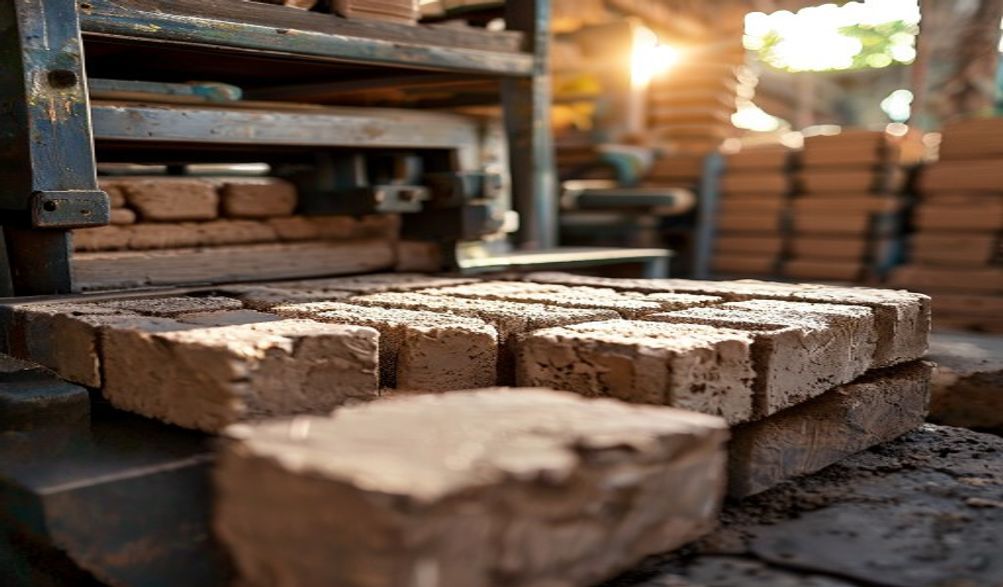
Hướng dẫn Chọn Máy Làm Gạch Phù Hợp tại Philippines: Cẩm nang Mua Hàng năm 2026
Giới thiệu
Ngành xây dựng Philippines đang trên đà tăng trưởng không ngừng. Từ các dự án cơ sở hạ tầng của chính phủ đến các khu dân cư tư nhân, nhu cầu về vật liệu xây dựng chất lượng, giá cả phải chăng chưa bao giờ cao như hiện nay. Trọng tâm của sự bùng nổ xây dựng này là một thành phần cơ bản: viên gạch khiêm tốn. Đối với các doanh nhân, nhà thầu và nhà xây dựng, đây là một cơ hội vàng. Tuy nhiên, việc định hướng trong thị trường máy làm gạch đông đúc có thể là một mê cung đáng sợ với các thuật ngữ kỹ thuật, tuyên bố mâu thuẫn và mức giá khác nhau.
选错机器不只是一次小挫折,而是直接导致资金浪费、产品质量不达标、商业项目停滞的捷径。风险极高。本指南旨在成为您的终极手册,以清晰可行的建议剖析复杂问题,这些建议专为菲律宾市场的独特现实量身定制。基于对当地建筑供应链和机械性能的广泛分析,我们提供您所需实用的见解,助您做出自信且有利可图的投资。让我们为您的成功奠定基础。
理解您的需求及本地市场
Trước khi xem bất kỳ tờ rơi máy móc nào, bạn phải nhìn vào bên trong và xung quanh mình. Bối cảnh địa phương và các mục tiêu cụ thể của bạn là những bộ lọc quan trọng nhất cho quyết định của bạn.
Xác định Phạm Vi Dự Án: Khối Lượng & Loại Gạch
Lựa chọn máy móc của bạn phụ thuộc vào những gì bạn định sản xuất và đối tượng tiêu thụ.
- 您是否正在为需要每天数千块空心砖的大型细分项目供应材料?
- 或者你正在专注于一个精品开发项目,需要装饰性的连锁铺路砖或景观砖?
Bắt đầu bằng cách ước tính nhu cầu sản xuất thực tế hàng ngày và hàng tuần của bạn. Tính đến không chỉ các đơn hàng hiện tại mà còn cả mức tăng trưởng dự kiến trong 1-2 năm tới.
Các Loại Gạch Phổ Biến ở Philippines
- Gạch rỗng:行业标准的墙体解决方案,在降低重量和材料成本的同时,提供良好的强度。
- Khối Đặc用于地基、承重墙及需要最大密度的区域。
- Gạch lát và khối liên kết:Dành cho lối vào nhà, lối đi bộ và cảnh quan sân vườn. Những hạng mục này thường có biên lợi nhuận cao hơn và yêu cầu khuôn mẫu cho các hoa văn cụ thể.
Key Philippine-Specific Factors to Consider
The “best” machine on a global spec sheet might be the worst fit for your local conditions.
- Local Material Compatibility: Your machine must efficiently handle locally sourced aggregates. Test if it can produce high-quality bricks with the sand, gravel, and potential supplementary materials (like volcanic ash or pozzolan) available in your region. The mixer’s efficiency is key here.
- Power Supply Reality: Analyze your local power situation.
- Electric Machines: Offer cleaner operation but depend on grid stability. In areas prone to brownouts, this can mean costly downtime.
- Diesel Machines: Higher fuel cost and noise, but provide crucial independence from the grid, ideal for provinces with unreliable electricity.
- Máy Móc Thủ Công: Eliminate power costs entirely but severely limit output.
- Space and Location: A fully automatic plant needs significant space for the machine, raw material storage, curing area, and finished product inventory. A semi-automatic unit might fit in a modest backyard workshop. Consider logistics for material delivery and brick collection.
- Climate Adaptability: The machine will operate in a tropical climate—high heat, humidity, and heavy rain. Look for features like corrosion-resistant paint, sealed electrical components, and proper ventilation points. Can the machine or its control systems withstand a humid, dusty environment?
Types of Brick Making Machines Explained
Brick machines fall into three main categories, defined by their level of automation.
Máy Làm Gạch Thủ Công
These are the simplest and most basic types, relying entirely on human labor for mixing, filling, compacting, and demolding.
- Ưu điểm: Extremely low initial investment. No electricity or fuel required. Simple to understand and repair.
- Nhược điểm: Very low production output (e.g., 100-500 blocks per day). Brick quality and consistency heavily depend on operator skill and fatigue. Physically demanding.
- Tốt Nhất Cho: Micro-enterprises, community-based projects, personal use for a single property, or as a very low-risk proof-of-concept before scaling up.
Máy Làm Gạch Bán Tự Động
This category strikes the optimal balance for most small to medium Filipino businesses. The core compaction process (via vibration or hydraulics) is powered, but tasks like feeding the raw mix and removing finished bricks are manual.
- Ưu điểm: Significantly higher and more consistent output than manual machines (e.g., 800-2,500 blocks per 8-hour shift). Better quality control due to mechanized compaction. More affordable than fully automatic systems.
- Nhược điểm: Still requires a small team of operators. Output is limited by the speed of manual feeding and removal.
- Tốt Nhất Cho: Growing SMEs, local construction suppliers, and contractors looking to reliably supply several projects simultaneously. This is the sweet spot for many first-time commercial buyers.
Máy Làm Gạch Tự Động Hoàn Toàn
These are complete production lines. They automate the entire process: batching, mixing, conveying, compacting, curing, and sometimes even stacking/palletizing.
- Ưu điểm: Maximum output (e.g., 5,000 to 20,000+ blocks per shift). Exceptional consistency and quality. Drastically reduced labor requirements per block produced.
- Nhược điểm: Very high capital investment. Requires a stable, high-capacity power supply. Needs more sophisticated maintenance and technical know-how.
- Tốt Nhất Cho: Large-scale commercial plants, established block manufacturers supplying major developers, or businesses with confirmed, high-volume contracts.
Critical Technical Specifications to Evaluate
Once you’ve narrowed down the type, dive into the specs. These numbers tell the real story.
Công Suất Sản Xuất (Khối Mỗi Giờ)
Don’t just look at the theoretical maximum. Ask about đầu ra thực tế, bền vững under normal working conditions.
- Thời gian chu kỳ: How many seconds does it take to produce one cycle of bricks? (e.g., 4 blocks per cycle, 15-second cycle time).
- Mold Quantity: How many bricks can the machine produce in a single cycle? Machines with multiple mold cavities produce more per cycle.
- Match to Forecast: Cross-reference this output with your sales forecast. It’s better to have a machine that can slightly exceed your needs than one that strains at maximum capacity daily.
Pressure System (Hydraulic vs. Mechanical Vibration)
The compaction system defines the brick’s strength and finish.
- Mechanical Vibration: Uses powerful vibrator motors to settle the concrete mix in the mold. Excellent for producing standard hollow and solid blocks. Generally more energy-efficient for certain block types.
- Áp suất thủy lực: Uses a hydraulic cylinder to apply high, consistent pressure. Produces extremely dense, high-strength bricks with a very smooth surface finish. Ideal for pavers, interlocking blocks, and solid blocks where superior aesthetics and strength are critical.
- Hybrid Systems: Many modern semi and fully automatic machines use a combination of vibration and hydraulic pressure for optimal results.
Mold Versatility and Customization
Your ability to diversify your product line is a key competitive advantage.
- Khuôn có thể thay thế lẫn nhau: Can you easily switch molds to produce different block sizes (4″, 5″, 6″ hollow blocks) or switch from blocks to pavers? How much do additional molds cost?
- Custom Designs: Some suppliers can fabricate custom molds for unique brick designs, textures, or logos. This allows you to cater to architectural niches.
Chất Lượng Xây Dựng và Các Thành Phần Độ Bền
This is where you assess long-term reliability.
- Kết cấu khung Look for heavy-duty, welded steel frames (e.g., Grade SS400 or higher). Avoid lightweight, bolted-together frames that will flex under load.
- Hệ thống thủy lực: For hydraulic machines, inquire about the brand of pumps, valves, and cylinders. Reputable brands (e.g., Yuken, Rexroth) indicate better reliability and easier parts sourcing.
- Vibrator Motors: They should be high-frequency, industrial-grade motors designed for continuous duty.
- Electrical Panel: Should be well-organized, use recognized component brands (e.g., Schneider, Siemens, Mitsubishi), and have proper safety cut-offs.
The Philippine Supplier Landscape: Vetting and Selection
Your relationship with the supplier is as important as the machine itself. In the Philippines, after-sales support is not a luxury—it’s a necessity.
Local Dealer vs. Direct Importer: Pros and Cons
- Local Authorized Dealer:
- Ưu điểm: Established physical presence (showroom/warehouse). Readily available spare parts inventory. Trained local technicians for installation, training, and repairs. Typically handles warranty claims locally and swiftly.
- Nhược điểm: Price may include a mark-up for these services.
- Direct Importer (Buying from abroad or a pure trader):
- Ưu điểm: Potentially lower upfront purchase price.
- Nhược điểm: You handle shipping, customs, and import taxes. Warranty claims may require shipping parts or components back overseas, leading to months of downtime. No local technician support; you must find your own mechanic.
Essential Questions to Ask Any Supplier
- “Can I visit your physical showroom and see a working demo unit?”
- “What is the specific warranty period, and what components are covered? Is the warranty honored by your local team?”
- “Do you have a team of technicians in the Philippines for installation and service? What is your typical response time for a service call?”
- “Can you provide contact information for 2-3 of your current Filipino clients I can speak to?” (Always follow up on references).
- “For critical spare parts (like a hydraulic pump or control board), what is the lead time if they are not in your local stock?”
Red Flags and Warning Signs
- No Physical Address: A supplier operating only through a Facebook page or a generic website with no local office.
- Price Too Good to Be True: Drastically undercutting the market often means inferior materials, no support, or a scam.
- Vague Warranty: Terms like “1-year warranty” without a written document detailing inclusions/exclusions.
- Full Payment Upfront: Reputable suppliers typically require a reasonable down payment (e.g., 30-50%), with the balance upon delivery or after successful installation.
Total Cost of Ownership & Financing
The purchase price is just the entry ticket. Smart budgeting for the full lifecycle cost is crucial.
Beyond the Sticker Price: Hidden Costs
- Logistics: For imported machines, factor in: Sea freight, insurance, customs duties (varies by machine type), brokerage fees, and inland delivery to your site.
- Site Preparation: Cost of a level, reinforced concrete foundation, which is mandatory for stable operation.
- Utilities Setup: Electrical connection (possible transformer upgrade) or fuel storage for diesel.
- Initial Raw Material Stock: Budget for your first batches of cement, sand, and gravel.
- Ongoing Costs: Regular preventive maintenance, spare parts fund (start with 5-10% of machine cost as a reserve), and operator wages.
ROI Calculation: When Will You Break Even?
Create a simple projection:
1. Total Investment: Machine cost + all hidden setup costs.
2. Monthly Production Cost: (Cement + aggregates + power/fuel + labor + maintenance) x monthly output.
3. Monthly Revenue: (Selling price per brick) x (number of bricks sold monthly).
4. Monthly Gross Profit: Revenue – Production Cost.
5. Payback Period: Total Investment / Monthly Gross Profit.
Ví dụ: If your total investment is ₱500,000 and your monthly gross profit is ₱50,000, your simple payback period is 10 months.
Exploring Financing Options in the Philippines
- Bank Loans: Many banks offer SME equipment loans. Prepare a solid business plan.
- Dealer Financing: Some established dealers offer installment plans.
- Government Programs: Check with the Department of Trade and Industry (DTI) or other agencies for possible grants, soft loans, or support programs for MSMEs in manufacturing.
Installation, Training, and After-Sales Support
This phase turns a piece of metal into a productive asset.
The Importance of Proper Installation
A machine installed on an uneven or weak foundation will vibrate excessively, leading to premature wear, misalignment, and consistently poor-quality bricks. Insist that the supplier supervises or handles the installation according to their foundation drawings.
Operator Training is Non-Negotiable
The supplier must provide hands-on training for your operators, covering:
* Safe startup and shutdown procedures.
* Daily operation and optimal mix design.
* Routine maintenance (greasing, cleaning, inspection).
* Basic troubleshooting for common issues.
Securing Reliable After-Sales Service
Clarify the service terms:
* Response Time: Get a written commitment (e.g., “within 48 hours for critical issues”).
* Spare Parts Inventory: Ask for a list of parts they stock locally.
* Service Contracts: Consider an annual preventive maintenance contract for critical automatic machines to avoid major breakdowns.
Các Câu Hỏi Thường Gặp (FAQ)
Q1: What is the average price range for a brick making machine in the Philippines?
A: Prices vary dramatically. A basic manual machine can start from ₱20,000 – ₱80,000. A quality semi-automatic machine typically ranges from ₱250,000 to ₱1.2 Million. Large, fully automatic plants can cost ₱2 Million to ₱10 Million+. Specifications, brand, and level of local support are the main price drivers.
Q2: Can I use ordinary sand and gravel from my area?
A: In most cases, yes. Philippine-made or adapted machines are designed for local aggregates. The critical factor is the mix design (the ratio of cement, sand, and gravel). A reputable supplier should help you develop the right mix for your local materials to achieve the required brick strength.
Q3: How much electricity will a semi-automatic machine consume?
A: It depends on the total motor power (in kW). For example, a machine with a 7.5kW motor running 8 hours a day: 7.5kW * 8 hours = 60 kWh. At a rate of ₱10/kWh, that’s ₱600 per day in electricity. Always ask for the machine’s total connected load.
Q4: Is it better to buy a brand-new or a quality used machine?
A: For first-time buyers, a new machine from a reputable dealer is strongly recommended. You get a full warranty, assurance of condition, and proper training. A used machine can offer savings but carries high risk—unless you can have it thoroughly inspected by an independent, expert mechanic before purchase.
Q5: What is the most common mistake first-time buyers make?
A: Two major mistakes: 1) Buying on price alone, which often leads to poor after-sales support and costly downtime, and 2) Overestimating market demand and purchasing a machine that is too large and expensive to operate, straining their finances. Start with a clear, conservative business plan.
Conclusion
Choosing the right brick making machine is a strategic decision that requires careful navigation. The journey starts with a honest assessment of your own needs and local market conditions. From there, understanding the fundamental types of machines—manual, semi-automatic, and fully automatic—provides your direction. Diving into technical specifications separates marketing claims from tangible performance. However, in the Philippine context, the most critical step is the meticulous vetting of your supplier, prioritizing those with a proven track record of local support.
Remember, the “best” machine is not the one with the highest output or the lowest price tag. It is the one that reliably and profitably meets your specific production goals, backed by a supplier you can trust for years to come. Let this guide be your checklist. Use it to ask the right questions, demand demonstrations, and speak to existing clients. Make your investment with confidence, and build not just bricks, but a thriving, resilient business that contributes to the growth of the Philippines.
<