
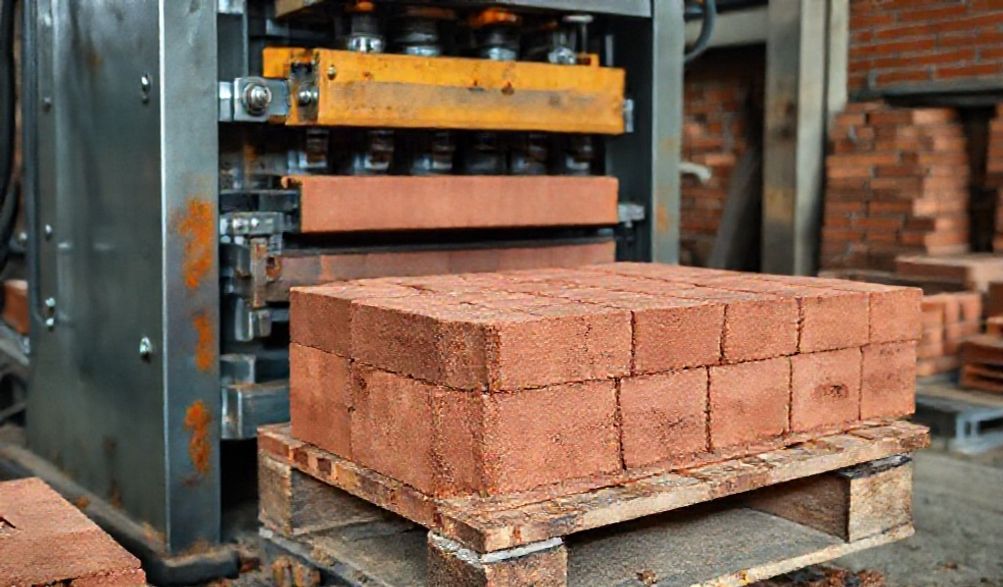
The Ultimate Guide to Brick Making Machines: Types, Costs, and How to Choose
For millennia, bricks have formed the literal and figurative bedrock of human civilization. From the ancient walls of Babylon to the modern skylines of today, their enduring strength and versatility are unmatched. However, the traditional method of hand-molding bricks is a story of back-breaking labor, inconsistent quality, and limited scale. In our era of a global construction boom—driven by urbanization, infrastructure development, and housing demands—this manual approach simply cannot keep pace.
The powerful solution? Brick making machines. These engineering marvels have revolutionized the industry, transforming brick production from a craft into a precise, efficient, and highly scalable manufacturing process. Whether you’re a construction company looking to control material supply, an entrepreneur eyeing a lucrative manufacturing business, or a project manager for a large-scale development, understanding this equipment is crucial.
This ultimate guide is designed to be your comprehensive resource. We synthesize technical knowledge, industry standards, and practical operational insights to provide trustworthy, actionable information. Our goal is to help you make an informed, confident decision. You will learn about:
- The core principles and undeniable benefits of mechanized brick production.
- The different types of machines, from simple manual presses to fully automatic plants.
- The critical factors to consider when choosing the right machine for your needs.
- A realistic breakdown of investment costs and total ownership.
- How to identify reputable manufacturers and ensure long-term productivity.
- Answers to the most frequently asked questions in the industry.
Let’s build a solid foundation of knowledge.
Understanding Brick Making Machines: Core Principles and Benefits
At its heart, a brick making machine automates and intensifies the age-old process of forming a durable building block from raw material. It replaces human effort with mechanical force, delivering unparalleled consistency, speed, and control.
How Does a Brick Making Machine Work?
While designs vary, the core production stages remain consistent across most machines:
- Pha trộn: Raw materials (like clay, cement, sand, or fly ash) are blended with a precise amount of water in a pan or concrete mixer to achieve a homogeneous, workable mix.
- Cho ăn & Nén chặt: The mixed material is fed into a mold box (hopper). Here, the core mechanism applies immense pressure:
- Áp suất thủy lực: Uses hydraulic cylinders to apply steady, immense force, excellent for high-density blocks.
- Rung động: Employs high-frequency vibrations to consolidate the material, often combined with some pressure.
- Mechanical Compression: Uses a lever or screw mechanism to compact the material.
- Đúc khuôn Under pressure, the material takes the exact shape of the mold cavity. Interchangeable molds allow one machine to produce bricks, hollow blocks, paving slabs, and more.
- Đẩy ra/Đóng rắn: The freshly formed, “green” brick is ejected onto a pallet or conveyor. The final and most critical stage is chữa trị, where the bricks gain strength through controlled drying (for clay bricks) or chemical hydration (for concrete blocks), often in a chamber for several days.
Key Advantages Over Manual Methods
The shift to mechanization isn’t just about convenience; it’s a fundamental upgrade with measurable returns:
- Tăng Trưởng Đầu Ra Theo Cấp Số Nhân While a skilled artisan might produce 500 bricks a day, a small semi-automatic machine can produce 2,000-5,000, and large automatic plants can exceed 20,000. This scalability is transformative for business growth and project timelines.
- Uncompromising Consistency & Quality: Machines produce bricks with identical dimensions, density, and texture. This consistency is vital for meeting international engineering standards (like ASTMhoặcIS codes), ensuring structural integrity, simplifying bricklaying, and reducing mortar use.
- Significant Long-Term Labor Cost Reduction: Although the initial investment is higher, machines drastically reduce dependency on large, skilled labor crews, lowering long-term operational costs and mitigating labor shortages.
- Material Versatility and Innovation: Modern machines can process a wide array of materials, including traditional clay, concrete (cement + aggregates), and industrial by-products like fly ash. This allows for sustainable, cost-effective production and access to new markets (e.g., lightweight fly ash bricks).
- Improved ROI and Sustainability: Higher output, lower waste, and the ability to use recycled materials (like crushed construction waste) translate to a faster return on investment and a smaller environmental footprint compared to traditional fired clay methods.
Types of Brick Making Machines: Finding the Right Fit
Choosing the correct type of machine is your most critical decision. The market offers solutions for every scale and budget, categorized in several ways.
By Operation: Manual, Semi-Automatic, and Fully Automatic
- Máy Móc Thủ Công: Operated primarily by human labor (lever pulling) for compaction and ejection.
- Đầu tư: Lowest cost.
- Labor/Output: High labor, low output (300-1,000 bricks/day).
- Lý Tưởng Cho: Micro-enterprises, very small-scale projects, or regions with extremely low labor costs and capital.
- Máy Bán Tự Động: Key processes like compaction and vibration are powered (by electric or diesel motors), but brick handling, feeding, and pallet movement are manual.
- Đầu tư: Moderate.
- Labor/Output: Moderate labor, good output (1,500-6,000 bricks/day).
- Lý Tưởng Cho: Small to medium businesses (SMEs), startups, and standard construction projects. Offers the best balance of automation and affordability.
- Máy Móc Tự Động Hoàn Toàn: Computer-controlled systems handle the entire process from feeding to stacking, often with robotic pallet handlers and conveyor belts.
- Đầu tư:Chào.
- Labor/Output: Minimal labor, very high output (10,000-30,000+ bricks/day).
- Lý Tưởng Cho: Large-scale industrial plants, major infrastructure projects, and high-volume commercial production.
By Production Process: Stationary vs. Mobile Block Machines
- Máy Định Vị Khối Cố Định: These are fixed installations, typically with high production capacities. They form the core of a brick manufacturing plant, often integrated with mixers, conveyors, and curing racks.
- Máy đúc khối di động: Mounted on a trailer, these machines can be towed directly to a construction site. They produce blocks on-demand using locally sourced materials, drastically reducing transport costs for large projects. Output is generally lower than large stationary plants.
By End Product: Clay, Concrete, and Fly Ash Brick Machines
The machine design is optimized for the material’s properties.
- Máy Sản Xuất Gạch Đất Sét: Designed for soil with specific clay/silt content. They often include an extruder that shapes a continuous column of clay, which is then wire-cut into bricks before firing in a kiln.
- Máy Sản Xuất Gạch Bê Tông: Use vibration and pressure to compact a zero-slump concrete mix (cement, sand, aggregate). They excel at producing solid, hollow, and paving blocks that gain strength through curing, not firing.
- Máy Sản Xuất Gạch Tro Bay: Specifically engineered to compress a mix of fly ash, lime, gypsum, and sand. They use high hydraulic pressure to create strong, lightweight bricks that cure in steam chambers (autoclaving) or naturally.
Máy Móc Chuyên Dụng: Beyond these, you’ll find machines dedicated to interlocking bricks (for dry-stack construction), paving slabs, kerbstonesvàdecorative landscape blocks.
Critical Factors for Choosing Your Brick Making Machine
Moving beyond types, a successful purchase hinges on a deep analysis of your specific situation.
Assessing Your Production Needs & Scale
Begin with clear numbers. Ask:
* What is my current and projected daily brick requirement?
* Is this for a one-off project or a continuous business?
* What is my available workspace (for the machine, raw material storage, and curing area)?
* Do I plan to scale up in the next 3-5 years? Choosing a slightly more capable machine now can be more cost-effective than a full upgrade later.
Raw Material Availability and Compatibility
This is a non-negotiable technical consideration. The machine must match your locally available, cost-effective materials.
* Conduct a soil test if planning to use clay. The clay content and plasticity are crucial.
* In regions with abundant thermal power plants, fly ash is a cheap, eco-friendly option.
* For concrete blocks, ensure a reliable supply of quality cement and well-graded aggregates.
* Expert Tip: Many suppliers can test your local material sample to recommend the optimal machine configuration and mix design.
Đào Sâu Thông Số Kỹ Thuật Máy Móc
Look beyond the brochure’s “bricks per hour” claim. Scrutinize:
* Công suất động cơ: Indicates the machine’s capability and energy consumption.
* Thời gian chu kỳ: The time to produce one cycle of bricks; faster cycles mean higher output.
* Pressure Capacity (Tons): Higher pressure yields denser, stronger bricks, especially important for fly ash and concrete.
* Tính Linh Hoạt của Khuôn Mẫu: Can you easily change molds to produce different block sizes and types? Are molds standardized and readily available?
* Mức độ Tự động hóa: Precisely which processes are automated? Understand what manual tasks will remain.
Power Source: Electric, Diesel, or Hybrid?
- Điện: Cleaner, quieter, and lower operating cost where grid power is stable and affordable.
- Đi-ê-zen Essential for sites with no electricity or frequent power cuts. Offers mobility for mobile machines.
- Hybrid (Electric/Diesel): Provides flexibility, allowing operation on either power source, which is a valuable feature in regions with unreliable grids.
Investment and Cost Analysis
Brick Making Machine Price Range Breakdown
Prices vary enormously based on type, capacity, brand, and region. Use these brackets as a general guide, not a fixed quote.
- Máy Móc Thủ Công: Typically range from $1,000 to $5,000.
- Máy Bán Tự Động: A significant step up, usually between $8,000 and $30,000.
- Cây Trồng Tự Động Hoàn Toàn: Represent a major industrial investment, often starting from $50,000 and can exceed $250,000+ for large, sophisticated lines.
A Critical Trustworthiness Note: Always request detailed, itemized quotations from multiple suppliers. Be highly cautious of prices that seem too good to be true—they often indicate inferior materials, lack of certification, or hidden costs. The cheapest machine can become the most expensive due to downtime and repair costs.
Beyond the Machine: Total Cost of Ownership
The machine price is just the entry ticket. Budget for:
* Thiết bị phụ trợ: Concrete mixer, conveyor belts, brick pallets, curing racks/steam chambers.
* Installation & Foundation: Some heavy machines require a solid concrete foundation.
* Training: Proper operator training is essential for safety, quality, and output.
* Maintenance & Spare Parts: Regular lubrication, part replacement (like mold liners, hydraulic seals). Ensure your supplier stocks spares locally.
* Raw Material & Utility Costs: Ongoing costs for electricity/fuel, cement, aggregates, etc.
Top Brick Making Machine Manufacturers and Suppliers
What to Look for in a Reputable Supplier
The supplier’s reliability is as important as the machine’s specs. Prioritize companies that demonstrate:
* Hồ sơ thành tích đã được chứng minh: Years of operation and a strong client portfolio.
* Chứng nhận Chất lượng: ISO certification is a strong indicator of manufacturing process quality.
* Comprehensive After-Sales Service: A clear warranty, availability of technical support (phone, on-site), and a readily available inventory of spare parts.
* Transparency: Willingness to provide client references, detailed specifications, and arrange a live demonstration or visit to an existing installation.
* Industry Authority: They should provide training materials and operational manuals.
Overview of Leading Global and Regional Brands
The global market features well-established international brands from Europe, North America, and East Asia, known for advanced technology and durability. Simultaneously, robust local manufacturers in regions like India, China, Turkey, and South America offer competitive, often well-adapted solutions at various price points.
Key names frequently cited in industry discussions include manufacturers like Zenith (Germany), Bess (Turkey), and Aimix (China), among others. Our firm recommendation is to use this as a starting point for independent research. Attend industry trade shows, compare technical specifications directly, and, most importantly, speak to current owners of the equipment you are considering.
Operation, Maintenance, and Maximizing Productivity
Essential Safety and Operational Guidelines
- Always wear appropriate Personal Protective Equipment (PPE): safety glasses, gloves, and steel-toe boots.
- Never bypass safety guards or interlocks.
- Ensure all operators are thoroughly trained on startup, operation, and emergency shutdown procedures.
- Keep the work area clean and free of obstructions.
Routine Maintenance Checklist for Longevity
A disciplined maintenance routine prevents costly breakdowns. Daily/Weekly tasks include:
* Lubricate all moving parts (bearings, guide rods) as per the manual.
* Check hydraulic oil levels and look for leaks.
* Clean the mold box, hopper, and pallets after each shift to prevent material buildup.
* Inspect electrical connections for tightness.
* Check and tighten any loose bolts or fasteners.
Troubleshooting Common Issues
- Poor Compaction/Weak Bricks: Incorrect water content in mix, insufficient pressure, or worn-out mold liners.
- Surface Cracks: Too much water, excessive vibration, or improper curing (drying too fast).
- Sticking in Mold: Underside of mold needs cleaning/lubrication, or mix is too wet.
- Inconsistent Brick Height: Worn mold components, uneven feeding of material, or uneven pallet surface.
Frequently Asked Questions (FAQ)
Q1: What is the production capacity of a standard brick making machine?
A: “Standard” varies immensely. Manual machines may produce 1,000 bricks per day, while semi-automatic models range from 2,000 to 8,000. Large fully automatic plants can produce 15,000 to 30,000+ bricks in an 8-hour shift. Always define capacity based on a specific block size and model.
Q2: Can one machine produce different types and sizes of bricks?
A: Yes, this is a key advantage. Most machines are designed to work with interchangeable molds. By swapping the mold box, the same machine can typically produce solid blocks, hollow blocks, paving stones, and bricks of different dimensions.
Q3: What is the typical payback period for a brick making machine investment?
A: This depends heavily on scale, local brick prices, operational efficiency, and material costs. For a well-run small to medium operation, a realistic payback period often ranges from 1 to 3 years. A detailed business plan with local cost inputs is essential.
Q4: How important is after-sales service when purchasing?
A: It is critical. A machine is a long-term asset. Reliable, accessible technical support and guaranteed spare parts availability are paramount to minimize costly downtime. A cheaper machine with poor service support can become a stranded asset.
Q5: Are there eco-friendly brick making options?
A: Absolutely. Machines that utilize fly ash (a waste product from coal plants) help reduce landfill. Non-fired processes (for concrete and fly ash bricks) save the energy and emissions associated with traditional kiln firing. Furthermore, modern machines are designed for material efficiency, minimizing waste.
Conclusion
Selecting the right brick making machine is a strategic decision that hinges on a clear understanding of your production goals, material constraints, and financial parameters. We’ve navigated the core principles, the spectrum of machine types—from manual to fully automatic—and the vital importance of looking beyond the sticker price to total cost of ownership and supplier reputation.
Use this guide as your framework. Let it inform your next steps: conducting thorough local market research, visiting suppliers to see machines in action, and speaking directly with other business owners about their experiences. There is no universal “best” machine, only the best machine for your specific context and ambitions.
We are committed to providing reliable, expert-driven information to empower your decision-making. For the most current local advice, we strongly recommend consulting with a qualified industry expert or engineering consultant familiar with your region’s materials and market conditions. With diligent planning and the right equipment, your brick making venture can build a foundation for lasting success.
<