
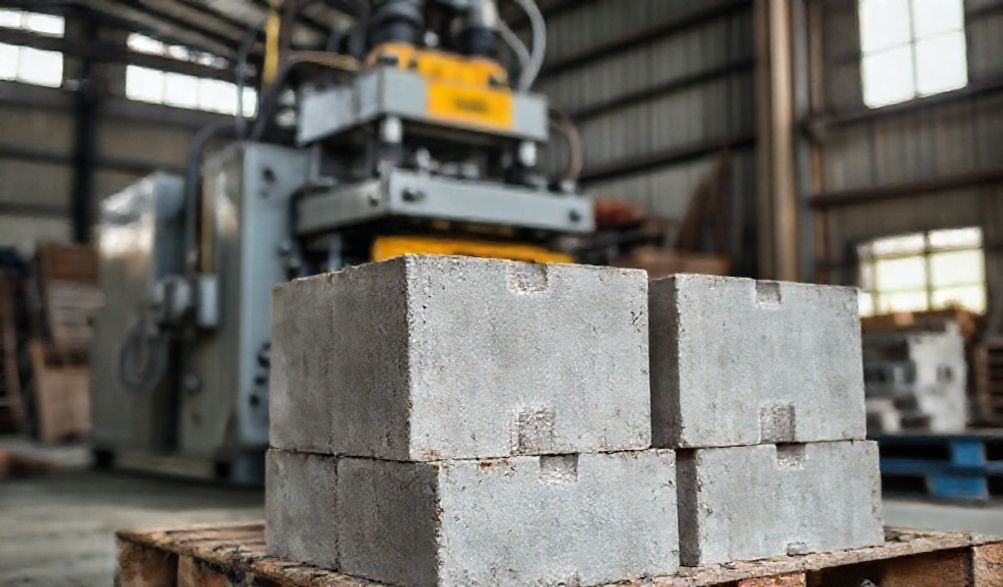
Hướng Dẫn Toàn Diện Để Mua Máy Sản Xuất Gạch Bê Tông Tại Dhaka, Bangladesh
Giới thiệu
Đường chân trời của Dhaka là minh chứng cho sự phát triển không ngừng. Từ các trung tâm thương mại sầm uất ở Gulshan đến những khu dân cư đang mở rộng ở Purbachal, ngành xây dựng của Bangladesh đang bùng nổ. Trọng tâm của cuộc cách mạng xây dựng hiện đại này nằm ở một thành phần cơ bản: khối bê tông. Là lựa chọn ưu tiên cho công trình bền vững, chắc chắn và tiết kiệm chi phí, nhu cầu về các khối bê tông chất lượng cao chưa bao giờ cao hơn thế.
Tuy nhiên, đối với các nhà thầu xây dựng, nhà thầu và doanh nhân khởi nghiệp ở Dhaka, việc tìm nguồn cung ứng các khối bê tông này hoặc tham gia vào ngành sản xuất lại đi kèm với một thách thức đáng kể. Thị trường máy làm khối bê tông rất đa dạng, với nhiều lựa chọn từ các thiết bị thủ công đơn giản đến các nhà máy tự động hóa tinh vi. Làm thế nào để bạn vượt qua những thông tin hỗn độn để tìm được một chiếc máy đáng tin cậy, hiệu quả và thực sự có giá trị hợp lý? Một lựa chọn sai lầm có thể dẫn đến thời gian ngừng hoạt động kéo dài, sản phẩm kém chất lượng và một khoản đầu tư thất bại.
Hướng dẫn này là nguồn tài nguyên toàn diện, được dẫn dắt bởi chuyên gia. Chúng ta sẽ khám phá toàn bộ bức tranh về việc mua máy sản xuất gạch bê tông tại Dhaka, Bangladesh. Mục tiêu của chúng tôi là vượt ra ngoài những tờ rơi quảng cáo và cung cấp cho bạn lời khuyên thực tế, minh bạch và thiết thực. Bạn sẽ có được kiến thức cần thiết để đưa ra quyết định sáng suốt, tự tin, phù hợp với mục tiêu sản xuất cụ thể và tham vọng kinh doanh của mình. Hãy cùng xây dựng nền tảng vững chắc cho thành công của bạn.
Tìm hiểu về Máy Sản Xuất Gạch Bê Tông
Trước khi bước chân vào thị trường, việc hiểu rõ công cụ trọng tâm của bạn là điều tối quan trọng. Máy sản xuất khối bê tông không chỉ đơn thuần là một khối kim loại; đó là một hệ thống được thiết kế để biến nguyên liệu thô thành những thành phần xây dựng chính xác và bền vững.
Máy Sản Xuất Khối Bê Tông Hoạt Động Như Thế Nào?
Quá trình này, dù được thực hiện một cách tinh vi, vẫn tuân theo một trình tự logic:
- Pha trộn:Xi măng, cát (hoặc các loại cốt liệu mịn khác), đá dăm (cốt liệu thô) và nước được trộn đều trong máy trộn để tạo thành hỗn hợp bê tông đồng nhất, dạng bán khô. Độ sệt là yếu tố then chốt—quá ướt, khối sẽ không giữ được hình dạng; quá khô, nó sẽ không được nén chặt đúng cách.
- Đúc khuônHỗn hợp này được đưa vào phễu, sau đó phễu sẽ đổ một lượng đã định vào khuôn hoặc "hộp khuôn." Khuôn này xác định hình dạng của khối — rỗng, đặc, gạch lát, v.v.
- Nén chặt:Đây là giai đoạn quan trọng khi khối bê tông đạt được độ bền. Hầu hết các máy móc sử dụng sự kết hợp của:
- Rung động:Rung động tần số cao làm rung chuyển khuôn, khiến hỗn hợp bê tông lắng xuống chắc chắn và giải phóng các túi khí.
- Áp suất thủy lực:Một đầu thủy lực tạo áp lực đáng kể từ phía trên, nén thêm vật liệu. Hành động kép này đảm bảo mật độ tối đa và tính toàn vẹn cấu trúc.
- Chữa bệnh:Khối gạch mới đúc (hay còn gọi là "gạch mộc") sau đó được đẩy ra khuôn lên pallet. Nó phải trải qua quá trình bảo dưỡng có kiểm soát, thường bao gồm việc giữ ẩm trong vài ngày, để xi măng có thể thủy hóa hoàn toàn và đạt được cường độ thiết kế.
বাংলাদেশের বাজারে পাওয়া যাওয়া মেশিনের প্রকারভেদ
Lựa chọn của bạn ở đây sẽ quyết định quy mô kinh doanh, nhu cầu nhân lực và mức vốn đầu tư của doanh nghiệp.
- Máy Làm Gạch Thủ Công:Đây là những máy ép thủ công hoặc cơ khí đơn giản. Chúng đòi hỏi lao động thủ công đáng kể để trộn, cấp liệu và tháo khuôn.
- Tốt nhất cho:Các doanh nghiệp siêu nhỏ, các dự án cá nhân quy mô rất nhỏ, hoặc như một điểm khởi đầu chi phí thấp. Sản lượng đầu ra rất thấp.
- Máy Bán Tự Động:Lựa chọn phổ biến nhất cho các doanh nghiệp vừa và nhỏ tại và xung quanh Dhaka. Các quy trình chính như trộn và rung được cung cấp năng lượng, nhưng việc đẩy khối và di chuyển pallet có thể cần một số can thiệp thủ công.
- Tốt nhất cho:Các doanh nghiệp vừa và nhỏ. Họ mang lại sự cân bằng tuyệt vời giữa sản lượng (500-2000 khối mỗi ca 8 giờ), khả năng chi trả và quyền kiểm soát hoạt động.
- Nhà máy sản xuất gạch block tự động hoàn toàn These are complete production lines with automated material handling, mixing, block making, curing, and stacking. They require minimal human oversight.
- Tốt nhất cho: Large-scale manufacturers supplying major projects or distributors. Investment is high, but output can exceed 10,000 blocks per shift.
- Máy đúc khối di động: Mounted on a trailer, these machines can be towed directly to a construction site to produce blocks on-location, saving transport costs for large projects.
Các Thành Phần Chính và Chức Năng của Chúng
Knowing the parts helps you evaluate quality and discuss maintenance.
* Hopper: Holds and feeds the raw concrete mix into the mold.
* Máy trộn: Blends cement, aggregates, and water uniformly (in stationary plants).
* Mold/Mold Box: The core component that shapes the block. Interchangeable molds allow production of different block types.
* Hệ thống rung: Usually an electric motor with eccentric weights that generates the necessary compaction frequency.
* Hệ thống thủy lực: Comprises a pump, cylinders, and valves to apply precise pressure during compaction and block ejection.
* Bảng điều khiển: Houses the electrical controls for operating the machine’s cycles (semi and fully automatic models).
Why Invest in a Block Making Machine in Dhaka?
The decision to invest is not just about buying equipment; it’s about capitalizing on a clear and present economic opportunity.
The Growing Construction Demand in Bangladesh
The numbers speak for themselves. Bangladesh’s infrastructure and real estate sectors are experiencing unprecedented growth. Mega-projects like the Padma Bridge, Metro Rail, and numerous high-rise developments create a massive, sustained demand for building materials. The government’s focus on affordable housing and urban development further fuels this demand. For a business in Dhaka, this translates to a ready and growing market for quality concrete blocks.
Economic Advantages for Entrepreneurs
Investing in production is often more profitable than just being a consumer.
* High-Profit Margins: The cost of producing a standard hollow block (e.g., 10″) in Dhaka is significantly lower than its market selling price. The margin covers machine depreciation, raw materials, labor, and power, leaving a healthy profit.
* Business Model Flexibility: You can supply local contractors, partner with developers on specific projects, or even establish your own retail channel. You control production to meet market needs.
* Reduced Reliance on Third-Parties: No more delays or quality issues from external suppliers. You manage your own inventory and timelines.
Quality Control and Consistency
When you own the machine, you own the quality.
* Strength Assurance: You control the mix design (cement-aggregate ratio), compaction, and curing process, ensuring every block meets the required compressive strength (e.g., 7.5 MPa, 10 MPa as per project specs).
* Độ chính xác kích thước: A good machine produces blocks with uniform size and sharp edges, which simplifies and speeds up masonry work, saving builders time and mortar.
* BSTI Compliance: For certain projects and to build a reputable brand, producing blocks that meet Bangladesh Standards and Testing Institution (BSTI) standards is a major competitive advantage. This compliance starts with controlled in-house production.
Critical Factors Before You Buy in Dhaka
This is where due diligence separates a wise investment from a costly mistake. Consider these factors specific to operating in the Dhaka region.
Đánh Giá Nhu Cầu Sản Xuất Của Bạn
Ask yourself these questions first:
* What is my target daily or monthly output? Are you supplying a single project, a few local builders, or aiming for the wholesale market?
* What types of blocks are in demand? Solid blocks for foundations? Hollow blocks for walls? Paving blocks for driveways? Ensure the machine can accommodate the necessary molds.
* What is my available startup capital? Be realistic about budget, including machine cost, setup, and working capital for raw materials.
Các Thông Số Kỹ Thuật Máy Móc Cần Kiểm Tra Kỹ Lưỡng
Never buy based on a model name alone. Demand these details:
* Năng lực sản xuất: Often stated as “blocks per hour.” Clarify if this is for a standard hollow block and under ideal conditions. Derate it slightly for real-world planning.
* Block Sizes and Mold Compatibility: List the specific block sizes you need (e.g., 10″x8″x4″ hollow block, 4″ solid block). Confirm the machine can use molds for these sizes and that molds are readily available.
* Yêu cầu về nguồn điện: This is critical in Dhaka. Does the machine run on 3-phase electricity? What is the connected load (in kW)? Do you have reliable access to this power, or will you need a diesel generator as a backup? Factor in power costs.
* Mức độ Tự động hóa: How much manual labor is required per cycle? Semi-automatic machines save labor compared to manual ones but are more affordable than full automatics.
Space, Power, and Raw Material Considerations
Your machine doesn’t operate in a vacuum.
* Không gian You need space for the machine, a raw material storage area (sand, chips, cement), a mixing area (if not integrated), a curing yard, and storage for finished blocks. A covered shed is essential for the machine and curing.
* Nguyên liệu thô: Source reliable suppliers for sand (or Sylhet sand/stone dust), graded stone chips, and cement. The consistency of your raw materials directly affects block quality. Establish a supply chain before you start production.
* Nước: You’ll need a consistent water supply for the mix and for curing blocks.
Navigating the Dhaka Supplier Landscape
Finding the right seller is as important as finding the right machine. The Dhaka market has both local manufacturers and dealers for imported machines.
Local Manufacturers vs. Imported Machine Dealers
- Local Manufacturers (e.g., in areas like BADC, Tongi, or Narayanganj):
- Ưu điểm: Lower initial cost, easier and faster communication, readily available spare parts, quicker service response. They understand local conditions and power issues.
- Nhược điểm: Technology may be less advanced, and build quality can vary significantly between workshops.
- Imported Machine Dealers (selling Chinese, Indian, or European brands):
- Ưu điểm: Often feature more advanced technology, higher efficiency, and potentially better build quality. Brand reputation can be a factor.
- Nhược điểm: Higher purchase price, expensive and delayed spare parts, potential language barriers with the manufacturer, and service may depend solely on the dealer’s capability.
The Verdict: For most buyers in Bangladesh, a reputable local manufacturer with a strong service record is often the safer bet. The importance of accessible after-sales support cannot be overstated.
How to Vet a Reliable Supplier or Manufacturer
Your supplier checklist:
1. Insist on a Factory Visit: See where the machines are actually assembled. Assess the workshop’s organization and quality of work.
2. Ask for Client References: Get a list of recent buyers. Call them and ask about machine performance, downtime, and the supplier’s responsiveness to service calls.
3. Scrutinize the Warranty: What is covered (parts, labor)? For how long? What are the terms? Get it in writing.
4. Evaluate Service Capability: Do they have dedicated service engineers? What is their typical response time for a breakdown in Dhaka?
Red Flags to Avoid:
* Supplier operates only from a small showroom with no workshop.
* Unwillingness to provide client references.
* Vague or overly generous warranty promises that seem too good to be true.
* Pressure to pay 100% upfront before delivery or installation.
Understanding Pricing and Hidden Costs
The machine’s sticker price is just the beginning. When comparing quotes, ensure they include or account for:
* Machine base price.
* Cost of the specific molds you need.
* Installation and commissioning charges.
* Operator training.
* Cost of a starter kit of essential spare parts (seals, springs, etc.).
* Transportation to your site.
A detailed, line-item quote allows for a true comparison.
Installation, Operation, and Maintenance
Your machine’s lifespan and productivity depend on how it’s treated from day one.
Setting Up for Success: Installation Basics
- Foundation: The machine needs a level, solid concrete foundation as per the supplier’s drawings to absorb vibrations.
- Power Connection: A proper 3-phase electrical connection by a qualified electrician, with necessary safety switches (MCB, ELCB).
- Safety First: Ensure all moving parts are guarded, and the work area is organized to prevent accidents.
Training Your Operators for Efficiency and Safety
Do not skip this. Proper training from the supplier ensures:
* Correct operation sequences for optimal block quality.
* Basic troubleshooting to identify minor issues.
* Safe working practices to prevent injuries.
* Understanding of the raw material mix, which is 50% of block quality.
Essential Maintenance Schedule for Longevity
A little regular care prevents major breakdowns.
* Hàng ngày: Clean the machine thoroughly at the end of the shift, especially the mold and hopper. Check for loose bolts.
* Hàng tuần: Lubricate all moving parts as per the manual. Check hydraulic oil levels and for leaks.
* Monthly: Inspect the vibrator mounts, hydraulic hoses, and electrical connections.
* Phụ Tùng Thay Thế: Keep a small inventory of common wear-and-tear items: hydraulic seals, vibration motor mounts, springs, and spare mold liners. Your supplier can recommend a list.
Maximizing Your Investment and ROI
With your machine running smoothly, focus on optimizing the business.
Optimizing Production for Profit
- Nguồn nguyên liệu thô: Build relationships with aggregate suppliers for consistent quality and better prices for bulk purchases.
- Perfect the Mix Design: Experiment (under guidance) to find the most cost-effective mix that still meets strength requirements. Avoid over-cementing.
- Streamline Workflow: Organize your yard so the flow of raw materials to finished blocks is logical and minimizes handling.
Marketing Your Concrete Blocks in the Local Market
- Quality as Marketing: Deliver consistently strong, well-shaped blocks. Your product will market itself to masons and foremen.
- Targeted Outreach: Visit construction sites, connect with local contractors’ associations, and list your business on relevant Bangladeshi online directories (e.g., ClickBD, eSheba).
- Branding: Even simple branding on your delivery vehicle or a professional invoice helps build recognition.
Scaling Your Business: From One Machine to a Plant
Start with a machine that meets your proven demand. As your client base grows, you can:
1. Add a second semi-automatic machine for increased capacity.
2. Invest in a concrete mixer to improve mix consistency and save labor.
3. Eventually, upgrade to a fully automatic plant with a block curing system (like a steam curing chamber) for the highest output and quality.
Frequently Asked Questions (FAQ)
Q1: What is the average price range for a concrete block making machine in Dhaka?
A: Prices vary dramatically. A basic manual machine can start from BDT 1-2 lakh, a quality semi-automatic machine may range from BDT 8 lakh to 25 lakh, and fully automatic plants can cost BDT 50 lakh to several crores. Always get a detailed quote based on your specifications.
Q2: Can I get a loan or financing for this machinery in Bangladesh?
A: Yes. Many banks and financial institutions (like Sonali Bank, Janata Bank, IDLC, IPDC) offer SME and industrial equipment loans. Prepare a solid business plan and approach them directly to understand their terms and collateral requirements.
Q3: What is the typical warranty period, and what does it cover?
A: A standard warranty from a reputable local supplier is typically 1 năm on major parts (excluding wear items like mold liners). Crucially, you must get the warranty coverage, exclusions, and response time commitments in writing before purchase.
Q4: How do I ensure the blocks meet BSTI standards?
A: Follow a precise, proven mix design, ensure proper compaction in the machine, and implement a strict 7-14 day water curing process. To verify, you can send samples from your initial production batches to a BSTI-certified laboratory for compressive strength testing.
Q5: What after-sales service should I expect from a good supplier?
A: Expect comprehensive support: supervised installation and commissioning, thorough operator training, a 24/7 helpline for troubleshooting, availability of service engineers for on-site visits, and a reliable inventory of spare parts for sale. This service network is a key part of your purchase decision.
Conclusion
Purchasing a concrete block making machine in Dhaka is a significant step toward securing your role in Bangladesh’s dynamic construction sector. This journey—from understanding the different machine types and assessing your needs to meticulously vetting suppliers and planning for maintenance—requires careful thought and due diligence.
As a final piece of expert advice, remember this: In the Bangladeshi context, the reliability of your supplier and their after-sales service network often outweighs a marginal saving on the initial purchase price. A slightly more expensive machine from a reputable, service-oriented company will save you money, time, and immense frustration in the long run.
Use this guide as your checklist. Visit multiple workshops, ask the hard questions, speak to existing clients, and scrutinize every detail of the warranty and service agreement. By making an informed decision, you’re not just buying a machine; you’re investing in the foundation of a profitable and sustainable business that will contribute to building the future of Dhaka and Bangladesh.
<