
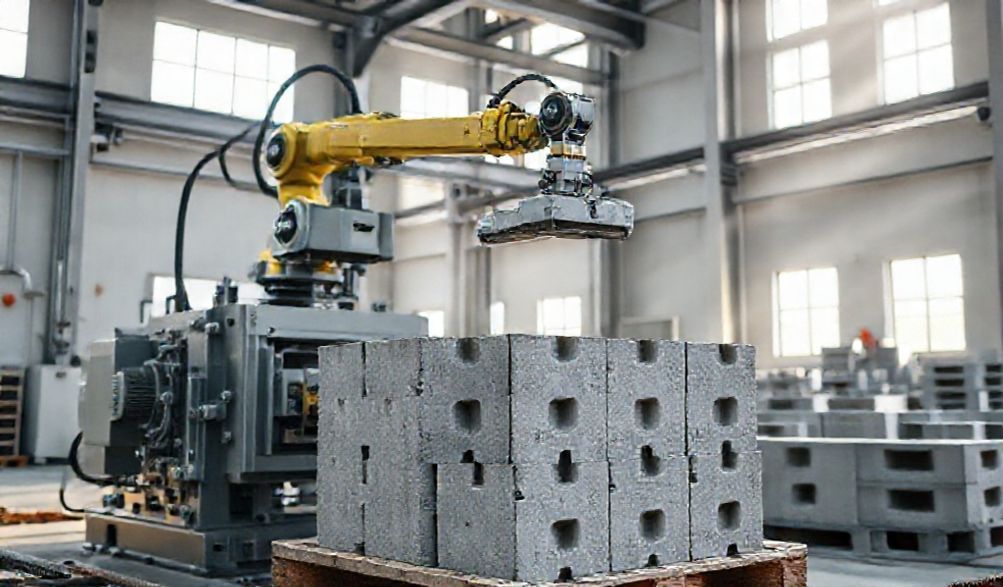
Hướng Dẫn Toàn Diện Để Tìm Nhà Cung Cấp Máy Ép Gạch Không Nung Đáng Tin Cậy
Ngành công nghiệp xây dựng toàn cầu đang đứng trước một ngã rẽ quan trọng. Khi nhu cầu về vật liệu xây dựng bền vững, tiết kiệm năng lượng tăng vọt, các công nghệ đột phá đang nổi lên để đương đầu với thách thức này. Tiên phong trong cuộc cách mạng này là công nghệ gạch block không nung - một phương pháp đột phá tạo ra các khối xây dựng cường độ cao mà không để lại dấu chân carbon khổng lồ như phương pháp nung truyền thống.
Đối với các doanh nhân, công ty xây dựng và nhà đầu tư có tầm nhìn, đây là một cơ hội vô cùng lớn. Tuy nhiên, việc tận dụng được nó phụ thuộc vào một quyết định quan trọng: lựa chọn đúng...Nhà cung cấp máy sản xuất gạch không nungĐây không phải là một giao dịch mua bán đơn thuần; mà là một quan hệ đối tác chiến lược dài hạn. Một lựa chọn sai lầm có thể dẫn đến thời gian ngừng sản xuất nghiêm trọng, chất lượng sản phẩm dưới chuẩn và một khoản đầu tư thất bại.
Đây là cẩm nang toàn diện, được thiết kế để trở thành nguồn tài nguyên chuẩn mực dành cho bạn. Được xây dựng dựa trên các phương pháp tối ưu nhất trong ngành, những hiểu biết chuyên sâu về kỹ thuật và tập trung vào giá trị lâu dài, cẩm nang này sẽ trang bị cho bạn kiến thức để sàng lọc, đánh giá và cuối cùng lựa chọn được một nhà cung cấp thực sự trở thành đối tác đồng hành cho thành công của bạn. Hãy cùng đảm bảo rằng khoản đầu tư của bạn xây dựng nền tảng cho lợi nhuận, chứ không phải những rắc rối.
Máy Làm Gạch Không Nung là gì? Giải Thích Công Nghệ Cốt Lõi
Before you start evaluating suppliers, it’s crucial to understand exactly what you’re buying. A bake-free block machine is a specialized piece of equipment designed to manufacture concrete blocks, pavers, and bricks that gain structural strength through a chemical process, eliminating the need for high-temperature kiln curing.
The Science Behind Curing-Free Technology
The magic lies in the chemistry, not a furnace. Unlike traditional clay bricks that require firing at over 1000°C, bake-free blocks solidify through controlled hydration and compaction.
- Quy trình chính: The technology primarily relies on a pozzolanic reaction. When materials like fly ash (a byproduct of coal combustion) or slag are mixed with an activator (like cement or lime) and water, they form stable, cementitious compounds.
- Role of Hydraulic Pressure: The machine applies intense, precise hydraulic pressure (often hundreds of tons) to the raw material mix in a mold. This pressure not only forms the block but also dramatically accelerates the chemical bonding process, initiating immediate strength gain.
- Final Curing: After ejection, blocks are stacked and cure naturally or in a controlled steam chamber at low temperatures (60-80°C), reaching their required strength within days.
Các Thành Phần Chính và Cách Chúng Hoạt Động
A reliable machine is a symphony of robust components:
- Hệ thống Trộn A forced-action mixer that ensures a homogeneous, consistent blend of raw materials (aggregate, binder, pigment, water).
- Material Feeder & Distribution System: Transports the mix evenly into the mold cavities.
- Molding Chamber & Hydraulic Press: The heart of the machine. High-grade steel molds define the block shape, while the hydraulic system applies the critical, high-pressure compaction.
- Pallet Feeder & Block Ejector: Automatically feeds pallets for the new blocks and gently transfers finished blocks onto them.
- Bộ điều khiển logic khả trình (PLC): The brain. It automates the entire cycle, ensuring precision, repeatability, and easy operation.
Advantages Over Traditional Fired Brick Machines
Choosing bake-free technology isn’t just trendy; it’s a smart business and environmental decision.
- Radically Lower Energy Consumption: Eliminates fossil fuel-guzzling kilns, slashing energy costs by up to 90%.
- Significant Carbon Footprint Reduction: Utilizes industrial by-products (fly ash, slag) and avoids CO2 emissions from firing.
- Tính Linh Hoạt của Nguyên Vật Liệu: Can use locally available materials like sand, quarry dust, and various binders, reducing raw material cost and logistics.
- Faster Production to Market: Blocks can be stacked and shipped within days, not weeks, improving cash flow.
- Superior Product Performance: Often results in blocks with higher compressive strength, better insulation properties, and consistent dimensional accuracy.
Critical Factors When Evaluating a Bake-Free Block Machine Supplier
Now that you understand the technology, you can appreciate what makes a great supplier. Look beyond the sales pitch and focus on these tangible factors.
Technical Expertise and Manufacturing Capability
The supplier’s own foundation must be rock-solid.
- Nghiên cứu và Phát triển Nội bộ: Do they have a dedicated engineering team? This indicates an ability to solve problems, customize solutions, and stay ahead of technological advancements.
- Manufacturing Quality: Inquire about the grade of steel used for frames and molds, and the brands of critical components (hydraulic pumps, PLCs, motors). Reputable brands (Siemens, Schneider, etc.) signal reliability.
- Factory Scale & Process: A supplier with a full-scale manufacturing facility—not just an assembly shop—has better control over quality. Ask about their welding, machining, and quality inspection processes.
Machine Performance & Specifications Deep Dive
Never judge a machine by its brochure picture alone. Demand detailed specifications and understand what they mean for your operation.
- Thời gian chu kỳ: The time to produce one pallet of blocks. Faster cycles mean higher output. Compare models carefully.
- Áp lực (Tấn lực): This directly impacts block density and strength. Ensure the pressure is sufficient for your target product specifications.
- Mức độ Tự động hóa: Semi-automatic machines require more manual intervention but have a lower entry cost. Fully automatic systems offer higher, more consistent output with less labor.
- Công suất đầu ra: Calculate based on an 8-hour or 24-hour shift. Be realistic about your market demand and growth projections.
- Yêu cầu về nguồn điện: Verify the electrical specs (voltage, phase, total connected load) match your plant’s infrastructure.
Comprehensive After-Sales Support Structure
This is the most critical differentiator between a vendor and a partner. A machine without support is a future paperweight.
- Lắp đặt & Vận hành: Will they send a technician to supervise installation and ensure the machine runs perfectly from day one?
- Đào tạo Toàn diện cho Nhân viên Vận hành: On-site training for your team on operation, basic troubleshooting, and safety is non-negotiable.
- Clear Warranty Terms: What is covered (parts, labor)? For how long? What are the response time guarantees?
- Sẵn có Phụ tùng Thay thế: Do they maintain a ready inventory of wear-and-tear parts? What is their policy and timeline for shipping spare parts internationally?
Ensuring Quality and Building Trust: Your Supplier Vetting Process
Turn your evaluation into a systematic due diligence process. A trustworthy supplier will welcome your scrutiny.
Requesting and Analyzing Documentation
A professional supplier will have their documentation in order. Request these files:
- Detailed Technical Drawings & Specifications Sheet
- Certificates of Compliance: ISO 9001 for quality management, CE marking for European standards, or other relevant local certifications.
- Material Test Reports: For the steel and major components used.
- Client List & Project Portfolio: Evidence of successful, running installations.
The Power of Customer References and Case Studies
Go beyond the provided list. Do your own detective work.
- Contact Existing Clients: Ask specific questions: “What is your average machine uptime?” “How responsive is the support team?” “Were there any hidden costs?”
- Seek Similar Projects: Look for references in a similar climate or who use similar raw materials. Their experience will be most relevant to you.
- Analyze Case Studies: Look for detailed stories that discuss the client’s challenge, the solution provided, and the quantifiable results achieved.
The Importance of a Factory Visit or Live Video Inspection
If geography and budget allow, visit the factory. If not, insist on a comprehensive live video tour.
What to look for during a visit:
- Workshop organization and cleanliness.
- Quality control checkpoints at various production stages.
- Skill level of the assembly technicians.
- Inventory of raw materials and spare parts.
- The opportunity to see a machine of your interest under test operation.
Beyond the Machine: Additional Services from a Top Supplier
The best suppliers sell solutions, not just hardware. They help ensure your entire project’s success.
Raw Material Formula Testing and Support
Your local soil and aggregates are unique. A top-tier supplier will:
- Analyze samples of your locally available materials.
- Develop an optimized, cost-effective block mix formula in their lab.
- Provide guidance on sourcing consistent-quality raw materials.
Plant Layout and Installation Planning
They should help you plan for success from the ground up by providing:
- A detailed plant layout diagram for efficient material flow.
- Foundation drawings with precise load-bearing and electrical requirements.
- Guidance on auxiliary equipment needed (mixer, conveyor, pallet stacker).
Long-Term Partnership for Upgrades and Maintenance
View your supplier as a long-term consultant. Do they offer?
- Scheduled preventive maintenance plans.
- Remote diagnostics support via the PLC.
- Upgrade paths to increase automation or output capacity as your business grows.
- Ongoing technical advice on new products or market trends.
Frequently Asked Questions (FAQ)
Q1: What is the typical lead time for a bake-free block machine from order to delivery?
A: Lead times typically range from 30 to 60 days for standard models. This can vary based on the level of customization, machine size/complexity, and international shipping logistics. Always get a written delivery timeline in your contract.
Q2: Can the machine produce different block sizes and shapes?
A: Absolutely. This is done by changing the mold. A key discussion with your supplier should be about your desired product range (solid blocks, hollow blocks, pavers, interlocking bricks). Inquire about the cost and lead time for additional molds and the ease of the changeover process.
Q3: What is the most important maintenance routine for these machines?
A: Consistent daily and weekly maintenance is crucial. Key routines include: 1) Hàng ngày: Thoroughly cleaning the molding area and conveyor of residual material. 2) Hàng tuần: Checking hydraulic oil levels and filters, and inspecting for oil leaks. 3) Regularly: Lubricating all moving parts as per the manual. A reliable supplier provides a comprehensive, easy-to-follow maintenance schedule.
Q4: How do I calculate the potential ROI (Return on Investment) for a bake-free block plant?
A: A basic ROI calculation should factor in: Revenue (Machine output per day x local selling price per block) minus Costs (Raw materials, labor, electricity, maintenance, and depreciation). A reputable supplier should be able to provide you with a projected ROI analysis based on your local market conditions and their machine’s proven performance data.
Conclusion
Selecting your Nhà cung cấp máy sản xuất gạch không nung is a decision that will resonate through your business for a decade or more. It’s the cornerstone upon which your productivity, product quality, and profitability are built. As this guide has outlined, the optimal choice is never based on price alone. It is a careful balance of robust technical specifications, demonstrable manufacturing quality, and—above all—an unwavering commitment to after-sales support and partnership.
Use the factors and vetting process outlined here as your definitive checklist. Move forward with confidence, asking the detailed questions that separate true industry partners from mere equipment sellers. Your ideal supplier will be transparent, eager to demonstrate their expertise, and aligned with your vision for sustainable, profitable growth.
Ready to start your search? Begin by shortlisting suppliers who openly provide the technical details, client references, and comprehensive support structures discussed in this guide.
<