
Hướng Dẫn Toàn Diện Về Máy Ép Gạch Đất Nén: Xây Dựng Bền Vững
Giới thiệu
Hãy tưởng tượng một thế giới nơi chính mảnh đất dưới chân bạn có thể biến thành những bức tường của một ngôi nhà bền vững, an toàn và giá cả phải chăng. Khi cộng đồng toàn cầu đang vật lộn với cuộc khủng hoảng kép về tình trạng thiếu nhà ở và tác động môi trường từ xây dựng truyền thống, viễn cảnh này không còn là giấc mơ không tưởng. Đó là một thực tế khả thi, được thúc đẩy bởi một công nghệ tài tình:máy ép gạch đất nén.
Hướng dẫn này là nguồn tài liệu toàn diện của bạn về công nghệ đột phá này. Dù bạn là một nhà xây dựng đang tìm kiếm phương pháp bền vững, một doanh nhân khám phá mô hình kinh doanh xanh, một tổ chức phi chính phủ lên kế hoạch cho dự án cộng đồng, hay đơn giản là một cá nhân có ý thức sinh thái, bản tổng quan chuyên sâu này sẽ cung cấp những góc nhìn hành động thiết thực. Chúng tôi sẽ giải mã cách một...máy ép gạch đất néncông trình, khám phá những lợi ích sâu sắc của nó, và cung cấp cho bạn kiến thức thực tiễn để lựa chọn và sử dụng một cách hiệu quả. Đến cuối cùng, bạn sẽ hiểu cách công cụ này đang cách mạng hóa ngành xây dựng, từng viên gạch một.
Máy Ép Gạch Đất Nén là gì? Giải Thích Công Nghệ Cốt Lõi
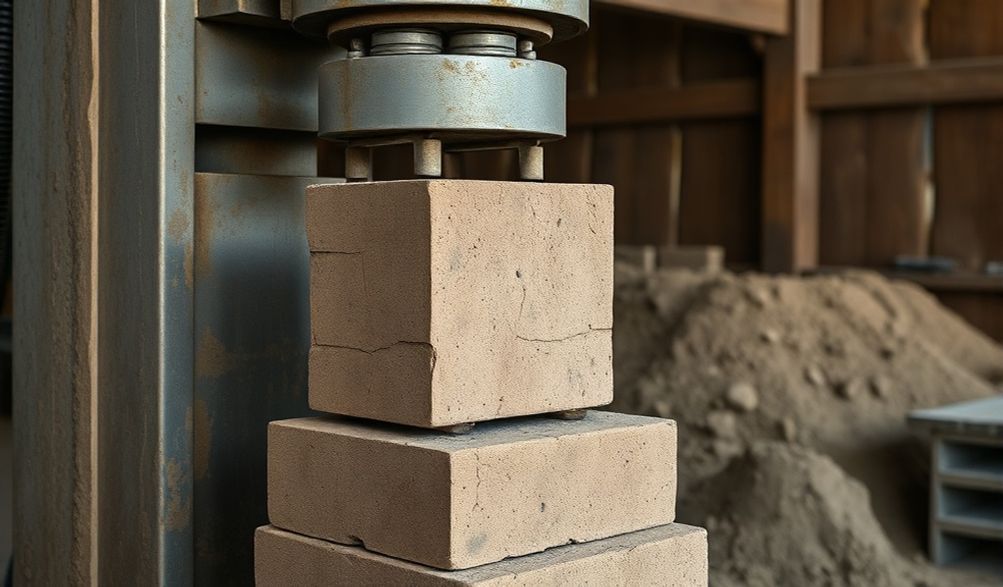
Về cốt lõi, máy ép gạch đất nén (CSB) là một loại máy ép cơ học hoặc thủy lực được thiết kế để nén đất tại chỗ - thường trộn thêm một lượng nhỏ chất ổn định - thành những viên gạch xây dựng đồng nhất và cực kỳ chắc đặc. Nó kết nối tri thức xây dựng cổ xưa với kỹ thuật hiện đại, mang đến một giải pháp vượt trội so với cả gạch bùn truyền thống lẫn gạch nung hay gạch bê tông tiêu tốn nhiều tài nguyên.
Định Nghĩa Máy Móc và Khối
Máy sản xuất ra những gì được gọi chính thức là Gạch Đất Nén Ổn Định (CSEB). Khác với gạch adobe phơi nắng, dựa vào quá trình khô tự nhiên chậm, CSEB được tạo ra thông qua quá trình nén áp suất cao tức thì. Quy trình này tạo ra những viên gạch có cường độ chịu nén và độ đồng đều về kích thước vượt trội. So với gạch nung, CSEB không cần lò nung, không đốt nhiên liệu hóa thạch và không thải ra khí carbon trong quá trình sản xuất. Những viên gạch thành phẩm là minh chứng cho một quy trình sản xuất tinh gọn, hiệu quả và ít tác động đến môi trường.
Nguyên Lý Cơ Bản của Hoạt Động
Hoạt động của máy CSB vô cùng đơn giản và tinh tế, thường tuân theo chu kỳ bốn bước:
- Chuẩn bị đất:Đất được sàng lọc kỹ và làm ẩm (có hoặc không có chất ổn định) được chuẩn bị.
- Đổ Khuôn:Hỗn hợp này được nạp vào khoang khuôn của máy.
- Applying High Pressure: A ram or piston applies immense pressure (measured in tons), compressing the soil particles into a solid, cohesive mass.
- Ejecting the Finished Block: The newly formed block is ejected onto a pallet, ready for curing.
A key innovation in many modern machines is the production of interlocking block designs. These blocks have grooves and tongues that allow them to fit together like puzzle pieces. This design drastically reduces or even eliminates the need for mortar in wall construction, speeding up building time, saving material costs, and increasing structural stability.
Key Benefits of Using a Compressed Earth Block Machine
Adopting CSB technology unlocks a powerful array of advantages spanning environmental, economic, and structural domains.
Environmental and Sustainability Advantages
- Ultra-Low Carbon Footprint: The process eliminates the energy-intensive firing of kilns. The primary input is local soil, resulting in minimal embodied energy.
- Sustainable Construction: It uses subsoil, which is typically a waste product from foundation excavation, turning a problem into a resource.
- Eco-Friendly Building Materials: No toxic emissions, no deforestation for fired bricks, and the blocks are 100% recyclable back into the earth.
Economic and Practical Benefits
- Radically Cost-Effective Building: The main raw material—soil—is often free or very cheap. Transportation costs are minimized when using on-site or locally sourced earth.
- Driver of Low-Cost Housing Projects: Ideal for community-led builds, social housing initiatives, and self-build projects, putting construction control back into local hands.
- Entrepreneurship & Job Creation: A single machine can form the basis of a small block-making enterprise, creating local jobs in production and construction.
Structural and Performance Qualities
- Độ Bền Nén Cao: Properly stabilized and compacted blocks can match or exceed the strength of conventional fired clay bricks.
- Khối Nhiệt Lượng Cao Cấp Earth blocks absorb heat during the day and release it slowly at night, naturally regulating indoor temperatures and slashing heating/cooling costs.
- Inherently Fire-Resistant Blocks: Being made of mineral soil, they are completely non-combustible, offering excellent fire safety.
- Moisture Regulation: The micro-porous structure of earth blocks allows them to “breathe,” absorbing and releasing ambient humidity, which can improve indoor air quality.
Types of Compressed Soil Block Machines: Choosing the Right Press
Selecting the right machine depends entirely on your project scale, budget, and production goals.
Manual / Lever-operated Machines
- Tốt Nhất Cho: Small-scale projects, DIY builders, community workshops, NGOs with limited budgets.
- Hoạt động: Relies on human power via a long lever to generate compression force.
- Đầu ra: Lower production (e.g., 100-300 blocks per day), but highly portable and affordable.
- Ưu điểm: Low cost, no electricity needed, easy maintenance, perfect for skill-building.
Semi-Automatic (Electro-Mechanical) Machines
- Tốt Nhất Cho: Small-to-medium enterprises (SMEs), housing developers, and larger community projects.
- Hoạt động: Uses an electric motor to drive a mechanical press, often with a conveyor system for easier operation.
- Đầu ra: Medium production (e.g., 300-800 blocks per day).
- Ưu điểm: Good balance of output and cost, more consistent block quality than manual presses, reduces operator fatigue.
Fully Automatic Hydraulic Machines
- Tốt Nhất Cho: Commercial-scale production for block yards supplying large construction sites.
- Hoạt động: Utilizes a hydraulic system for high, consistent pressure. Features automated feeding, pressing, and stacking.
- Đầu ra: High-volume production (e.g., 1000+ blocks per day).
- Ưu điểm: Highest output and block uniformity, requires minimal manual labor per block.
- Nhược điểm: Highest capital investment, requires reliable electricity, more complex maintenance.
Mobile vs. Stationary Units
An additional consideration is mobility. While most machines are stationary, some are mounted on trailers or trucks. Mobile CSB machines offer the unique advantage of producing blocks directly on the construction site, eliminating block transportation entirely and allowing for real-time adjustments to soil mix.
Critical Factors Before You Buy or Use a CSB Machine
Success with CSB technology hinges on preparation and informed decision-making.
Soil Testing and Stabilization: The Foundation of Success
This is the single most important step. Not all soil is suitable.
* Soil Suitability Test: You need the right blend of clay (as a binder), silt, and sand/gravel. Simple field tests (like the drop and ribbon tests) and lab analysis can determine this.
* Ổn định hóa: Most blocks require a stabilizer for durability and water resistance. The most common is cement stabilization (typically 5-10% by volume). Lime stabilization is another eco-option, especially for certain clay types. Stabilization is what transforms raw earth into a durable, weather-resistant building material.
Machine Specifications to Scrutinize
When evaluating machines, look beyond the price tag:
* Lực nén: Measured in tons. Higher pressure generally produces denser, stronger blocks (e.g., 10-ton vs. 20-ton press).
* Block Production Capacity: Understand blocks per hour/day under realistic conditions.
* Block Dimensions & Mold Options: Check available mold sizes and shapes (solid, interlocking, etc.).
* Build Quality & Support: Prioritize robust, welded steel frames and manufacturers who offer training, spare parts, and technical support.
Total Project Cost Analysis
The machine cost is just one part of the equation. A realistic budget must include:
* Soil testing fees
* Cost of stabilizer (cement/lime)
* Auxiliary equipment: soil sieve, mechanical mixer, wheelbarrows, pallets
* Labor for operation and curing management
* Space for block production and the 28-day curing period
Step-by-Step: How to Produce Quality Compressed Earth Blocks
Phase 1: Material Preparation
- Source & Sieve: Excavate soil from below the topsoil layer. Sieve it through a 10mm mesh to remove stones and organic matter.
- Determine Mix Design: Based on soil tests, calculate the correct percentage of stabilizer (e.g., 7% cement).
- Mix Thoroughly: First mix the dry soil and stabilizer until uniform. Then, add water gradually to achieve optimal moisture content (usually around 10-12%). The mix should hold its shape when squeezed without crumbling or dripping.
Phase 2: Machine Operation & Block Production
- Safety First: Wear gloves, safety glasses, and sturdy boots.
- Load the Mold: Fill the machine’s mold cavity with the prepared mix, often using a measured scoop for consistency.
- Apply Pressure: Engage the press (via lever, button, or pedal) to compact the soil. Hold pressure for a moment.
- Eject Block: Carefully eject the green block onto a prepared, level pallet. Handle it gently, as it gains strength over time.
Phase 3: Curing and Quality Control
- Curing is Crucial: Stack blocks under a shaded, covered area (e.g., with plastic sheeting). Keep them damp by sprinkling water 2-3 times a day for the first week. Full curing for maximum strength takes 21-28 days.
- Simple Quality Test: After 28 days, you can perform a simple field test: soak a block in water for 24 hours. A well-stabilized block should remain intact and strong.
Applications and Building Potential of Compressed Earth Blocks
From Homes to Institutions
CSBs are a versatile, code-compliant building material used worldwide in:
* Single and multi-story residential homes.
* Schools, clinics, and community centers.
* Hotels, offices, and institutional buildings.
* Disaster-resistant and humanitarian shelter construction.
Beyond Walls: Architectural Versatility
The use of CSBs extends far beyond load-bearing walls:
* Boundary Walls & Landscaping: For beautiful, durable garden walls and retaining walls.
* Architectural Features: Vaults, domes, and arches are possible with certain block shapes.
* Interior Partition Walls: Providing excellent acoustic and thermal separation inside conventional buildings.
Frequently Asked Questions (FAQ) About Compressed Soil Block Machines
Q1: What is the typical compressive strength of a stabilized compressed earth block?
A: With proper stabilization (e.g., 5-10% cement), compressive strengths typically range from 3 MPa to over 10 MPa. For context, many building codes require a minimum of 3-5 MPa for load-bearing walls. Strength depends directly on soil quality, stabilizer type/percentage, and compaction pressure.
Q2: Are compressed earth blocks suitable for rainy or cold climates?
A: Yes, with proper detailing. Stabilization (especially with cement) provides water resistance. Critical design elements include:
* A strong, protruding roof overhang (e.g., 600mm+).
* A raised, damp-proof foundation.
* A protective exterior plaster coating.
Their high thermal mass is actually a major benefit in cold climates, storing passive solar heat.
Q3: Can I start a business with a compressed soil block machine?
A: Absolutely. Many successful small businesses are built around CSB production. Key steps include:
* Assessing local demand and competition.
* Selecting the right machine scale (semi-automatic is a common starting point).
* Mastering soil mix design and quality control.
* Marketing blocks to local builders, developers, and self-builders.
Be sure to research and comply with any local building material standards.
Q4: How does the cost compare to conventional fired bricks or concrete blocks?
A: While the machine and stabilizer have upfront costs, CSBs can be 20-40% cheaper than conventional materials in total. The savings come from:
* Free/very low-cost raw material (soil).
* Drastically reduced transportation if soil is on-site.
* Potential for mortar-less construction with interlocking blocks.
The economic advantage grows with project scale and local material scarcity.
Q5: Do I need special skills to operate the machine?
A: Operating the press mechanism itself is simple and can be learned in hours. The true “skill” lies in the preparatory and follow-up stages: soil selection, mix design, moisture control, and curing management. These are easily learned through hands-on training, which many manufacturers or NGOs provide.
Conclusion
Cáimáy ép gạch đất nén stands as a powerful testament to the possibility of sustainable, affordable, and resilient construction. It is not a fringe technology but a proven, engineered solution with decades of successful application across diverse climates and cultures. By turning abundant local earth into high-quality building blocks, it empowers communities, reduces environmental impact, and creates durable, healthy buildings.
The journey from interest to implementation is clear. Your next steps could be to conduct a simple soil test on your land, connect with international networks like the Auroville Earth Institute or local sustainable building associations for training, or request detailed quotations from reputable machine manufacturers. By embracing technologies like the CSB machine, we actively participate in building a more self-reliant, ecological, and equitable world—starting from the ground up.
<