
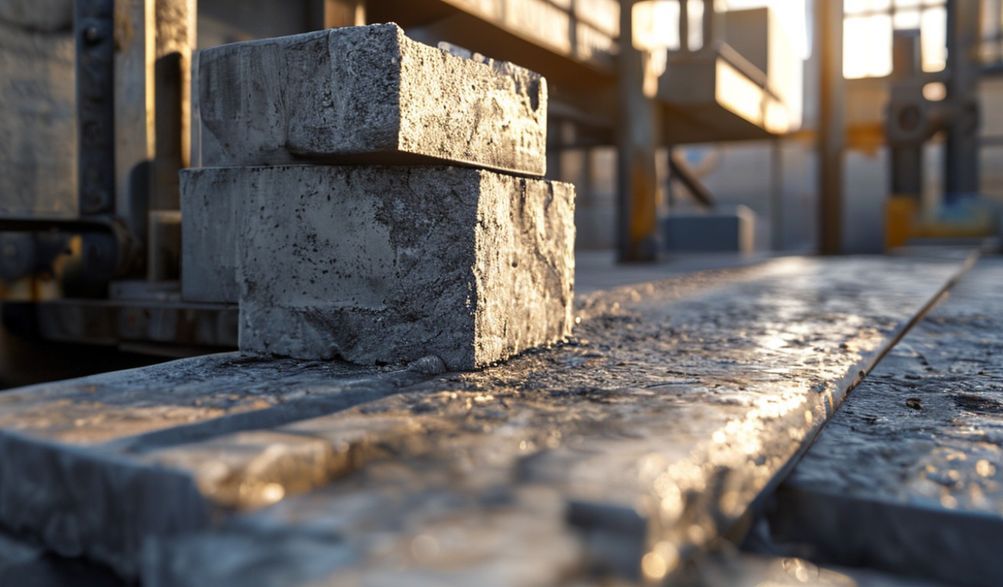
Giá Máy Block Gal: Hướng Dẫn Mua Hàng & Phân Tích Chi Phí Toàn Diện Năm 2026
Nếu bạn đang đọc những dòng này, có lẽ bạn đang đứng trước một ngã rẽ quan trọng. Bạn nhìn thấy tiềm năng trong việc sản xuất gạch bê tông—cho một dự án xây dựng, một công việc kinh doanh mới, hoặc mở rộng quy mô hoạt động hiện có. Nhưng bạn cũng đang phải đối mặt với một mê cung các danh sách trực tuyến, thuật ngữ khó hiểu và mức giá dao động từ thấp đến mức đáng ngờ cho đến cao ngất ngưởng. Nhu cầu cốt lõi của bạn rất rõ ràng: tìm một giải pháp đáng tin cậy, hiệu quả về chi phí và không trở thành một cái hố đốt tiền.
Chúng tôi hiểu. Từ "giá cả" luôn hiện hữu trong tâm trí bạn, và điều đó hoàn toàn chính đáng. Tuy nhiên, trong thế giới máy móc sản xuất khối xây, giá cả chỉ là cái bóng. Nó được tạo nên từ những yếu tố hữu hình vững chắc như chất lượng máy, công suất đầu ra, hiệu quả vận hành và độ bền lâu dài. Chỉ tập trung vào mức giá niêm yết là cách nhanh nhất làm suy yếu thành công dự án của bạn.
Hướng dẫn này được thiết kế để vén màn sự thật. Được viết từ góc nhìn của ngành, chúng tôi sẽ làm sáng tỏ cấu trúc chi phí toàn diện của thứ thường được gọi là máy "Block Gal". Chúng ta sẽ vượt ra ngoài báo giá ban đầu để khám phá khoản đầu tư ban đầu, các chi phí phụ trợ thiết yếu và những khoản chi phí ẩn trong vận hành. Mục tiêu của chúng tôi là trang bị cho bạn kiến thức để đánh giá giá trị thực so với mức giá, đảm bảo khoản đầu tư của bạn xây dựng nền tảng cho lợi nhuận, chứ không phải rắc rối.
Understanding Block Making Machines: What is a “Block Gal” Machine?
Before we dive into costs, let’s clarify the product itself. “Block Gal” is a colloquial term, often stemming from regional pronunciations or brand names, that has come to broadly refer to machines that manufacture concrete blocks. In technical terms, you are shopping for a concrete block-making machine.
Core Function and Common Applications
At its heart, this machine compresses a mixture of cement, aggregate (like sand or crushed stone), and water into a mold to form a dense, uniform block. By changing the mold, a single machine can typically produce a variety of blocks, including:
- Gạch block rỗng (dùng cho tường chịu lực)
- Khối rắn
- Paving stones and slabs
- Interlocking blocks (for retaining walls)
- Gờ giảm tốc và sản phẩm cảnh quan
The applications are vast, fueling several key industries:
- Xây dựng: From residential homes to commercial buildings, blocks are a fundamental material.
- Large-Scale Infrastructure: Used in roads, bridges, and drainage systems.
- Cảnh quan & Công trình cứng: For patios, walkways, and garden walls.
- Entrepreneurial Ventures: Starting a block manufacturing yard is a common business in developing and developed markets.
Key Machine Types and Their Impact on Price
The single greatest factor determining a Block Gal machine’s price is its level of automation and production method. Here’s the breakdown:
- Manual / Fly-Ash Press Machines: These are the entry-level workhorses. Operation is entirely labor-intensive—mixing, feeding, compacting, and stripping blocks are done by hand. They have the chi phí trả trước thấp nhấtnhưng chi phí lao động liên tục cao nhất và sản lượng thấp nhất.
- Máy Bán Tự Động: This is the sweet spot for many small to medium businesses. They incorporate hydraulic systems and vibration motors to compact the concrete, significantly improving block density and quality. Feeding and block removal may still be manual, but the core process is mechanized. They offer a Mức giá vừa phải with a strong balance of efficiency and investment.
- Máy Đứng Tự Động Hoàn Toàn: Designed for high-volume production plants. These are computer-controlled systems where raw material is fed at one end, and finished blocks are stacked at the other via conveyor belts and robotic arms. They represent a significant investment but deliver unmatched output, consistency, and labor savings.
- Fully Automatic Mobile Machines: The premium option. These combine high automation with mobility, allowing for on-site production (eliminating transport costs for blocks). Think of a large, self-contained factory on a trailer. They command the highest price point and are suited for massive infrastructure projects.
Breaking Down the Block Gal Machine Price: A Detailed Cost Structure
Let’s dissect what you’re really paying for. The purchase price is just the first layer.
Upfront Purchase Price: What You See
Based on projected 2026 market trends, here are approximate price ranges for new equipment. Remember, these are broad estimates and vary by region, brand, and specification.
- Manual Machine: $1,500 – $7,000
- Máy Bán Tự Động: $8,000 – $50,000
- Fully Automatic Stationary Machine: $50,000 – $250,000+
- Fully Automatic Mobile Machine: $150,000 – $500,000+
What drives these differences?
- Năng suất sản xuất (Khối/Giờ): A machine that makes 1,000 blocks per hour costs exponentially more than one making 200.
- Mức độ Tự động hóa: Each step mechanized—feeding, compaction, ejection, stacking—adds cost and value.
- Uy tín Thương hiệu & Xuất xứ: Established brands with proven durability often cost more than unknown manufacturers.
- Công Suất Động Cơ & Hệ Thống Thủy Lực Higher power and more sophisticated systems increase capability and price.
- Tùy chỉnh: Special molds or features add to the base cost.
Beyond the Sticker: Essential Ancillary Costs
This is where budgets often unravel. A machine alone cannot produce blocks.
- Molds & Pallets: Molds are specific to the block type and shape. A standard mold might cost $500-$2,000. High-wear items like pallets (the plates blocks form on) are a recurring cost. Consider them consumables.
- Raw Material Handling Equipment: You will likely need a pan or planetary mixer, a conveyor to feed the hopper, and possibly a forklift or block clamp for handling. This can add $3,000 to $20,000+ to your setup.
- Installation, Commissioning, and Training: Professional setup ensures your machine runs correctly from day one. Some suppliers include this; for others, it’s an extra fee. Don’t skip it.
- Shipping, Logistics, and Import Duties: For international orders, these costs can be substantial—sometimes 15-30% of the machine price. Always get a CIF (Cost, Insurance, and Freight) or DDP (Delivered Duty Paid) quote for clarity.
The Hidden Costs of Operation & Maintenance
The real financial test begins after the machine is installed.
- Tiêu thụ điện năng: A semi-automatic machine with a 10HP motor running 8 hours a day consumes significant electricity. Diesel-powered mobile plants have high fuel costs. Calculate your local energy rates.
- Routine Maintenance: Hydraulic seals, vibrator motors, and wearing plates will need replacement. A reliable supplier will have affordable, available spare parts. A poor one will not.
- Chi phí lao động: This is critical. A manual machine may require 4-6 people. A fully automatic line may need just 1-2. The salary savings over 3-5 years can justify a much higher initial automation investment.
- Cost of Raw Materials: Cement, aggregate, and pigment are your largest recurring expense. The machine doesn’t reduce this cost, but an efficient machine minimizes waste.
How to Get the Best Value for Your Investment
Value = Meeting Your Needs + Reliability + Support, all divided by Total Lifetime Cost.
Assessing Your Real Needs: Capacity, Block Type, and Scale
Don’t buy a Ferrari to go to the corner store. Be brutally honest with your requirements.
- Tính toán Đầu ra Yêu cầu How many blocks do you need per day or week? Add a 20-30% buffer for growth. Match the machine’s thực tế output (not its theoretical maximum) to this number.
- Identify Block Types: Will you produce only standard hollow blocks, or do you need versatility for paving stones and specialties? This dictates mold investments.
- Xác định Quy Mô Của Bạn: A one-off project? A start-up business? An existing plant expansion? Your answer points directly to the machine type.
Key Features That Justify a Higher Price Tag
Sometimes, paying more upfront saves a fortune later. Look for:
- Chất Lượng Xây Dựng: Heavy-duty steel frames, precision welding, and industrial-grade components. This means less vibration, fewer breakdowns, and a longer lifespan.
- Hiệu suất Năng lượng: IE3 or higher class electric motors and well-designed hydraulic systems reduce your daily operating cost.
- Comprehensive After-Sales Service: A minimum 12-month warranty on parts and labor is standard for good manufacturers. Access to prompt technical support—via phone, video, or in-person—is invaluable.
- Compliance & Standards: Machines bearing CE, ISO, or other international certifications have been designed and tested to meet safety and quality benchmarks. This isn’t just a sticker; it’s a risk mitigator.
The Pitfall of Choosing the Cheapest Option
The allure of a low price is powerful, but the risks are severe:
- Sự cố thường xuyên: Downtime is lost revenue. Cheap machines break down often.
- Chất Lượng Khối Không Đồng Đều: Poor vibration and weak pressure lead to low-density blocks that fail compression tests, destroying your reputation.
- Nguy hiểm về An toàn: Substandard electrical systems or poorly guarded moving parts endanger your workers.
- Higher Lifetime Cost: The “savings” evaporate after the first major repair, not to mention lost production. Always analyze the Tổng Chi Phí Sở Hữu (TCO).
Navigating the Market: Suppliers, Quotes, and Negotiation
Reputable Manufacturers vs. Local Distributors
- Manufacturers (Direct): You get the origin equipment, often at a better price. You have direct access to engineering teams for technical questions. The downside may be longer communication chains if overseas.
- Local Distributors/Agents: They offer local stock, faster service response, and easier communication. The trade-off is a higher price (they add a margin) and potentially less in-depth technical knowledge.
For most buyers, engaging directly with a reputable manufacturer—even if through an agent—yields the best combination of price and technical assurance.
How to Evaluate a Supplier’s Credibility (E-E-A-T Focus)
Use Google’s E-E-A-T framework to vet suppliers:
- Kinh nghiệm: How long have they been building these machines? Request a client list in your region and actual project photos/videos, not just catalog stock images.
- Chuyên môn Do they ask detailed questions about your needs and offer tailored advice? Can they explain the technical specs of their hydraulic system or control panel?
- Tính thẩm quyền Are they featured in industry publications or directories? Do they hold relevant patents or certifications for their equipment?
- Đáng tin cậy: Is their communication transparent and consistent? Do they provide clear, detailed contracts? Can they supply verifiable customer testimonials or connect you with past buyers?
Smart Questions to Ask Before You Buy
Arm yourself with these questions during negotiations:
- “Can you break down your quote to show the machine, molds, and shipping costs separately?”
- “Cái gì là”chính xác scope of your warranty? Which parts are covered, and for how long?”
- “Can you share a recent video of this exact machine model in operation at a customer’s site?”
- “What is your average lead time for shipping and delivering common spare parts like vibrator motors or hydraulic seals?”
- “Do you provide installation supervision and operator training? Is it included?”
Frequently Asked Questions (FAQ) on Block Gal Machine Price
Q1: What is the starting price for a basic block making machine?
A: For a new, basic manual or small semi-automatic machine, you can expect a starting price range of $1,500 to $8,000 for the base equipment. Remember, this rarely includes molds, mixers, or shipping.
Q2: Can I get a good quality automatic machine under $30,000?
A: It’s highly unlikely for a true, fully automatic machine. Reputable semi-automatic machines with some automated functions can be found in this range, but a durable, high-output fully automatic system requires a more significant investment in engineering and components. Be very wary of “automatic” claims at this price point.
Q3: How much does it cost to run a semi-automatic block machine per day?
A: Let’s simplify with an example. A 10HP (7.5kW) motor running for 8 hours consumes 60kWh. If your industrial electricity rate is $0.15/kWh, that’s $9 per day in power. Add labor for 2-3 workers and raw materials for the blocks produced to get a fuller picture.
Q4: Are used Block Gal machines a good way to save money?
A: They can be, but caution is paramount. Potential savings of 30-50% off new list price are possible. The risks include hidden wear and tear, obsolete technology, no warranty, and difficulty sourcing spare parts. Only consider a used machine if you can inspect it in person or have it inspected by a neutral mechanic.
Q5: Besides the machine price, what is the biggest ongoing expense?
A: By a wide margin, it is raw materials (cement and aggregate), which typically constitute 50-70% of your production cost. After that, for less automated setups, labor is the second largest recurring cost. For all machines, proactive maintenance is a necessary cost to prevent far larger repair bills.
Conclusion
The journey to understanding “Block Gal machine price” reveals that cost is a spectrum defined by capability, durability, and support. The wisest purchase decision is never anchored to the lowest initial number but is guided by the highest long-term value for your specific operation.
Investing in a block-making machine is investing in the foundation of your projects or business. Let this guide serve as your framework for engaging with suppliers, asking the right questions, and performing a true Total Cost of Ownership analysis. Choose a partner and a machine that will produce not just blocks, but profit and peace of mind for years to come. Your future success is being built, one block at a time.
<