
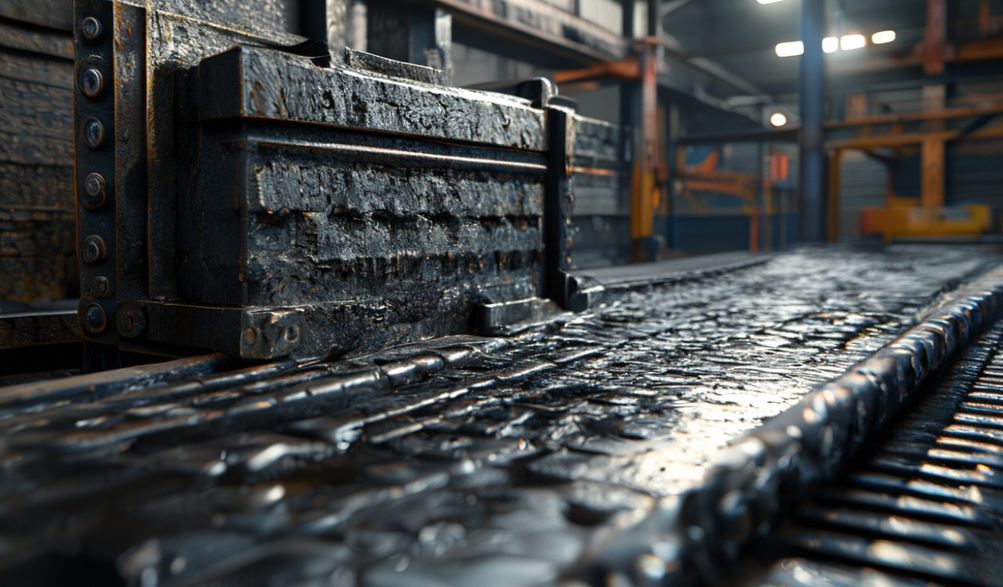
The Essential Guide to Brick Machine Pallets: Why Your Block Factory Depends on Them
Your block production line is a symphony of powerful machinery. The mixer roars, the vibrator hums, and the hydraulic system powers the mighty block press. Yet, for all this engineering marvel, your entire operation can grind to a halt—not by a failed motor or a broken mold—but by a simple, often overlooked component: the brick machine pallet.
If you’re battling inconsistent block dimensions, frustrating surface cracks, or costly downtime from pallet jams and failures, the root cause likely sits right under your blocks. The pallet is the critical, unsung hero of your production line, the essential interface between the forming machine and the curing process. Its quality, condition, and suitability directly dictate your factory’s efficiency, product quality, and, ultimately, your long-term profitability.
Drawing on years of observation in brick machine pallet manufacturing and insights from the operational floors of the Nhà máy sản xuất khối FUDA, this guide is built on real-world experience, not just theory. We will dissect the pivotal role of the pallet, explore the materials that make them, and provide you with a clear, actionable framework for selection and maintenance. By the end, you’ll have the expertise to transform this humble component from a recurring cost center into a pillar of reliable, profitable production.
What is a Brick Machine Pallet? The Unsung Hero of Production
A brick machine pallet is a flat, durable plate that forms the foundational “carrier” for blocks or pavers throughout the initial stages of their life. Think of it as the mobile factory floor for each individual block. It’s far more than a simple tray; it’s a precision-engineered wear part designed to withstand immense pressure, vibration, and environmental stress.
Core Function and Role in the Block Making Cycle
The pallet’s journey is a continuous, high-stakes cycle:
- Feeding & Formation: An empty pallet is fed into the block making machine, positioning itself perfectly under the mold box.
- Rung & Nén chặt The concrete mix is deposited onto the pallet. As the mold vibrates and the head press compacts the mix, the pallet provides the stable, flat base essential for uniform density.
- Transportation: The freshly formed, wet block—now bonded to the pallet’s surface—is ejected and transported (via conveyor or forklift) to the curing area.
- Curing & Setting: The block and pallet enter the curing rack or chamber. The pallet supports the block, preventing deformation as the concrete gains initial strength.
- Thoát y: Once cured, the block is de-molded or stripped. A quality pallet releases the block cleanly, ready to begin the cycle anew.
Impact on Final Block Quality and Consistency
The pallet’s condition is imprinted on every block you produce. Its performance directly influences:
- Độ chính xác kích thước: A warped or bent pallet creates blocks with inconsistent height and out-of-spec dimensions.
- Tính Toàn Vẹn Cấu Trúc Lack of flatness can cause uneven compaction, leading to weak spots, internal stresses, and hairline cracks.
- Độ nhám bề mặt A pitted, dirty, or rough pallet surface transfers imperfections to the bottom of the block, affecting aesthetics and potentially causing sticking.
- Production Flow: Pallet failure causes machine jams, leading to unscheduled downtime, wasted material, and labor costs.
Types of Brick Machine Pallets: Materials, Pros, and Cons
Choosing the right pallet material is a strategic decision that balances cost, durability, and application. Here’s a breakdown of the most common types.
Steel Pallets (Mild Steel & Hardox)
Steel pallets are the traditional workhorses of the industry, known for their strength and rigidity.
- Ưu điểm:
- Exceptional Durability: Highly resistant to deformation under heavy, dense blocks and high-volume cycles.
- Long Lifespan: With proper maintenance, high-quality steel pallets (especially those made from abrasion-resistant steel like Hardox) can last for many years.
- High-Temperature Tolerance: Unaffected by the heat generated during steam curing.
- Nhược điểm:
- Heavier Weight: Increases load on conveyors and requires more energy for handling.
- Prone to Rust: If not properly coated or maintained, moisture leads to rust, which can stain blocks and weaken the pallet.
- Higher Initial Cost: Typically a larger upfront investment compared to plastic.
- Can Dent/Bend: If mishandled (dropped), they can deform and require professional straightening.
Expertise Angle: Steel is often the best choice for high-volume production of dense concrete blocks (e.g., solid blocks, curb stones) where extreme mechanical stress is the primary concern. The key is investing in quality steel and a robust maintenance regimen against corrosion.
Plastic/PP Pallets (Injection Molded)
Plastic pallets, typically made from polypropylene (PP), have gained significant popularity due to their user-friendly characteristics.
- Ưu điểm:
- Corrosion Proof: Impervious to rust and chemical attack from concrete additives, ideal for humid environments.
- Lighter Weight: Reduces wear on machinery, eases manual handling, and lowers transportation energy costs.
- Smoother Release: Often provides excellent release properties, reducing sticking and the need for release agents.
- Consistent Finish: Produces a very consistent, smooth bottom finish on blocks.
- Nhược điểm:
- Heat Sensitivity: Can warp or soften if exposed to very high temperatures (e.g., from direct sun on hot days or certain high-temperature curing processes).
- Lower Impact Strength: More susceptible to cracking or breaking if dropped from height or impacted.
- Wear Patterns: While resistant to corrosion, they can wear down over time, especially with abrasive mixes.
Expertise Angle: Plastic pallets excel in environments where corrosion is a major issue and for producing blocks where a perfect bottom finish is critical, such as interlocking pavers or decorative stones. They are less ideal for extremely heavy blocks or operations without temperature-controlled curing.
Composite Pallets (Wood-Plastic, etc.)
Composite pallets attempt to blend the benefits of different materials, such as wood fibers encapsulated in plastic.
- Ưu điểm:
- Moderate Cost: Often positioned as a cost-effective alternative.
- Reduced Weight: Lighter than steel, but often heavier than pure plastic.
- Nhược điểm:
- Durability Questions: The bond between materials can fail under stress, leading to delamination and a shorter overall lifespan.
- Inconsistent Performance: Quality can vary dramatically between manufacturers. They may not withstand the rigorous, continuous cycling of a high-output factory.
Experience Angle: Based on feedback from factory floors, composite pallets can be a suitable middle-ground for low to medium-volume operations with tight budgets. However, for core, continuous production, most serious manufacturers gravitate towards the proven performance and predictable lifespan of high-grade steel or engineered plastic.
How to Choose the Right Pallet for Your Block Factory: A Buyer’s Checklist
Selecting a pallet is not a generic purchase. It’s a technical procurement that must align with your entire operation.
Matching Pallet to Your Block Making Machine
This is non-negotiable. The pallet must be an exact fit for your machine’s mechanics.
- Exact Dimensions (Length x Width x Thickness): Even a 2mm discrepancy can cause misalignment, jams, and catastrophic damage to the stripper head.
- Corner Style & Radius: Square, clipped, or fully radiused corners must match your machine’s feed system.
- Cleat/Rib Configuration: The location, height, and shape of cleats (which help with handling and stacking) must be precisely engineered for your machine’s pushers and conveyors.
Điểm mấu chốt: Always provide your machine make and model to your pallet supplier. “Close enough” is a recipe for expensive downtime.
Evaluating Based on Production Volume and Block Type
Create a simple decision matrix by asking:
| Scenario | Recommended Material Priority | Reasoning |
| :— | :— | :— |
| High-Volume, Heavy Blocks (e.g., Solid Blocks) | 1. Hardox Steel
2. Mild Steel | Maximizes durability and lifespan under extreme stress. |
| High-Volume, Precision Blocks (e.g., Interlocking Pavers) | 1. Quality Plastic (PP)
2. Hardox Steel | Balances smooth finish, clean release, and durability for fast cycling. |
| Low-Volume, Diverse Products | 1. Plastic (PP)
2. Mild Steel | Offers flexibility, corrosion resistance, and lower handling fatigue. |
| Environment: High Humidity/Salt Air | 1. Plastic (PP)
2. Coated Steel | Eliminates rust as a failure point. |
The Total Cost of Ownership (TCO) Analysis
Authoritativeness Angle: The smartest financial decision requires looking beyond the unit price on the invoice.
- Giá mua ban đầu: The obvious starting point.
- Tuổi thọ: How many cycles can it endure before failure? (Price ÷ Lifespan = True Cost per Cycle).
- Chi phí bảo trì: Include costs for straightening, resurfacing, and anti-rust treatments.
- Chi phí thời gian ngừng hoạt động: This is critical. A cheaper pallet that fails and jams your machine costs you in lost production, wasted material, and emergency labor.
- Replacement Frequency: How often will you need to buy a new set? Frequent replacement adds logistical and purchasing overhead.
A pallet that costs 50% more but lasts 300% longer and causes 80% less downtime is the far more economical choice for a profitable factory.
Best Practices for Pallet Maintenance and Longevity
Your pallets are a capital investment. Protect them with a disciplined maintenance routine.
Daily and Weekly Inspection Routines
Implement a simple visual and physical check:
* Warping/Bending: Place a straight edge across the surface. Look for light gaps indicating bend.
* Cracks & Damage: Inspect edges, corners, and around cleats for hairline cracks or breaks.
* Surface Build-Up: Check for hardened concrete residue that affects block height and release.
* Wear on Cleats/Edges: Excessive wear can affect handling and stacking stability.
Proper Cleaning and Storage Protocols
- Cleaning: Remove pallets from circulation for cleaning before build-up hardens. Use scrapers, wire brushes, or specialized cleaning racks. Avoid brutal impact methods that damage the pallet.
- Storage: Always store pallets flatvàsupported. Never lean them against a wall or stack them unevenly, as this induces permanent warping. Store in a dry, shaded area if possible.
When to Repair vs. When to Replace
Trustworthiness Angle: Here is honest, unbiased advice to protect your primary asset—your block machine.
- REPAIR: Minor bends or twists in steel pallets can often be professionally straightened in a press. Surface rust can be cleaned and re-coated.
- REPLACE IMMEDIATELY:
- Any pallet with a crack (plastic or steel). Cracks propagate and can lead to catastrophic failure inside the machine.
- Severe warping that cannot be corrected.
- Excessive wear that has changed the pallet’s critical dimensions (thickness, cleat height).
- Using a damaged pallet risks scoring the machine table, misaligning the stripper, and producing defective blocks. The cost of a new pallet is always less than the repair bill for your block machine.
Why Partner with a Specialized Brick Machine Pallet Factory?
Sourcing pallets from a general-purpose metal shop is a gamble. Partnering with a dedicated manufacturer like Phúc Đạt provides foundational advantages.
Customization and Precision Engineering
A specialized factory doesn’t just cut plates to size. They understand the dynamics of block making. They can:
* Engineer pallets for non-standard or legacy machines.
* Design custom cleat patterns for unique handling systems.
* Optimize pallet design for a specific, challenging block shape you produce.
Quality Control and Material Integrity
Your production consistency depends on the batch-to-batch consistency of your pallets. A specialist ensures:
* Use of certified raw materials (specified steel grade, UV-stabilized plastic compounds).
* Controlled manufacturing processes (precision laser cutting, consistent heat treatment, regulated molding temperatures).
* Rigorous final inspection for dimensions, flatness, and finish.
Technical Support and Industry Expertise
The greatest value often comes after the sale. A true partner provides:
* Troubleshooting assistance for pallet-related production issues.
* Advice on optimal pallet material for your new product line.
* Maintenance guidelines tailored to your specific operation and environment.
This expertise transforms your supplier from a vendor into a strategic ally for your factory’s efficiency.
Các Câu Hỏi Thường Gặp (FAQ)
Q1: How often should I replace my brick machine pallets?
A: There is no universal timeline. Lifespan depends entirely on material, production volume, block type, and, most importantly, maintenance. Under heavy use with excellent care, steel pallets can last 5+ years, while plastic may need closer inspection after 2-3 years of intense cycling. Let your regular inspection routine, not the calendar, dictate replacement.
Q2: Can I use any same-size pallet on my block making machine?
A: (Strong Caution) This is highly discouraged and risky. Even if the length and width appear correct, subtle differences in thickness, corner radius, or cleat alignment can cause machine jams, damage the stripper head, and produce faulty blocks. Always use pallets specified for your exact machine make and model.
Q3: What causes pallets to warp or bend, and how can I prevent it?
A: The primary culprits are improper handling (dropping from height), thermal stress (from direct sunlight or immediate contact with very hot, freshly cured blocks), and uneven support during storage. Prevent warping by implementing careful handling procedures, allowing blocks to cool before stacking pallets, and always storing pallets flat on a level, fully supportive surface.
Q4: Are plastic pallets better than steel pallets?
A: “Better” is entirely situational. Plastic is superior in corrosion resistance and weight. Steel is generally superior in long-term durability under extreme mechanical stress and high heat. The “best” choice is the one that optimally aligns with your specific block type, production environment, maintenance capability, and operational priorities.
Q5: Does the pallet surface affect the finished block’s appearance?
A: Absolutely. The pallet forms the bottom face of the block. A smooth, clean, flat pallet yields a smooth, professional bottom finish. A damaged, pitted, or dirty pallet will transfer those imperfections, leading to poor aesthetics, potential sticking issues, and increased stripping failures.
Conclusion
The brick machine pallet is the quiet cornerstone of a profitable block making operation. It is not a disposable accessory but a precision-engineered, wear-critical component that safeguards your substantial investment in machinery and defines the quality of your final product. Ignoring its importance invites variable quality, unpredictable downtime, and hidden costs.
The insights in this guide stem from the deep operational experience and technical expertise that define successful factories and their specialized suppliers. The path to optimization begins with an audit: examine your current pallets against the criteria of material, fit, and condition outlined here.
Call to Action: Take that knowledge and engage with a partner who speaks your language. Consult with a reputable, knowledgeable brick machine pallet factorythíchPhúc Đạt. Leverage their expertise for a tailored assessment of your operation. The right partnership will ensure that the very foundation of your block production—your pallets—is a source of strength, not a point of failure.
<