
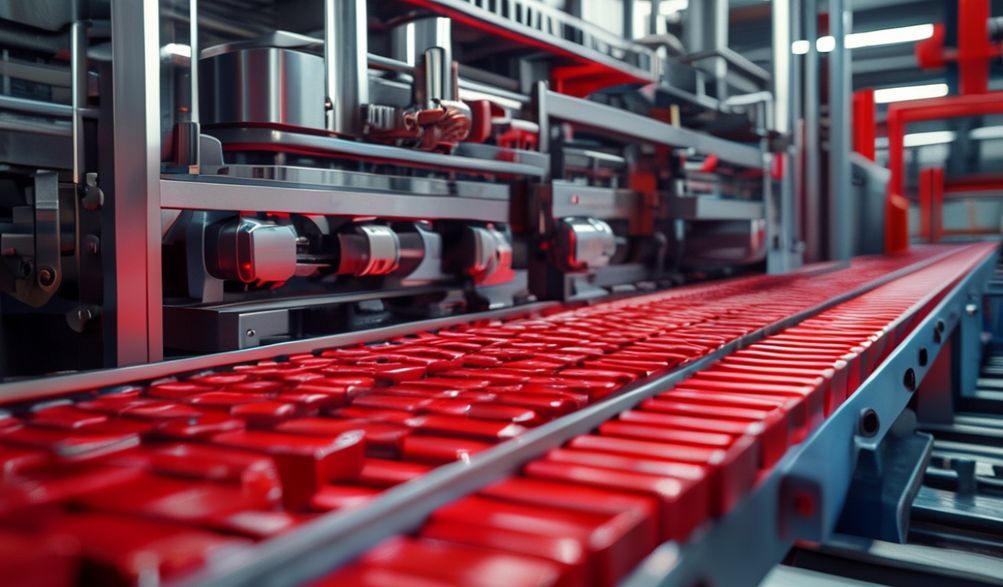
Giá Máy Sản Xuất Gạch: Hướng Dẫn Mua Hàng Toàn Diện Năm 2026
Việc tìm ra chi phí thực sự của một máy sản xuất gạch đôi khi giống như mò kim đáy bể. Các báo giá trái ngược, phí ẩn và khả năng vận hành khác nhau khiến việc lập ngân sách trở thành thách thức lớn cho các doanh nhân và chủ doanh nghiệp. Nếu bạn từng thắc mắc tại sao một chiếc máy có giá 5.000 USD trong khi chiếc khác lên tới 150.000 USD, bạn không hề đơn độc.
Hướng dẫn này được xây dựng dựa trên phân tích ngành, dữ liệu từ nhà sản xuất và những hiểu biết thực tế trong vận hành để loại bỏ thông tin nhiễu loạn. Mục tiêu của chúng tôi là cung cấp một nguồn tham khảo chuyên gia minh bạch, giúp bạn đưa ra quyết định tài chính tự tin. Chúng tôi không chỉ liệt kê các mức giá; chúng tôi sẽ phân tích kỹ lưỡngTại saomáy móc có giá như vậy, cách chọn một chiếc máy phù hợp với ngân sách cụ thể và nhu cầu sản lượng của bạn, và—quan trọng nhất—làm thế nào để hiểu tổng chi phí sở hữu.
Dù bạn là một doanh nhân quy mô nhỏ, một công ty xây dựng muốn tích hợp ngược, hay một nhà sản xuất lâu năm lên kế hoạch nâng cấp, bản hướng dẫn mua sắm năm 2026 này chính là lộ trình dành cho bạn.
Hiểu Rõ Các Yếu Tố Quyết Định Giá Máy Sản Xuất Gạch
Giá niêm yết của một máy sản xuất gạch không phải là ngẫu nhiên. Nó phản ánh trực tiếp chất lượng kỹ thuật, khả năng vận hành và các thành phần cấu tạo. Hiểu rõ những yếu tố này là bước đầu tiên để đưa ra quyết định mua hàng sáng suốt và tránh những sai lầm tốn kém.
Loại Máy & Mức Độ Tự Động Hóa
Mức độ tự động hóa là yếu tố quyết định giá cả lớn nhất. Nó chi phối nhu cầu lao động, tốc độ sản xuất và tính nhất quán.
- Máy Móc Thủ Công:Hoạt động hoàn toàn bằng tay. Công nhân đổ khuôn, nén vật liệu và lấy gạch thành phẩm. Đây là loại rẻ nhất nhưng sản lượng rất thấp và chi phí nhân công cao.
- Máy Bán Tự Động:Cơ giới hóa quy trình nén lõi (thường thông qua rung và áp lực thủy lực) nhưng vẫn yêu cầu cấp liệu thô thủ công và tháo gạch. Chúng mang lại sự cân bằng tuyệt vời giữa giá cả phải chăng và sản lượng tăng cao.
- Máy Móc Tự Động Hoàn Toàn:Các dây chuyền sản xuất hoàn chỉnh, được điều khiển bằng máy tính. Chúng tự động trộn, cấp liệu, đầm nén, xử lý nhiệt và xếp gạch với sự can thiệp tối thiểu của con người. Giá thành cao hơn, nhưng tiết kiệm nhân công, độ đồng đều sản phẩm và sản lượng cũng cao hơn.
Quy Tắc Ngón Tay Cái:Giá tăng theo cấp số nhân với mức độ tự động hóa, nhưng chi phí sản xuất mỗi viên gạch thường giảm.
Năng lực sản xuất (Sản lượng mỗi Giờ/Ngày)
Bạn trả tiền cho sản lượng tiềm năng. Công suất của một máy thường được đo bằng số gạch mỗi giờ (BPH) hoặc số khối mỗi ca.
- Quy mô nhỏ (500-2.000 viên gạch/ngày):Lý tưởng cho các startup hoặc dự án địa phương. Máy móc trong phân khúc này thường là loại thủ công hoặc bán tự động.
- Medium-scale (3,000-10,000 bricks/day): The sweet spot for growing SMEs. Usually semi-automatic or smaller fully automatic stationary machines.
- Large-scale (10,000-50,000+ bricks/day): Requires a fully automatic plant with conveyor systems and sophisticated controls. The investment is substantial, designed for high-volume commercial production.
Điểm mấu chốt: Doubling the capacity often more than doubles the price due to the need for heavier-duty components and more complex systems.
Brick Type & Mold Complexity
Not all bricks are created equal, and neither are the machines that make them.
- Gạch đặc so với Gạch rỗng: Hollow block machines require more precise mold design to create cavities, often making them slightly more expensive than solid brick machines.
- Interlocking & Paving Blocks: These specialty bricks require high-pressure compaction and intricate mold designs, commanding a premium price.
- Custom Molds & Multi-Functionality: A machine that can produce multiple brick types by switching molds is more versatile but also more costly. Custom mold designs add to the initial investment.
Các Thành Phần Chính & Chất Lượng Chế Tạo
What’s under the hood matters immensely for long-term performance and price.
- Hệ thống thủy lực: The heart of the machine. High-quality, branded pumps and valves ensure consistent pressure, durability, and fewer leaks. Cheaper systems save upfront cost but risk frequent breakdowns.
- Động cơ rung: Critical for compacting the concrete mix. The number, power (in kW), and quality of these motors affect brick density and strength.
- Hệ Thống Điều Khiển: A simple relay system is cheaper. A Programmable Logic Controller (PLC) with a touchscreen interface is more expensive but offers precision, programmability, and easier troubleshooting.
- Khung & Cấu trúc The grade and thickness of the steel used in the frame determine its ability to withstand constant vibration and pressure over years of use.
Thương hiệu & Quốc gia xuất xứ
Brand reputation and manufacturing origin create a wide price spectrum.
- Established European/North American Brands: Often represent the premium tier. You pay for advanced R&D, stringent quality control, extensive warranties, and a global service network. Prices are highest.
- Competitive Asian Manufacturers (Indian, Chinese, Turkish): Dominate the market in terms of value. They offer a vast range of machines at competitive prices. The key differentiator here is not the country, but the specific manufacturer’s commitment to quality and service. Diligence is paramount.
The Trade-off: The initial cost savings with a value-brand machine can be significant, but it must be weighed against the potential long-term value of a brand known for reliability and support.
2026 Price Ranges for Brick Manufacturing Machines
The following price ranges are estimates based on current market trends projected into 2026. They are for the machine itself (FOB price) and can vary based on configuration, brand, and negotiation.
Máy Thủ Công & Bán Tự Động
- Khoảng giá:1.000 đến 25.000 đô la
- Lý Tưởng Cho: Startups, community projects, low-volume seasonal production, and regions with readily available low-cost labor.
- What You Get: A machine focused on the core compaction process. Semi-automatic models will include a basic hydraulic system and vibration table. Output is heavily dependent on operator speed and number of workers.
| Machine Type | Estimated Price Range (2026) | Typical Daily Output |
| :— | :— | :— |
| Manual Press | $1,000 – $4,000 | 500 – 1,500 Bricks |
| Semi-Auto (Egg Layer) | $8,000 – $15,000 | 2,000 – 4,000 Bricks |
| Semi-Auto (Stationary) | $12,000 – $25,000 | 3,000 – 6,000 Bricks |
Máy Đứng Tự Động Hoàn Toàn
- Khoảng giá: $30,000 – $100,000+
- Lý Tưởng Cho: Small to medium-sized businesses (SMEs) with steady market demand, looking for consistent quality and reduced labor dependency.
- What You Get: A complete station that automates feeding, compaction, and ejection. Often includes a basic conveyor and pallet system. Controlled via PLC. Offers the best balance of automation and affordability for serious commercial production.
Fully Automatic Mobile Block Machines
- Khoảng giá: $60,000 – $150,000+
- Lý Tưởng Cho: Large infrastructure projects (dams, roads, large housing developments) where producing bricks directly on-site saves massive transportation costs.
- What You Get: A self-contained factory on a trailer. It moves to the raw materials (aggregate pile) and produces bricks where they are needed. The premium price is for mobility and high-volume on-site output.
Complete Plant Setup Costs
This is the most critical section for accurate budgeting. The machine is often only 40-60% of the total initial investment.
A functional plant requires supporting infrastructure:
- 1. The Machine: (Costs as outlined above).
- 2. Raw Material Handling System: ($5,000 – $50,000). Includes feeders, conveyors, weigh hoppers, and a pan or twin-shaft mixer. Scale increases with output.
- 3. Curing System: ($3,000 – $20,000). Brick racks, pallets, and possibly a curing chamber or steam curing system for faster strength gain.
- 4. Land, Shed & Foundation: A significant variable cost depending on location. The machine needs a solid, level concrete foundation and a covered space for operation and curing.
- 5. Power Setup: High-capacity automatic machines may require a three-phase power connection or the purchase of a diesel generator.
- 6. Initial Raw Material Stock: Budget for your first loads of cement, aggregate, and pigment.
A realistic budget for a small, semi-automatic plant starts at approximately $40,000 – $70,000 when all factors are included.
Beyond the Sticker Price: Calculating Total Cost of Ownership (TCO)
Smart buyers look past the initial quote. The Total Cost of Ownership (TCO) reveals the true financial impact over the machine’s lifespan.
Initial Investment Breakdown
- Machine Price: The FOB (Free on Board) price from the factory.
- Vận chuyển & Hậu cần: Cost for sea/air freight and inland transportation to your site. Can be 5-15% of the machine cost.
- Customs Duty & Taxes: Varies drastically by country. Must be researched locally.
- Lắp đặt & Vận hành: Some suppliers include this, others charge extra for an engineer to travel, install, and train your team.
Operational Costs Per Month
These are your recurring costs to produce each brick:
- Nguyên liệu thô: The largest ongoing cost. Calculate based on your brick’s mix design (cement, sand, aggregate, water).
- Tiêu thụ điện năng: Fully automatic plants are power-hungry. Estimate based on the total connected load (in kW) of motors, hydraulics, and mixers.
- Lao động Even automatic plants need supervisors, maintenance personnel, and material handlers.
- Consumables: Hydraulic oil, grease, and wear parts on molds.
Maintenance & Long-Term Costs
- Preventive Maintenance: Regular servicing (oil changes, filter replacements, bolt tightening) prevents major failures. Budget for spare parts and labor.
- Sẵn có Phụ tùng Thay thế: Can your supplier ship critical parts (like a hydraulic pump) within days? Downtime is lost revenue.
- Cost of Downtown: The hidden killer. A machine that breaks often or waits weeks for parts can erase any upfront savings from a cheaper purchase.
How to Get the Best Value for Your Investment
Value isn’t about the lowest price; it’s about the optimal return on your investment over time.
Define Your Needs Clearly
Answer these questions before you contact a single supplier:
- What is my required daily/monthly output?
- What type(s) of bricks does my market demand?
- What is my available space and power supply (Single-phase/Three-phase)?
- What is my available workforce skill level?
- What is my total investment budget (including setup)?
Research and Compare Suppliers Thoroughly
Use this checklist:
- Company History: How long have they been manufacturing?
- Client Portfolio & References: Can they provide contacts for past clients in your region?
- Kiểm tra Nhà máy: Can you or a local agent visit the factory to see production quality?
- Quotation Scrutiny: Demand a detailed, itemized quotation that clearly separates machine price, optional accessories, shipping terms (FOB, CIF, etc.), and warranty.
The Critical Role of After-Sales Service
This is where the real cost of a machine is often determined.
- Bảo hành: What is covered (parts, labor)? For how long (typically 1-2 years)?
- Hỗ trợ Kỹ thuật: Is there 24/7 phone/online support? Do they provide clear English manuals and wiring diagrams?
- Mạng Lưới Dịch Vụ Do they have trained technicians or partners in your country? If not, how are service visits handled?
- Đào tạo: Do they provide comprehensive training for your operators and maintenance staff?
A reliable supplier with excellent after-sales service is always a better value than a slightly cheaper supplier with no support.
Consider Financing & ROI
- Financing: Explore business loans, equipment leasing, or supplier-backed financing plans.
- Calculate ROI: A simple framework:
- Total Annual Cost: (Loan Payment + Operational Costs + Maintenance).
- Total Annual Revenue: (Bricks Produced per Year * Selling Price per Brick).
- Annual Profit: Revenue – Cost.
- ROI Timeframe: Total Initial Investment / Annual Profit = Years to payback.
This calculation will clearly show if your project is viable.
Các Câu Hỏi Thường Gặp (FAQ)
Q1: What is the cheapest brick making machine available?
A: Small, manual press machines can be found for under $2,000. However, they have very low output (a few hundred bricks per day) and are extremely labor-intensive. They are only suitable for tiny, personal projects.
Q2: How much does it cost to start a small brick manufacturing business?
A: For a serious micro-business, you should budget a minimum of $25,000 to $40,000. This would cover a basic semi-automatic machine, a simple mixer, a shed, foundation work, and initial raw material stock. A more comfortable starting point is in the $50,000 – $80,000 range.
Q3: Are Chinese brick machines reliable?
A: Chinese manufacturers produce the full spectrum, from low-quality to world-class equipment. The key is extreme diligence. Focus on established factories with a proven export history, insist on seeing production videos, check references in your region, and never compromise on verifying the after-sales service agreement. A factory visit is highly recommended for large orders.
Q4: Can I get a brick machine under $5,000?
A: Yes, but with major limitations. In this price range, you are looking at small manual or very basic semi-automatic machines with limited output (under 1,500 bricks per day). They are not suitable for a commercial business aiming for profitability.
Q5: Does the price include installation and training?
A: This varies greatly. Many quotes are FOB (Free on Board), meaning the price is for the machine loaded at their factory port. Installation, training, shipping, and insurance are typically extra. Always confirm the Incoterm and ask for a line-item breakdown of what is and isn’t included before you buy.
Conclusion
Navigating the brick manufacturing machine market requires a focus on value, not just price. As we’ve explored, the final cost is a direct function of machine type, production capacity, automation level, component quality, and brand reputation.
Your key takeaway should be this: Focus relentlessly on Total Cost of Ownership and Supplier Reliability. The right machine, backed by strong support, is a profit-generating asset for years to come. The wrong machine, even at a tempting low price, can become a source of constant expense and frustration.
Use this guide as your checklist when speaking with suppliers. Ask the detailed questions, demand clear quotes, and prioritize long-term partnership over short-term savings. Here’s to making an informed investment that builds the foundation for your business’s success.
<