
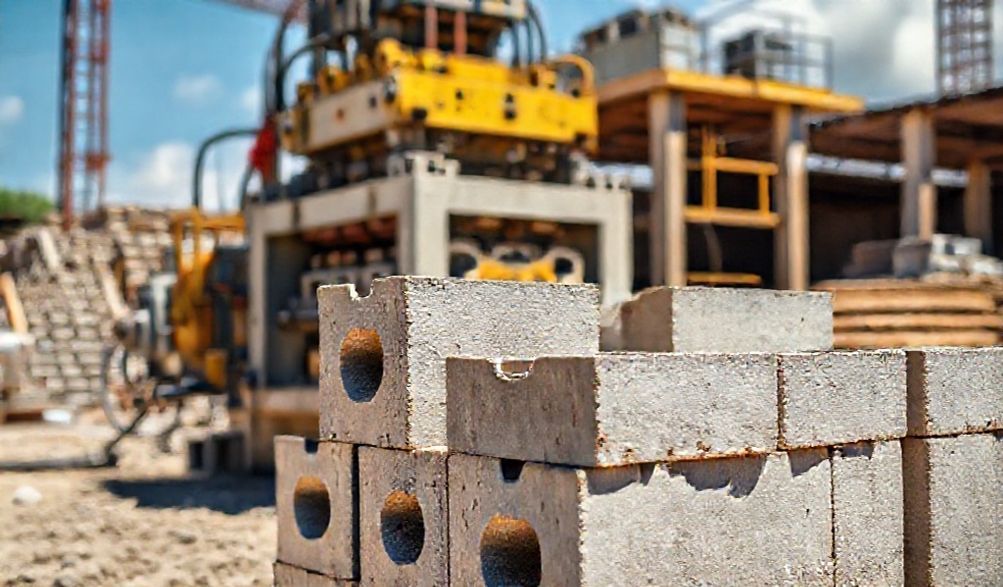
Giá Máy Sản Xuất Gạch Rỗng tại Philippines (Hướng Dẫn 2024): Chi Phí, Các Loại & Mẹo Mua Hàng
Giới thiệu
Bạn là một nhà thầu đang hoàn thiện ngân sách cho một khu phân lô mới. Hoặc có lẽ bạn là một doanh nhân ở Cebu hay Davao, nhìn thấy cơ hội trong thị trường xây dựng địa phương đang bùng nổ. Nghiên cứu của bạn dẫn bạn đến một thiết bị then chốt: máy sản xuất gạch block rỗng. Nhưng một tìm kiếm nhanh trên mạng khiến bạn bối rối hơn là tự tin. Giá cả dường như dao động từ vài nghìn peso đến vài triệu. Làm thế nào bạn có thể định hướng được điều này, thực hiện một khoản đầu tư thông minh và tránh một sai lầm tốn kém làm đình trệ dự án hoặc công việc kinh doanh của mình?
Bạn đã tìm đúng hướng dẫn rồi đấy. Thách thức trong việc tìm kiếm một chiếc máy đáng tin cậy với mức giá hợp lý trên thị trường Philippines là có thật. Giá cả dao động mạnh tùy theo loại, công suất và nguồn gốc, và lựa chọn rẻ nhất thường có thể trở thành đắt đỏ nhất về lâu dài do thời gian ngừng hoạt động và chi phí sửa chữa.
Hướng dẫn toàn diện năm 2024 này được thiết kế để loại bỏ mọi thông tin nhiễu loạn. Chúng tôi sẽ cung cấp cho bạn thông tin rõ ràng, dựa trên chuyên gia về các mức giá hiện tại, giải thích các loại máy móc khác nhau và ứng dụng của chúng, đồng thời phân tích các yếu tố chính ảnh hưởng đến chi phí. Quan trọng hơn, chúng tôi sẽ vượt ra ngoài mức giá niêm yết để thảo luận về tổng chi phí sở hữu và đưa ra những mẹo mua hàng thực tế, phù hợp với bối cảnh tại Philippines.
Những thông tin chi tiết ở đây được tổng hợp từ dữ liệu ngành, tham vấn với các nhà cung cấp và nhà sản xuất địa phương, cùng hiểu biết thực tế về bức tranh xây dựng trên khắp Luzon, Visayas và Mindanao. Mục tiêu của chúng tôi là trang bị cho bạn kiến thức để đưa ra quyết định sáng suốt, cân bằng hoàn hảo giữa ngân sách, kỳ vọng về chất lượng và nhu cầu sản xuất.
Hiểu về Máy Sản Xuất Gạch Rỗng: Các Loại và Ứng Dụng
Trước khi bàn về con số, điều quan trọng là phải hiểu bạn đang mua gì. Loại máy phù hợp với dự án của hàng xóm có thể hoàn toàn không thích hợp với bạn. Hãy cùng phân tích các loại máy phổ biến có sẵn trên thị trường Philippines.
Máy Sản Xuất Gạch Block Rỗng Thủ Công
- Mô tả:Đây là loại cơ bản nhất, hoạt động hoàn toàn bằng sức người thông qua một cần gạt tay để nén hỗn hợp bê tông vào khuôn. Chúng không cần điện hay động cơ, khiến chúng trở thành thiết bị thuần cơ khí.
- Lý Tưởng Cho:Các dự án quy mô cực nhỏ (như xây một ngôi nhà đơn lẻ), các hộ kinh doanh nhỏ lẻ ở khu vực có nguồn điện không ổn định, hoặc các barangay (thôn/xã) vùng sâu vùng xa. Chúng cũng là cách ít rủi ro để thử nghiệm sản xuất khối bê tông.
- Công suất đầu ra điển hình:Sản xuất chậm và tốn nhiều lao động. Sản lượng có thể dao động từ80 đến 200 khối mỗi ngày 8 giờphụ thuộc nhiều vào sức chịu đựng của người vận hành.
Máy Đúc Gạch Block Rỗng Bán Tự Động
- Mô tả:Đây là phân khúc phổ biến nhất đối với các doanh nghiệp vừa và nhỏ. Các máy này sử dụng động cơ điện để vận hành bộ rung nhằm đầm bê tông và một hệ thống thủy lực hoặc cơ khí để nén. Điểm khác biệt chính của loại "bán tự động" là việc cấp liệu hỗn hợp nguyên liệu vào khuôn và lấy các khối thành phẩm ra được thực hiện thủ công.
- Lý Tưởng Cho:Bắt đầu một doanh nghiệp chuyên sản xuất gạch block (BMB), cung cấp gạch cho các dự án xây dựng địa phương, hoặc cho các công ty xây dựng cần nguồn cung ổn định và được kiểm soát. Chúng mang lại sự cân bằng tuyệt vời giữa giá cả phải chăng và năng suất được cải thiện.
- Công suất đầu ra điển hình:Thay đổi đáng kể tùy theo mô hình. Một máy đơn khối có thể sản xuất200-400 khối mỗi giờtrong khi một máy bán tự động nhiều khối (ví dụ: 3-6 khối mỗi chu kỳ) có thể sản xuất800-1.500 khối mỗi ca 8 giờ.
Máy Làm Gạch Block Rỗng Tự Động Hoàn Toàn
- Mô tả:Đây là những trung tâm sản xuất hàng đầu trong việc sản xuất khối bê tông. Thường được điều khiển bởi Bộ điều khiển Logic Khả trình (PLC), chúng tự động hóa toàn bộ quy trình: định lượng, trộn, vận chuyển bê tông vào khuôn, ép, bảo dưỡng, và thậm chí xếp các khối thành phẩm lên pallet. Chúng thường tạo thành một dây chuyền sản xuất hoàn chỉnh.
- Lý Tưởng Cho:Các nhà sản xuất khối thương mại quy mô lớn (như các nhà máy đã thành lập ở Bulacan hoặc Cavite), các dự án cơ sở hạ tầng lớn, hoặc các nhà phát triển cần sản lượng khổng lồ và ổn định. Đầu tư cao, nhưng chi phí lao động tối thiểu và sản lượng được tối đa hóa.
- Công suất đầu ra điển hình:Sản lượng được đo bằng khối mỗi giờ. Một dây chuyền tự động hoàn toàn tiêu chuẩn có thể dễ dàng sản xuất2,000 to 10,000+ blocks per 8-hour shift, depending on its configuration and block size.
Mobile Hollow Block Machines
- Mô tả: These are typically semi-automatic or fully automatic machines mounted on a robust trailer chassis, allowing the entire setup to be towed directly to a construction site.
- Lý Tưởng Cho: Large building sites, road projects, or government housing projects where transporting thousands of finished blocks from a remote plant is logistically challenging and expensive. Production happens on-site, drastically cutting transport costs and block damage.
- Công suất đầu ra điển hình: Similar to their stationary semi or fully automatic counterparts, but designed for rugged, temporary site conditions.
Hollow Block Machine Price Ranges in the Philippines (2024)
Now, let’s address the core question. The following price ranges are estimates for 2024, based on market research. Remember, these are ranges—the final price depends on the specific factors we’ll discuss next.
Price Breakdown by Machine Type
-
Máy Đúc Gạch Block Rỗng Thủ Công This is your entry-level price point.
- Price Range: ₱15,000 – ₱70,000.
- The lower end gets you a basic, single-block mold machine. Prices climb for machines with multiple mold configurations (allowing different block sizes) or those made with more durable steel frames.
-
Máy Sản Xuất Gạch Block Rỗng Bán Tự Động: This is where the market is most active and varied.
- Price Range: ₱80,000 – ₱800,000.
- A basic, single-block vibrator machine might start around ₱80,000. The price increases substantially for models with hydraulic compression and multi-block molds (producing 3, 4, 6, or even 10 blocks per cycle). Brand, motor power (HP), and build quality are major differentiators here.
-
Máy Làm Gạch Block Rỗng Tự Động Hoàn Toàn: This is a major capital investment.
- Price Range: ₱1,000,000 – ₱5,000,000+.
- A basic automatic stationary machine might start around ₱1 million. For a complete, high-output production line with automatic mixer, conveyor, and stacker, prices can easily reach ₱3-5 million or more. Imported European brands command a premium at the very top end.
-
Mobile Hollow Block Machines:
- Price Range: ₱500,000 – ₱2,500,000+.
- You are essentially paying for a semi or fully automatic machine plus the mobility package (heavy-duty trailer, axle, sometimes a generator). Prices align with the automation level of the core machine.
Key Factors That Influence the Price
Why is there such a wide range? Here are the main drivers:
- Năng lực sản xuất: This is the #1 factor. A machine that makes 500 blocks per hour will cost less than one that makes 2,000 blocks per hour. Be realistic about your needs.
- Mức độ Tự động hóa: Each step of automation (from manual lever to hydraulic press to PLC control) adds cost but also reduces long-term labor costs and increases consistency.
- Brand & Country of Origin:
- Local Philippine Brands: Often offer competitive pricing and the huge advantage of readily available spare parts and technical support within the country.
- Imported Brands (e.g., China): Can offer very attractive upfront prices. However, it’s critical to choose a supplier with a strong local warehouse and service team. The cheapest import with no local support is a high-risk purchase.
- Imported Brands (e.g., Germany, Italy): Represent the premium tier with exceptional engineering and durability, reflected in a significantly higher price.
- Machine Build Quality: The grade of steel, the quality of the hydraulic pumps and valves, the power of the vibrator motors, and the precision of the welding all affect both price and longevity. A thicker, reinforced frame costs more but will withstand years of tough use.
- After-Sales Service & Warranty: Never underestimate this. A machine priced 10% lower but with no reliable service network can become a worthless pile of metal if a key component fails. A reputable supplier offering a 1-year warranty on parts and labor, with technicians a phone call away, provides immense value and peace of mind.
Beyond the Sticker Price: Total Cost of Ownership
A savvy buyer looks beyond the initial quote. The true cost of owning a hollow block machine includes several ongoing expenses.
Initial Investment Breakdown
- Machine Cost: The base price from the supplier.
- Delivery and Installation: Freight costs from the supplier’s warehouse to your site, especially important for large machines or those shipped from overseas. Some suppliers include basic installation and setup.
- Initial Spare Parts and Tools: It’s wise to purchase an initial set of common wear parts (like extra mold liners, gaskets, or vibration mounts) and necessary tools.
Operational Costs
- Electricity Consumption: Semi and fully automatic machines are power-hungry. A 10-15 HP motor running 8 hours a day will significantly impact your monthly electricity bill. Factor this into your production cost per block.
- Nguyên liệu thô: This is your largest recurring cost—cement, sand, and gravel. Their price and quality consistency directly affect your block quality and profit margin.
- Chi phí lao động: A manual machine requires strong, dedicated labor. A semi-automatic machine needs 2-3 operators. A fully automatic line may only need 1-2 people to monitor the process. Calculate wages into your overhead.
- Maintenance and Repair Costs: Regular lubrication, cleaning, and part replacement (like hydraulic seals or vibrator bearings) are essential. Budget for periodic maintenance and unexpected repairs.
The Importance of After-Sales Support
In the Philippine setting, this cannot be overstated.
- Hỗ trợ Kỹ thuật Địa phương: Is there a hotline? How quickly can a technician arrive if your machine breaks down? Downtime is lost production and lost income.
- Sẵn có Phụ tùng Thay thế: Does the supplier stock common parts in a local warehouse, or do they need to be ordered from abroad with a 2-month lead time?
- Warranty Coverage: Read the fine print. What is covered (parts? labor?) and for how long? A clear warranty is a sign of a confident supplier.
- Đào tạo: Does the supplier provide hands-on training for your operators on proper use, daily maintenance, and basic troubleshooting? This is invaluable for preventing costly mistakes and extending machine life.
How to Choose the Right Machine for Your Needs & Budget
Armed with knowledge on types and costs, follow this actionable framework to make your decision.
Assess Your Production Requirements
Hãy tự hỏi bản thân những câu hỏi này:
* What is my average daily or weekly block requirement? (Be realistic about current needs and near-future growth).
* What standard block sizes (4”, 5”, 6”, CHB) does my market demand?
* Will I be producing on a fixed site or moving between multiple locations?
* What is the reliable power supply at my location?
Your answers will point you clearly to a machine type and capacity range.
Evaluate Your Budget Realistically
- Separate Capital: Distinguish your initial capital (for the machine, delivery, site preparation) from your working capital (for raw materials, labor, utilities, and marketing).
- Explore Financing: Don’t assume you must pay cash. Many reputable equipment suppliers offer in-house installment plans. Banks also have SME loan programs for capital equipment purchases. A good financing plan can allow you to acquire a more productive machine sooner.
Research and Vet Suppliers Thoroughly
This step is your primary risk mitigation strategy.
* Physical Presence: Prefer suppliers with an actual office, showroom, or factory you can visit in the Philippines (e.g., in Metro Manila, Cebu, or Davao).
* Business Credentials: Check their SEC registration, business permits, and membership in industry associations.
* The Ultimate Test – Customer References: Any trustworthy supplier will gladly provide contact details of previous customers. Call them. Ask about machine performance, reliability, and most importantly, the quality of after-sales support. Check Google and Facebook for genuine reviews.
Request a Demo and Detailed Quotation
- See It Run: If possible, visit the supplier or a customer’s site to see the exact model running. Observe the build quality, noise level, and ease of operation.
- Get a Detailed Quote: Your quotation should be itemized and include: Machine Model & Specifications, FOB Price, Delivery Charges, Any Taxes (VAT), Warranty Terms, and Training Offered. This prevents hidden costs from appearing later.
Các Câu Hỏi Thường Gặp (FAQ)
Q: What is the cheapest type of hollow block machine available?
A: Manual machines have the lowest upfront cost, starting around ₱15,000. However, factor in high labor costs and very low output. For any sustained production, a semi-automatic machine often offers a better long-term value.
Q: Are imported machines from China better than local Philippine brands?
A: It’s not a simple “yes” or “no.” Many quality machines are manufactured in China. The critical factor is the nhà cung cấp, not just the origin. Choose an importer with a proven track record, local technical staff, and a spare parts inventory in the Philippines. A reliable local brand often provides faster service and support.
Q: Can I get a loan or financing for a hollow block machine?
A: Yes. Many equipment dealers offer installment plans directly. Additionally, banks like Landbank, DBP, and private banks have business loan programs for purchasing machinery. Prepare a simple business plan to support your application.
Q: How much profit can I make from a hollow block business?
A: Profitability varies widely based on location, efficiency, material costs, and selling price. As a rough example, a small semi-automatic operation can have a gross margin of 20-30% per block after accounting for materials, labor, and overhead. Market demand in your area is the key driver.
Q: What maintenance does a hollow block machine require?
A: Daily: Clean excess concrete from the mold and platform. Weekly: Lubricate all moving parts (pivots, bearings). Monthly: Check hydraulic oil levels and cleanliness; inspect vibrator mounts and electrical connections. Follow the specific schedule in your machine’s manual.
Conclusion
Finding the right hollow block machine price in the Philippines isn’t about hunting for the absolute lowest number. It’s about finding the right value—a machine whose cost aligns with its long-term reliability, output capacity, and the quality of support behind it.
Your journey should be guided by a clear understanding of your own production needs, a realistic budget that includes operational costs, and, above all, thorough due diligence on your supplier. The trustworthiness and service capability of the company you buy from are often more important than the brand stamped on the machine.
Arm yourself with the knowledge from this guide, take the time to visit trusted suppliers, inspect their machines, and speak to their past customers. By doing so, you won’t just be buying a piece of equipment; you’ll be making a strategic investment that builds the literal foundation for your construction project or business success.
<