Làm sáng tỏ cơ chế vận hành của máy móc sản xuất gạch
Trình Tự Hoạt Động Nền Tảng: Phân Tích Theo Từng Giai Đoạn
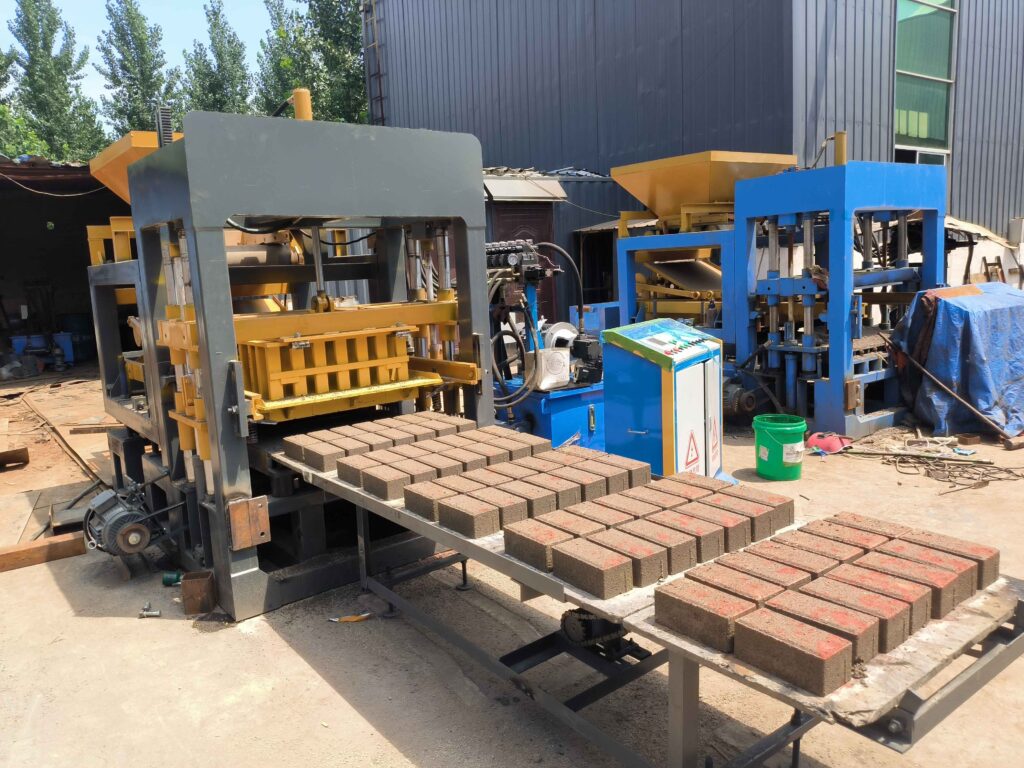
Mỗi máy làm gạch, bất kể công nghệ cụ thể nào, đều tuân theo một chu trình tuần hoàn để biến nguyên liệu thô rời rạc thành một đơn vị định hình. Chu trình này có thể được phân tích có hệ thống thành bốn giai đoạn phổ quát.
- Giai đoạn 1: Cấp liệu và Định lượng
- Giai đoạn ban đầu này tập trung vào độ chính xác và tính đồng nhất. Một hỗn hợp đã trộn sẵn bao gồm cốt liệu (ví dụ: cát, sỏi, đá nghiền), chất kết dính (xi măng, vôi) và các phụ gia tiềm năng (tro bay, chất tạo màu) được đưa vào hộp tiếp liệu hoặc phễu của máy. Mục tiêu quan trọng ở đây làĐo lường theo thể tích hoặc trọng lượngCác hệ thống tiên tiến sử dụng ngăn cấp liệu, băng tải có cổng điều khiển, hoặc thậm chí hệ thống dẫn đường bằng laser để đảm bảo lượng vật liệu chính xác cần thiết cho một viên gạch được đưa vào khuôn. Khối lượng cấp liệu không chính xác sẽ dẫn đến sản phẩm bị thiếu liệu (yếu) hoặc dư liệu (đặc nhưng có khả năng gây hại cho máy). Tính nhất quán ở giai đoạn này là điều kiện tiên quyết tuyệt đối cho mọi chất lượng về sau.
- Giai đoạn 2: Nén và Tạo hình
- Đây là trung tâm của quá trình vận hành, nơi công nghệ lõi của máy phát huy tác dụng. Vật liệu rời trong khuôn chịu áp lực cực lớn để đạt được độ đặc chắc và định hình.
- Trong một Máy Ép Thủy Lực:Một máy bơm thủy lực được dẫn động bởi động cơ điện sẽ nén dầu, sau đó dầu được dẫn đến xi lanh thủy lực. Piston trong xi lanh này sẽ mở rộng, đẩy đầu ép (hay còn gọi là pít-tông) vào khuôn. Áp suất được tăng dần, thường qua nhiều giai đoạn, để nén vật liệu đồng đều, loại bỏ các khoảng trống khí và kích hoạt các chất kết dính. Hệ thống có thể duy trì áp suất đỉnh trong một khoảng thời gian định trước để đảm bảo quá trình liên kết triệt để.
- Trong Máy Nén Rung:Các hành động diễn ra đồng thời. Các bộ rung tần số cao, thường được gắn trên bàn khuôn hoặc đầu đầm, cung cấp năng lượng cho các hạt. Sự rung này làm giảm ma sát bên trong, cho phép vật liệu chảy và lắng đặc chặt. Đồng thời, một đầu ép thủy lực hoặc cơ khí hạ xuống để tạo áp lực từ phía trên, định hình viên gạch và tiếp tục củng cố khối đã được rung.
- Khuôn mẫu, một khoang thép được thiết kế chính xác, xác định hình dạng của viên gạch, dù là đặc, rỗng, khóa liên động hay đá lát. Độ hoàn thiện bề mặt và độ chính xác kích thước của sản phẩm cuối cùng là kết quả trực tiếp từ chất lượng khuôn và hiệu quả của lực nén.
- Đây là trung tâm của quá trình vận hành, nơi công nghệ lõi của máy phát huy tác dụng. Vật liệu rời trong khuôn chịu áp lực cực lớn để đạt được độ đặc chắc và định hình.
- Giai đoạn 3: Đẩy ra và Chuyển Pallet
- Sau khi quá trình nén hoàn tất, viên gạch đã định hình nhưng vẫn còn tươi (chưa được xử lý nhiệt) phải được lấy ra mà không bị hư hại. Hộp khuôn mở ra hoặc nâng lên, và một tấm đẩy hoặc các chốt đẩy nhẹ nhàng đẩy viên gạch lên và ra khỏi lòng khuôn. Trong các dây chuyền tự động, thao tác đẩy này đặt viên gạch trực tiếp lên một pallet chờ sẵn—một tấm ván phẳng bằng thép hoặc gỗ có thể tái sử dụng. Một cơ chế chuyển tiếp sau đó di chuyển pallet, lúc này đang mang viên gạch mới tạo hình, ra khỏi khu vực máy ép và đặt lên một băng chuyền xích hoặc hệ thống xếp chồng. Giai đoạn này đòi hỏi sự đồng bộ hóa chính xác để đảm bảo việc chuyển giao diễn ra trơn tru và tránh các va chạm mạnh có thể làm biến dạng sản phẩm khi còn mềm.
- Giai đoạn 4: Đặt lại và Tiếp tục Chu kỳ
- Sau khi viên gạch được đẩy ra và pallet được chuyển đi, máy tự động thiết lập lại cho chu kỳ tiếp theo. Cơ cấu cấp liệu trở về vị trí ban đầu, khuôn đóng lại hoặc thiết lập về trạng thái cơ bản, đầu nén rút hoàn toàn vào. Bộ phận cấp pallet trống đưa một pallet mới vào trạm ép. Toàn bộ quy trình này, từ cấp liệu đến thiết lập lại, tạo thành một chu kỳ máy. Hiệu suất và tốc độ của giai đoạn thiết lập lại này là yếu tố quyết định chính đến sản lượng tổng thể của máy, tính bằng số gạch mỗi giờ.
Tìm Hiểu Sâu Về Các Hệ Thống Con Cốt Lõi và Chức Năng Của Chúng
Hiểu rõ máy móc như một tổ hợp tích hợp của các hệ thống con chuyên biệt tiết lộ kỹ thuật đằng sau hoạt động đáng tin cậy.
- Hệ Thống Lực và Truyền Động: Tạo Ra Sức Mạnh
- Đây là trung tâm năng lượng của máy. Thông thường, một động cơ điện mô-men xoắn cao cung cấp nguồn quay chính. Trong hệ thống thủy lực, động cơ này dẫn động một bơm thủy lực (loại bánh răng, cánh gạt hoặc piston), chuyển đổi năng lượng cơ học thành năng lượng thủy lực bằng cách nén dầu. Chất lỏng được nén này sau đó được kiểm soát và dẫn hướng qua các van đến các cơ cấu chấp hành (xi-lanh). Trong các hệ thống cơ khí hơn, động cơ có thể dẫn động một bánh đà, bánh răng hoặc cam để tạo ra lực tuyến tính cần thiết. Độ bền và cấu hình của hệ thống này quyết định khả năng tạo áp lực và mức tiêu thụ năng lượng của máy.
- Hệ Thống Điều Khiển: Hệ Thần Kinh Điện Tử
- Modern machines are governed by a Programmable Logic Controller (PLC). This industrial computer receives inputs from sensors throughout the machine—detecting pallet position, mold status, hydraulic pressure, and feed levels. Based on a pre-programmed logic, the PLC sends output commands to solenoid valves, motor starters, and indicators. The operator interacts via a Human-Machine Interface (HMI) touchscreen, where cycle parameters like pressure setpoints, vibration duration, and cycle speed are input and monitored. This system ensures repeatability, safety, and allows for fine-tuning the process for different material recipes.
- The Mold and Tooling System: Defining the Product
- Often considered the most critical wear part, the mold system is the literal shape-giver. It consists of a hardened steel mold box, a compaction head (upper mold), and sometimes a die shoe (lower mold). The tolerances between these components are microscopic to prevent material leakage (flashing) and ensure smooth brick release. For hollow blocks, core rods are integrated into the mold to create the cavities. The surface finish, hardness, and maintenance schedule of the mold directly impact product quality, production consistency, and long-term operational costs.
- The Material Handling and Integration Framework
- While not always part of a standalone press, the surrounding framework is essential for continuous operation. This includes feed hoppers with agitators to prevent material bridging, belt or screw conveyors for transferring mix, and pallet circulation systems. Sophisticated lines feature elevators and stacker/descenders that organize green bricks for curing and return empty pallets to the press input. The degree of automation in this framework drastically reduces labor dependency and enhances throughput.
Operational Variations Based on Product and Material Type
The machine’s operational parameters must be adjusted based on the desired final product and the raw materials used.
- Producing Solid vs. Hollow Blocks
- Manufacturing hollow blocks requires the mold to incorporate fixed or retractable core rods. The compaction force and vibration must be carefully calibrated to ensure material flows evenly around these cores to form uniform webs and shells. The ejection process for hollow blocks is more delicate to avoid cracking the thinner walls. Solid block production, while mechanically simpler, may require higher pressures to achieve the same density throughout a solid mass.
- Adapting to Different Raw Material Mixes
- A machine working with a dry-cast, zero-slump concrete mix will rely more on high-frequency vibration and substantial pressure to consolidate the semi-dry particles. In contrast, a machine processing a soil-cement mix with higher moisture content may use a slower, steady compression to avoid liquid separation (bleeding). The feed system must also adapt: sticky clay mixes require different hopper designs than free-flowing sandy mixes. Understanding these adaptations is key to preventing machine blockages and ensuring product integrity.
- The Critical Influence of Moisture Content
- Moisture acts as a lubricant and binder activator during compaction. An optimal moisture content (often between 5-10% for cement-stabilized mixes) is vital. Too little moisture leads to poor compaction, high porosity, and weak bricks. Too much moisture causes the brick to stick to the mold, deform during ejection, and shrink excessively during curing. The machine operator must constantly monitor and adjust the mix moisture, as it is a dynamic variable affected by ambient humidity and aggregate dampness.
Conclusion
The operation of a brick-making machine is a meticulously choreographed interplay of mechanical force, electronic control, and material science. For the distributor, this knowledge transcends technical trivia; it forms the foundation for value-added engagement with clients. By understanding the sequential stages from feed to ejection, the critical role of subsystems like hydraulics and PLCs, and the necessary adjustments for different products and materials, you can diagnose client needs with precision, recommend solutions that optimize their production line, and provide superior after-sales support. Ultimately, the ability to explain and demystify these workings positions you as a trusted technical partner, enabling your clients to invest with confidence and maximize the productivity of their machinery in the competitive construction materials market.
Frequently Asked Questions (FAQ)
Q1: What is the actual difference between “pressure” and “vibration” in the compaction process, and why do some machines use both?
A: Pressure applies a direct, concentrated force to reduce volume and push particles together. Rung động imparts kinetic energy, causing particles to momentarily separate and rearrange into a denser packing under gravity. Using both is highly effective: vibration allows for efficient initial particle rearrangement with less force, and the subsequent pressure then locks this dense arrangement into a solid, coherent structure. This combination often yields higher densities and better surface finishes with less energy consumption than pressure alone for certain mixes.
Q2: How does the machine ensure each brick has identical weight and dimensions?
A: Consistency is achieved through multiple integrated controls. First, the metering system (volumetric or weight-based) ensures an identical amount of raw material is fed into the mold each cycle. Second, the precise stroke control of the compaction head, governed by the PLC and hydraulic valves, ensures the same degree of compression every time. Finally, the rigid, high-tolerance mold tooling guarantees the brick is formed within the same geometric cavity. Any variance typically points to an issue in feeding, material mix inconsistency, or mold wear.
Q3: What are the most common points of failure or wear in a typical brick machine cycle, and what maintenance mitigates them?
A: Key wear points include:
- Mold Liners and Core Rods: Subject to constant abrasion; require regular inspection, cleaning, and eventual re-lining or replacement.
- Hydraulic Seals and Hoses: Degrade over time due to pressure cycles and heat; preventive replacement based on operating hours is crucial to avoid leaks.
- Vibrator Mounts and Bearings: In vibration machines, these components endure high-frequency stress and need regular tightening and lubrication.
- Feed System Components: Agitators and feeder shoes wear from contact with abrasive mix.
A proactive maintenance schedule focusing on lubrication, seal inspection, and bolt tightening is essential to minimize unplanned downtime.
Q4: Can a single machine produce many different brick types and sizes efficiently?
A: Yes, but with considerations. The machine must be designed for quick mold changeovers. This involves interchangeable mold boxes, compaction heads, and core rod sets. The efficiency depends on how rapidly and easily these heavy components can be swapped (often using jibs or forklifts) and how quickly the machine’s control parameters (pressure, feed volume) can be reprogrammed for the new product. While possible, frequent changeovers on non-optimized machines significantly impact overall productivity.
Q5: How critical is the pallet quality and handling system to the machine’s operation?
A: Extremely critical. Pallets form the moving foundation on which bricks are made and transported. Warped, bent, or damaged pallets will cause misalignment in the press, leading to brick height variations, ejection problems, and even machine damage. An automated pallet return system that includes cleaning and inspection stations is not a luxury but a necessity for sustained high-volume production. It ensures only pallets in specification are recirculated, protecting both the product and the machinery.