
Hướng Dẫn Toàn Diện Về Giá Máy Gạch Block Bê Tông
Các Yếu Tố Giá Cốt Lõi: Các Danh Mục Máy Móc Chính
Giá cả phụ thuộc chủ yếu vào loại máy, được xác định bởi mức độ tự động hóa, sản phẩm đầu ra dự kiến và độ phức tạp cơ khí. Thị trường được phân tầng thành các cấp độ khác nhau, mỗi cấp phục vụ các mô hình kinh doanh khác nhau.
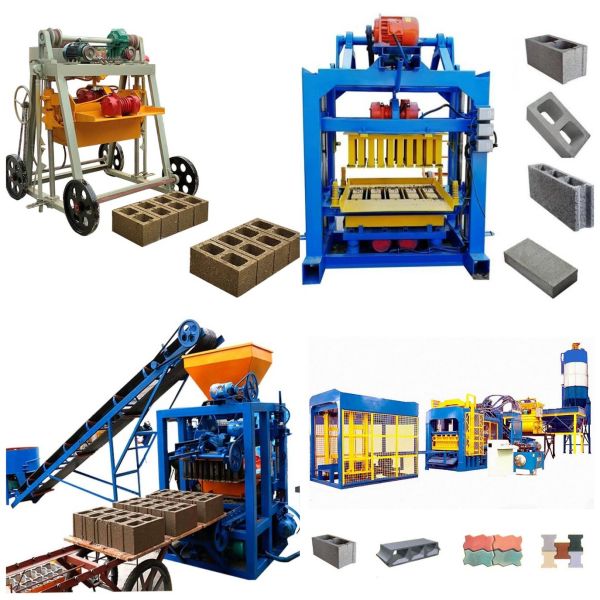
1. Máy cấp nhập và máy vận hành thủ công/bán tự động
- Khoảng giá:$2,500 – $5,000
- Mô tả:该类别涵盖手动码胚机、小型固定式手动压制机以及基础半自动型号。操作高度依赖体力劳动,包括喂料、放置托板和搬运成品砖块。此类设备通常可移动或便于转移。
- Các yếu tố chi phí:Vật liệu chế tạo (thép tiêu chuẩn so với thép gia cố), bao gồm hệ thống rung đơn giản, công suất động cơ và có bao gồm hệ thống thủy lực cơ bản hay không. Giá cả tăng dần từ loại vận hành bằng đòn bẩy thủ công hoàn toàn lên đến mẫu bán tự động có chu kỳ cấp liệu và ép bằng điện.
- Khách hàng điển hìnhCác doanh nhân khởi nghiệp, các nhà xây dựng nhỏ sản xuất cho dự án của riêng mình, các tổ chức phi chính phủ trong bối cảnh phát triển, và các doanh nghiệp ở những khu vực có chi phí lao động rất thấp.
2. Máy cố định tự động (Cỗ máy thương mại chủ lực)
- Khoảng giá:$5,000 – $12,000+
- Mô tả:Khung xương của bãi sản xuất gạch thương mại. Đây là những máy móc được điều khiển bằng PLC, tự động hóa toàn bộ chu trình sản xuất: cấp liệu, ép chặt, tạo hình và đẩy khuôn. Sản lượng có thể dao động đáng tin cậy từ 1.000 đến hơn 6.000 viên gạch tiêu chuẩn trong một ca làm việc 8 giờ.
- Các yếu tố chi phí:
- Năng lực sản xuất:Yếu tố đơn lẻ lớn nhất. Khả năng khối mỗi giờ (BPH) tương quan trực tiếp với giá.
- Hệ Thống Cơ Khí Hydraulic press machines command a premium over vibro-compression systems due to superior versatility and product density.
- Control Sophistication: Basic PLCs vs. advanced touch-screen HMIs with recipe storage and diagnostic capabilities.
- Chất lượng và Vật liệu Chế tạo: Use of high-tensile steel for the frame, hardened alloy steel for mold liners, and quality brand components for hydraulics and vibration motors.
- Tính linh hoạt: Quick Mold Change (QMC) systems, which allow product changes in under 30 minutes, add significant value and cost.
- Khách hàng điển hình Established block manufacturers, entrepreneurs targeting regional distribution, and contractors setting up dedicated production for large projects.
3. High-Capacity Production Lines and Specialized Systems
- Khoảng giá: $0,000 – $1,500,000+
- Mô tả: These are not standalone machines but integrated manufacturing systems. The core block maker is synchronized with automated material handling: robotic pallet feeders, block stackers/counters, curing rack conveyors, and sometimes integrated concrete batching plants. This category also includes highly specialized machines for products like insulated concrete forms (ICFs), high-precision paving stones, or interlocking blocks.
- Các yếu tố chi phí: Degree of automation (robotics), brand and origin of control systems (e.g., European PLCs, servo-drives), custom engineering, and the scale of peripheral equipment. A turnkey project with civil works, electrical installation, and commissioning is priced at this level.
- Khách hàng điển hình Large industrial plants, investors entering the market at scale, and government-backed infrastructure projects.
The Complete Cost Framework: Beyond the Machine Invoice
An authoritative price consultation must account for the full spectrum of costs, which extend far beyond the base equipment price.
Initial Capital Outlay (CAPEX)
- Giá Cơ Bản Máy: As determined by the category and specifications above.
- Shipping, Logistics, and Insurance: A critical and variable add-on, typically 7% to 20% of the machine price. Influenced by distance, container costs, import/export fees, and the necessity for specialized transport for oversized equipment.
- Import Duties and Local Taxes: These can dramatically alter the landed cost. Duties vary widely by country and trade agreements (from 0% to 25% or more), and Value Added Tax (VAT) or Goods and Services Tax (GST) applies in most jurisdictions.
- Installation and Commissioning: Includes foundation preparation (reinforced concrete slab), electrical hookup (often requiring three-phase power), machine alignment, calibration, and training. Professional commissioning by a factory engineer, while an added cost ($5,000-$25,000), is invaluable for optimal start-up and is strongly recommended.
- Essential Auxiliary Equipment (The “Hidden” CAPEX): The machine cannot function in isolation. Necessary investments include:
- Máy trộn bê tông: $8,000 – $60,000 for a pan mixer or planetary mixer of appropriate capacity.
- Pallet Inventory: Hundreds to thousands of steel or wooden pallets ($15 – $100 each).
- Xử lý Vật liệu: Wheel loader or conveyor system for aggregates ($25,000 – $100,000).
- Hệ thống đóng rắn Racks, covers, and possibly a low-pressure steam curing chamber.
Operational Expenditure (OPEX) & The Total Cost of Ownership (TCO) Model
The most insightful financial analysis compares machines not on purchase price, but on their cost to operate over a 5-10 year lifespan.
- Tiêu thụ Năng lượng A dominant recurring cost. Modern machines with Variable Frequency Drives (VFDs) and efficient hydraulic circuits can reduce electricity costs by 25-40% compared to older designs. A machine running two shifts can incur annual energy costs of $10,000-$50,000+.
- Chi phí lao động: While automatic machines reduce direct labor per block, they require higher-skilled (and higher-paid) technicians. The labor cost per 1,000 blocks is the key metric, where automation consistently wins at scale.
- Wear Parts and Routine Maintenance: This is where machine quality is proven. A machine built with premium-grade hardened steel mold liners and seals will have a higher parts cost but a far longer service life, resulting in lower cost per block. Maintenance includes hydraulic oil, filters, and greasing schedules.
- Downtime Cost: The ultimate hidden expense. Unplanned downtime from machine failure results in zero revenue, missed deliveries, and idle labor. Reliability, backed by accessible technical support and spare parts availability, is a critical economic factor that cheap machines seldom provide. A single day of downtime can wipe out years of perceived savings from a lower purchase price.
Strategic Pricing Factors and Market Dynamics
Geographical Origin and Manufacturing Ecosystem
- Established Industrial Regions (Europe, North America): Machines are priced at a premium, justified by advanced engineering, strict compliance with international safety and performance standards, high-quality component sourcing, and robust after-sales networks. The TCO is often favorable despite higher CAPEX.
- Emerging Manufacturing Hubs (Asia, etc.): Offer a wide spectrum. While some manufacturers produce to international quality standards at competitive prices, the market also has entrants offering very low prices, often achieved through compromises in material quality, component sourcing, and engineering oversight. Due diligence is paramount.
The Value of Intangibles: Support and Knowledge
A significant portion of a reputable supplier’s price incorporates intangible assets:
- After-Sales Service & Warranty: A comprehensive warranty (typically 12 months on parts) and the availability of factory-trained service technicians or a local partner.
- Technical Training: Proper operator and maintenance training programs.
- Software and Ongoing Updates: Access to control system updates and technical bulletins.
- Reputation and Financial Stability: Assurance that the supplier will exist in 5 years to provide spare parts and support.
Building the Investment Case: From Price to Value
For distributors and advisors, the professional task is to reframe the conversation from cost to value and return on investment (ROI).
Conducting a TCO Comparison
Develop a comparative model for clients, contrasting:
- Option A (Lower CAPEX): $10,000 machine with higher energy use, frequent $1,000 mold liner replacements every 12 months, and estimated 10% downtime.
- Option B (Higher CAPEX): $30,000 machine with energy-efficient drives, premium liners replaced every 2 years for $1,500, 98% uptime, and included training.
The model will reveal the true cost-per-block and payback period, often demonstrating that the higher initial investment yields superior long-term profitability.
Financing and Cash Flow Considerations
Discussing financing options—equipment leases, bank loans, or manufacturer-backed financing—is an integral part of the pricing conversation. Favorable financing terms for a slightly more expensive machine can make it more accessible than a cash purchase of a cheaper unit.
Conclusion
The question of a concrete block machine’s cost is a gateway to a deeper discussion about business strategy, operational efficiency, and investment philosophy. A machine’s price tag is merely its admission fee; its true cost is revealed in the relentless arithmetic of daily production—in kilowatt-hours consumed, in the frequency of mold changes, and in the precious hours of uninterrupted operation.
For the industry professional, therefore, expertise lies in illuminating this full financial landscape. It involves steering clients away from the seductive peril of false economy—where low initial price begets high lifetime cost—and toward investments where robust engineering and reliable support ensure predictable, profitable output. By mastering and communicating the principles of TCO, you transition from being a vendor of machinery to a curator of productive assets and a partner in building industrial legacies. In the final calculus, the most expensive machine is not the one with the highest price, but the one that fails to produce a reliable return.
FAQ
Q1: We see seemingly identical machines with a 40% price difference from different suppliers. What explains this?
A: This disparity almost always reflects differences in “bill of materials” quality and manufacturing oversight. The cheaper machine likely uses: lower-grade steel (prone to fatigue cracking), generic hydraulic pumps and seals (shorter lifespan), inferior electrical components, and has less rigorous quality control during assembly. The more expensive machine invests in premium-brand components, superior metallurgy for wear parts, and precise engineering tolerances. The difference manifests in durability, energy efficiency, and frequency of breakdowns.
Q2: Are used machines a financially sound alternative to new equipment?
A: They can be, but for a narrower set of buyers. A used machine from a known brand, with documented service history and supported by available spare parts, can offer excellent value at 40-60% of new cost. However, it carries risks: unknown wear on critical components, potentially obsolete controls, and often no warranty. It is advisable only for clients with strong in-house technical expertise who can thoroughly inspect and refurbish the unit. For most, the predictability and warranty of a new machine justify the higher outlay.
Q3: How does automation level actually impact the final cost per block?
A: Dramatically. While a manual machine has near-zero capital cost, its cost per block is high and variable due to labor intensity and lower output. An automatic machine has high fixed (capital) cost but very low and stable variable cost per block. As production volume increases, the high fixed cost is amortized, and the automatic machine’s superior efficiency drives its per-unit cost far below that of the manual alternative. The crossover point where automation becomes cheaper depends on local labor rates and target output.
Q4: What are the most commonly overlooked costs that sink a new business’s budget?
A: The “ancillary ecosystem” is most frequently underestimated:
- Power Infrastructure: The cost to bring three-phase industrial power to the site.
- Site Development: Land leveling, drainage, and constructing a large, reinforced concrete foundation slab.
- Raw Material Inventory: The working capital tied up in stockpiles of sand, aggregate, cement, and pallets.
- Tuân thủ Quy định: Costs for business licensing, environmental permits, and plant certification.
- Working Capital: Funds to cover operating expenses (salaries, utilities) for 3-6 months before consistent revenue flows.
Q5: Can I start with a basic machine and add automation later?
A: This “phased investment” approach is common but has limitations. Some semi-automatic machines can be upgraded with automatic feeders and pallet circulators. However, a manual machine cannot be retrofitted into a true automatic press; it requires a complete replacement. The strategic approach is to select a machine from a manufacturer with a scalable model range, allowing you to start with a robust base model that can be expanded or traded in for a larger, more automated unit as the business grows, preserving some of your initial investment.
