
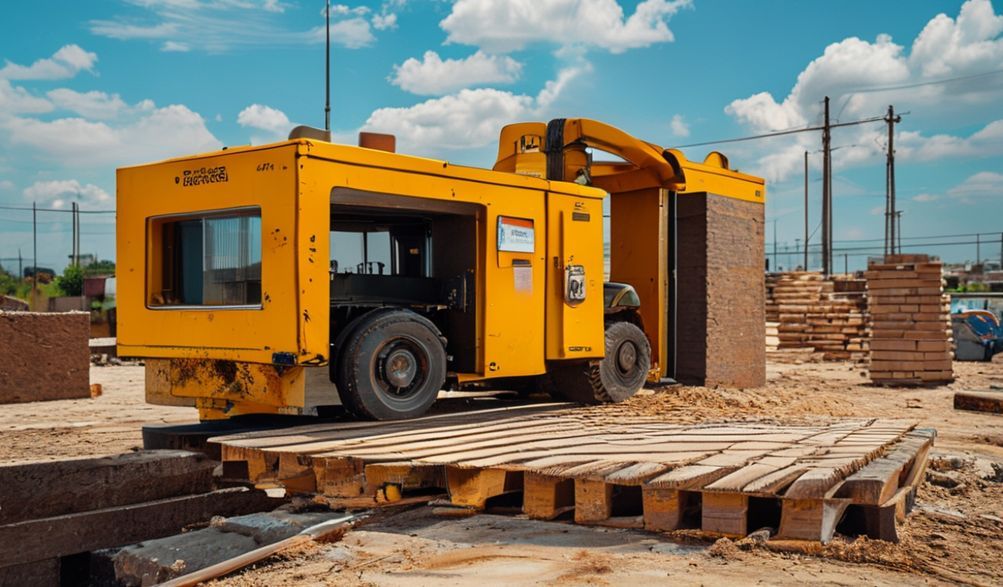
Máy Làm Khối Bê Tông Xi Măng Mới Nhất tại Nigeria (Hướng Dẫn Người Mua 2026)
Giới thiệu
Ngành xây dựng của Nigeria không chỉ đang phát triển; nó đang bùng nổ. Với tình trạng thiếu hụt nhà ở hàng năm ước tính lên đến hàng triệu căn và quá trình đô thị hóa nhanh chóng thúc đẩy nhu cầu về cơ sở hạ tầng thương mại và công cộng, áp lực xây dựng nhanh hơn và vững chắc hơn chưa từng lớn đến thế. Trọng tâm của sự bùng nổ xây dựng này nằm ở một thành phần cơ bản: khối bê tông tưởng chừng đơn giản nhưng vô cùng quan trọng. Chiếc máy sản xuất ra nó không còn chỉ là một công cụ—mà đã trở thành động cơ của tiến bộ.
Trong hơn một thập kỷ, tôi đã theo dõi sự phát triển của ngành sản xuất gạch block tại Nigeria—từ những phương pháp thủ công tốn nhiều công sức và không ổn định trong quá khứ, đến những hệ thống tinh vi, hướng đến hiệu quả đang nổi lên ngày nay. Cẩm nang này được đúc kết từ chính kinh nghiệm đó: những cuộc trao đổi trực tiếp với các nhà sản xuất ở Lagos và Kano, những chuyến thăm thực địa đến các cơ sở sản xuất block sôi động khắp vùng Đông Nam, và phân tích kỹ thuật về những giải pháp thực sự hiệu quả trong môi trường đặc thù của chúng ta. Dù bạn là một nhà thầu dày dạn kinh nghiệm muốn nâng cấp bãi sản xuất, một doanh nhân dấn thân vào ngành sản xuất gạch block, hay một quản lý dự án đặt mục tiêu kiểm soát chất lượng vật liệu tại công trường, tôi hiểu rõ mục đích cốt lõi của bạn: thực hiện một khoản đầu tư vào thiết bị thông minh, sinh lời và bền vững cho tương lai.
Hướng dẫn năm 2026 này hứa hẹn sẽ loại bỏ mọi thông tin nhiễu loạn. Chúng ta sẽ khám phá những máy móc mới nhất đang cách mạng hóa thị trường, phân tích các tính năng chính của chúng bằng ngôn ngữ dễ hiểu, xác định các kênh cung cấp đáng tin cậy và đưa ra những lời khuyên thực tế, đúc kết từ kinh nghiệm, phù hợp với thực tế tại Nigeria. Tôi nhớ khi một cỗ máy "hiện đại" đơn giản chỉ có nghĩa là một máy rung ồn ào hơn. Ngày nay, chúng ta đang nói về các hệ thống thông minh tiết kiệm xi măng, tự quản lý nguồn điện và sản xuất những viên gạch block đồng đều hoàn hảo với tốc độ đáng kinh ngạc. Sự tiến hóa đó chính là điều chúng ta sẽ thảo luận ở đây.
Tại sao Máy Làm Khối Hiện Đại Đang Cách Mạng Hóa Ngành Xây Dựng Nigeria
Đã qua rồi cái thời làm gạch chỉ dựa vào sức mạnh cơ bắp và phỏng đoán. Thế hệ máy móc mới nhất hiện nay đại diện cho một bước nhảy vọt về công nghệ, giải quyết trực tiếp những thách thức cốt lõi và tham vọng của ngành xây dựng Nigeria. Đầu tư vào thiết bị hiện đại không còn là một sự xa xỉ; đó là một bước đi chiến lược để tồn tại và phát triển.
Hiệu quả & Tốc độ: Đáp ứng Nhu cầu Đô thị hóa Nhanh chóng
The pace of development waits for no one. Modern machines are engineered for throughput.
* Fully automatic plants can produce thousands of blocks per shift with minimal human intervention, turning large-scale projects from years-long endeavors into months-long executions.
* This speed directly translates to faster project completion, improved cash flow for builders, and the ability to take on more contracts. In a competitive market, your production capacity can be your biggest advantage.
Superior Block Quality & Consistency: Enhancing Structural Integrity
A building is only as strong as its foundational materials. Older methods often resulted in blocks of varying density and strength, creating weak points.
* Advanced vibration and compaction systems ensure every block from a modern machine has uniform density, leading to predictable and superior compressive strength.
* This consistency means safer buildings, fewer structural issues, and greater trust from clients and regulators. It elevates your reputation from a mere supplier to a guarantor of quality.
Cost-Effectiveness in the Long Run: Reducing Waste and Labor Costs
While the initial investment is higher, the total cost of ownership plummets.
* Độ chính xác: Automated mix ratios and molding drastically reduce material waste—saving significant money on cement, a major cost component.
* Tối ưu hóa lao động: One operator can manage a semi-automatic machine producing hundreds of blocks per hour, reducing reliance on large, unpredictable manual labor crews and associated costs.
Sustainability Angle: Optimizing Cement Use and Incorporating Recycled Materials
Modern machines align with both economic and emerging environmental sensibilities.
* Their efficient compaction allows for optimal use of cement, sometimes enabling strength-targeted mix designs with less cement content.
* Many latest-generation systems can effectively incorporate recycled aggregates like crushed concrete, turning waste into valuable building material and reducing environmental footprint.
Key Features of the Latest Generation Machines (2026 Models)
Understanding these features will help you discern a truly modern machine from a superficially updated one. Look for these engineering advancements.
Advanced Vibration Systems: Ensuring Optimal Compaction and Density
This is the heart of block quality. Look beyond just “it vibrates.”
* High-Frequency, Multi-Direction Vibration: The best systems use powerful, computer-optimized vibration in multiple axes to eliminate air pockets and achieve perfect compaction throughout the entire mold, not just at the edges.
* Adjustable Vibration Settings: This allows operators to fine-tune the process for different mix designs (e.g., using more laterite or sharper sand), ensuring consistent results regardless of local material variations.
Automated Control Panels & PLC Systems: Simplifying Operation and Precision
The intelligence of the machine.
* Programmable Logic Controller (PLC) Systems: These are industrial computers that control cycle times, vibration duration, and hydraulic pressure with digital precision. They remove human error and ensure every block is identical.
* User-Friendly Touchscreens: Modern panels allow operators to select block type, set production parameters, and diagnose minor issues with the touch of a button, reducing the need for highly specialized technicians for everyday operation.
Robust Design for Durability: Materials and Build Quality for Harsh Climates
A machine must withstand Nigeria’s conditions—dust, heat, humidity, and sometimes rough handling.
* Reinforced Frames & Components: Look for heavy-duty steel frames, hardened steel mold liners resistant to abrasion from sand, and corrosion-protected electrical components.
* Dust-Sealed Bearings & Electronics: Critical for longevity in the dusty environment of a block yard, preventing premature failure of moving parts and control systems.
Multi-Tasking Capabilities: Machines that Produce Various Block Types
Versatility maximizes your market reach and business resilience.
* The latest machines often come with quick-change mold systems. A single machine can efficiently produce:
* 9″ Hollow Blocks
* 6″ Solid Blocks
* Interlocking Paving Stones
* Curved or specialty blocks for landscaping
* This allows you to pivot between structural and aesthetic product lines based on market demand.
Energy Efficiency: Designs Catering to Nigeria’s Power Challenges
Power is a critical consideration. The best 2026 models are built for reality.
* Diesel/Electric Hybrid Options: These machines can switch seamlessly between grid power and an integrated diesel generator, ensuring uninterrupted production during outages.
* Hệ Thống Thủy Lực Được Tối Ưu Hóa: Newer systems use variable-speed pumps and smarter circuits that consume less power per production cycle, reducing operational costs whether you’re using diesel or expensive generator fuel.
Top Types of Latest Block Making Machines Available in Nigeria
The “latest” technology comes in forms suited to different scales of operation. Here’s how the market categorizes them.
Fully Automatic Stationary Block Making Plants: For Large-Scale Production
- Mô tả: These are complete production lines with automatic material batching, mixing, block molding, curing, and stacking/palletizing. Often fed by conveyor belts.
- Tốt Nhất Cho: Large block manufacturing factories supplying major construction firms or housing estates. Output can exceed 5,000 blocks per 8-hour shift.
- Latest Features: Integrated IoT sensors for monitoring production data, automated water sprinkling for curing, and robotic pallet handlers.
Mobile Egg-Laying Block Machines: Ideal for On-Site Production
- Mô tả: Self-contained machines that mix, mold, and then “lay” the finished block directly onto a level ground or pallet, before moving forward to repeat the process.
- Tốt Nhất Cho: Direct on-site production for large projects like estate developments, eliminating block transportation costs. They offer a great balance of output and mobility.
- Latest Features: Improved mobility systems (track-based for soft ground), more powerful onboard mixers, and better vibration isolation for smoother operation.
Semi-Automatic Block Making Machines: The Balance of Output and Affordability
- Mô tả: The operator feeds the mixed concrete into the machine’s hopper, and the machine handles vibration, compaction, and ejection. Blocks are then manually removed for curing.
- Tốt Nhất Cho: Medium-sized block industries and growing contractors. This is the most popular category for serious businesses, offering outputs from 800 to 2,000 blocks per day with a small crew.
- Latest Features: Hydraulic ejection for easier block removal, more durable mold designs, and PLC panels for cycle control.
Manual/Press Machines with Modern Upgrades: For Small-Scale Startups
- Mô tả: Lever-operated or mechanically assisted presses that compact concrete into a mold. Requires significant manual labor.
- Tốt Nhất Cho: Very small startups, village-level projects, or producing specialty blocks in low volume.
- Latest Features: Even manual machines have seen upgrades like improved leverage mechanisms for easier operation, better steel alloys for molds, and modular designs for easier maintenance.
Trusted Suppliers and Brands in the Nigerian Market
Navigating the supplier landscape requires diligence. Here’s how to separate the credible from the questionable.
Reputable Local Distributors and Their Service Networks
- Established local distributors in industrial hubs like Lagos, Ibadan, Port Harcourt, and Abuja are invaluable. Their key advantage is proximity.
- Prioritize those with a visible workshop, a stock of common spare parts, and employed (not subcontracted) service technicians. Ask for references from their long-term clients.
Internationally Recognized Brands with Local Presence
- Brands like QGM (Quangong Machinery), Zenith, and Bess have a longstanding global reputation for quality and have established partnerships with local Nigerian distributors.
- The benefit is proven engineering, international quality control standards, and often access to global technical resources. Ensure the local partner is authorized and has the capability to support the brand.
How to Verify Supplier Credentials and After-Sales Support
- Physical Verification: Insist on visiting their office and workshop. A serious supplier has nothing to hide.
- Client Portfolio: Ask for a list of recent clients and, with permission, contact them to ask about machine performance and after-sales service responsiveness.
- Technical Capacity: Inquire about the training they provide. Do they offer comprehensive training on operation và basic maintenance?
The Importance of Warranty, Availability of Spare Parts, and Technical Training
- Bảo hành: A minimum of 12 months on major components (engine, hydraulic system, vibration motors) is standard for new machines. Get it in writing.
- Phụ Tùng Thay Thế: Ask for a sample spare parts price list. A trustworthy supplier should be transparent about this. Check if they stock critical wear-and-tear items like mold liners, hydraulic seals, and vibration motor mounts.
- Đào tạo: This is non-negotiable. Proper training prevents costly misuse and downtime.
Essential Buying Considerations for the Nigerian Context
This is where experience translates to practical advice. Use this checklist.
Analyzing Your Production Needs: Output Capacity (Blocks per Hour)
- Be realistic. Don’t buy a massive plant for a small, local market. Calculate your current and projected demand.
- Câu hỏi chủ chốt: “What do I need to produce per day to be profitable and grow?” Match the machine’s sustained output, not its peak theoretical output, to this number.
Power Source: Navigating Electricity, Fuel, and Alternative Power Solutions
- Urban Areas with Semi-Stable Grid: A well-protected electric machine with a strong servo-stabilizer might suffice, but a hybrid option is safer.
- Areas with Poor Grid Supply: Diesel-powered or hybrid models are the only practical choice. Factor in the cost and logistics of diesel fuel into your business plan.
- Future-Proofing: Some forward-thinking businesses are integrating solar power to run certain components, reducing fuel dependency.
Total Cost of Ownership: Beyond the Initial Purchase Price
- Calculate costs for:
- Installation & Foundation: Some machines require a concrete foundation.
- Regular Maintenance: Lubricants, filter changes.
- Bộ phận hao mòn: Molds, liners, and belts need periodic replacement.
- Power/Fuel: Your biggest recurring operational cost.
- Potential Downtime: A cheaper machine with poor service support can cost you more in lost production than a premium machine.
Site Visit and Machine Demonstration: A Non-Negotiable Step
- Never buy from a brochure or website alone. You must see the machine run.
- Bring Your Own Materials: Use the sharp sand and cement you plan to use daily. A good machine should handle it. Watch the entire cycle—mixing, molding, ejection.
- Test the Blocks: Check the weight, edges, and consistency of the produced blocks immediately after ejection.
Understanding Technical Specifications: A Simple Guide to Key Terms
- Thời gian chu kỳ: Time to produce one batch of blocks (e.g., 4 blocks per cycle). Lower is faster.
- Mold Pressure/Hydraulic Pressure: Measured in tons or MPa. Higher pressure generally means denser blocks, but must be matched with good vibration.
- Vibration Frequency: Measured in Hz or RPM. Higher frequency often leads to better surface finish and compaction.
- Kích thước Pallet: The size of the steel plate the block forms on. Standardization helps with handling and curing.
FAQ: Your Questions on Latest Block Machines in Nigeria, Answered
Q: What is the price range for a new, modern block making machine in Nigeria?
A: Prices vary dramatically. A upgraded manual press can start from ₦1.5 million. A quality semi-automatic machine ranges from ₦4 million to ₦12 million. Fully automatic mobile egg-layers are between ₦15 million and ₦30 million, while large stationary plants can exceed ₦50 million. Always correlate price with output, features, and brand support.
Q: Can these machines use local materials like sharp sand effectively?
A: Absolutely. The best machines are designed for it. The key is the adjustable vibration and compaction system, which can be tuned to achieve optimal density even with the angular particles of sharp sand. During your demonstration, insist on using your local material.
Q: How do I maintain these machines to ensure longevity in our climate?
A: Rigorous daily and weekly routines are key: 1) Clean dust from motors and control panels daily. 2) Check and tighten all bolts weekly (vibration loosens them). 3) Follow the lubrication schedule religiously. 4) Use a voltage stabilizer for electric components. 5) Cover the machine when not in use to protect from rain and sun.
Q: What is the lead time for delivery and installation after purchase?
A: For machines in a local supplier’s stock, delivery can be within 1-2 weeks. For imported or custom-ordered machines, lead times can be 8-16 weeks. Installation of complex plants may take a few days to a week with technical supervision. Clarify this timeline in your contract.
Q: Are there financing options available for purchasing this equipment?
A: Yes, but they require structure. Some major distributors offer in-house installment plans. More commonly, you would need a business plan to access equipment financing from banks or microfinance institutions. Some government entrepreneurship programs also offer funding for capital equipment.
Q: What’s the difference between a “vibrating” and a “press” machine in terms of block quality?
A: This is crucial. A pure press machine uses only hydraulic pressure to compact the mix. It can produce decent blocks but may struggle with achieving uniform density, especially in hollow blocks. A vibrating machine uses vibration to settle the mix, often combined with pressure. The latest machines use vibration under pressure, which delivers the highest, most consistent density and strength, making them the professional standard.
The Future of Block Production in Nigeria
The trajectory is clear: smarter, more connected, and more sustainable.
Trends to Watch: Automation, IoT, and Smart Manufacturing
- We will see more machines with remote monitoring capabilities. Imagine receiving a text alert on your phone if the machine’s vibration motor is drawing abnormal current, allowing for proactive maintenance before a breakdown occurs.
- Data collection on production rates, material consumption, and block quality will become standard, enabling business owners to optimize their operations with precision.
The Role of Block Machines in Affordable Housing Projects
- The efficiency and cost-control offered by modern machines make them the perfect partner for large-scale affordable housing initiatives. They enable the rapid, on-site production of high-quality blocks, directly reducing one of the largest material cost and logistics hurdles.
Final Recommendation
Investing in the latest concrete block making technology is not merely a purchase; it’s a strategic decision to future-proof your construction business or venture. It is an investment in the chất lượng of Nigeria’s built environment, the tốc độ of its development, and ultimately, the profitability and reputation of your enterprise. In a market that increasingly values reliability and standards, the right machine places you firmly ahead of the curve.
Conclusion
The journey from raw materials to a sturdy wall begins with the block, and the block begins with the right machine. As we’ve explored, the latest concrete cement block making machines in Nigeria offer unprecedented advantages in efficiency, quality control, and long-term cost savings. They are engineered to meet the specific challenges and seize the tremendous opportunities within our local construction sector.
Your path forward should be marked by informed confidence. Prioritize suppliers with transparent service records and physical workshops. Insist on a live demonstration using your own materials. And make your final decision based on a clear-eyed analysis of your production needs, site conditions, and total cost of ownership.
This guide is built on a foundation of real-world experience, technical expertise, and a commitment to the growth of Nigeria’s building industry. The information here is designed to be reliable and actionable. The evolution of our skylines and communities is in the hands of builders and manufacturers like you. If you have insights from your own experience or further questions as you navigate this decision, please share them below. Let’s continue to build this knowledge, together.
<