
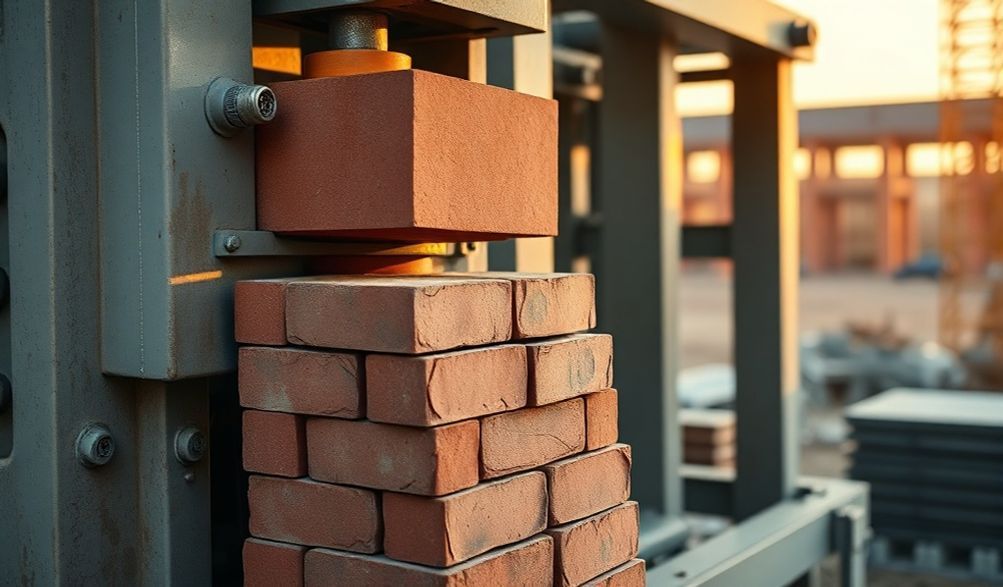
Hướng Dẫn Toàn Diện Về Máy Ép Gạch Không Nung: Phân Loại, Lợi Ích & Cách Chọn
Giới thiệu
Hãy tưởng tượng một công nghệ xây dựng có thể cắt giảm chi phí vật liệu đến 50%, rút ngắn thời gian thi công một phần ba, và giảm đáng kể dấu chân môi trường của mỗi công trình. Đây không phải là một ý tưởng viễn tưởng—mà là hiện thực được mang lại bởi máy ép gạch không nung, một sáng chế đang định hình lại bức tranh xây dựng toàn cầu.
Trong nhiều thập kỷ, các nhà xây dựng đã phải vật lộn với những hạn chế của gạch đất sét nung truyền thống: quá trình sản xuất tiêu tốn nhiều năng lượng, thải ra lượng lớn khí CO2; chi phí biến động; và tốc độ thi công chậm, đòi hỏi nhân công lành nghề cùng lượng vữa lớn. Những thách thức hậu cần trong việc vận chuyển vật liệu nặng, dễ vỡ chỉ càng làm gia tăng gánh nặng.
Hãy làm quen với máy ép gạch không nung - một công nghệ cách mạng nhưng vô cùng đơn giản và tinh tế, trao quyền cho các doanh nhân, nhà thầu, và thậm chí cả các hợp tác xã cộng đồng. Nó biến đất, cát sẵn có tại địa phương cùng một lượng nhỏ xi măng thành những viên gạch xây dựng siêu bền mà không cần vữa. Hướng dẫn này được xây dựng từ phân tích chuyên sâu ngành công nghiệp, thông số kỹ thuật chi tiết và những hiểu biết thực tế từ ứng dụng thực tiễn. Mục tiêu của chúng tôi là vượt ra ngoài những lời quảng cáo hào nhoáng và cung cấp cho bạn kiến thức toàn diện cần thiết để đưa ra quyết định tự tin và sáng suốt.
Đến cuối bài viết này, bạn sẽ hiểu rõ cách thức hoạt động của những chiếc máy này, những lợi ích thiết thực mà chúng mang lại, các loại máy có sẵn trên thị trường, cùng một quy trình từng bước rõ ràng để lựa chọn mẫu máy phù hợp nhất cho dự án hoặc công việc kinh doanh của mình.
Máy sản xuất gạch không nung là gì?
Về cốt lõi, máy ép gạch tự chèn là một thiết bị nén hỗn hợp nguyên liệu thô ẩm thành những viên gạch hình học chính xác với một đặc điểm thiết kế độc đáo: các gờ và rãnh trên bề mặt trên và các mặt bên.
Chức năng và Nguyên lý Cốt lõi
Nguyên lý hoạt động dựa trên việc nén áp suất cao, không phải nung. Hỗn hợp đã được chuẩn bị sẽ được đưa vào buồng khuôn. Một pít-tông mạnh - vận hành bằng tay, điện hoặc thủy lực - tác động lực ép cực lớn lên hỗn hợp, nén chặt nó lại. Viên gạch thành phẩm được đẩy ra với thiết kế khóa liên động đặc biệt, phổ biến nhất là kiểu "mấu và rãnh" hoặc "hình zíc-zắc".
Tính năng "liên kết" này chính là yếu tố đột phá. Khi xếp chồng lên nhau, những viên gạch này khớp vào nhau như các mảnh ghép ba chiều, tạo nên một cấu trúc tường ổn định và thống nhất. Liên kết cơ học này giúp giảm đáng kể hoặc trong nhiều trường hợp hoàn toàn loại bỏ nhu cầu sử dụng vữa ướt truyền thống, dẫn đến tiết kiệm lớn và thi công nhanh chóng.
Nguyên Liệu Thô: Bạn Có Thể Sử Dụng Gì?
Tính linh hoạt của nguyên liệu thô là một thế mạnh then chốt. Các hỗn hợp phổ biến nhất bao gồm:
- Xi măng đất:Một hỗn hợp giữa đất tầng dưới (thường chiếm 85-90%) và xi măng Portland (10-15%). Đất sử dụng phải có độ ổn định hợp lý và hàm lượng hữu cơ thấp.
- Laterite-Xi măng: In tropical regions, iron-rich laterite soil is an excellent, readily available material.
- Crushed Stone/Sand with Cement: For maximum strength, a mix of finely crushed quarry dust or sand with cement is used.
Critical Note: Material testing is non-negotiable. Simple on-site tests for particle size distribution and moisture content, and lab tests for compressive strength, are essential to calibrate your mix for optimal, code-compliant results. This sustainable model often uses on-site or locally quarried materials, slashing transportation costs and environmental impact.
Key Benefits of Using an Interlocking Brick Machine
The advantages of this technology cascade from the production yard directly to the finished building, offering compelling practical and economic benefits.
Significant Cost Reduction
The financial savings are multi-layered:
- Material Costs: Drastically less cement is used compared to concrete blocks. The elimination of mortar saves further on cement and sand.
- Chi phí lao động: Dry-stacking is faster and can be done with semi-skilled labor, reducing dependency on highly paid master masons.
- Chi phí Hậu cần: Producing bricks on or near the construction site eliminates multiple middlemen and long-distance transport of fragile fired bricks.
- Overall Project Cost: Studies and real-world projects consistently show total wall cost reductions of 30-50% compared to conventional methods.
Unmatched Construction Speed & Simplicity
Think of it as Lego-like construction for real-world buildings. Without the need to wait for mortar to set between courses, walls rise with remarkable speed. The interlocking system is intuitive, making construction simpler and reducing errors. This speed translates directly into faster project completion and return on investment.
Superior Strength and Durability
Don’t let the simplicity fool you. The high-pressure compaction (often achieving 5-10 MPa or more) creates a dense, robust brick.
- Cường độ nén: Properly made interlocking bricks easily meet and often exceed the strength requirements for single and multi-story residential buildings.
- Seismic Resistance: The interlocking design creates a monolithic wall structure that can flex and dissipate energy, offering superior performance in earthquake-prone zones compared to rigid, mortar-bound walls.
- Weather Resistance: When properly capped and plastered (if desired), these walls are highly durable against rain and wind.
Environmental Sustainability
This is a cornerstone benefit for the eco-conscious builder:
- Zero Firing: No kilns means no coal consumption and no associated greenhouse gas or particulate emissions.
- Minimal Cement Use: Cement production is a major global CO2 source. Reducing its use is a direct environmental win.
- Local Materials: Utilizing on-site soil minimizes landscape scarring from quarries and reduces the carbon footprint of transportation.
- Waste Potential: Some machines can incorporate certain industrial by-products (like fly ash) into the mix, promoting a circular economy.
Types of Interlocking Brick Machines
Choosing the right class of machine is your first major decision. They fall into three broad categories, defined by their power source and level of automation.
Máy Móc Thủ Công / Vận Hành Bằng Tay
- Tốt nhất cho: Individual homeowners, small-scale DIY projects, community-led housing initiatives, NGOs, and entrepreneurs testing the market with minimal capital.
- Ưu điểm:
- Đầu tư ban đầu cực thấp.
- Completely portable—no need for electricity.
- Simple to understand, operate, and maintain.
- Nhược điểm:
- Low production output (typically 100-500 bricks per 8-hour day).
- Physically demanding labor.
- Brick quality can vary more with operator fatigue.
Semi-Automatic Electric/Hydraulic Machines
- Tốt nhất cho: Small to medium-sized businesses, contractors undertaking multiple projects, and production yards with a steady demand.
- Ưu điểm:
- Excellent balance between output, cost, and automation.
- Higher and more consistent production (500-2,000 bricks per day).
- Significantly less physically demanding than manual machines.
- Delivers uniform, high-quality bricks due to consistent hydraulic pressure.
- Nhược điểm:
- Requires a reliable electricity connection (or a generator).
- Higher upfront cost than manual models.
- Requires basic technical knowledge for maintenance.
Fully Automatic Hydraulic Press Machines
- Tốt nhất cho: Large-scale commercial production plants, government housing projects, and businesses supplying bricks to a wide market.
- Ưu điểm:
- Very high output (2,000+ bricks per day).
- Fully automated cycle: auto-feeding, pressing, and ejection.
- Ultimate consistency in brick quality and dimensions.
- Maximizes labor efficiency.
- Nhược điểm:
- Substantial capital investment.
- Requires a robust electrical setup and more space.
- More complex maintenance requiring specialized technical skills.
How to Choose the Right Machine for Your Needs
Navigating the market requires a clear assessment of your goals and a sharp eye for key details.
Assess Your Project Scale & Business Goals
Start by asking:
* What is my daily/weekly brick requirement? (Based on project size or sales forecasts).
* What is my available startup budget?
* Do I have a reliable power source on site?
* Am I looking for a one-off project solution or a long-term business asset?
A simple matrix can guide you:
* < 500 bricks/day + Tight Budget = Manual Machine.
* 500 – 2,000 bricks/day + Business Focus = Semi-Automatic Machine.
* > 2,000 bricks/day + Industrial Production = Fully Automatic Machine.
Critical Technical Specifications to Compare
When comparing models, look beyond the price tag:
- Năng lực sản xuất: Never rely on the “theoretical maximum.” Ask for realistic, sustained output per hour with a standard crew.
- Brick Size & Mold Options: Ensure the machine produces a brick size suitable for your region’s standards. Check if the manufacturer offers different mold designs (standard, curved for arches, etc.).
- Motor Power & Operating Pressure: This directly correlates to final brick strength (measured in PSI or MPa). A machine with higher hydraulic pressure can compact a wider variety of materials into stronger bricks.
- Build Quality & After-Sales Support: This is paramount. Inspect the frame thickness, welding quality, and cylinder brand. Crucially, evaluate:
- Warranty length and terms.
- Availability of spare parts locally or via swift shipping.
- Whether installation and operator training are included.
- The manufacturer’s reputation and responsiveness.
Budgeting and Calculating ROI
Your total investment includes:
* Machine Cost + Shipping & Customs.
* Foundation/Setup for the machine.
* Raw material processing tools (sieve, mixer, wheelbarrows).
* Initial stock of cement and other materials.
ROI Framework:
1. Calculate your cost per brick (materials + labor + machine depreciation).
2. Research the selling price of comparable bricks (fired clay or concrete) in your local market.
3. Estimate your daily production volume.
4. Your simple payback period = (Total Investment) / ((Price per Brick – Cost per Brick) * Bricks Sold per Day).
A well-run operation with a semi-automatic machine often sees a payback period of 6-18 months.
Step-by-Step: Operating and Maintaining Your Machine
Proper operation and maintenance are what separate a profitable, long-term asset from a broken-down piece of equipment.
Site and Material Preparation
- Soil: Sieve to remove stones, roots, and organic matter. The ideal is a mix of sand, silt, and a small amount of clay.
- Mixing Ratio: Start with a standard mix (e.g., 10% cement, 90% soil) and conduct test batches. Adjust for your soil’s properties.
- Moisture Content: This is critical. The mixture must be damp enough to bind but not wet. The “hand-squeeze” test should result in a ball that holds its shape without crumbling or dripping water.
Basic Operational Cycle
- Pre-check: Lubricate moving parts and ensure the machine is clean.
- Cho ăn: Place the uniformly mixed material into the machine’s hopper or feeding chamber.
- Nén chặt: Activate the lever or switch to engage the ram and compress the material.
- Đẩy ra: Release the brick onto a pallet or curing area.
- Chữa bệnh: Immediately move bricks to a shaded area, keep them moist by sprinkling water 2-3 times a day, and cover with plastic sheeting for 14-28 days. Proper curing is essential for achieving full strength.
Essential Maintenance Checklist
- Hàng ngày: Clean the machine thoroughly after use. Check for loose bolts and nuts. Lubricate all pivot points.
- Hàng tuần: Inspect hydraulic hoses for leaks. Check electrical connections on automatic models. Clean the mold cavity with a wire brush if any material buildup occurs.
- Monthly: Check hydraulic oil level and quality. Inspect the wear plates on the mold and ram. Tighten all major structural bolts.
Troubleshooting Common Issues:
* Bricks sticking in mold: Likely due to over-wet mix or a worn/dirty mold. Adjust moisture and clean thoroughly.
* Bricks breaking easily: Usually caused by incorrect mix (too sandy, not enough cement/binder), insufficient compaction pressure, or improper curing.
* Machine losing pressure: Check for hydraulic oil leaks, a faulty pump, or a worn seal.
Frequently Asked Questions (FAQ)
Q1: How strong are interlocking bricks compared to fired clay bricks?
A: A well-produced interlocking brick can achieve a compressive strength of 5-10 MPa (700-1450 PSI), which is comparable to or exceeds many standard fired clay bricks (typically 3-5 MPa). They are more than adequate for load-bearing walls in 1-3 story buildings. Always have your bricks tested and consult your local building codes for specific requirements.
Q2: Can I start an interlocking brick business with a small budget?
A: Absolutely. Many successful businesses start with a single manual or semi-automatic machine. Begin by supplying bricks for small local projects (homes, fences, garden walls) to prove the concept and build capital. Reinvest profits to scale up to a higher-output machine—this is a proven, low-risk growth path.
Q3: Do interlocking brick buildings require plastering?
A: It is optional but recommended. The bricks can be left exposed for a rustic, modern look, but a plaster coat provides an extra layer of weatherproofing and a smooth finish for painting. The key advantage is that plastering requires less material and effort because the brick surfaces are already flat and even.
Q4: What is the curing process, and how long does it take?
A: Curing is the process of keeping the bricks moist to allow the cement to hydrate fully and gain strength. It involves sprinkling water on the stacked bricks 2-3 times a day and covering them with plastic to retain moisture. Full strength is typically gained in 28 days, though bricks can often be used in construction after 7-14 days of careful curing.
Q5: Where can I get training on using these machines?
A: Reputable manufacturers should provide comprehensive hands-on training as part of the purchase package. This is a major red flag if it’s not offered. Additionally, seek out construction NGOs, technical institutes, or online video tutorials from established industry experts to supplement your knowledge. Nothing replaces hands-on, manufacturer-specific training.
Conclusion
The interlocking brick machine represents more than just a piece of equipment; it embodies a shift towards more rational, sustainable, and accessible construction. It democratizes the ability to build quality housing and infrastructure by slashing costs, accelerating timelines, and leveraging local resources.
Your journey starts with a clear definition of your needs. Prioritize build quality, proven performance, and—above all—comprehensive after-sales support from your manufacturer over the allure of the lowest price. This technology is an investment that, when chosen wisely, pays dividends for years to come.
Ready to move from research to action? [Download our free comparison checklist of the top 10 interlocking brick machine specifications] to systematically evaluate your options.
Have a specific project or business plan in mind? [Contact our expert team for a personalized consultation] to match you with the ideal solution.
By embracing this innovative technology, you’re not just building structures; you’re contributing to a future of smarter, greener, and more affordable construction for communities worldwide.
<