
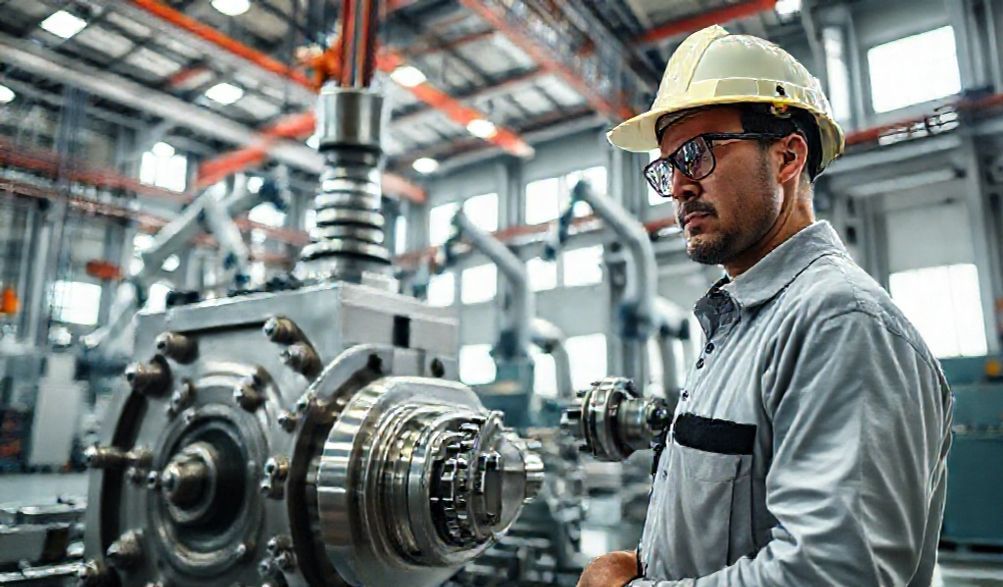
Your Ultimate Guide to Choosing a Reliable Block Making Machine Equipment Factory
Giới thiệu
Imagine this: you’ve invested a significant capital into a new block making machine. It arrives, and for a few months, it’s the engine of your profit. Then, a critical hydraulic component fails. You call for service, but the response is slow. The promised spare part is “out of stock.” Your production line grinds to a halt, contracts are jeopardized, and your investment rapidly turns into a liability.
This scenario isn’t a rare misfortune; it’s the direct consequence of choosing the wrong equipment partner. In the world of construction machinery, your most crucial decision isn’t just about the machine’s model number or output capacity. It’s about the factory behind it. A reputable block making machine equipment factory is far more than a manufacturer; it is your strategic partner in productivity, quality, and long-term profitability.
This comprehensive guide is designed to be your roadmap. We will move beyond glossy brochures and sales pitches to dissect the core pillars that define industry leaders. By understanding what truly makes a factory trustworthy, you can make an informed decision that safeguards your capital, ensures operational continuity, and fuels your business growth for the next decade.
What Defines a Top-Tier Block Making Machine Factory?
A leading factory is an ecosystem built on more than just assembly lines. It represents a fusion of deep engineering knowledge, relentless quality standards, and a genuine commitment to customer success. Recognizing these foundational pillars is the first step in distinguishing a true partner from a mere supplier.
Proven Engineering Expertise and In-House R&D
The soul of a great machine is conceived in the research and development (R&D) department. A factory with a dedicated, in-house engineering team demonstrates a commitment to progress, not just replication.
- Đổi mới liên tục: Top factories invest in R&D to drive advancements in energy efficiency, automation integration, and the development of molds for new block designs—such as interlocking landscaping blocks or high-insulation AAC panels.
- Integrated Design: When design and manufacturing occur under one roof, it ensures seamless machine integration. This leads to fewer compatibility issues between mechanical, hydraulic, and control systems, resulting in a more reliable and easier-to-maintain final product.
- Problem-Solving Prowess: An in-house team can provide tailored solutions, whether it’s customizing a machine for a unique raw material mix or optimizing a production line layout for your specific site.
Uncompromising Manufacturing and Quality Control Standards
The promise of engineering must be realized through impeccable manufacturing. Quality is not an afterthought; it is a process woven into every stage.
- Modern Facilities: Look for factories utilizing CNC (Computer Numerical Control) machinery for precision parts, robotic welding for consistent and strong seams, and automated painting systems for corrosion protection.
- The QC Journey: A rigorous Quality Control (QC) process starts at the sourcing stage—verifying the grade of steel and insisting on brand-name hydraulic pumps and PLCs. It continues through in-process inspections and culminates in comprehensive final assembly testing, where the machine must run for an extended period to simulate real-world operation.
- Chứng chỉ như một Chuẩn mực Cơ bản: Certifications like ISO 9001 (Quality Management Systems) and CE (for the European market) are essential indicators. They signify a factory’s adherence to internationally recognized processes for consistency and safety. However, they are the starting point for your evaluation, not the finish line.
Comprehensive After-Sales Support and Service Network
The true test of a factory’s commitment happens sau the sale. A machine without support is a ticking clock.
- Beyond the Manual: Strong support includes detailed, multi-language manuals, clear video tutorials, and readily available spare parts from a managed inventory.
- Global & Local Reach: Evaluate their service network. Do they have trained technicians who can be dispatched or provide remote diagnostics? For international buyers, the presence of regional service partners is a critical advantage.
- Knowledge Transfer: The best factories offer training programs for your operators and maintenance staff. Empowering your team with knowledge is the most effective way to prevent downtime and extend machine life.
Key Factors to Evaluate When Selecting Your Factory Partner
Armed with an understanding of what makes a great factory, you can now apply a practical, actionable checklist during your selection process.
Assessing Technical Capabilities and Product Range
Your factory’s portfolio should align with your business ambitions.
- Machine Spectrum: Do they specialize in the type of machine you need? Evaluate their range:
- Theo Hoạt động: Fully automatic, semi-automatic, manual.
- Theo Tính Di Động: Stationary plants, mobile block making machines.
- By Product: Concrete hollow block machines, paving stone machines, kerbstone machines, interlocking block machines.
- Specialization vs. Generalization: A factory specializing in high-volume, fully automated paving stone lines may not be the best fit for someone needing a small, mobile machine for on-site construction. Match their core competency to your primary need.
- Tính linh hoạt tùy chỉnh: Can they adapt standard models to your specific block dimensions, raw material mix, or desired output? Their willingness and ability to customize is a sign of engineering depth.
Verifying Real-World Performance and Reputation
Trust must be earned, and evidence is key.
- Scrutinize Case Studies: Request detailed case studies or project reports from clients with similar applications. Look for data on achieved output, block quality consistency, and uptime.
- The Power of a Visit: If feasible, visiting the factory is invaluable. You can inspect manufacturing practices, quality control checkpoints, and the general organization firsthand. A visit to an existing customer’s operational plant is even more revealing.
- Digital Due Diligence: Research their online reputation. Look beyond their website to industry forums, trade association memberships (like BIBMhoặcNRMCA), and any awards for innovation or export excellence.
Understanding the Total Cost of Ownership (TCO)
The initial price tag is only a fraction of the story. Smart buyers analyze the TCO.
- Lifetime Costs: Calculate estimated energy consumption, the cost and replacement frequency of wear parts (like molds, mixer blades, and hydraulic seals), and expected maintenance schedules.
- Warranty Decoded: Compare warranty terms. What is covered (parts, labor, shipping)? How long does it last? A comprehensive, long-term warranty reflects the factory’s confidence in its product.
- The Spare Parts Factor: Inquire about spare parts pricing and guaranteed availability. A factory that manufactures its own key components often offers better parts availability and pricing than one reliant on third-party suppliers.
Common Pitfalls to Avoid in the Factory Selection Process
Awareness of common mistakes can save you from costly regrets.
Over-Prioritizing Initial Price Over Long-Term Value
The allure of a low upfront cost is powerful but often deceptive.
- The Downward Spiral: A cheaper machine typically uses lower-grade components, has less rigorous testing, and comes with minimal support. This leads to:
- Higher frequency of breakdowns and unplanned downtime.
- Increased repair costs and shorter overall machine lifespan.
- Inferior block quality, affecting the strength and marketability of your final product.
- The Support Void: When problems arise, the “budget” factory may lack the resources or commitment for timely support, turning a minor issue into a major production crisis.
Neglecting to Verify Supply Chain and Component Quality
The machine is only as reliable as its weakest component.
- Brands Matter: Insist on knowing the brands of core systems. Reputable factories proudly use components from leaders like:
- Thủy lực:Bosch Rexroth, Parker, Yuken.
- Electrical & PLCs: Siemens, Schneider Electric, Mitsubishi.
- Bearings & Drives: SKF, NSK, SEW-Eurodrive.
- Transparency is Key: A factory that is vague or defensive about component origins should raise a red flag. Quality factories are transparent about their supply chain because it’s a point of pride and a key differentiator.
Overlooking the Importance of Clear Communication
Your pre-sales experience is a reliable indicator of post-sales service.
- Identify Red Flags: Be wary of consistently delayed responses, vague or non-technical answers to detailed questions, and a lack of clear, professional documentation (spec sheets, warranty certificates, manuals) in a language you understand.
- The Language of Partnership: Effective communication ensures your requirements are fully understood and met. It also establishes a channel for efficient support later. The factory’s communication style should be professional, responsive, and collaborative from the first inquiry.
The Future of Block Making: What Innovative Factories Offer
Partnering with a forward-thinking factory future-proofs your investment. Look for leaders who are shaping the next generation of block production.
Advancements in Automation and Smart Technology
The Industry 4.0 revolution has reached the block yard.
- IoT-Enabled Machines: Modern factories offer machines with sensors and connectivity for remote monitoring. You can track production output, machine health, and energy use from a dashboard on your phone or computer. Predictive maintenance alerts you to potential issues before they cause a breakdown.
- Robotic Integration: Robotics are increasingly used for precise material handling, palletizing finished blocks, and even stacking products, reducing labor costs and improving workplace safety.
Sustainability and Eco-Friendly Manufacturing Focus
Environmental responsibility is now a marker of advanced engineering.
- Đổi mới Vật liệu: Leading factories design machines capable of efficiently using high percentages of recycled aggregates like fly ash, slag, or crushed construction waste, reducing the environmental footprint of your blocks.
- Resource-Efficient Design: Look for machines engineered to minimize water consumption in the mixing process and optimize energy use through efficient hydraulic systems and drive motors.
- Factory Values: A factory that implements sustainable practices in its own operations—such as solar power, waste recycling, and water treatment—demonstrates a holistic commitment to innovation that extends to its products.
Frequently Asked Questions (FAQ)
Q1: What is the most important thing to look for in a block machine factory?
A: While technical specs matter, the most critical factor is the factory’s commitment to after-sales service and support. A reliable machine will eventually need parts and service; a factory that guarantees prompt, expert support protects your investment and minimizes costly downtime.
Q2: How can I verify the quality of a factory’s machines without visiting?
A: You can:
* Request high-resolution videos of the manufacturing process and machine testing.
* Ask for detailed, uncut customer testimonial videos from projects similar to yours.
* Insist on a live video call for a factory tour and machine demonstration.
* Obtain a list of local references and contact them directly about their long-term experience.
Q3: Are certifications like ‘CE’ mandatory, and what do they guarantee?
A: CE marking is mandatory for sale in the European Economic Area and indicates the machine meets EU safety, health, and environmental requirements. It’s a strong indicator of a factory’s adherence to international standards. However, it should be one of several factors considered, alongside component quality and manufacturing processes.
Q4: What is a typical lead time for a block making machine from order to delivery?
A: Lead times vary significantly based on machine complexity and customization. For standard models, expect 8-16 weeks. Custom or fully automatic high-capacity lines may take 4-6 months. A transparent factory will provide a realistic timeline and regular updates.
Q5: Can a good factory help with plant layout and installation planning?
A: Absolutely. Reputable factories offer free factory layout design as part of their technical support. They use their expertise to optimize material flow, operator safety, and production efficiency for your specific site, ensuring you get the most out of your new equipment.
Conclusion
Selecting the right block making machine equipment factory is a strategic business decision with profound implications. It transcends a simple transaction, evolving into a partnership that underpins your operational resilience and market competitiveness. By prioritizing a partner that demonstrably combines proven engineering expertisevớiuncompromising manufacturing integrity, and crucially, backs it with an unwavering global support network, you do more than buy a machine—you invest in a foundation for growth.
The due diligence process outlined here—evaluating R&D, verifying quality, calculating TCO, and assessing future-readiness—requires time and effort. Yet, this investment in selection pales in comparison to the cost of partnering with the wrong manufacturer. Choose wisely, and your chosen factory will become a silent, reliable partner, ensuring your production line remains the consistent, profitable heart of your construction business for years to come.
This guide was compiled by our team of industrial engineering specialists with over 25 years of direct experience in concrete machinery manufacturing and plant design. Our insights are drawn from hands-on collaboration with hundreds of block producers worldwide, ensuring practical, authoritative advice you can trust. We are committed to providing transparent, expert information to help you build a more profitable and efficient business.
<