
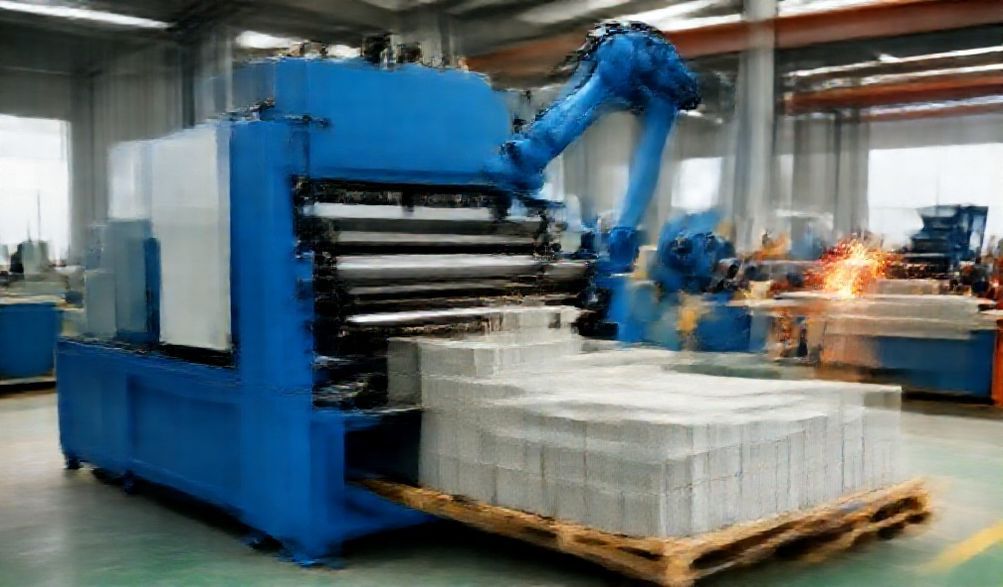
Die Ultieme Gids vir China se Baksteenvervaardigingsmasjienfabrieke: Kwaliteit, Koste en Hoe om te Kies
Die globale konstruksiebedryf loop op bakstene, blokke en plaveisels. Van die bou van huise tot die plaveisel van stede, die vraag na betroubare, hoë-volume baksteenproduksie is konstant. Die kern van hierdie bedryf is die masjiene wat dit alles moontlik maak. Vir besitseienaars, konstruksiemaatskappye en entrepreneurs wêreldwyd lei die verkryging van hierdie kritieke toerusting dikwels na een dominante bestemming: China.
China het sy rol as die wêreld se vervaardigingsentrum vir baksteenmasjinerie verskans, met 'n ongeëwenaarde kombinasie van skaal, tegnologie en waarde. Dit kan egter oorweldigend wees om hierdie uitgestrekte mark te navigeer. Hoe onderskei jy gesiene vervaardigers van die res? Wat is die verborge koste? Hoe verseker jy dat die masjien wat jy koop, perfek geskik is vir jou plaaslike materiale en produksiedoelwitte?
Hierdie omvattende gids is ontwerp om jou betroubare hulpbron te wees. Ons sal die landskap van Chinese baksteenvervaardigingsmasjienfabrieke ontraadsel, die beskikbare tegnologie ondersoek en 'n duidelike, stap-vir-stap raamwerk bied om 'n ingeligte, selfversekerde aankoopbesluit te neem wat by jou projekbehoeftes en begroting pas.
Hoekom China die Wêreldleier in Baksteenvervaardigingsmasjinerie is
China se oorheersing in swaar masjinerievervaardiging is geen toeval nie. Dit is die resultaat van dekades van strategiese ontwikkeling, wat 'n ekosisteem geskep het wat ongelooflik moeilik is om te ewenaar in terme van doeltreffendheid en produksie. Wat baksteenvervaardigingsmasjiene betref, is hierdie leierskap gebou op drie grondslagpilare.
Skaal en Vervaardiging Ekosisteem
China se vervaardigingsmag is gewortel in sy immens, geïntegreerde industriële ekosisteem. Vir baksteenmasjienfabrieke beteken dit direkte toegang tot die hele voorsieningsketting:
- Rou Materiaal:Nabyheid aan grootskaal staalproduksie, gieterye vir gietstukke, en vervaardigers van hidrouliese silinders, pompe en elektriese komponente.
- Gegroepeerde Nywerhede:Verwante bedrywe soos vormvervaardiging, outomatiseringsbeheer en swaarlassweising is dikwels in dieselfde industriële streke geleë, wat produksie stroomlyn en koste verminder.
- Vaardige Arbeidsmagpoel:'n Diep bank van ervare ingenieurs, sweisers en tegnici wat in swaar toerustingmontering gespesialiseer is.
Hierdie vertikale integrasie stel fabrieke in staat om kwaliteit van die grond af te beheer, leweringstye te verminder en skaalvoordele te behaal wat direk tot mededingende voordele vir die koper lei.
Tegnologiese Vooruitgang en Innovasie
Die persepsie van Chinese vervaardiging het dramaties verander. Die bedryf het ver beweeg verby nabootsing na egte innovasie. Vandag se vooraanstaande Chinese fabrieke vervaardig masjiene wat:
- Hoogs Outomaties:Met Programmeerbare Logiese Beheerder (PLB) stelsels met raakskerm-koppelvlakke vir presiese beheer oor druk, vibrasie en siklustye.
- Eco-vriendelik:Spesialiseer in masjiene wat industriële afval soos vliegas, slak en konstruksie-afval gebruik om nie-gebakte, omgewingsvriendelike bakstene te vervaardig.
- Slim en Verbind:Die inkorporeering van IoT (Internet van Dinge) sensors vir afstandmonitering van masjiengesondheid, produksiedata en voorspellende onderhoudsinstellings.
Hierdie fokus op N&O verseker dat kopers toegang het tot moderne, doeltreffende tegnologie wat aan internasionale standaarde voldoen.
Koste-effektiwiteit en Mededingende Pryse
Die kombinasie van skaal, voorsieningskettingdoeltreffendheid en mededingende arbeidsmarkte stel Chinese vervaardigers in staat om buitengewone waarde te bied. Dit is deurslaggewend om te verstaan dat "lae koste" nie inherent "lae kwaliteit" beteken nie. Dit weerspieël eerder:
- Lae oorhoofse en produksiekoste.
- Intense markkompetisie wat innovasie en billike pryse aanvuur.
- Die vermoë om 'n wyer reeks opsies aan te bied, van koste-effektiewe handmasjiene tot premium outomatiese lyne.
Vir die koper beteken dit toegang tot hoër spesifikasies en beter tegnologie vir hul belegging in vergelyking met baie ander bronbestemmings.
Tipes Baksteenvervaardigingsmasjiene in China Vervaardig
Die verskeidenheid masjinerie wat beskikbaar is, is verstommend. Om die hoofkategorieë te verstaan, is die eerste stap om die regte masjien vir jou bedryf te identifiseer.
Volgens Bedryfsmetode
- Handmatige/Semi-outomatiese Masjiene:Ideaal vir kleinskaalse beginondernemings, gemeenskapsprojekte of laebegrotingbedrywighede. Hulle vereis meer arbeid, maar het 'n laer aanvangsbelegging. Perfek vir die vervaardiging van bakstene vir eie gebruik of baie plaaslike markte.
- Ten vol outomatiese Blokvervaardigingsmasjiene:Die werkperde van kommersiële baksteenproduksie. Hierdie lyne integreer outomatiese materiaaltoevoer-, vorm-, uithardings- en paletterugkeerstelsels. Hulle vereis minimale menslike ingryping en kan duisende blokke per skof produseer.
- Mobiele Baksteenvervaardigingsmasjiene:Gemonteer op sleepwaens, is hierdie eenhede ontwerp vir produksie op die terrein, wat vervoerkoste vir voltooide stene uitskakel. Dit is noodsaaklik vir groot, afgeleë konstruksieprojekte soos padbou of damkonstruksie.
Volgens Baksteen Tipe Uitset
- Holblokmasjienvervaardiging:Produseer liggewig, isolerende blokke wat in muurkonstruksie gebruik word. 'n Groot marksegment in China.
- Inmekaargeslote Paweier/Baksteenmasjiene:Produseer pawe klippe en bakstene wat sonder mortel in mekaar sluit, wat gebruik word vir opritte, voetpaaie en landskapbou.
- Soliede Baksteenmasjiene:Vir die vervaardiging van digte, hoësterkte soliede bakstene wat in draende strukture gebruik word.
- Randsteen- en Randsteenvervaardigingsmasjiene:Gespesialiseerde masjiene vir die vervaardiging van betonrandsteene en landskapafskeidings.
Deur Verwerkingstegnologie
- Hidrouliese Druk Baksteen Masjiene:Die mees algemene en veelsydige tipe. Hulle gebruik hoë hidrouliese druk om betonmengsel in vorms saam te pers, wat baie digte en sterk bakstene met uitstekende oppervlakafwerking produseer.
- Vibrasie-Persmasjiene:Word dikwels saam met hidrouliese stelsels gebruik. Hulle gebruik hoëfrekwensievibrasie om materiale soos vliegas of sement saam te pers, wat eweredige digtheid verseker, veral vir holblokke.
- Ekstrusiemasjiene:Hoofsaaklik vir kleibaksteenproduksie. Hulle dwing klei deur 'n vorm om 'n deurlopende kolom te vorm, wat dan met draad in individuele bakstene gesny word voordat dit gebak word.
Sleutelfaktore Wanneer 'n Chinese Vervaardiger Gekies Word
Die keuse van die regte fabriek is belangriker as die keuse van die regte masjienmodel. 'n Betroubare vennoot verseker kwaliteit, diens en langtermyn sukses.
Fabrieksgeloofsbriewe en Ondervinding
Moenie omsigtigheid oorslaan nie. ʼn Wettige fabriek sal deursigtig wees.
* Besigheidslisensie:Versoek 'n afskrif om hul regsentiteitnaam en registrasie te verifieer.
* History: Prefer factories with 10+ years of operation. This indicates stability and accumulated technical know-how.
* Sertifisering: Look for international standards like ISO 9001(Kwaliteitsbestuur) enCE-merking (indicating compliance with EU health, safety, and environmental standards). These are strong indicators of a quality-focused process.
Production Capacity and Quality Control
A factory’s physical operation tells the real story.
* Request a Virtual Tour: A live video call on the factory floor is a standard request. Observe the organization, equipment, and workflow.
* Ask About QC: Inquire about their quality control process. Do they test incoming materials (steel plate, hydraulic parts)? Do they have a pre-delivery testing protocol for every machine?
* Component Brands: Ask which brands they use for critical components like hydraulic systems (e.g., Rexroth, Yuken), PLCs (e.g., Siemens, Mitsubishi), and electrical parts. This speaks volumes about the machine’s longevity.
Machine Specifications and Customization
Move beyond brochure promises to hard specifications.
* Sleutelspesifikasies: Pressure (tonnage), Cycle Time (seconds per block), Output (blocks per 8-hour shift), Power Requirements, and Machine Dimensions.
* Aanpassingsvermoë Can they adapt the machine for your local raw materials (e.g., specific soil composition, aggregate size)? Can they manufacture custom molds for unique brick designs? This flexibility is a sign of engineering expertise.
After-Sales Service and Support
This is the most critical, yet most overlooked, factor.
* Waarborg: What is covered (parts, labor)? For how long (typically 12-24 months)? What is the process for claiming?
* Onderdele: Are parts readily available? Will they provide a recommended spare parts list with your quotation?
* Tegniese Ondersteuning: Do they provide comprehensive English manuals, electrical diagrams, and hydraulic schematics? What is their policy for remote troubleshooting (e.g., via WhatsApp, video call)?
* Installasie & Opleiding: Is on-site guidance included or available at an extra cost? Clarify this voor signing the contract.
Navigating the Sourcing Process: Steps and Best Practices
A structured approach minimizes risk and maximizes the chance of a successful purchase.
Effective Supplier Research and Shortlisting
- B2B Platforms: Start on Alibaba.comofMade-in-China.com. Use filters for “Verified Suppliers,” “Trade Assurance,” and “Assessed Suppliers.” Read buyer reviews critically.
- Beyond Platforms: Search for manufacturers with independent websites. Those investing in a professional online presence often have stronger export experience.
- Create a Shortlist: Compile 5-7 potential suppliers. Do not just go with the first or cheapest quote.
Communication and Quotation Analysis
- Prepare a Detailed RFQ: Include desired brick type, dimensions, daily output, raw material details, and preferred automation level. The more detail you provide, the more accurate the quote.
- Decode the Quote: Understand FOB (Vry aan Boord) vs. CIF (Cost, Insurance, Freight). FOB means the price includes delivery to the Chinese port; you handle shipping and import. CIF includes shipping to your nearest port; you handle import only.
- Identify Hidden Costs: Ask explicitly if the quote includes: Standard molds, a starter kit of spare parts, tool kits, and essential documentation.
The Importance of Sample Inspection and Factory Audit
- Production Sample: For standard bricks, you can order a sample batch produced by the factory to check quality and dimensions.
- Third-Party Inspection: For full machines, hiring an inspection company like SGS, Bureau Veritas, or TÜV to conduct a Pre-Shipment Inspection (PSI) is a wise investment. They will check construction quality, electrical safety, and perform a test run before shipment.
Understanding Logistics, Shipping, and Import Duties
- Verpakking: Ensure the factory uses export-grade, steel-framed wooden crates for sea freight.
- Shipping Agent: It is advisable to use a freight forwarder, either one you source or one recommended by the supplier. They handle customs documentation, booking, and logistics.
- Your Responsibilities: You are typically responsible for clearing the machine through customs in your own country, paying import duties and taxes (VAT/GST). Research these costs with a local agent voor purchasing.
Common Challenges and How to Mitigate Risks
Forewarned is forearmed. Being aware of potential pitfalls is key to avoiding them.
Quality vs. Price Trade-offs
- The Risk: An extremely low price almost always signals a compromise—thinner steel, non-branded hydraulics, poor welding.
- The Mitigation: Focus on Totale Eienaarskyskoste, not just purchase price. A slightly more expensive machine from a reputable builder will have far lower downtime and maintenance costs over 5 years. Request detailed component lists and compare them.
Communication and Language Barriers
- The Risk: Misunderstandings over specifications, payment terms, or service agreements.
- The Mitigation: Use clear, simple English. Communicate all critical details via email to create a written record. Use diagrams, photos, and marked-up PDFs. For complex negotiations, consider a sourcing agent or translator.
Protecting Intellectual Property and Payments
- The Risk: Losing a custom brick design or making an advance payment to an unreliable supplier.
- The Mitigation:
- Payments: Use secure methods. Alibaba Trade AssuranceofEscrow services hold payment until you confirm satisfactory delivery. For large orders, a Letter of Credit (L/C) through your bank is the standard, secure instrument.
- IP Protection: For custom molds or machine designs, have a simple Non-Disclosure Agreement (NDA) signed before sharing detailed technical drawings.
Frequently Asked Questions (FAQ)
Q1: What is the average price range for a brick making machine from China?
A: Prices vary widely from a few thousand USD for a small manual machine to over $100,000 for a fully automated production line. The cost depends on automation level, output capacity, and configuration. Always request detailed quotes based on your specific needs.
Q2: How can I verify the reliability of a Chinese brick machine factory?
A: Check their business license (ask for a copy), years in operation, and client testimonials/videos. Request a virtual factory tour via video call. Verify certifications and ask for contact information of previous international clients for references.
Q3: Do Chinese manufacturers provide installation and training?
A: Reputable manufacturers typically provide detailed operation manuals, video guides, and remote online support. On-site installation and training are usually available but are an additional cost covered by the buyer. Clarify this in the contract.
Q4: What is the typical lead time for production and shipping?
A: Production can take 15-45 days after order confirmation, depending on machine complexity. Sea shipping can add 30-60 days to major global ports. Always factor in total timeline from order to delivery at your site.
Q5: Can machines be adapted to use local raw materials (like soil or fly ash) in my country?
A: Yes, most professional factories can customize the machine’s mixing system and mold pressure settings to suit your locally available materials. You must provide detailed samples or specifications of your raw materials during the inquiry stage.
Conclusion
Sourcing a brick making machine from China presents a significant opportunity to access world-class manufacturing technology at a compelling value. The advantages of scale, innovation, and cost-effectiveness are real and powerful. However, success in this venture is not automatic—it is earned through diligent research, clear and documented communication, and a commitment to partnering with a credible manufacturer.
Use this guide as your roadmap. Look beyond the price tag to evaluate the factory’s credentials, quality processes, and, most importantly, their commitment to after-sales support. By doing so, you transform a complex international purchase into a strategic investment—one that will form the reliable, productive backbone of your construction or brick manufacturing business for years to come. The future of brick making is increasingly automated, sustainable, and smart, and China’s leading factories are at the forefront of this evolution, ready to equip ambitious businesses worldwide.
<