
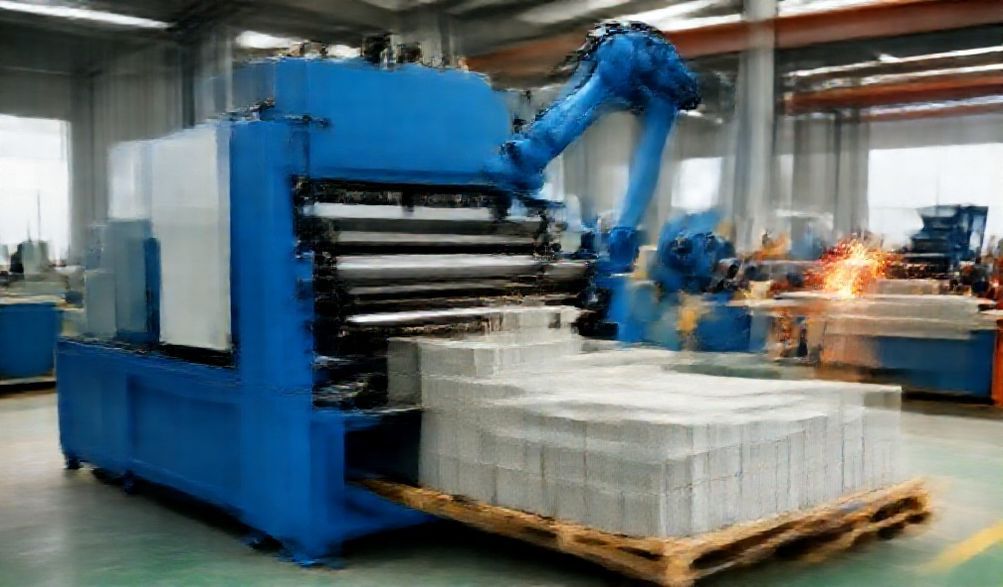
중국 벽돌 제조 기계 공장의 최종 가이드: 품질, 비용 및 선택 방법
세계 건설 산업은 벽돌, 블록, 포장재로 움직입니다. 주택 건설부터 도시 포장까지, 신뢰할 수 있고 대량 생산되는 벽돌에 대한 수요는 끊임이 없습니다. 이 산업의 핵심에는 모든 것을 가능하게 하는 기계들이 있습니다. 전 세계의 사업주, 건설 회사, 기업가들에게 이 중요한 장비를 조달하는 길은 종종 한 가지 주요한 목적지로 이어집니다: 중국입니다.
중국은 벽돌 제작 기계 분야에서 규모, 기술, 가치 측면에서 타의 추종을 불허하는 결합을 제공하며 세계적 제조 허브로서의 입지를 확고히 했습니다. 그러나 이 방대한 시장을 성공적으로 탐색하는 것은 어려울 수 있습니다. 신뢰할 수 있는 제조업체를 어떻게 가려낼 수 있을까요? 숨겨진 비용은 무엇인지? 구매한 기계가 현지 재료와 생산 목표에 완벽하게 부합하도록 어떻게 보장할 수 있을까요?
이 종합 가이드는 신뢰할 수 있는 정보원이 될 것입니다. 중국 벽돌 제조 기계 공장의 현황을 명확히 살펴보고, 제공되는 기술을 탐구하며, 귀하의 프로젝트 요구사항과 예산에 부합하는 정보에 기반한 확신 있는 구매 결정을 내릴 수 있도록 명확하고 단계별 프레임워크를 제공할 것입니다.
중국이 벽돌 제조 기계 분야의 글로벌 리더인 이유
중국의 중장비 제조업 지배력은 우연이 아닙니다. 이는 수십 년간의 전략적 발전의 결과로, 효율성과 생산량 측면에서 따라잡기 어려운 생태계를 구축해왔습니다. 벽돌 제조 기계 분야에서 이러한 리더십은 세 가지 기반 위에 구축되었습니다.
규모와 제조 생태계
중국의 제조업 강점은 방대하고 통합된 산업 생태계에 뿌리를 두고 있습니다. 벽돌 제조 기계 공장의 경우, 이는 전체 공급망에 직접 접근할 수 있음을 의미합니다:
- 원자재광대한 철강 생산, 주조용 주물, 그리고 유압 실린더, 펌프, 전기 부품 제조업체와의 근접성.
- 클러스터 산업:금형 제작, 자동화 제어, 중대형 용접과 같은 관련 산업들은 종종 동일한 산업 지역에 위치하여 생산을 효율화하고 비용을 절감합니다.
- 숙련 노동력 풀경험이 풍부한 엔지니어, 용접공, 중장비 조립 전문 기술자로 구성된 탄탄한 인력 풀을 보유하고 있습니다.
이러한 수직적 통합은 공장이 처음부터 품질을 통제하고, 리드 타임을 단축하며, 구매자에게 직접적인 경쟁 우위로 이어지는 규모의 경제를 달성할 수 있게 합니다.
기술 발전과 혁신
중국 제조업에 대한 인식은 극적으로 변화했습니다. 이 산업은 모방을 훨씬 넘어 진정한 혁신으로 나아갔습니다. 오늘날 선도적인 중국 공장들은 다음과 같은 기계를 생산합니다:
- 고도로 자동화된:터치스크린 인터페이스가 장착된 프로그래머블 로직 컨트롤러(PLC) 시스템을 통해 압력, 진동 및 사이클 시간을 정밀하게 제어할 수 있습니다.
- 친환경:플라이 애시, 슬래그, 건설 폐기물과 같은 산업 폐기물을 활용하여 소성하지 않은 환경 친화적 벽돌을 생산하는 기계를 전문으로 합니다.
- 스마트하고 연결된:IoT(사물인터넷) 센서를 활용하여 기계 상태, 생산 데이터 및 예측 정비 알림을 원격으로 모니터링합니다.
이러한 연구개발에 대한 집중은 구매자들이 국제 기준을 충족하는 현대적이고 효율적인 기술에 접근할 수 있도록 보장합니다.
비용 효율성과 경쟁력 있는 가격 책정
규모, 공급망 효율성, 경쟁력 있는 노동 시장이 결합되어 중국 제조업체들이 탁월한 가치를 제공할 수 있습니다. "저비용"이 반드시 "저품질"을 의미하지 않는다는 점을 이해하는 것이 중요합니다. 오히려 이는 다음과 같은 점을 반영합니다:
- 낮은 간접비와 생산 비용.
- 혁신과 공정한 가격을 이끄는 치열한 시장 경쟁.
- 비용 효율적인 수동 기계에서 프리미엄 자동화 라인에 이르기까지 더 넓은 범위의 옵션을 제공할 수 있는 능력.
구매자에게 이는 다른 많은 조달지와 비교해 투자 대비 더 높은 사양과 더 나운 기술에 접근할 수 있음을 의미합니다.
중국에서 생산되는 벽돌 제조 기계의 종류
사용 가능한 기계의 다양성은 놀랍습니다. 올바른 기계를 식별하기 위한 첫 번째 단계는 주요 범주를 이해하는 것입니다.
운영 방식에 따라
- 수동/반자동 기계:소규모 스타트업, 커뮤니티 프로젝트, 저예산 운영에 이상적입니다. 초기 투자 비용은 낮지만 노동력이 더 많이 필요합니다. 자체 사용이나 매우 지역적인 시장을 위한 벽돌 생산에 완벽합니다.
- 완전 자동 블록 제작 기계:상업적 벽돌 생산의 주역입니다. 이 라인들은 자동 원료 공급, 성형, 양생, 그리고 팔레트 반송 시스템을 통합합니다. 최소한의 인력 개입만 필요하며 교대 근무당 수천 개의 블록을 생산할 수 있습니다.
- 모바일 벽돌 제작 기계:이 유닛들은 트레일러에 장착되어 현장 생산이 가능하도록 설계되어 완성된 벽돌의 운송 비용을 절감합니다. 도로 건설이나 댐 건설과 같은 대규모 원격 건설 프로젝트에 필수적입니다.
벽돌 유형별 출력
- 홀로우 블록 제조 기계:벽체 건설에 사용되는 경량 단열 블록을 생산합니다. 중국에서 거대한 시장 부문을 차지하고 있습니다.
- 인터로킹 포장재/벽돌 제작 기계:모르타르 없이 서로 맞물리는 포장 돌과 벽돌을 생산하여, 진입로, 산책로 및 조경에 사용합니다.
- 솔리드 벽돌 제작 기계:내력 구조에 사용되는 고밀도, 고강도의 고체 벽돌 생산용.
- 연석 및 커브 제작 기계:콘크리트 연석 및 조경석 경계석 생산용 특수 기계.
가공 기술
- 유압식 압축 벽돌 제조기가장 일반적이고 다용도로 사용되는 유형입니다. 고압력 수압을 이용하여 콘크리트 혼합물을 금형에 압축시켜, 매우 밀도가 높고 강도가 뛰어나며 표면 마감이 우수한 벽돌을 생산합니다.
- 진동 프레스 기계:주로 유압 시스템과 함께 사용됩니다. 고주파 진동을 이용하여 플라이 애시나 시멘트 같은 재료를 다져, 특히 중공 블록의 밀도를 균일하게 합니다.
- 압출기:주로 점토 벽돌 생산에 사용됩니다. 점토를 다이를 통해 압출하여 연속적인 기둥 형태로 만든 후, 소성 전에 와이어로 개별 벽돌로 절단합니다.
중국 제조업체 선정 시 주요 고려사항
Choosing the right factory is more important than choosing the right machine model. A reliable partner ensures quality, service, and long-term success.
Factory Credentials and Experience
Do not skip due diligence. A legitimate factory will be transparent.
* Business License: Request a copy to verify their legal entity name and registration.
* History: Prefer factories with 10+ years of operation. This indicates stability and accumulated technical know-how.
* 자격증: Look for international standards like ISO 9001(품질 관리) 그리고CE 마킹 (indicating compliance with EU health, safety, and environmental standards). These are strong indicators of a quality-focused process.
Production Capacity and Quality Control
A factory’s physical operation tells the real story.
* Request a Virtual Tour: A live video call on the factory floor is a standard request. Observe the organization, equipment, and workflow.
* Ask About QC: Inquire about their quality control process. Do they test incoming materials (steel plate, hydraulic parts)? Do they have a pre-delivery testing protocol for every machine?
* Component Brands: Ask which brands they use for critical components like hydraulic systems (e.g., Rexroth, Yuken), PLCs (e.g., Siemens, Mitsubishi), and electrical parts. This speaks volumes about the machine’s longevity.
Machine Specifications and Customization
Move beyond brochure promises to hard specifications.
* 주요 사양: Pressure (tonnage), Cycle Time (seconds per block), Output (blocks per 8-hour shift), Power Requirements, and Machine Dimensions.
* 맞춤 설정 능력: Can they adapt the machine for your local raw materials (e.g., specific soil composition, aggregate size)? Can they manufacture custom molds for unique brick designs? This flexibility is a sign of engineering expertise.
After-Sales Service and Support
This is the most critical, yet most overlooked, factor.
* 보증: What is covered (parts, labor)? For how long (typically 12-24 months)? What is the process for claiming?
* 예비 부품: Are parts readily available? Will they provide a recommended spare parts list with your quotation?
* 기술 지원 Do they provide comprehensive English manuals, electrical diagrams, and hydraulic schematics? What is their policy for remote troubleshooting (e.g., via WhatsApp, video call)?
* 설치 및 교육: Is on-site guidance included or available at an extra cost? Clarify this 이전 signing the contract.
Navigating the Sourcing Process: Steps and Best Practices
A structured approach minimizes risk and maximizes the chance of a successful purchase.
Effective Supplier Research and Shortlisting
- B2B Platforms: Start on Alibaba.com또는Made-in-China.com. Use filters for “Verified Suppliers,” “Trade Assurance,” and “Assessed Suppliers.” Read buyer reviews critically.
- Beyond Platforms: Search for manufacturers with independent websites. Those investing in a professional online presence often have stronger export experience.
- Create a Shortlist: Compile 5-7 potential suppliers. Do not just go with the first or cheapest quote.
Communication and Quotation Analysis
- Prepare a Detailed RFQ: Include desired brick type, dimensions, daily output, raw material details, and preferred automation level. The more detail you provide, the more accurate the quote.
- Decode the Quote: Understand FOB (본선 인도 조건) vs. CIF (Cost, Insurance, Freight). FOB means the price includes delivery to the Chinese port; you handle shipping and import. CIF includes shipping to your nearest port; you handle import only.
- Identify Hidden Costs: Ask explicitly if the quote includes: Standard molds, a starter kit of spare parts, tool kits, and essential documentation.
The Importance of Sample Inspection and Factory Audit
- Production Sample: For standard bricks, you can order a sample batch produced by the factory to check quality and dimensions.
- Third-Party Inspection: For full machines, hiring an inspection company like SGS, Bureau Veritas, or TÜV to conduct a Pre-Shipment Inspection (PSI) is a wise investment. They will check construction quality, electrical safety, and perform a test run before shipment.
Understanding Logistics, Shipping, and Import Duties
- 포장: Ensure the factory uses export-grade, steel-framed wooden crates for sea freight.
- Shipping Agent: It is advisable to use a freight forwarder, either one you source or one recommended by the supplier. They handle customs documentation, booking, and logistics.
- Your Responsibilities: You are typically responsible for clearing the machine through customs in your own country, paying import duties and taxes (VAT/GST). Research these costs with a local agent 이전 purchasing.
Common Challenges and How to Mitigate Risks
Forewarned is forearmed. Being aware of potential pitfalls is key to avoiding them.
Quality vs. Price Trade-offs
- The Risk: An extremely low price almost always signals a compromise—thinner steel, non-branded hydraulics, poor welding.
- The Mitigation: Focus on 총 소유 비용, not just purchase price. A slightly more expensive machine from a reputable builder will have far lower downtime and maintenance costs over 5 years. Request detailed component lists and compare them.
Communication and Language Barriers
- The Risk: Misunderstandings over specifications, payment terms, or service agreements.
- The Mitigation: Use clear, simple English. Communicate all critical details via email to create a written record. Use diagrams, photos, and marked-up PDFs. For complex negotiations, consider a sourcing agent or translator.
Protecting Intellectual Property and Payments
- The Risk: Losing a custom brick design or making an advance payment to an unreliable supplier.
- The Mitigation:
- Payments: Use secure methods. Alibaba Trade Assurance또는Escrow services hold payment until you confirm satisfactory delivery. For large orders, a Letter of Credit (L/C) through your bank is the standard, secure instrument.
- IP Protection: For custom molds or machine designs, have a simple Non-Disclosure Agreement (NDA) signed before sharing detailed technical drawings.
자주 묻는 질문 (FAQ)
Q1: What is the average price range for a brick making machine from China?
A: Prices vary widely from a few thousand USD for a small manual machine to over $100,000 for a fully automated production line. The cost depends on automation level, output capacity, and configuration. Always request detailed quotes based on your specific needs.
Q2: How can I verify the reliability of a Chinese brick machine factory?
A: Check their business license (ask for a copy), years in operation, and client testimonials/videos. Request a virtual factory tour via video call. Verify certifications and ask for contact information of previous international clients for references.
Q3: Do Chinese manufacturers provide installation and training?
A: Reputable manufacturers typically provide detailed operation manuals, video guides, and remote online support. On-site installation and training are usually available but are an additional cost covered by the buyer. Clarify this in the contract.
Q4: What is the typical lead time for production and shipping?
A: Production can take 15-45 days after order confirmation, depending on machine complexity. Sea shipping can add 30-60 days to major global ports. Always factor in total timeline from order to delivery at your site.
Q5: Can machines be adapted to use local raw materials (like soil or fly ash) in my country?
A: Yes, most professional factories can customize the machine’s mixing system and mold pressure settings to suit your locally available materials. You must provide detailed samples or specifications of your raw materials during the inquiry stage.
결론
Sourcing a brick making machine from China presents a significant opportunity to access world-class manufacturing technology at a compelling value. The advantages of scale, innovation, and cost-effectiveness are real and powerful. However, success in this venture is not automatic—it is earned through diligent research, clear and documented communication, and a commitment to partnering with a credible manufacturer.
Use this guide as your roadmap. Look beyond the price tag to evaluate the factory’s credentials, quality processes, and, most importantly, their commitment to after-sales support. By doing so, you transform a complex international purchase into a strategic investment—one that will form the reliable, productive backbone of your construction or brick manufacturing business for years to come. The future of brick making is increasingly automated, sustainable, and smart, and China’s leading factories are at the forefront of this evolution, ready to equip ambitious businesses worldwide.
<