
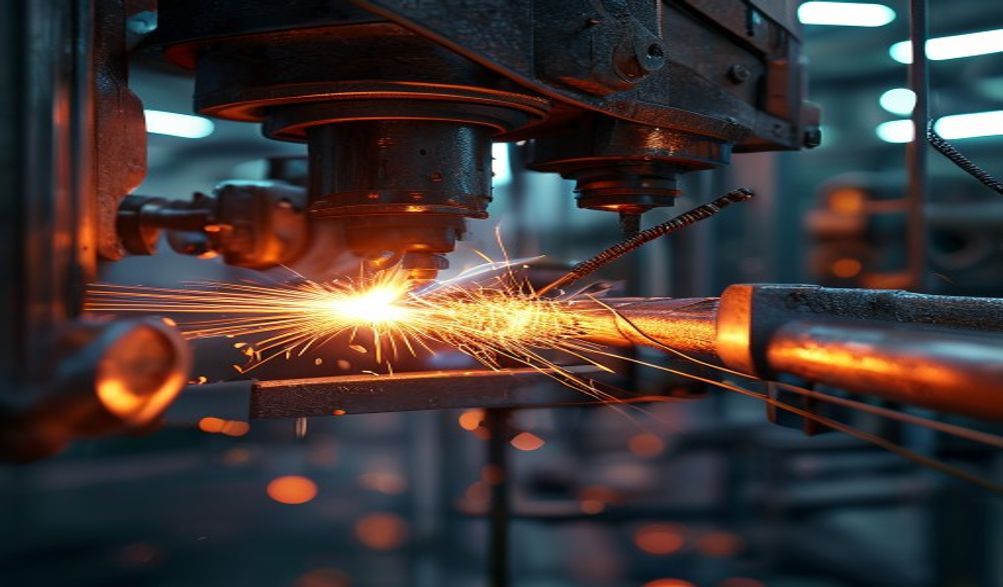
벽돌 제조 기계 선택 방법: 2024년 전문가 구매 가이드
소개
현대 건축 세계에서 벽돌 벽의 견고함은 그 내부에 무엇이 있는지에 달려 있습니다. 브릭 포스, 즉 용접 와이어 메쉬는 조적공사의 보이지 않는 영웅으로, 균열을 방지하고 응력을 분산시키며 장기적인 구조적 안정성을 보장하는 중요한 보강층입니다. 건축 자재 제조업체, 공장 관리자, 그리고 통찰력 있는 계약자에게 브릭 포스 제조 기계에 투자하는 것은 단순한 구매가 아닙니다. 이는 생산 능력, 제품 품질, 그리고 궁극적으로 수익성을 결정하는 전략적 결정입니다.
하지만, 이러한 특수 기계 시장을 탐색하는 것은 위험으로 가득 차 있습니다. 잘못된 기계를 선택하면 기업은 기계 고장, 일관성 없는 생산량, 과도한 유지보수 비용, 위험한 운영 위험의 악순환에 빠질 수 있습니다. 위험은 크고, 전문 용어는 압도적일 수 있습니다.
이 종합 가이드는 복잡함을 뚫고 나가도록 설계되었습니다. 우리는 여러분이 꼭 평가해야 할 핵심적인 기술적, 운영적, 상업적 요소들을 분석함으로써, 궁금증 많은 구매자에서 정보를 갖춘 결정권자로 거듭나게 할 것입니다. 산업 표준, 엔지니어링 사양, 그리고 값진 운영 경험을 종합한 이 자료는 건설 자재 공장 소유주, 구매 담당자, 그리고 생산 미래에 투자할 준비가 된 기업가들에게 신뢰할 수 있고 실천 가능한 조언을 제공합니다.
벽력의 힘과 그 생산 기초 이해하기
기계를 평가하기 전에, 그것이 생산하도록 설계된 제품을 이해해야 합니다. 이 기초 지식은 현명한 구매 결정을 내리는 데 핵심입니다.
브릭 포스(용접 와이어 메시)란 무엇인가요?
벽돌 포스는 교차점에서 용접된 강철 와이어 그리드입니다. 이는 벽돌 코스 사이의 모르타르 베드에 매립되어, 벽의 인장 강도를 크게 향상시키는 보강 복합 구조를 형성합니다.
- 주요 응용 분야:그것의 주요 용도는 캐비티 벽 건설과 석조 보강에 있으며, 내부와 외부 층을 서로 연결하고 균열 확산을 방지하며, 측면 힘에 대한 저항성을 향상시킵니다.
- 표준 사양서:일반적으로 저탄소 강철 와이어로 제조되며, 내식성을 위해 아연 도금 처리되는 경우가 많습니다. 일반적인 와이어 직경은 2.5mm에서 4mm까지이며, 메쉬 크기(와이어 간 거리)는 일반적으로 50mm x 50mm, 75mm x 75mm 또는 100mm x 100mm입니다.
벽돌 제작 압축기의 작동 원리
그 핵심은, 벽돌 강화망 제조기가 코일 형태의 철사를 완성된 메시 패널이나 롤로 변환하는 과정을 자동화한다는 것입니다. 이 공정은 정밀 공학의 경이로움입니다:
- 와이어 급송 및 드로잉:코일 형태의 와이어가 장전되어 기계에 공급됩니다.
- 스트레이트닝와이어는 일련의 롤러를 통과하여 모든 곡률을 제거합니다.
- 포지셔닝 및 용접세로 철선을 일정 간격으로 배치하고 가로 철선을 정확한 간격으로 공급합니다. 각 교차점에서 전기 저항 용접기가 빠르고 강력한 전류를 가해 철선들을 용접으로 연결합니다.
- 자해연속 메쉬는 필요한 길이로 절단됩니다.
- 스태킹/코일링완성된 메쉬 패널은 자동으로 쌓이거나, 롤 생산을 위해 메쉬가 코일 형태로 감겨집니다.
기계의 궁극적인 가치는 이러한 단계들을 자동으로, 고속으로, 반복 가능하게, 그리고 최소한의 수동 개입으로 수행하는 데 있습니다.
주요 기계 사양 및 기술 평가 (핵심 체크리스트)
이것이 비교의 핵심입니다. 공급업체 브로셔와 견적서를 검토할 때 이 체크리스트를 준비하세요.
생산 능력 및 속도
산출량은 일반적으로 시간당 평방미터로 측정됩니다. 이 수치는 고정되어 있지 않으며, 주로 제품 구성에 크게 좌우됩니다.
- 트레이드오프:기계는 작은 와이어(예: 2.5mm)와 큰 메시 간격을 가진 메시를 두꺼운 와이어(예: 4mm)를 가진 조밀한 메시보다 훨씬 빠르게 생산할 것입니다.
- 수요 맞춤형현재 및 예상 주문을 비판적으로 분석하십시오. 과대 규모의 장비는 자본을 잠식하며 낮은 가동률로 비효율적으로 운영됩니다. 반면 과소 규모의 장비는 생산 병목 현상을 일으켜 수요를 충족하지 못하고 성장을 저해합니다. 현실적인 3-5년 비즈니스 예측에 부합하는 모델을 선택하세요.
와이어 직경 및 메쉬 크기 범위
다용성은 핵심 자산입니다. 당신의 기계는 계획된 전체 제품 카탈로그를 수용할 수 있어야 합니다.
- 와이어 게이지 범위:기계는 2.0mm에서 5.0mm까지의 와이어를 처리할 수 있습니다. 사용하려는 모든 직경을 커버하는지 확인하세요. 기계를 절대적인 최소 또는 최대 한계까지 밀어붙이면 성능과 마모에 영향을 줄 수 있습니다.
- 메시 조절 가능성:기계는 세로 철선 간격(망 폭)과 가로 철선 간격(망 길이) 모두 쉽게 조정할 수 있어야 합니다. 조정 메커니즘이 수동으로 시간이 많이 걸리는 방식인지, 아니면 PLC를 통한 빠른 디지털 조정 방식인지 확인하세요.
용접 기술과 동력
The weld point is the soul of the product. A weak weld renders the mesh useless.
- Resistance Welding: This is the standard. It works by passing a high current through the wires at the intersection, generating heat through electrical resistance and creating a fusion weld.
- Transformer Power (kVA): A more powerful transformer (e.g., 150 kVA vs. 90 kVA) can generate stronger welds, handle thicker wires, and potentially weld faster. It also impacts your factory’s electrical load. Don’t just compare numbers; ask for weld shear strength test data.
Automation Level and Control System
This is a major differentiator between basic and advanced machines.
- 반자동 vs 완전자동: Semi-auto models may require manual wire feeding or output handling. Fully automatic lines manage everything from coil loading to stacking with minimal operator input.
- The PLC Advantage: A Programmable Logic Controller (PLC) is the machine’s brain. It ensures precision, stores recipes for different mesh sizes, provides diagnostic fault codes, and simplifies operation.
- 인간-기계 인터페이스 (HMI) The touchscreen should be intuitive, logically organized, and display clear information. A confusing interface leads to operator error and downtime.
Critical Factors Beyond the Spec Sheet
These experience-driven insights separate a good purchase from a great one. They determine your daily operational reality for the next decade.
Build Quality and Core Components
The spec sheet might list “welding transformer,” but not its brand or expected lifespan. Dig deeper.
- 프레임 및 구조 The frame must be heavy-duty steel to withstand constant vibration. A flimsy frame will lead to alignment issues and poor weld quality.
- 중요 구성 요소: Inquire about the brands of the core parts:
- Welding Transformer & Controller: Reputable brands ensure stability.
- Wire Straightening Blocks: High-quality, hardened steel blocks last longer and maintain precision.
- 서보 모터: For feeding and cutting, precision servos are superior to standard stepper motors.
- 커팅 시스템: Are the blades durable and easy to replace?
Manufacturer Reputation and Support (A Pillar of Trustworthiness)
You are not just buying a machine; you are entering a long-term partnership with the supplier.
- Research: How long have they been in business? Can they provide a list of client references (preferably in your region)? Do they have a track record of successful installations?
- After-Sales Service (Non-Negotiable): This is your insurance policy. What does their service package include?
- On-site installation and commissioning?
- Comprehensive operator and maintenance training?
- Availability of a local service engineer or a guaranteed response time?
- A clear warranty (e.g., 1 year on the whole machine, 2 years on the transformer)?
- 예비 부품: Is there a readily available spare parts inventory? What are the lead times and costs for common wear parts like electrodes and straightening dies?
Safety Features and Compliance
A safe machine is a well-designed machine. Never compromise here.
- Essential Features: Look for full perimeter safety guarding with interlocked gates (machine stops if a gate is opened), emergency stop buttons at multiple points, proper electrical enclosures, and clear safety signage.
- 자격증: For many markets, CE certification (or its local equivalent) is mandatory. It indicates the machine meets essential health, safety, and environmental protection requirements.
Financial and Operational Considerations
Ground your technical excitement in cold, hard business reality.
Total Cost of Ownership (TCO) Analysis
The purchase price is just the entry ticket. The real cost unfolds over years.
| Cost Factor | Details & Questions to Ask |
| :— | :— |
| Purchase Price | The initial invoice cost. |
| Installation & Commissioning | Is it included? If not, what are the estimated costs? |
| Training | Is operator and maintenance training provided on-site? |
| Energy Consumption | What is the machine’s average power draw (kWh)? This is a major recurring cost. |
| Routine Maintenance | Cost of lubricants, cleaning supplies, and routine parts. |
| Spare Parts | Get a price list for high-wear items. |
| Potential Downtime | The hidden killer. A cheaper, unreliable machine can cost more in lost production than a premium model. |
Space, Power, and Utility Requirements
Ensure your facility is ready.
- Floor Space: Account for the machine’s footprint 플러스 space for material handling (wire coil storage, finished mesh staging, and access for maintenance).
- Utilities: Confirm the required electrical supply (e.g., 380V, 3-phase, 50Hz). Many machines also require a clean, dry compressed air supply for pneumatic components. Verify the required pressure and flow rate.
The Supplier Selection and Procurement Process
Follow a disciplined process to mitigate risk.
- Research & Shortlist: Use this guide to identify your needs, then find 3-5 reputable suppliers that match your criteria.
- Request for Quotation (RFQ): Send a detailed RFQ specifying your required wire range, mesh sizes, desired automation level, and output targets.
- Evaluate Quotes: Compare not just price, but the completeness of the offering. Scrutinize the specifications and the included service package.
- Check References: Contact the provided clients. Ask about machine reliability, product quality, and the supplier’s support responsiveness.
- The Crucial Step: Request a Demonstration. Insist on a live video demo producing mesh with your specified wire diameter. Observe the changeover process, the finished product quality, and the machine’s operation.
- Negotiate: Finalize price, payment terms (e.g., 30% deposit, 70% before shipment), delivery timeline, and the exact scope of after-sales support.
자주 묻는 질문 (FAQ)
Q1: What is the average price range for a brick force making machine?
A: Prices vary dramatically based on automation and capacity. A basic semi-automatic machine may start around $20,000 – $30,000. A mid-range, fully automatic PLC-controlled model typically falls between $50,000 – $80,000. High-speed, heavy-duty production lines can exceed $100,000. Always base your budget on detailed quotes for your specific requirements.
Q2: Can one machine produce different sizes of mesh?
A: Yes, adjustability is a standard feature. However, the ease and speed of changeover differ. On advanced machines, changing the mesh size can be a matter of selecting a stored program on the PLC. On simpler models, it may require manual adjustment of spacing guides, which takes more time and skill.
Q3: How many operators are needed to run the machine?
A: For a fully automatic line, one primary operator is often sufficient to load wire coils, monitor the control panel, and manage the output stacker. Semi-automatic models may require 2-3 people for manual feeding and handling of the finished mesh.
Q4: What are the most common maintenance tasks?
A: Daily and weekly maintenance is crucial:
* Cleaning welding electrodes to remove oxide buildup.
* Checking and adjusting wire feeders and straighteners.
* Lubricating all moving parts as per the manual.
* Inspecting electrical connections for tightness.
* Keeping the machine free of dust and debris.
Q5: How do I ensure the machine meets my local quality standards?
A: First, the machine must be capable of processing the correct grade of wire (e.g., to meet BS EN 845-3 or ASTM A951). The most definitive step is to produce samples on your shortlisted machine during a demo and submit them to an accredited construction materials laboratory for tensile and shear strength testing.
결론
Choosing the right brick force making machine is a multidimensional decision. It requires balancing hard technical specifications—like production capacity and wire range—with softer, yet vital, factors like build quality, manufacturer reputation, and the true total cost of ownership.
Our final, strongest recommendation is this: prioritize reliable after-sales service and proven machine durability over the absolute lowest purchase price. In production, downtime is your greatest enemy. A slightly higher initial investment in a robust machine from a supportive supplier will pay for itself many times over in consistent output, lower maintenance costs, and long-term peace of mind.
Use this guide as your definitive checklist. Your logical next step is to engage with shortlisted suppliers, request those detailed quotations, and—most importantly—schedule a demonstration. By investing time in this informed selection process, you are not just buying a machine; you are securing a profitable and reliable asset that will fortify your business for years to come.
<