
วิธีเลือกเครื่องอัดแรงดันอิฐ: คู่มือผู้ซื้อจากผู้เชี่ยวชาญปี 2024
บทนำ
ในโลกของการก่อสร้างสมัยใหม่ ความมั่นคงของผนังอิฐขึ้นอยู่กับสิ่งที่อยู่ภายใน ตัวเสริมแรงอิฐ หรือตาข่ายลวดเชื่อม คือฮีโร่ที่มองไม่เห็นของงานก่ออิฐ — เป็นชั้นเสริมกำลังที่สำคัญซึ่งต่อสู้กับการแตกร้าว กระจายแรงกดดัน และรับประกันความมั่นคงของโครงสร้างในระยะยาว สำหรับผู้ผลิตวัสดุก่อสร้าง ผู้จัดการโรงงาน และผู้รับเหมาผู้ชาญฉลาด การลงทุนในเครื่องทำตัวเสริมแรงอิฐไม่ใช่แค่การซื้อ แต่เป็นการตัดสินใจเชิงกลยุทธ์ที่กำหนดขีดความสามารถในการผลิต คุณภาพผลิตภัณฑ์ และท้ายที่สุดคือความสามารถในการทำกำไรของคุณ
อย่างไรก็ตาม การเดินเรือในตลาดสำหรับเครื่องจักรเฉพาะทางนี้เต็มไปด้วยความเสี่ยง การเลือกเครื่องจักรที่ไม่เหมาะสมสามารถขังธุรกิจของคุณไว้ในวงจรของความเสียหายทางกล, ผลผลิตที่ไม่สม่ำเสมอ, ค่าบำรุงรักษาที่สูงลิ่ว, และอันตรายในการดำเนินงานที่เสี่ยงภัยได้ เงินเดิมพันนั้นสูง และศัพท์เทคนิคก็สามารถทำให้ท่วมท้นได้
คู่มือฉบับสมบูรณ์นี้ถูกออกแบบมาเพื่อเจาะลึกความซับซ้อน เราจะเปลี่ยนคุณจากผู้ซื้อที่สงสัยใคร่รู้ให้กลายเป็นผู้ตัดสินใจที่มีข้อมูล ด้วยการวิเคราะห์ปัจจัยทางเทคนิค การดำเนินงาน และเชิงพาณิชย์ที่สำคัญที่คุณต้องประเมิน โดยการรวบรวมมาตรฐานอุตสาหกรรม ข้อกำหนดทางวิศวกรรม และประสบการณ์การดำเนินงานที่ได้มาจากการลงมือปฏิบัติจริง แหล่งข้อมูลนี้ให้คำแนะนำที่น่าเชื่อถือและปฏิบัติได้จริงสำหรับเจ้าของโรงงานวัสดุก่อสร้าง เจ้าหน้าที่จัดซื้อ และผู้ประกอบการที่พร้อมลงทุนเพื่ออนาคตการผลิตของตน
การทำความเข้าใจแรงดันอิฐและพื้นฐานการผลิต
ก่อนจะประเมินเครื่องจักร คุณต้องเข้าใจผลิตภัณฑ์ที่พวกมันถูกสร้างขึ้นเพื่อผลิต ความรู้อันเป็นพื้นฐานนี้คือกุญแจสำคัญในการตัดสินใจซื้ออย่างชาญฉลาด
บริดฟอร์ซ (ลวดตาข่ายเชื่อม) คืออะไร
อิฐฟอร์ซคือโครงตาข่ายลวดเหล็กที่เชื่อมประสานกันที่จุดตัด ถูกฝังอยู่ในชั้นปูนระหว่างแนวอิฐ สร้างเป็นโครงสร้างคอมโพสิตเสริมแรงซึ่งเพิ่มความแข็งแรงด้านแรงดึงของผนังได้อย่างมีนัยสำคัญ
- การใช้งานหลัก:การใช้งานหลักคือในโครงสร้างผนังโพรงและการเสริมแรงงานก่ออิฐ ซึ่งมันเชื่อมโยงชั้นในและชั้นนอกเข้าด้วยกัน ป้องกันการแพร่กระจายของรอยร้าว และเพิ่มความต้านทานต่อแรงด้านข้าง
- ข้อกำหนดมาตรฐาน:โดยทั่วไปแล้วจะผลิตจากลวดเหล็กอ่อน มักชุบสังกะสีเพื่อป้องกันการกัดกร่อน เส้นผ่านศูนย์กลางลวดทั่วไปอยู่ที่ 2.5 มม. ถึง 4 มม. โดยขนาดตาข่าย (ระยะห่างระหว่างลวด) โดยทั่วไปคือ 50 มม. x 50 มม., 75 มม. x 75 มม. หรือ 100 มม. x 100 มม.
เครื่องจักรผลิตอิฐทำงานอย่างไร
ที่แก่นแท้แล้ว เครื่องจักรผลิตตาข่ายเหล็กจะทำงานอัตโนมัติในการเปลี่ยนลวดม้วนให้กลายเป็นแผงหรือม้วนตาข่ายสำเร็จรูป กระบวนการนี้เป็นสิ่งมหัศจรรย์ทางวิศวกรรมแม่นยำ:
- การป้อนและดึงลวดขดลวดถูกบรรจุและป้อนเข้าสู่เครื่องจักร
- ยืดผมลวดผ่านชุดของลูกกลิ้งเพื่อขจัดความโค้งงอใดๆ
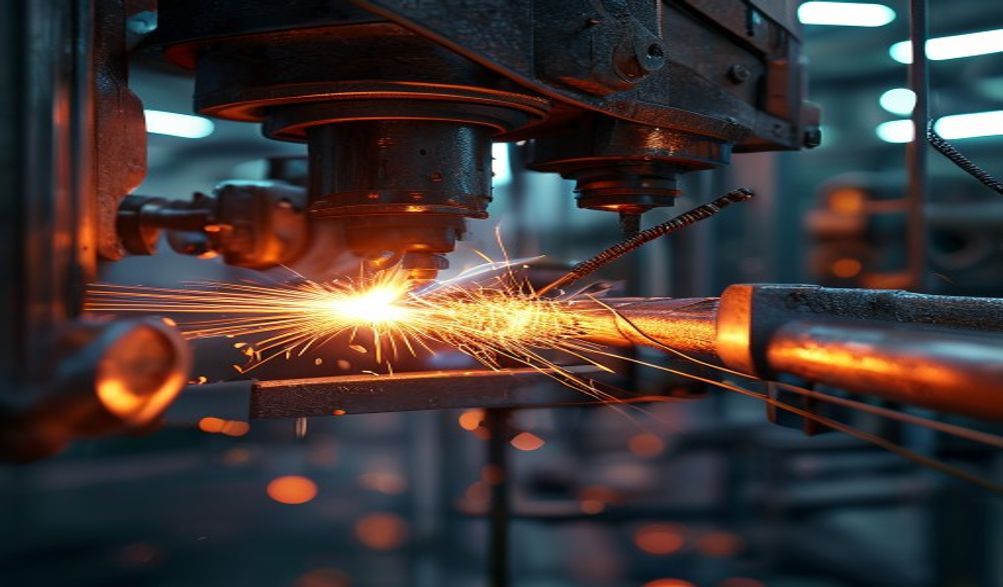
- การจัดตำแหน่งและการเชื่อมลวดตามแนวยาวถูกจัดวางเป็นระยะ และลวดตามแนวขวางถูกป้อนเข้ามาในช่วงเวลาที่แม่นยำ ที่แต่ละจุดตัด เครื่องเชื่อมแบบความต้านทานไฟฟ้าจะส่งกระแสไฟฟ้าที่รวดเร็วและทรงพลัง เพื่อหลอมลวดให้เชื่อมติดกัน
- ตัด:ตาข่ายต่อเนื่องถูกตัดให้ได้ความยาวที่ต้องการ
- การซ้อน/การม้วนแผงตาข่ายที่เสร็จแล้วจะถูกจัดเรียงซ้อนกันโดยอัตโนมัติ หรือม้วนตาข่ายเพื่อการผลิตแบบม้วน
คุณค่าสุดท้ายของเครื่องจักรอยู่ที่การดำเนินขั้นตอนเหล่านี้โดยอัตโนมัติ ด้วยความเร็วสูง ความสามารถในการทำซ้ำ และการแทรกแซงด้วยมือน้อยที่สุด
ข้อมูลจำเพาะหลักของเครื่องจักรและการประเมินทางเทคนิค (รายการตรวจสอบหลัก)
นี่คือหัวใจสำคัญของการเปรียบเทียบของคุณ จงเตรียมพร้อมด้วยรายการตรวจสอบนี้เมื่อทบทวนโบรชัวร์และใบเสนอราคาของซัพพลายเออร์
กำลังการผลิตและความเร็ว
ผลผลิตมักวัดเป็นตารางเมตรต่อชั่วโมง ตัวเลขนี้ไม่คงที่ ขึ้นอยู่กับส่วนผสมของผลิตภัณฑ์ของคุณอย่างมาก
- การแลกเปลี่ยน:เครื่องจักรจะผลิตตาข่ายที่มีลวดขนาดเล็ก (เช่น 2.5 มม.) และระยะห่างของตาข่ายที่กว้างกว่าได้เร็วกว่าตาข่ายหนาแน่นที่มีลวดหนา (เช่น 4 มม.)
- การจับคู่ความต้องการ Critically analyze your current and projected orders. An oversized machine drains capital and operates inefficiently at low utilization. An undersized machine becomes a production bottleneck, failing to meet demand and stunting growth. Choose a model that aligns with your realistic 3-5 year business forecast.
Wire Diameter and Mesh Size Range
Versatility is a key asset. Your machine should accommodate your entire planned product catalog.
- Wire Gauge Range: A machine might handle 2.0mm – 5.0mm wire. Ensure it covers all the diameters you intend to use. Pushing a machine to its absolute minimum or maximum can affect performance and wear.
- Mesh Adjustability: The machine must allow easy adjustment of both the longitudinal wire spacing (mesh width) and the transverse wire spacing (mesh length). Check the adjustment mechanism—is it a manual, time-consuming process, or a quick digital adjustment via a PLC?
Welding Technology and Power
The weld point is the soul of the product. A weak weld renders the mesh useless.
- Resistance Welding: This is the standard. It works by passing a high current through the wires at the intersection, generating heat through electrical resistance and creating a fusion weld.
- Transformer Power (kVA): A more powerful transformer (e.g., 150 kVA vs. 90 kVA) can generate stronger welds, handle thicker wires, and potentially weld faster. It also impacts your factory’s electrical load. Don’t just compare numbers; ask for weld shear strength test data.
Automation Level and Control System
This is a major differentiator between basic and advanced machines.
- กึ่งอัตโนมัติเทียบกับอัตโนมัติเต็มรูปแบบ: Semi-auto models may require manual wire feeding or output handling. Fully automatic lines manage everything from coil loading to stacking with minimal operator input.
- The PLC Advantage: A Programmable Logic Controller (PLC) is the machine’s brain. It ensures precision, stores recipes for different mesh sizes, provides diagnostic fault codes, and simplifies operation.
- Human-Machine Interface (HMI): The touchscreen should be intuitive, logically organized, and display clear information. A confusing interface leads to operator error and downtime.
Critical Factors Beyond the Spec Sheet
These experience-driven insights separate a good purchase from a great one. They determine your daily operational reality for the next decade.
Build Quality and Core Components
The spec sheet might list “welding transformer,” but not its brand or expected lifespan. Dig deeper.
- Frame & Construction: The frame must be heavy-duty steel to withstand constant vibration. A flimsy frame will lead to alignment issues and poor weld quality.
- Critical Components: Inquire about the brands of the core parts:
- Welding Transformer & Controller: Reputable brands ensure stability.
- Wire Straightening Blocks: High-quality, hardened steel blocks last longer and maintain precision.
- Servo Motors: For feeding and cutting, precision servos are superior to standard stepper motors.
- Cutting System: Are the blades durable and easy to replace?
Manufacturer Reputation and Support (A Pillar of Trustworthiness)
You are not just buying a machine; you are entering a long-term partnership with the supplier.
- Research: How long have they been in business? Can they provide a list of client references (preferably in your region)? Do they have a track record of successful installations?
- After-Sales Service (Non-Negotiable): This is your insurance policy. What does their service package include?
- On-site installation and commissioning?
- Comprehensive operator and maintenance training?
- Availability of a local service engineer or a guaranteed response time?
- A clear warranty (e.g., 1 year on the whole machine, 2 years on the transformer)?
- อะไหล่: Is there a readily available spare parts inventory? What are the lead times and costs for common wear parts like electrodes and straightening dies?
Safety Features and Compliance
A safe machine is a well-designed machine. Never compromise here.
- Essential Features: Look for full perimeter safety guarding with interlocked gates (machine stops if a gate is opened), emergency stop buttons at multiple points, proper electrical enclosures, and clear safety signage.
- การรับรอง: For many markets, CE certification (or its local equivalent) is mandatory. It indicates the machine meets essential health, safety, and environmental protection requirements.
Financial and Operational Considerations
Ground your technical excitement in cold, hard business reality.
Total Cost of Ownership (TCO) Analysis
The purchase price is just the entry ticket. The real cost unfolds over years.
| Cost Factor | Details & Questions to Ask |
| :— | :— |
| Purchase Price | The initial invoice cost. |
| Installation & Commissioning | Is it included? If not, what are the estimated costs? |
| Training | Is operator and maintenance training provided on-site? |
| Energy Consumption | What is the machine’s average power draw (kWh)? This is a major recurring cost. |
| Routine Maintenance | Cost of lubricants, cleaning supplies, and routine parts. |
| Spare Parts | Get a price list for high-wear items. |
| Potential Downtime | The hidden killer. A cheaper, unreliable machine can cost more in lost production than a premium model. |
Space, Power, and Utility Requirements
Ensure your facility is ready.
- Floor Space: Account for the machine’s footprint plus space for material handling (wire coil storage, finished mesh staging, and access for maintenance).
- Utilities: Confirm the required electrical supply (e.g., 380V, 3-phase, 50Hz). Many machines also require a clean, dry compressed air supply for pneumatic components. Verify the required pressure and flow rate.
The Supplier Selection and Procurement Process
Follow a disciplined process to mitigate risk.
- Research & Shortlist: Use this guide to identify your needs, then find 3-5 reputable suppliers that match your criteria.
- Request for Quotation (RFQ): Send a detailed RFQ specifying your required wire range, mesh sizes, desired automation level, and output targets.
- Evaluate Quotes: Compare not just price, but the completeness of the offering. Scrutinize the specifications and the included service package.
- Check References: Contact the provided clients. Ask about machine reliability, product quality, and the supplier’s support responsiveness.
- The Crucial Step: Request a Demonstration. Insist on a live video demo producing mesh with your specified wire diameter. Observe the changeover process, the finished product quality, and the machine’s operation.
- Negotiate: Finalize price, payment terms (e.g., 30% deposit, 70% before shipment), delivery timeline, and the exact scope of after-sales support.
คำถามที่พบบ่อย (FAQ)
Q1: What is the average price range for a brick force making machine?
ก Prices vary dramatically based on automation and capacity. A basic semi-automatic machine may start around $20,000 – $30,000. A mid-range, fully automatic PLC-controlled model typically falls between $50,000 – $80,000. High-speed, heavy-duty production lines can exceed $100,000. Always base your budget on detailed quotes for your specific requirements.
Q2: Can one machine produce different sizes of mesh?
ก Yes, adjustability is a standard feature. However, the ease and speed of changeover differ. On advanced machines, changing the mesh size can be a matter of selecting a stored program on the PLC. On simpler models, it may require manual adjustment of spacing guides, which takes more time and skill.
Q3: How many operators are needed to run the machine?
ก For a fully automatic line, one primary operator is often sufficient to load wire coils, monitor the control panel, and manage the output stacker. Semi-automatic models may require 2-3 people for manual feeding and handling of the finished mesh.
Q4: What are the most common maintenance tasks?
ก Daily and weekly maintenance is crucial:
* Cleaning welding electrodes to remove oxide buildup.
* Checking and adjusting wire feeders and straighteners.
* Lubricating all moving parts as per the manual.
* Inspecting electrical connections for tightness.
* Keeping the machine free of dust and debris.
Q5: How do I ensure the machine meets my local quality standards?
ก First, the machine must be capable of processing the correct grade of wire (e.g., to meet BS EN 845-3 or ASTM A951). The most definitive step is to produce samples on your shortlisted machine during a demo and submit them to an accredited construction materials laboratory for tensile and shear strength testing.
สรุป
Choosing the right brick force making machine is a multidimensional decision. It requires balancing hard technical specifications—like production capacity and wire range—with softer, yet vital, factors like build quality, manufacturer reputation, and the true total cost of ownership.
Our final, strongest recommendation is this: prioritize reliable after-sales service and proven machine durability over the absolute lowest purchase price. In production, downtime is your greatest enemy. A slightly higher initial investment in a robust machine from a supportive supplier will pay for itself many times over in consistent output, lower maintenance costs, and long-term peace of mind.
Use this guide as your definitive checklist. Your logical next step is to engage with shortlisted suppliers, request those detailed quotations, and—most importantly—schedule a demonstration. By investing time in this informed selection process, you are not just buying a machine; you are securing a profitable and reliable asset that will fortify your business for years to come.
<