
Cách Chọn Máy Ép Gạch: Hướng Dẫn Mua Hàng Chuyên Gia 2024
Giới thiệu
Trong thế giới xây dựng hiện đại, độ vững chắc của một bức tường gạch phụ thuộc vào những gì ẩn bên trong. Lưới thép gia cố gạch (brick force), hay lưới thép hàn, là anh hùng thầm lặng của công tác xây gạch - một lớp gia cố quan trọng chống nứt vỡ, phân bổ ứng lực và đảm bảo độ ổn định kết cấu lâu dài. Đối với các nhà sản xuất vật liệu xây dựng, quản lý nhà máy và nhà thầu thông thạo, đầu tư vào máy sản xuất lưới thép gia cố gạch không chỉ là một giao dịch mua bán; đó là quyết định chiến lược định hình năng lực sản xuất, chất lượng sản phẩm và cuối cùng là lợi nhuận của bạn.
Tuy nhiên, việc tìm hiểu thị trường cho loại máy móc chuyên dụng này đầy rủi ro. Lựa chọn sai máy có thể khiến doanh nghiệp của bạn sa vào vòng luẩn quẩn của hỏng hóc cơ khí, sản lượng không ổn định, chi phí bảo trì cao ngất và những mối nguy hiểm vận hành đáng lo ngại. Mức độ rủi ro rất lớn, và những thuật ngữ kỹ thuật có thể khiến bạn choáng ngợp.
Hướng dẫn toàn diện này được thiết kế để xuyên thấu mọi phức tạp. Chúng tôi sẽ chuyển hóa bạn từ một người mua hàng tò mò thành một nhà ra quyết định sáng suốt, bằng cách phân tích các yếu tố kỹ thuật, vận hành và thương mại thiết yếu mà bạn phải đánh giá. Tổng hợp các tiêu chuẩn ngành, thông số kỹ thuật và kinh nghiệm vận hành quý giá, nguồn tài liệu này cung cấp lời khuyên đáng tin cậy và có thể áp dụng ngay cho chủ nhà máy vật liệu xây dựng, cán bộ thu mua và doanh nhân sẵn sàng đầu tư cho tương lai sản xuất của mình.
Hiểu về Lực Gạch và Cơ Bản về Sản Xuất
Trước khi đánh giá máy móc, bạn phải hiểu sản phẩm mà chúng được chế tạo để tạo ra. Kiến thức nền tảng này là chìa khóa để thực hiện một giao dịch mua sắm thông minh.
Brick Force (Lưới Thép Hàn) là gì?
Lực gạch là một lưới các dây thép được hàn tại các giao điểm của chúng. Nó được nhúng vào lớp vữa giữa các hàng gạch, tạo ra một cấu trúc composite gia cố giúp tăng cường đáng kể độ bền kéo của bức tường.
- Ứng dụng chính:Công dụng chính của nó là trong xây dựng tường rỗng và gia cố khối xây, nơi nó liên kết các lớp bên trong và bên ngoài với nhau, ngăn ngừa sự lan rộng của vết nứt và cải thiện khả năng chịu lực ngang.
- Tiêu chuẩn kỹ thuật:Nó thường được sản xuất từ dây thép mềm, thường được mạ kẽm để chống ăn mòn. Đường kính dây phổ biến dao động từ 2,5mm đến 4mm, với kích thước mắt lưới (khoảng cách giữa các dây) thường là 50mm x 50mm, 75mm x 75mm hoặc 100mm x 100mm.
Cách Máy Ép Gạch Hoạt Động
Về cốt lõi, máy ép gạch tự động hóa quá trình biến dây cuộn thành các tấm lưới hoặc cuộn lưới hoàn chỉnh. Quy trình này là một kỳ quan của kỹ thuật chính xác:
- Cấp dây và kéo dây:Các cuộn dây được tải và đưa vào máy.
- Duỗi thẳng:Sợi dây đi qua một loạt con lăn để loại bỏ mọi độ cong.
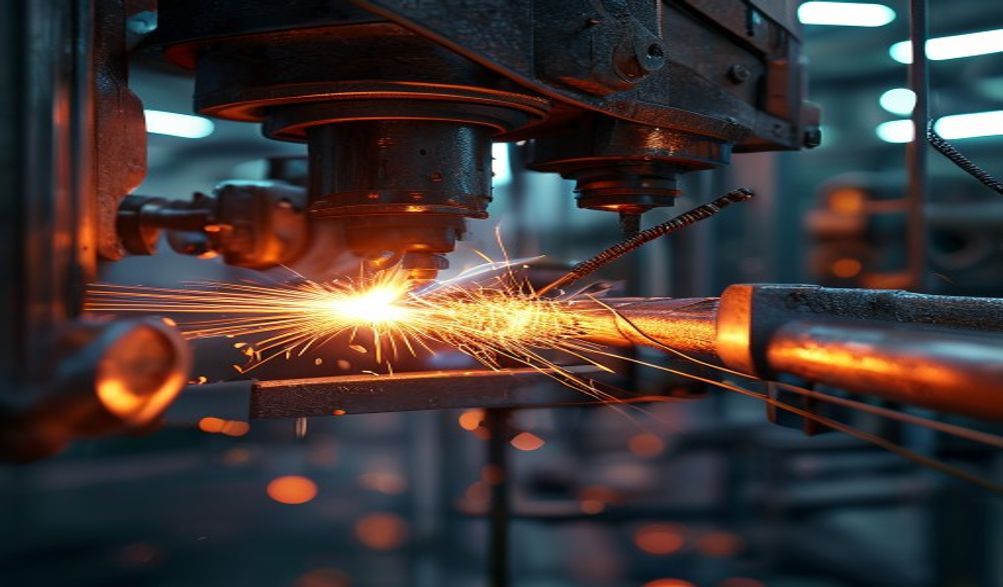
- Định vị & HànCác sợi dây dọc được đặt cách đều nhau, và các sợi dây ngang được đưa vào ở những khoảng thời gian chính xác. Tại mỗi giao điểm, một máy hàn điện trở truyền một dòng điện nhanh, mạnh mẽ, làm nóng chảy và liên kết các sợi dây lại với nhau.
- Cắt:Mạng lưới liên tục được cắt theo chiều dài yêu cầu.
- Xếp chồng/Cuộn tròn:Các tấm lưới hoàn thiện được tự động xếp chồng lên nhau, hoặc lưới được cuộn lại để sản xuất dạng cuộn.
Giá trị tối thượng của máy móc nằm ở khả năng thực hiện các bước này một cách tự động, với tốc độ cao, tính lặp lại và sự can thiệp thủ công tối thiểu.
Thông số kỹ thuật chính và Đánh giá kỹ thuật máy móc (Danh sách kiểm tra cốt lõi)
Đây là cốt lõi của sự so sánh của bạn. Hãy trang bị cho mình danh sách kiểm tra này khi xem xét các tài liệu giới thiệu và báo giá của nhà cung cấp.
Năng lực sản xuất & Tốc độ
Sản lượng thường được đo bằng mét vuông mỗi giờ. Con số này không cố định; nó phụ thuộc nhiều vào hỗn hợp sản phẩm của bạn.
- Sự Đánh Đổi:Một máy sẽ sản xuất lưới với dây nhỏ hơn (ví dụ: 2.5mm) và khoảng cách mắt lưới lớn hơn nhanh hơn nhiều so với lưới dày đặc với dây dày (ví dụ: 4mm).
- Khớp CầuPhân tích kỹ lưỡng các đơn đặt hàng hiện tại và dự báo. Một máy móc quá cỡ sẽ làm hao hụt vốn và vận hành kém hiệu quả khi tỷ lệ sử dụng thấp. Ngược lại, một máy móc công suất nhỏ sẽ trở thành nút thắt sản xuất, không đáp ứng được nhu cầu và kìm hãm tăng trưởng. Hãy lựa chọn mô hình phù hợp với dự báo kinh doanh thực tế trong 3-5 năm tới của bạn.
Đường Kính Dây và Phạm Vi Kích Thước Mắt Lưới
Tính linh hoạt là một tài sản quan trọng. Máy móc của bạn cần phải đáp ứng được toàn bộ danh mục sản phẩm đã lên kế hoạch.
- Phạm vi cỡ dây:Một máy có thể xử lý dây từ 2.0mm – 5.0mm. Hãy đảm bảo rằng nó bao phủ tất cả các đường kính bạn dự định sử dụng. Việc đẩy máy đến giới hạn tối thiểu hoặc tối đa tuyệt đối có thể ảnh hưởng đến hiệu suất và độ mòn.
- Khả năng điều chỉnh lưới:Máy phải cho phép điều chỉnh dễ dàng cả khoảng cách dây dọc (chiều rộng mắt lưới) và khoảng cách dây ngang (chiều dài mắt lưới). Kiểm tra cơ chế điều chỉnh—đó là quá trình thủ công tốn thời gian, hay điều chỉnh số nhanh chóng thông qua PLC?
Công nghệ hàn và nguồn điện
焊接点是产品的灵魂。焊接不牢,网格便形同虚设。
- Hàn điện trở:Đây là tiêu chuẩn. Nó hoạt động bằng cách cho dòng điện cao chạy qua các dây tại điểm giao nhau, tạo ra nhiệt thông qua điện trở và tạo nên mối hàn nóng chảy.
- Công suất máy biến áp (kVA):Một máy biến áp mạnh hơn (ví dụ: 150 kVA so với 90 kVA) có thể tạo ra các mối hàn chắc hơn, xử lý dây dày hơn và có khả năng hàn nhanh hơn. Điều này cũng ảnh hưởng đến tải điện của nhà máy bạn. Đừng chỉ so sánh các con số; hãy yêu cầu dữ liệu thử nghiệm độ bền cắt của mối hàn.
Mức độ tự động hóa và hệ thống điều khiển
Đây là điểm khác biệt chính giữa máy cơ bản và máy cao cấp.
- Bán tự động so với Tự động hoàn toàn:Bán tự động có thể yêu cầu nạp dây hoặc xử lý đầu ra thủ công. Dây chuyền hoàn toàn tự động quản lý mọi thứ từ nạp cuộn đến xếp chồng với sự can thiệp tối thiểu của người vận hành.
- The PLC Advantage: A Programmable Logic Controller (PLC) is the machine’s brain. It ensures precision, stores recipes for different mesh sizes, provides diagnostic fault codes, and simplifies operation.
- Giao diện Người-Máy (HMI): The touchscreen should be intuitive, logically organized, and display clear information. A confusing interface leads to operator error and downtime.
Critical Factors Beyond the Spec Sheet
These experience-driven insights separate a good purchase from a great one. They determine your daily operational reality for the next decade.
Build Quality and Core Components
The spec sheet might list “welding transformer,” but not its brand or expected lifespan. Dig deeper.
- Frame & Construction: The frame must be heavy-duty steel to withstand constant vibration. A flimsy frame will lead to alignment issues and poor weld quality.
- Critical Components: Inquire about the brands of the core parts:
- Welding Transformer & Controller: Reputable brands ensure stability.
- Wire Straightening Blocks: High-quality, hardened steel blocks last longer and maintain precision.
- Servo Motors: For feeding and cutting, precision servos are superior to standard stepper motors.
- Hệ thống cắt: Are the blades durable and easy to replace?
Manufacturer Reputation and Support (A Pillar of Trustworthiness)
You are not just buying a machine; you are entering a long-term partnership with the supplier.
- Research: How long have they been in business? Can they provide a list of client references (preferably in your region)? Do they have a track record of successful installations?
- After-Sales Service (Non-Negotiable): This is your insurance policy. What does their service package include?
- On-site installation and commissioning?
- Comprehensive operator and maintenance training?
- Availability of a local service engineer or a guaranteed response time?
- A clear warranty (e.g., 1 year on the whole machine, 2 years on the transformer)?
- Phụ Tùng Thay Thế: Is there a readily available spare parts inventory? What are the lead times and costs for common wear parts like electrodes and straightening dies?
Safety Features and Compliance
A safe machine is a well-designed machine. Never compromise here.
- Essential Features: Look for full perimeter safety guarding with interlocked gates (machine stops if a gate is opened), emergency stop buttons at multiple points, proper electrical enclosures, and clear safety signage.
- Chứng chỉ: For many markets, CE certification (or its local equivalent) is mandatory. It indicates the machine meets essential health, safety, and environmental protection requirements.
Financial and Operational Considerations
Ground your technical excitement in cold, hard business reality.
Total Cost of Ownership (TCO) Analysis
The purchase price is just the entry ticket. The real cost unfolds over years.
| Cost Factor | Details & Questions to Ask |
| :— | :— |
| Purchase Price | The initial invoice cost. |
| Installation & Commissioning | Is it included? If not, what are the estimated costs? |
| Training | Is operator and maintenance training provided on-site? |
| Energy Consumption | What is the machine’s average power draw (kWh)? This is a major recurring cost. |
| Routine Maintenance | Cost of lubricants, cleaning supplies, and routine parts. |
| Spare Parts | Get a price list for high-wear items. |
| Potential Downtime | The hidden killer. A cheaper, unreliable machine can cost more in lost production than a premium model. |
Space, Power, and Utility Requirements
Ensure your facility is ready.
- Floor Space: Account for the machine’s footprint plus space for material handling (wire coil storage, finished mesh staging, and access for maintenance).
- Utilities: Confirm the required electrical supply (e.g., 380V, 3-phase, 50Hz). Many machines also require a clean, dry compressed air supply for pneumatic components. Verify the required pressure and flow rate.
The Supplier Selection and Procurement Process
Follow a disciplined process to mitigate risk.
- Research & Shortlist: Use this guide to identify your needs, then find 3-5 reputable suppliers that match your criteria.
- Request for Quotation (RFQ): Send a detailed RFQ specifying your required wire range, mesh sizes, desired automation level, and output targets.
- Evaluate Quotes: Compare not just price, but the completeness of the offering. Scrutinize the specifications and the included service package.
- Check References: Contact the provided clients. Ask about machine reliability, product quality, and the supplier’s support responsiveness.
- The Crucial Step: Request a Demonstration. Insist on a live video demo producing mesh with your specified wire diameter. Observe the changeover process, the finished product quality, and the machine’s operation.
- Negotiate: Finalize price, payment terms (e.g., 30% deposit, 70% before shipment), delivery timeline, and the exact scope of after-sales support.
Các Câu Hỏi Thường Gặp (FAQ)
Q1: What is the average price range for a brick force making machine?
A: Prices vary dramatically based on automation and capacity. A basic semi-automatic machine may start around $20,000 – $30,000. A mid-range, fully automatic PLC-controlled model typically falls between $50,000 – $80,000. High-speed, heavy-duty production lines can exceed $100,000. Always base your budget on detailed quotes for your specific requirements.
Q2: Can one machine produce different sizes of mesh?
A: Yes, adjustability is a standard feature. However, the ease and speed of changeover differ. On advanced machines, changing the mesh size can be a matter of selecting a stored program on the PLC. On simpler models, it may require manual adjustment of spacing guides, which takes more time and skill.
Q3: How many operators are needed to run the machine?
A: For a fully automatic line, one primary operator is often sufficient to load wire coils, monitor the control panel, and manage the output stacker. Semi-automatic models may require 2-3 people for manual feeding and handling of the finished mesh.
Q4: What are the most common maintenance tasks?
A: Daily and weekly maintenance is crucial:
* Cleaning welding electrodes to remove oxide buildup.
* Checking and adjusting wire feeders and straighteners.
* Lubricating all moving parts as per the manual.
* Inspecting electrical connections for tightness.
* Keeping the machine free of dust and debris.
Q5: How do I ensure the machine meets my local quality standards?
A: First, the machine must be capable of processing the correct grade of wire (e.g., to meet BS EN 845-3 or ASTM A951). The most definitive step is to produce samples on your shortlisted machine during a demo and submit them to an accredited construction materials laboratory for tensile and shear strength testing.
Conclusion
Choosing the right brick force making machine is a multidimensional decision. It requires balancing hard technical specifications—like production capacity and wire range—with softer, yet vital, factors like build quality, manufacturer reputation, and the true total cost of ownership.
Our final, strongest recommendation is this: prioritize reliable after-sales service and proven machine durability over the absolute lowest purchase price. In production, downtime is your greatest enemy. A slightly higher initial investment in a robust machine from a supportive supplier will pay for itself many times over in consistent output, lower maintenance costs, and long-term peace of mind.
Use this guide as your definitive checklist. Your logical next step is to engage with shortlisted suppliers, request those detailed quotations, and—most importantly—schedule a demonstration. By investing time in this informed selection process, you are not just buying a machine; you are securing a profitable and reliable asset that will fortify your business for years to come.
<