
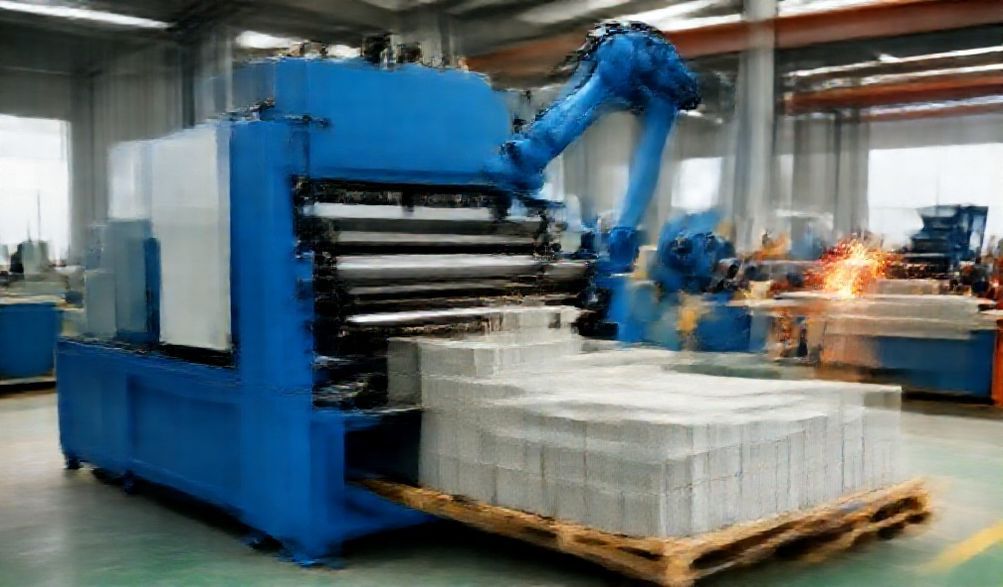
Hướng Dẫn Toàn Diện Về Các Nhà Máy Sản Xuất Máy Làm Gạch Trung Quốc: Chất Lượng, Chi Phí & Cách Lựa Chọn
Ngành xây dựng toàn cầu vận hành dựa vào gạch, khối xây và vật liệu lát. Từ xây nhà ở đến lát nền đô thị, nhu cầu sản xuất gạch chất lượng cao với khối lượng lớn luôn không ngừng. Trái tim của ngành công nghiệp này chính là những cỗ máy hiện thực hóa mọi công đoạn. Đối với chủ doanh nghiệp, công ty xây dựng và các nhà khởi nghiệp toàn cầu, việc tìm nguồn thiết bị then chốt này thường dẫn đến một điểm đến áp đảo: Trung Quốc.
Trung Quốc đã củng cố vị thế là trung tâm sản xuất máy làm gạch toàn cầu, mang đến sự kết hợp vô song về quy mô, công nghệ và giá trị. Tuy nhiên, việc tìm hiểu thị trường rộng lớn này có thể khiến nhiều người e ngại. Làm thế nào để phân biệt các nhà sản xuất uy tín với những đơn vị còn lại? Các chi phí ẩn là gì? Làm sao để đảm bảo chiếc máy bạn mua phù hợp hoàn hảo với nguyên liệu địa phương và mục tiêu sản xuất của mình?
Hướng dẫn toàn diện này được thiết kế để trở thành nguồn tài liệu đáng tin cậy của bạn. Chúng tôi sẽ giải mã bức tranh về các nhà máy sản xuất máy làm gạch Trung Quốc, khám phá công nghệ được cung cấp, và cung cấp một khuôn khổ rõ ràng từng bước để đưa ra quyết định mua hàng sáng suốt, tự tin, phù hợp với nhu cầu dự án và ngân sách của bạn.
Tại sao Trung Quốc là Nhà Lãnh đạo Toàn cầu trong Ngành Máy Sản xuất Gạch
Sự thống trị của Trung Quốc trong lĩnh vực sản xuất máy móc hạng nặng không phải là điều ngẫu nhiên. Đó là kết quả của hàng thập kỷ phát triển chiến lược, tạo nên một hệ sinh thái cực kỳ khó có thể sánh kịp về hiệu quả và sản lượng. Đối với máy sản xuất gạch, vị thế dẫn đầu này được xây dựng trên ba trụ cột nền tảng.
Quy mô và Hệ sinh thái Sản xuất
Sức mạnh sản xuất của Trung Quốc bắt nguồn từ hệ sinh thái công nghiệp to lớn và tích hợp của nó. Đối với các nhà máy sản xuất máy làm gạch, điều này đồng nghĩa với việc tiếp cận trực tiếp toàn bộ chuỗi cung ứng:
- Nguyên liệu thô:Gần khu vực sản xuất thép quy mô lớn, các xưởng đúc cho vật đúc, và các nhà sản xuất xi lanh thủy lực, bơm và linh kiện điện.
- Ngành Công nghiệp Tập TrungCác ngành công nghiệp liên quan như chế tạo khuôn mẫu, điều khiển tự động và hàn công nghiệp nặng thường tập trung ở cùng các khu vực công nghiệp, giúp tối ưu hóa sản xuất và giảm chi phí.
- Nguồn Lao Động Có Tay Nghề Cao:Một đội ngũ dày dặn kinh nghiệm gồm các kỹ sư, thợ hàn và kỹ thuật viên chuyên lắp ráp thiết bị hạng nặng.
Sự tích hợp dọc này cho phép các nhà máy kiểm soát chất lượng từ gốc, rút ngắn thời gian sản xuất và đạt được lợi thế kinh tế nhờ quy mô, điều này trực tiếp mang lại lợi thế cạnh tranh cho người mua.
Tiến bộ và Đổi mới Công nghệ
Nhận thức về ngành sản xuất Trung Quốc đã thay đổi đáng kể. Ngành công nghiệp này đã vượt xa việc bắt chước để tiến tới đổi mới thực sự. Các nhà máy hàng đầu Trung Quốc ngày nay sản xuất ra những cỗ máy:
- Tự Động Hóa CaoTrang bị hệ thống Bộ điều khiển Logic khả trình (PLC) với giao diện màn hình cảm ứng để kiểm soát chính xác áp suất, độ rung và thời gian chu kỳ.
- Thân Thiện với Môi Trường:Chuyên về các loại máy sử dụng chất thải công nghiệp như tro bay, xỉ và phế thải xây dựng để sản xuất gạch không nung, thân thiện với môi trường.
- Thông minh và Kết nối:Tích hợp cảm biến IoT (Internet of Things) để giám sát từ xa tình trạng máy móc, dữ liệu sản xuất và cảnh báo bảo trì dự đoán.
Sự tập trung vào nghiên cứu và phát triển này đảm bảo người mua có thể tiếp cận công nghệ hiện đại, hiệu quả đáp ứng các tiêu chuẩn quốc tế.
Hiệu quả Chi phí và Định giá Cạnh tranh
Sự kết hợp giữa quy mô, hiệu quả chuỗi cung ứng và thị trường lao động cạnh tranh cho phép các nhà sản xuất Trung Quốc mang lại giá trị vượt trội. Điều quan trọng cần hiểu là "chi phí thấp" không đồng nghĩa với "chất lượng thấp". Thay vào đó, nó phản ánh:
- Chi phí quản lý và sản xuất thấp hơn.
- Cạnh tranh thị trường khốc liệt thúc đẩy đổi mới và định giá công bằng.
- Khả năng cung cấp nhiều lựa chọn đa dạng hơn, từ máy móc thủ công tiết kiệm chi phí đến các dây chuyền tự động cao cấp.
Đối với người mua, điều này đồng nghĩa với việc tiếp cận thông số kỹ thuật cao hơn và công nghệ tốt hơn cho khoản đầu tư của họ so với nhiều điểm cung ứng khác.
Các Loại Máy Sản Xuất Gạch Được Sản Xuất Tại Trung Quốc
Sự đa dạng của các loại máy móc hiện có thật đáng kinh ngạc. Hiểu được các nhóm chính là bước đầu tiên để xác định đúng loại máy phù hợp cho hoạt động của bạn.
Theo Phương Pháp Hoạt Động
- Máy Thủ Công/Bán Tự Động:Lý tưởng cho các dự án khởi nghiệp quy mô nhỏ, dự án cộng đồng hoặc hoạt động có ngân sách thấp. Chúng đòi hỏi nhiều lao động hơn nhưng có mức đầu tư ban đầu thấp hơn. Hoàn hảo để sản xuất gạch phục vụ nhu cầu tự dùng hoặc thị trường địa phương rất nhỏ.
- Máy Làm Gạch Tự Động Hoàn Toàn:Những cỗ máy làm việc không mệt mỏi của ngành sản xuất gạch thương mại. Các dây chuyền này tích hợp hệ thống cấp liệu tự động, đúc khuôn, xử lý nhiệt ẩm và trả pallet. Chúng đòi hỏi sự can thiệp tối thiểu của con người và có thể sản xuất hàng nghìn viên gạch mỗi ca làm việc.
- Máy Sản Xuất Gạch Di Động:Được lắp đặt trên xe moóc, các đơn vị này được thiết kế để sản xuất tại chỗ, loại bỏ chi phí vận chuyển gạch thành phẩm. Rất cần thiết cho các dự án xây dựng lớn, ở vùng sâu vùng xa như làm đường hoặc xây đập.
Sản lượng theo Loại Gạch
- Máy Sản Xuất Gạch Rỗng:Sản xuất các khối nhẹ, cách nhiệt được sử dụng trong xây dựng tường. Một phân khúc thị trường rất lớn ở Trung Quốc.
- Máy Sản Xuất Gạch Lát Vỉa Hè Liền Mạch/Đan XenSản xuất đá lát và gạch có khớp nối không cần vữa, sử dụng cho lối đi xe, lối đi bộ và cảnh quan.
- Máy Sản Xuất Gạch Đặc:Để sản xuất gạch đặc, có cường độ cao dùng trong các kết cấu chịu lực.
- Máy Sản Xuất Đá Curb và Đá Lề ĐườngMáy chuyên dụng để sản xuất gờ bê tông và viền cảnh quan.
Theo Công Nghệ Chế Biến
- Máy Ép Gạch Thủy Lực:Loại phổ biến và linh hoạt nhất. Chúng sử dụng áp lực thủy lực cao để nén hỗn hợp bê tông vào khuôn, tạo ra những viên gạch rất chắc và bền với bề mặt hoàn thiện tuyệt hảo.
- Máy Ép Rung:Thường được sử dụng kết hợp với hệ thống thủy lực. Chúng sử dụng rung động tần số cao để nén các vật liệu như tro bay hoặc xi măng, đảm bảo độ đồng đều về mật độ, đặc biệt là đối với các khối rỗng.
- Máy Ép Đùn: Primarily for clay brick production. They force clay through a die to form a continuous column, which is then wire-cut into individual bricks before firing.
Key Factors When Selecting a Chinese Manufacturer
Choosing the right factory is more important than choosing the right machine model. A reliable partner ensures quality, service, and long-term success.
Factory Credentials and Experience
Do not skip due diligence. A legitimate factory will be transparent.
* Business License: Request a copy to verify their legal entity name and registration.
* History: Prefer factories with 10+ years of operation. This indicates stability and accumulated technical know-how.
* Chứng chỉ: Look for international standards like ISO 9001(Quản lý chất lượng) vàDấu CE (indicating compliance with EU health, safety, and environmental standards). These are strong indicators of a quality-focused process.
Production Capacity and Quality Control
A factory’s physical operation tells the real story.
* Request a Virtual Tour: A live video call on the factory floor is a standard request. Observe the organization, equipment, and workflow.
* Ask About QC: Inquire about their quality control process. Do they test incoming materials (steel plate, hydraulic parts)? Do they have a pre-delivery testing protocol for every machine?
* Component Brands: Ask which brands they use for critical components like hydraulic systems (e.g., Rexroth, Yuken), PLCs (e.g., Siemens, Mitsubishi), and electrical parts. This speaks volumes about the machine’s longevity.
Machine Specifications and Customization
Move beyond brochure promises to hard specifications.
* Key Specs: Pressure (tonnage), Cycle Time (seconds per block), Output (blocks per 8-hour shift), Power Requirements, and Machine Dimensions.
* Customization Ability: Can they adapt the machine for your local raw materials (e.g., specific soil composition, aggregate size)? Can they manufacture custom molds for unique brick designs? This flexibility is a sign of engineering expertise.
After-Sales Service and Support
This is the most critical, yet most overlooked, factor.
* Bảo hành: What is covered (parts, labor)? For how long (typically 12-24 months)? What is the process for claiming?
* Phụ Tùng Thay Thế: Are parts readily available? Will they provide a recommended spare parts list with your quotation?
* Hỗ trợ Kỹ thuật: Do they provide comprehensive English manuals, electrical diagrams, and hydraulic schematics? What is their policy for remote troubleshooting (e.g., via WhatsApp, video call)?
* Cài đặt & Đào tạo: Is on-site guidance included or available at an extra cost? Clarify this trước signing the contract.
Navigating the Sourcing Process: Steps and Best Practices
A structured approach minimizes risk and maximizes the chance of a successful purchase.
Effective Supplier Research and Shortlisting
- B2B Platforms: Start on Alibaba.comhoặcMade-in-China.com. Use filters for “Verified Suppliers,” “Trade Assurance,” and “Assessed Suppliers.” Read buyer reviews critically.
- Beyond Platforms: Search for manufacturers with independent websites. Those investing in a professional online presence often have stronger export experience.
- Create a Shortlist: Compile 5-7 potential suppliers. Do not just go with the first or cheapest quote.
Communication and Quotation Analysis
- Prepare a Detailed RFQ: Include desired brick type, dimensions, daily output, raw material details, and preferred automation level. The more detail you provide, the more accurate the quote.
- Decode the Quote: Understand FOB (Giao hàng lên tàu) vs. CIF (Cost, Insurance, Freight). FOB means the price includes delivery to the Chinese port; you handle shipping and import. CIF includes shipping to your nearest port; you handle import only.
- Identify Hidden Costs: Ask explicitly if the quote includes: Standard molds, a starter kit of spare parts, tool kits, and essential documentation.
The Importance of Sample Inspection and Factory Audit
- Production Sample: For standard bricks, you can order a sample batch produced by the factory to check quality and dimensions.
- Third-Party Inspection: For full machines, hiring an inspection company like SGS, Bureau Veritas, or TÜV to conduct a Pre-Shipment Inspection (PSI) is a wise investment. They will check construction quality, electrical safety, and perform a test run before shipment.
Understanding Logistics, Shipping, and Import Duties
- Bao bì: Ensure the factory uses export-grade, steel-framed wooden crates for sea freight.
- Shipping Agent: It is advisable to use a freight forwarder, either one you source or one recommended by the supplier. They handle customs documentation, booking, and logistics.
- Your Responsibilities: You are typically responsible for clearing the machine through customs in your own country, paying import duties and taxes (VAT/GST). Research these costs with a local agent trước purchasing.
Common Challenges and How to Mitigate Risks
Forewarned is forearmed. Being aware of potential pitfalls is key to avoiding them.
Quality vs. Price Trade-offs
- The Risk: An extremely low price almost always signals a compromise—thinner steel, non-branded hydraulics, poor welding.
- The Mitigation: Focus on Tổng Chi Phí Sở Hữu, not just purchase price. A slightly more expensive machine from a reputable builder will have far lower downtime and maintenance costs over 5 years. Request detailed component lists and compare them.
Communication and Language Barriers
- The Risk: Misunderstandings over specifications, payment terms, or service agreements.
- The Mitigation: Use clear, simple English. Communicate all critical details via email to create a written record. Use diagrams, photos, and marked-up PDFs. For complex negotiations, consider a sourcing agent or translator.
Protecting Intellectual Property and Payments
- The Risk: Losing a custom brick design or making an advance payment to an unreliable supplier.
- The Mitigation:
- Payments: Use secure methods. Alibaba Trade AssurancehoặcEscrow services hold payment until you confirm satisfactory delivery. For large orders, a Letter of Credit (L/C) through your bank is the standard, secure instrument.
- IP Protection: For custom molds or machine designs, have a simple Non-Disclosure Agreement (NDA) signed before sharing detailed technical drawings.
Các Câu Hỏi Thường Gặp (FAQ)
Q1: What is the average price range for a brick making machine from China?
A: Prices vary widely from a few thousand USD for a small manual machine to over $100,000 for a fully automated production line. The cost depends on automation level, output capacity, and configuration. Always request detailed quotes based on your specific needs.
Q2: How can I verify the reliability of a Chinese brick machine factory?
A: Check their business license (ask for a copy), years in operation, and client testimonials/videos. Request a virtual factory tour via video call. Verify certifications and ask for contact information of previous international clients for references.
Q3: Do Chinese manufacturers provide installation and training?
A: Reputable manufacturers typically provide detailed operation manuals, video guides, and remote online support. On-site installation and training are usually available but are an additional cost covered by the buyer. Clarify this in the contract.
Q4: What is the typical lead time for production and shipping?
A: Production can take 15-45 days after order confirmation, depending on machine complexity. Sea shipping can add 30-60 days to major global ports. Always factor in total timeline from order to delivery at your site.
Q5: Can machines be adapted to use local raw materials (like soil or fly ash) in my country?
A: Yes, most professional factories can customize the machine’s mixing system and mold pressure settings to suit your locally available materials. You must provide detailed samples or specifications of your raw materials during the inquiry stage.
Conclusion
Sourcing a brick making machine from China presents a significant opportunity to access world-class manufacturing technology at a compelling value. The advantages of scale, innovation, and cost-effectiveness are real and powerful. However, success in this venture is not automatic—it is earned through diligent research, clear and documented communication, and a commitment to partnering with a credible manufacturer.
Use this guide as your roadmap. Look beyond the price tag to evaluate the factory’s credentials, quality processes, and, most importantly, their commitment to after-sales support. By doing so, you transform a complex international purchase into a strategic investment—one that will form the reliable, productive backbone of your construction or brick manufacturing business for years to come. The future of brick making is increasingly automated, sustainable, and smart, and China’s leading factories are at the forefront of this evolution, ready to equip ambitious businesses worldwide.
<