
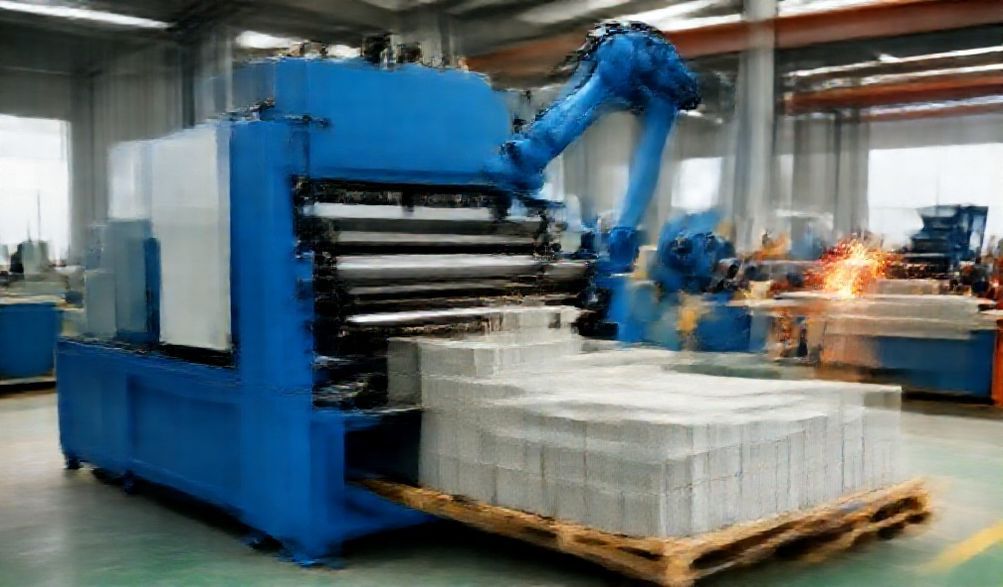
Panduan Utama untuk Kilang Mesin Pembuatan Bata di China: Kualiti, Kos & Cara Memilih
Industri pembinaan global bergantung pada batu bata, blok, dan pavers. Dari membina rumah ke menurap bandar, permintaan untuk pengeluaran batu bata yang boleh dipercayai dan dalam jumlah besar adalah berterusan. Di teras industri ini adalah mesin-mesin yang menjadikan semuanya mungkin. Bagi pemilik perniagaan, firma pembinaan, dan usahawan di seluruh dunia, mendapatkan peralatan kritikal ini sering membawa ke satu destinasi utama: China.
China telah mengukuhkan peranannya sebagai hab pembuatan global bagi jentera pembuatan bata, menawarkan gabungan skala, teknologi dan nilai yang tiada tandingannya. Namun, menavigasi pasaran yang luas ini boleh menjadi menggerunkan. Bagaimana anda membezakan pengeluar yang bereputasi daripada yang lain? Apakah kos tersembunyi yang wujud? Bagaimana anda memastikan mesin yang dibeli benar-benar sesuai dengan bahan tempatan dan matlamat pengeluaran anda?
Panduan komprehensif ini direka untuk menjadi sumber kepercayaan anda. Kami akan menerangkan landskap kilang mesin pembuatan bata China, meneroka teknologi yang ditawarkan, dan menyediakan rangka kerja langkah demi langkah yang jelas untuk membuat keputusan pembelian yang berinformasi dan yakin, selaras dengan keperluan projek dan bajet anda.
Mengapa China Menjadi Pemimpin Global dalam Mesin Pembuatan Batu Bata
中国在重型机械制造领域的领先地位并非偶然,这是数十年战略发展的成果,构建了一个在效率和产出方面都难以匹敌的生态系统。就制砖机而言,这种领导地位建立在三大支柱之上。
Skala dan Ekosistem Pembuatan
Kekuatan pembuatan China berakar pada ekosistem perindustrian bersepadu yang sangat besar. Bagi kilang-kilang mesin pembuatan bata, ini bermakna akses langsung kepada keseluruhan rantaian bekalan:
- Bahan Mentah:Kedekatan dengan pengeluaran keluli yang besar, kilang tuangan untuk acuan, dan pengeluar silinder hidraulik, pam, serta komponen elektrik.
- Industri Berkelompok:Industri berkaitan seperti pembuatan acuan, kawalan automasi, dan kimpalan berat sering terletak di kawasan perindustrian yang sama, yang memudahkan pengeluaran dan mengurangkan kos.
- Kumpulan Tenaga Kerja Mahir:Satu pasukan yang mendalam terdiri daripada jurutera, tukang kimpal, dan juruteknik yang berpengalaman khusus dalam pemasangan peralatan berat.
Penyepaduan menegak ini membolehkan kilang mengawal kualiti dari peringkat asas, mengurangkan masa pusingan, dan mencapai ekonomi skala yang terus memberikan kelebihan daya saing kepada pembeli.
Kemajuan dan Inovasi Teknologi
Persepsi terhadap pembuatan barangan China telah berubah secara mendadak. Industri ini telah jauh melangkaui peniruan kepada inovasi sebenar. Kilang-kilang terkemuka China hari ini menghasilkan mesin-mesin yang:
- Berkecuali Tinggi:Mempamerkan sistem Pengawal Logik Boleh Atur Cara (PLC) dengan antara muka skrin sentuh untuk kawalan tepat ke atas tekanan, getaran, dan masa kitaran.
- Mesra Alam:Mengkhususkan diri dalam mesin yang menggunakan sisa industri seperti abu terbang, sanga, dan serpihan pembinaan untuk menghasilkan batu bata tanpa pembakaran yang mampan secara alam sekitar.
- Pintar dan Terhubung:Mengintegrasikan sensor IoT (Internet of Things) untuk pemantauan jarak jauh terhadap kesihatan mesin, data pengeluaran, dan amaran penyelenggaraan ramalan.
Tumpuan terhadap R&D ini memastikan pembeli mempunyai akses kepada teknologi moden dan cekap yang memenuhi piawaian antarabangsa.
Kos-Efektif dan Penetapan Harga Kompetitif
Gabungan skala, kecekapan rantaian bekalan, dan pasaran buruh yang kompetitif membolehkan pengeluar China menawarkan nilai yang luar biasa. Adalah penting untuk memahami bahawa "kos rendah" tidak semestinya bermaksud "kualiti rendah." Sebaliknya, ia mencerminkan:
- Kos overhed dan pengeluaran yang lebih rendah.
- Persaingan pasaran yang sengit yang mendorong inovasi dan penetapan harga yang adil.
- Keupayaan untuk menawarkan pelbagai pilihan yang lebih luas, daripada mesin manual yang berpatutan hingga ke barisan automatik premium.
Bagi pembeli, ini bermaksud akses kepada spesifikasi yang lebih tinggi dan teknologi yang lebih baik untuk pelaburan mereka berbanding dengan banyak destinasi sumber lain.
Jenis-Jenis Mesin Pembuatan Batu Bata yang Dihasilkan di China
Kepelbagaian jentera yang tersedia adalah amat menakjubkan. Memahami kategori utama adalah langkah pertama untuk mengenal pasti mesin yang sesuai untuk operasi anda.
Mengikut Kaedah Operasi
- Mesin Manual/Separa Automatik:Sesuai untuk permulaan berskala kecil, projek komuniti, atau operasi berbelanjawan rendah. Mereka memerlukan lebih banyak tenaga kerja tetapi mempunyai pelaburan awal yang lebih rendah. Sesuai untuk menghasilkan bata untuk kegunaan sendiri atau pasaran yang sangat setempat.
- Mesin Membuat Blok Sepenuhnya Automatik:Kuda-kuda kerja dalam pengeluaran bata komersial. Barisan ini mengintegrasikan sistem suapan bahan automatik, acuan, pengawetan, dan pemulihan palet. Ia memerlukan campur tangan manusia yang minimum dan mampu menghasilkan ribuan blok setiap syif.
- Mesin Pembuatan Bata Mudah Alih:Dipasang pada treler, unit-unit ini direka untuk pengeluaran di tapak, menghapuskan kos pengangkutan bagi bata siap. Penting untuk projek pembinaan besar dan terpencil seperti pembinaan jalan raya atau empangan.
Mengikut Jenis Bata Keluaran
- Mesin Pembuatan Blok Berongga:Menghasilkan blok ringan dan penebat yang digunakan dalam pembinaan dinding. Segmen pasaran yang besar di China.
- Mesin Pavar/Bata Saling Kunci:Hasilkan batu turap dan bata yang saling mengunci tanpa mortar, digunakan untuk laluan kereta, laluan pejalan kaki, dan landskap.
- Mesin Bata Pejal:Untuk menghasilkan bata pejal padat dan berkekuatan tinggi yang digunakan dalam struktur menanggung beban.
- Mesin Pembuat Tepi Jalan dan KerbMesin khusus untuk menghasilkan curbs konkrit dan edging landskap.
Melalui Teknologi Pemprosesan
- Mesin Bata Tekanan Hidraulik: The most common and versatile type. They use high hydraulic pressure to compact concrete mix into molds, producing very dense and strong bricks with excellent surface finish.
- Vibration-Press Machines: Often used in conjunction with hydraulic systems. They use high-frequency vibration to compact materials like fly ash or cement, ensuring even density, especially for hollow blocks.
- Mesin Penyemperitan Primarily for clay brick production. They force clay through a die to form a continuous column, which is then wire-cut into individual bricks before firing.
Key Factors When Selecting a Chinese Manufacturer
Choosing the right factory is more important than choosing the right machine model. A reliable partner ensures quality, service, and long-term success.
Factory Credentials and Experience
Do not skip due diligence. A legitimate factory will be transparent.
* Business License: Request a copy to verify their legal entity name and registration.
* History: Prefer factories with 10+ years of operation. This indicates stability and accumulated technical know-how.
* Pensijilan: Look for international standards like ISO 9001(Pengurusan Kualiti) danPensijilan CE (indicating compliance with EU health, safety, and environmental standards). These are strong indicators of a quality-focused process.
Production Capacity and Quality Control
A factory’s physical operation tells the real story.
* Request a Virtual Tour: A live video call on the factory floor is a standard request. Observe the organization, equipment, and workflow.
* Ask About QC: Inquire about their quality control process. Do they test incoming materials (steel plate, hydraulic parts)? Do they have a pre-delivery testing protocol for every machine?
* Component Brands: Ask which brands they use for critical components like hydraulic systems (e.g., Rexroth, Yuken), PLCs (e.g., Siemens, Mitsubishi), and electrical parts. This speaks volumes about the machine’s longevity.
Machine Specifications and Customization
Move beyond brochure promises to hard specifications.
* Spesifikasi Utama: Pressure (tonnage), Cycle Time (seconds per block), Output (blocks per 8-hour shift), Power Requirements, and Machine Dimensions.
* Customization Ability: Can they adapt the machine for your local raw materials (e.g., specific soil composition, aggregate size)? Can they manufacture custom molds for unique brick designs? This flexibility is a sign of engineering expertise.
After-Sales Service and Support
This is the most critical, yet most overlooked, factor.
* Jaminan: What is covered (parts, labor)? For how long (typically 12-24 months)? What is the process for claiming?
* Alat Ganti: Are parts readily available? Will they provide a recommended spare parts list with your quotation?
* Sokongan Teknikal: Do they provide comprehensive English manuals, electrical diagrams, and hydraulic schematics? What is their policy for remote troubleshooting (e.g., via WhatsApp, video call)?
* Pemasangan & Latihan: Is on-site guidance included or available at an extra cost? Clarify this sebelum signing the contract.
Navigating the Sourcing Process: Steps and Best Practices
A structured approach minimizes risk and maximizes the chance of a successful purchase.
Effective Supplier Research and Shortlisting
- B2B Platforms: Start on Alibaba.comatauMade-in-China.com. Use filters for “Verified Suppliers,” “Trade Assurance,” and “Assessed Suppliers.” Read buyer reviews critically.
- Beyond Platforms: Search for manufacturers with independent websites. Those investing in a professional online presence often have stronger export experience.
- Create a Shortlist: Compile 5-7 potential suppliers. Do not just go with the first or cheapest quote.
Communication and Quotation Analysis
- Prepare a Detailed RFQ: Include desired brick type, dimensions, daily output, raw material details, and preferred automation level. The more detail you provide, the more accurate the quote.
- Decode the Quote: Understand FOB (Franko Kapal) vs. CIF (Cost, Insurance, Freight). FOB means the price includes delivery to the Chinese port; you handle shipping and import. CIF includes shipping to your nearest port; you handle import only.
- Identify Hidden Costs: Ask explicitly if the quote includes: Standard molds, a starter kit of spare parts, tool kits, and essential documentation.
The Importance of Sample Inspection and Factory Audit
- Production Sample: For standard bricks, you can order a sample batch produced by the factory to check quality and dimensions.
- Third-Party Inspection: For full machines, hiring an inspection company like SGS, Bureau Veritas, or TÜV to conduct a Pre-Shipment Inspection (PSI) is a wise investment. They will check construction quality, electrical safety, and perform a test run before shipment.
Understanding Logistics, Shipping, and Import Duties
- Pembungkusan: Ensure the factory uses export-grade, steel-framed wooden crates for sea freight.
- Shipping Agent: It is advisable to use a freight forwarder, either one you source or one recommended by the supplier. They handle customs documentation, booking, and logistics.
- Your Responsibilities: You are typically responsible for clearing the machine through customs in your own country, paying import duties and taxes (VAT/GST). Research these costs with a local agent sebelum purchasing.
Common Challenges and How to Mitigate Risks
Forewarned is forearmed. Being aware of potential pitfalls is key to avoiding them.
Quality vs. Price Trade-offs
- The Risk: An extremely low price almost always signals a compromise—thinner steel, non-branded hydraulics, poor welding.
- The Mitigation: Focus on Kos Pemilikan Keseluruhan, not just purchase price. A slightly more expensive machine from a reputable builder will have far lower downtime and maintenance costs over 5 years. Request detailed component lists and compare them.
Communication and Language Barriers
- The Risk: Misunderstandings over specifications, payment terms, or service agreements.
- The Mitigation: Use clear, simple English. Communicate all critical details via email to create a written record. Use diagrams, photos, and marked-up PDFs. For complex negotiations, consider a sourcing agent or translator.
Protecting Intellectual Property and Payments
- The Risk: Losing a custom brick design or making an advance payment to an unreliable supplier.
- The Mitigation:
- Payments: Use secure methods. Alibaba Trade AssuranceatauEscrow services hold payment until you confirm satisfactory delivery. For large orders, a Letter of Credit (L/C) through your bank is the standard, secure instrument.
- IP Protection: For custom molds or machine designs, have a simple Non-Disclosure Agreement (NDA) signed before sharing detailed technical drawings.
Soalan Lazim (FAQ)
Q1: What is the average price range for a brick making machine from China?
A: Prices vary widely from a few thousand USD for a small manual machine to over $100,000 for a fully automated production line. The cost depends on automation level, output capacity, and configuration. Always request detailed quotes based on your specific needs.
Q2: How can I verify the reliability of a Chinese brick machine factory?
A: Check their business license (ask for a copy), years in operation, and client testimonials/videos. Request a virtual factory tour via video call. Verify certifications and ask for contact information of previous international clients for references.
Q3: Do Chinese manufacturers provide installation and training?
A: Reputable manufacturers typically provide detailed operation manuals, video guides, and remote online support. On-site installation and training are usually available but are an additional cost covered by the buyer. Clarify this in the contract.
Q4: What is the typical lead time for production and shipping?
A: Production can take 15-45 days after order confirmation, depending on machine complexity. Sea shipping can add 30-60 days to major global ports. Always factor in total timeline from order to delivery at your site.
Q5: Can machines be adapted to use local raw materials (like soil or fly ash) in my country?
A: Yes, most professional factories can customize the machine’s mixing system and mold pressure settings to suit your locally available materials. You must provide detailed samples or specifications of your raw materials during the inquiry stage.
Kesimpulan
Sourcing a brick making machine from China presents a significant opportunity to access world-class manufacturing technology at a compelling value. The advantages of scale, innovation, and cost-effectiveness are real and powerful. However, success in this venture is not automatic—it is earned through diligent research, clear and documented communication, and a commitment to partnering with a credible manufacturer.
Use this guide as your roadmap. Look beyond the price tag to evaluate the factory’s credentials, quality processes, and, most importantly, their commitment to after-sales support. By doing so, you transform a complex international purchase into a strategic investment—one that will form the reliable, productive backbone of your construction or brick manufacturing business for years to come. The future of brick making is increasingly automated, sustainable, and smart, and China’s leading factories are at the forefront of this evolution, ready to equip ambitious businesses worldwide.
<