
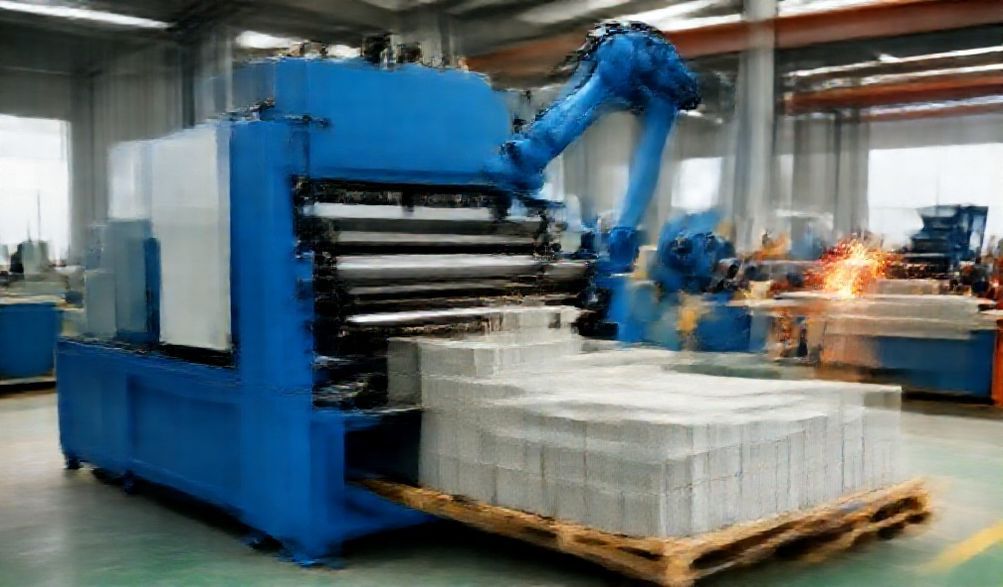
ਚੀਨ ਦੀਆਂ ਇੱਟ ਬਣਾਉਣ ਵਾਲੀਆਂ ਮਸ਼ੀਨਾਂ ਦੀਆਂ ਫੈਕਟਰੀਆਂ ਦੀ ਆਖਰੀ ਗਾਈਡ: ਗੁਣਵੱਤਾ, ਲਾਗਤ ਅਤੇ ਚੋਣ ਕਿਵੇਂ ਕਰੀਏ
ਗਲੋਬਲ ਨਿਰਮਾਣ ਉਦਯੋਗ ਇੱਟਾਂ, ਬਲਾਕਾਂ ਅਤੇ ਪੱਥਰਾਂ 'ਤੇ ਚੱਲਦਾ ਹੈ। ਘਰ ਬਣਾਉਣ ਤੋਂ ਲੈ ਕੇ ਸ਼ਹਿਰਾਂ ਨੂੰ ਪੱਥਰਾਂ ਨਾਲ ਪਾਉਣ ਤੱਕ, ਭਰੋਸੇਯੋਗ ਅਤੇ ਵੱਡੀ ਮਾਤਰਾ ਵਿੱਚ ਇੱਟ ਉਤਪਾਦਨ ਦੀ ਮੰਗ ਨਿਰੰਤਰ ਬਣੀ ਰਹਿੰਦੀ ਹੈ। ਇਸ ਉਦਯੋਗ ਦੇ ਕੇਂਦਰ ਵਿੱਚ ਉਹ ਮਸ਼ੀਨਾਂ ਹਨ ਜੋ ਇਹ ਸਭ ਸੰਭਵ ਬਣਾਉਂਦੀਆਂ ਹਨ। ਦੁਨੀਆ ਭਰ ਦੇ ਕਾਰੋਬਾਰ ਮਾਲਕਾਂ, ਨਿਰਮਾਣ ਕੰਪਨੀਆਂ ਅਤੇ ਉਦਯੋਗਿਕਾਂ ਲਈ, ਇਸ ਮਹੱਤਵਪੂਰਨ ਉਪਕਰਣ ਦੀ ਸਰੋਤ ਲੱਭਣੀ ਅਕਸਰ ਇੱਕ ਪ੍ਰਮੁੱਖ ਮੰਜ਼ਿਲ ਵੱਲ ਲੈ ਜਾਂਦੀ ਹੈ: ਚੀਨ।
ਚੀਨ ਨੇ ਇੱਟ ਬਣਾਉਣ ਵਾਲੀ ਮਸ਼ੀਨਰੀ ਲਈ ਦੁਨੀਆ ਦੇ ਮੈਨੂਫੈਕਚਰਿੰਗ ਹੱਬ ਵਜੋਂ ਆਪਣੀ ਭੂਮਿਕਾ ਨੂੰ ਮਜ਼ਬੂਤ ਕਰ ਲਿਆ ਹੈ, ਜੋ ਕਿ ਪੈਮਾਨੇ, ਤਕਨਾਲੋਜੀ ਅਤੇ ਮੁੱਲ ਦਾ ਬੇਮਿਸਾਲ ਸੁਮੇਲ ਪੇਸ਼ ਕਰਦਾ ਹੈ। ਹਾਲਾਂਕਿ, ਇਸ ਵਿਸ਼ਾਲ ਬਾਜ਼ਾਰ ਵਿੱਚ ਆਪਣਾ ਰਸਤਾ ਲੱਭਣਾ ਡਰਾਉਣਾ ਹੋ ਸਕਦਾ ਹੈ। ਤੁਸੀਂ ਭਰੋਸੇਯੋਗ ਨਿਰਮਾਤਾਵਾਂ ਨੂੰ ਬਾਕੀਆਂ ਤੋਂ ਕਿਵੇਂ ਅਲੱਗ ਕਰਦੇ ਹੋ? ਲੁਕੇ ਹੋਏ ਖਰਚੇ ਕੀ ਹਨ? ਤੁਸੀਂ ਇਹ ਕਿਵੇਂ ਸੁਨਿਸ਼ਚਿਤ ਕਰਦੇ ਹੋ ਕਿ ਜੋ ਮਸ਼ੀਨ ਤੁਸੀਂ ਖਰੀਦਦੇ ਹੋ ਉਹ ਤੁਹਾਡੇ ਸਥਾਨਕ ਸਮੱਗਰੀ ਅਤੇ ਉਤਪਾਦਨ ਟੀਚਿਆਂ ਲਈ ਬਿਲਕੁਲ ਢੁਕਵੀਂ ਹੈ?
ਇਹ ਵਿਆਪਕ ਗਾਈਡ ਤੁਹਾਡਾ ਭਰੋਸੇਯੋਗ ਸਰੋਤ ਬਣਨ ਲਈ ਤਿਆਰ ਕੀਤੀ ਗਈ ਹੈ। ਅਸੀਂ ਚੀਨੀ ਇੱਟ ਬਣਾਉਣ ਵਾਲੀਆਂ ਮਸ਼ੀਨਾਂ ਦੀਆਂ ਫੈਕਟਰੀਆਂ ਦੇ ਲੈਂਡਸਕੇਪ ਨੂੰ ਸਪੱਸ਼ਟ ਕਰਾਂਗੇ, ਪੇਸ਼ ਕੀਤੀ ਜਾ ਰਹੀ ਤਕਨਾਲੋਜੀ ਦੀ ਪੜਚੋਲ ਕਰਾਂਗੇ, ਅਤੇ ਤੁਹਾਡੀਆਂ ਪ੍ਰੋਜੈਕਟ ਲੋੜਾਂ ਅਤੇ ਬਜਟ ਨਾਲ ਮੇਲ ਖਾਂਦਾ ਇੱਕ ਸੂਚਿਤ, ਵਿਸ਼ਵਾਸਯੋਗ ਖਰੀਦਦਾਰੀ ਫੈਸਲਾ ਲੈਣ ਲਈ ਇੱਕ ਸਪੱਸ਼ਟ, ਕਦਮ-ਦਰ-ਕਦਮ ਢਾਂਚਾ ਪ੍ਰਦਾਨ ਕਰਾਂਗੇ।
ਚੀਨ ਬਿਲਡਿੰਗ ਬ੍ਰਿਕ ਮੇਕਿੰਗ ਮਸ਼ੀਨਰੀ ਵਿੱਚ ਵਿਸ਼ਵ ਦਾ ਅਗਵਾਈ ਕਰਨ ਵਾਲਾ ਦੇਸ਼ ਕਿਉਂ ਹੈ
ਚੀਨ ਦੀ ਭਾਰੀ ਮਸ਼ੀਨਰੀ ਨਿਰਮਾਣ ਵਿੱਚ ਪ੍ਰਮੁੱਖਤਾ ਕੋਈ ਇਤਫਾਕ ਨਹੀਂ ਹੈ। ਇਹ ਦਹਾਕਿਆਂ ਦੇ ਰਣਨੀਤਕ ਵਿਕਾਸ ਦਾ ਨਤੀਜਾ ਹੈ, ਜਿਸ ਨੇ ਕੁਸ਼ਲਤਾ ਅਤੇ ਉਤਪਾਦਨ ਦੇ ਮਾਮਲੇ ਵਿੱਚ ਮਿਲਾਉਣਾ ਬੇਹਦ ਮੁਸ਼ਕਿਲ ਇੱਕ ਈਕੋਸਿਸਟਮ ਤਿਆਰ ਕੀਤਾ ਹੈ। ਇੱਟ ਬਣਾਉਣ ਵਾਲੀਆਂ ਮਸ਼ੀਨਾਂ ਦੇ ਸੰਬੰਧ ਵਿੱਚ, ਇਹ ਅਗਵਾਈ ਤਿੰਨ ਬੁਨਿਆਦੀ ਥੰਮ੍ਹਾਂ 'ਤੇ ਖੜ੍ਹੀ ਹੈ।
ਸਕੇਲ ਅਤੇ ਨਿਰਮਾਣ ਇਕੋਸਿਸਟਮ
ਚੀਨ ਦੀ ਨਿਰਮਾਣ ਸ਼ਕਤੀ ਇਸਦੇ ਵਿਸ਼ਾਲ, ਏਕੀਕ੍ਰਿਤ ਉਦਯੋਗਿਕ ਪਾਰਿਸਥਿਤਿਕੀ ਤੰਤਰ ਵਿੱਚ ਨਿਹਿਤ ਹੈ। ਇੱਟ ਬਣਾਉਣ ਵਾਲੀ ਮਸ਼ੀਨ ਫੈਕਟਰੀਆਂ ਲਈ, ਇਸਦਾ ਮਤਲਬ ਹੈ ਸਾਰੀ ਸਪਲਾਈ ਚੇਨ ਤੱਕ ਸਿੱਧੀ ਪਹੁੰਚ:
- ਕੱਚਾ ਮਾਲ:ਵਿਸ਼ਾਲ ਸਟੀਲ ਉਤਪਾਦਨ, ਕਾਸਟਿੰਗਾਂ ਲਈ ਫਾਊਂਡਰੀਆਂ, ਅਤੇ ਹਾਈਡ੍ਰੌਲਿਕ ਸਿਲੰਡਰਾਂ, ਪੰਪਾਂ, ਅਤੇ ਬਿਜਲੀ ਦੇ ਹਿੱਸਿਆਂ ਦੇ ਨਿਰਮਾਤਾਵਾਂ ਦੇ ਨੇੜੇ ਹੋਣਾ।
- ਕਲਸਟਰਡ ਇੰਡਸਟਰੀਜ਼:ਮੋਲਡ ਬਣਾਉਣ, ਆਟੋਮੇਸ਼ਨ ਕੰਟਰੋਲ, ਅਤੇ ਹੈਵੀ-ਡਿਊਟੀ ਵੈਲਡਿੰਗ ਵਰਗੇ ਸੰਬੰਧਿਤ ਉਦਯੋਗ ਅਕਸਰ ਉਸੇ ਹੀ ਉਦਯੋਗਿਕ ਖੇਤਰਾਂ ਵਿੱਚ ਸਥਿਤ ਹੁੰਦੇ ਹਨ, ਜਿਸ ਨਾਲ ਉਤਪਾਦਨ ਸੁਚਾਰੂ ਹੁੰਦਾ ਹੈ ਅਤੇ ਲਾਗਤਾਂ ਘੱਟ ਜਾਂਦੀਆਂ ਹਨ।
- ਕੁਸ਼ਲ ਮਜ਼ਦੂਰਾਂ ਦਾ ਪੂਲ:ਭਾਰੀ ਉਪਕਰਨਾਂ ਦੀ ਅਸੈਂਬਲੀ ਵਿੱਚ ਮਾਹਰ, ਅਨੁਭਵੀ ਇੰਜੀਨੀਅਰਾਂ, ਵੈਲਡਰਾਂ ਅਤੇ ਤਕਨੀਸ਼ੀਅਨਾਂ ਦੀ ਇੱਕ ਮਜ਼ਬੂਤ ਟੀਮ।
ਇਹ ਲੰਬਕਾਰੀ ਏਕੀਕਰਨ ਫੈਕਟਰੀਆਂ ਨੂੰ ਸ਼ੁਰੂ ਤੋਂ ਹੀ ਗੁਣਵੱਤਾ ਨੂੰ ਨਿਯੰਤਰਿਤ ਕਰਨ, ਲੀਡ ਸਮੇਂ ਨੂੰ ਘਟਾਉਣ ਅਤੇ ਪੈਮਾਨੇ ਦੀ ਅਰਥਵਿਵਸਥਾ ਪ੍ਰਾਪਤ ਕਰਨ ਦੀ ਆਗਿਆ ਦਿੰਦਾ ਹੈ, ਜੋ ਖਰੀਦਦਾਰ ਲਈ ਸਿੱਧੇ ਤੌਰ 'ਤੇ ਮੁਕਾਬਲੇ ਦੇ ਫਾਇਦਿਆਂ ਵਿੱਚ ਤਬਦੀਲ ਹੁੰਦੀ ਹੈ।
ਟੈਕਨਾਲੋਜੀਕਲ ਤਰੱਕੀ ਅਤੇ ਨਵੀਨਤਾ
ਚੀਨੀ ਨਿਰਮਾਣ ਦੀ ਧਾਰਨਾ ਵਿੱਚ ਨਾਟਕੀ ਤਬਦੀਲੀ ਆਈ ਹੈ। ਉਦਯੋਗ ਨਕਲ ਤੋਂ ਬਹੁਤ ਅੱਗੇ ਨਿਕਲ ਕੇ ਅਸਲ ਨਵੀਨਤਾ ਵੱਲ ਵਧਿਆ ਹੈ। ਅੱਜ ਦੀਆਂ ਅਗਵਾਈ ਕਰਨ ਵਾਲੀਆਂ ਚੀਨੀ ਫੈਕਟਰੀਆਂ ਅਜਿਹੀਆਂ ਮਸ਼ੀਨਾਂ ਬਣਾਉਂਦੀਆਂ ਹਨ ਜੋ:
- ਅਤਿਅੰਤ ਸਵੈਚਾਲਿਤਪ੍ਰੈਸ਼ਰ, ਵਾਈਬ੍ਰੇਸ਼ਨ ਅਤੇ ਸਾਈਕਲ ਸਮੇਂ 'ਤੇ ਸਹੀ ਕੰਟਰੋਲ ਲਈ ਟੱਚ-ਸਕ੍ਰੀਨ ਇੰਟਰਫੇਸਾਂ ਵਾਲੇ ਪ੍ਰੋਗਰਾਮੇਬਲ ਲੌਜਿਕ ਕੰਟਰੋਲਰ (PLC) ਸਿਸਟਮਾਂ ਦੀ ਵਿਸ਼ੇਸ਼ਤਾ।
- ਈਕੋ-ਫਰੈਂਡਲੀ:ਉਦਯੋਗਿਕ ਕੂੜੇ ਜਿਵੇਂ ਕਿ ਫਲਾਈ ਐਸ਼, ਸਲੈਗ ਅਤੇ ਨਿਰਮਾਣ ਮਲਬੇ ਦੀ ਵਰਤੋਂ ਕਰਕੇ ਬਿਨਾਂ ਤਪਾਏ, ਵਾਤਾਵਰਣ ਅਨੁਕੂਲ ਇੱਟਾਂ ਦਾ ਨਿਰਮਾਣ ਕਰਨ ਵਾਲੀਆਂ ਮਸ਼ੀਨਾਂ ਵਿੱਚ ਮਾਹਰਤਾ ਰੱਖਦੇ ਹਾਂ।
- ਸਮਾਰਟ ਅਤੇ ਜੁੜਿਆ ਹੋਇਆ:ਆਈਓਟੀ (ਇੰਟਰਨੈਟ ਆਫ ਥਿੰਗਜ਼) ਸੈਂਸਰਾਂ ਨੂੰ ਮਸ਼ੀਨ ਦੀ ਸਿਹਤ, ਉਤਪਾਦਨ ਡੇਟਾ ਅਤੇ ਪੂਰਵਾਨੁਮਾਨੀ ਰੱਖ-ਰਖਾਵ ਚੇਤਾਵਨੀਆਂ ਦੀ ਰਿਮੋਟ ਨਿਗਰਾਨੀ ਲਈ ਸ਼ਾਮਲ ਕਰਨਾ।
ਇਹ ਆਰ ਐਂਡ ਡੀ 'ਤੇ ਧਿਆਨ ਇਹ ਸੁਨਿਸ਼ਚਿਤ ਕਰਦਾ ਹੈ ਕਿ ਖਰੀਦਦਾਰਾਂ ਨੂੰ ਆਧੁਨਿਕ, ਕੁਸ਼ਲ ਤਕਨਾਲੋਜੀ ਤੱਕ ਪਹੁੰਚ ਹੋਵੇ ਜੋ ਅੰਤਰਰਾਸ਼ਟਰੀ ਮਾਪਦੰਡਾਂ ਨੂੰ ਪੂਰਾ ਕਰਦੀ ਹੈ।
ਲਾਗਤ-ਪ੍ਰਭਾਵਸ਼ੀਲਤਾ ਅਤੇ ਮੁਕਾਬਲੇਬਾਜ਼ ਕੀਮਤ-ਨਿਰਧਾਰਨ
ਪੈਮਾਨੇ, ਸਪਲਾਈ ਚੇਨ ਦੀ ਕੁਸ਼ਲਤਾ, ਅਤੇ ਮੁਕਾਬਲੇਬਾਜ਼ ਮਜ਼ਦੂਰ ਬਾਜ਼ਾਰਾਂ ਦਾ ਸੁਮੇਲ ਚੀਨੀ ਨਿਰਮਾਤਾਵਾਂ ਨੂੰ ਸ਼ਾਨਦਾਰ ਮੁੱਲ ਪੇਸ਼ ਕਰਨ ਦੀ ਆਗਿਆ ਦਿੰਦਾ ਹੈ। ਇਹ ਸਮਝਣਾ ਮਹੱਤਵਪੂਰਨ ਹੈ ਕਿ "ਘੱਟ ਲਾਗਤ" ਦਾ ਅਰਥ ਸੁਭਾਵਿਕ ਤੌਰ 'ਤੇ "ਘੱਟ ਗੁਣਵੱਤਾ" ਨਹੀਂ ਹੈ। ਬਲਕਿ, ਇਹ ਦਰਸਾਉਂਦਾ ਹੈ:
- ਘੱਟ ਓਵਰਹੈੱਡ ਅਤੇ ਉਤਪਾਦਨ ਲਾਗਤਾਂ।
- ਤੀਬਰ ਬਾਜ਼ਾਰ ਮੁਕਾਬਲਾ ਜੋ ਨਵੀਨਤਾ ਅਤੇ ਨਿਰਪੱਖ ਕੀਮਤਾਂ ਨੂੰ ਚਲਾਉਂਦਾ ਹੈ।
- ਲਾਗਤ-ਪ੍ਰਭਾਵਸ਼ਾਲੀ ਹੱਥ ਨਾਲ ਚੱਲਣ ਵਾਲੀਆਂ ਮਸ਼ੀਨਾਂ ਤੋਂ ਲੈ ਕੇ ਪ੍ਰੀਮੀਅਮ ਆਟੋਮੇਟਿਡ ਲਾਈਨਾਂ ਤੱਕ ਵਿਕਲਪਾਂ ਦੀ ਵਿਆਪਕ ਰੇਂਜ ਪੇਸ਼ ਕਰਨ ਦੀ ਯੋਗਤਾ।
ਖਰੀਦਦਾਰ ਲਈ, ਇਸ ਦਾ ਮਤਲਬ ਹੈ ਕਿ ਬਹੁਤ ਸਾਰੇ ਹੋਰ ਸੋਰਸਿੰਗ ਟਿਕਾਣਿਆਂ ਦੇ ਮੁਕਾਬਲੇ ਉਨ੍ਹਾਂ ਦੇ ਨਿਵੇਸ਼ ਲਈ ਉੱਚ ਸਪੈਸੀਫਿਕੇਸ਼ਨਾਂ ਅਤੇ ਬਿਹਤਰ ਤਕਨਾਲੋਜੀ ਤੱਕ ਪਹੁੰਚ ਹੋਣਾ।
ਚੀਨ ਵਿੱਚ ਤਿਆਰ ਕੀਤੀਆਂ ਇੱਟ ਬਣਾਉਣ ਵਾਲੀਆਂ ਮਸ਼ੀਨਾਂ ਦੀਆਂ ਕਿਸਮਾਂ
ਉਪਲਬਧ ਮਸ਼ੀਨਰੀ ਦੀ ਕਿਸਮ ਹੈਰਾਨ ਕਰਨ ਵਾਲੀ ਹੈ। ਆਪਣੇ ਕਾਰਜ ਲਈ ਸਹੀ ਮਸ਼ੀਨ ਦੀ ਪਛਾਣ ਕਰਨ ਦਾ ਪਹਿਲਾ ਕਦਮ ਮੁੱਖ ਸ਼੍ਰੇਣੀਆਂ ਨੂੰ ਸਮਝਣਾ ਹੈ।
ਓਪਰੇਸ਼ਨ ਵਿਧੀ ਦੁਆਰਾ
- ਮੈਨੂਅਲ/ਸੈਮੀ-ਆਟੋਮੈਟਿਕ ਮਸ਼ੀਨਾਂ:ਛੋਟੇ ਪੱਧਰ ਦੀਆਂ ਸ਼ੁਰੂਆਤੀ ਕੰਪਨੀਆਂ, ਸਮੁਦਾਇਕ ਪ੍ਰੋਜੈਕਟਾਂ, ਜਾਂ ਘੱਟ ਬਜਟ ਦੇ ਕਾਰਜਾਂ ਲਈ ਆਦਰਸ਼। ਇਹਨਾਂ ਨੂੰ ਵਧੇਰੇ ਮਜ਼ਦੂਰੀ ਦੀ ਲੋੜ ਹੁੰਦੀ ਹੈ ਪਰ ਆਰੰਭਿਕ ਨਿਵੇਸ਼ ਘੱਟ ਹੁੰਦਾ ਹੈ। ਆਪਣੇ ਉਪਯੋਗ ਜਾਂ ਬਹੁਤ ਸਥਾਨਿਕ ਬਾਜ਼ਾਰਾਂ ਲਈ ਇੱਟਾਂ ਬਣਾਉਣ ਲਈ ਬਿਲਕੁਲ ਸਹੀ।
- ਪੂਰੀ ਤਰ੍ਹਾਂ ਆਟੋਮੈਟਿਕ ਬਲਾਕ ਬਣਾਉਣ ਵਾਲੀਆਂ ਮਸ਼ੀਨਾਂ:ਵਪਾਰਕ ਇੱਟ ਉਤਪਾਦਨ ਦੇ ਮੁੱਖ ਕੰਮਕਾਰੀ। ਇਹ ਲਾਈਨਾਂ ਆਟੋਮੈਟਿਕ ਸਮੱਗਰੀ ਫੀਡਿੰਗ, ਢਾਲਣਾ, ਕਿਊਰਿੰਗ, ਅਤੇ ਪੈਲੇਟ ਵਾਪਸੀ ਸਿਸਟਮ ਨੂੰ ਏਕੀਕ੍ਰਿਤ ਕਰਦੀਆਂ ਹਨ। ਇਹਨਾਂ ਨੂੰ ਮਨੁੱਖੀ ਦਖਲਅੰਦਾਜ਼ੀ ਦੀ ਘੱਟੋ-ਘੱਟ ਲੋੜ ਹੁੰਦੀ ਹੈ ਅਤੇ ਇਹ ਪ੍ਰਤੀ ਸ਼ਿਫਟ ਹਜ਼ਾਰਾਂ ਬਲਾਕਾਂ ਦਾ ਉਤਪਾਦਨ ਕਰ ਸਕਦੀਆਂ ਹਨ।
- ਮੋਬਾਈਲ ਇੱਟ ਬਣਾਉਣ ਵਾਲੀਆਂ ਮਸ਼ੀਨਾਂ:ਇਹ ਇਕਾਈਆਂ ਟ੍ਰੇਲਰਾਂ 'ਤੇ ਲੱਗੀਆਂ ਹੋਈਆਂ ਹਨ ਅਤੇ ਇਹਨਾਂ ਨੂੰ ਸਾਈਟ 'ਤੇ ਉਤਪਾਦਨ ਲਈ ਡਿਜ਼ਾਈਨ ਕੀਤਾ ਗਿਆ ਹੈ, ਜਿਸ ਨਾਲ ਤਿਆਰ ਇੱਟਾਂ ਦੀ ਢੋਆ-ਢੁਆਈ ਦਾ ਖਰਚ ਖਤਮ ਹੋ ਜਾਂਦਾ ਹੈ। ਇਹ ਸੜਕ ਨਿਰਮਾਣ ਜਾਂ ਬੰਨ੍ਹ ਨਿਰਮਾਣ ਵਰਗੇ ਵੱਡੇ, ਦੂਰ-ਦੁਰਾਡੇ ਦੇ ਨਿਰਮਾਣ ਪ੍ਰੋਜੈਕਟਾਂ ਲਈ ਜ਼ਰੂਰੀ ਹਨ।
ਇੱਟ ਦੀ ਕਿਸਮ ਅਨੁਸਾਰ ਆਉਟਪੁੱਟ
- ਹੋਲੋ ਬਲਾਕ ਬਣਾਉਣ ਵਾਲੀਆਂ ਮਸ਼ੀਨਾਂ:ਭਾਰ ਰਹਿਤ, ਇਨਸੂਲੇਟਿੰਗ ਬਲਾਕਾਂ ਦਾ ਨਿਰਮਾਣ ਕਰੋ ਜੋ ਕੰਧ ਨਿਰਮਾਣ ਵਿੱਚ ਵਰਤੇ ਜਾਂਦੇ ਹਨ। ਚੀਨ ਵਿੱਚ ਇੱਕ ਵਿਸ਼ਾਲ ਬਾਜ਼ਾਰ ਖੰਡ ਹੈ।
- ਇੰਟਰਲਾਕਿੰਗ ਪੇਵਰ/ਇੱਟ ਮਸ਼ੀਨਾਂ:ਮੋਰਟਰ ਤੋਂ ਬਿਨਾਂ ਇਕੱਠੇ ਜੁੜਨ ਵਾਲੇ ਪੇਵਿੰਗ ਸਟੋਨ ਅਤੇ ਇੱਟਾਂ ਬਣਾਓ, ਜੋ ਡਰਾਈਵਵੇਜ਼, ਵਾਕਵੇਜ਼ ਅਤੇ ਲੈਂਡਸਕੇਪਿੰਗ ਲਈ ਵਰਤੀਆਂ ਜਾਂਦੀਆਂ ਹਨ।
- ਸਾਲਿਡ ਬ੍ਰਿਕ ਮਸ਼ੀਨਾਂ:ਲੋਡ-ਸਹਿਣਕਾਰੀ ਢਾਂਚਿਆਂ ਵਿੱਚ ਵਰਤਣ ਲਈ ਘਣ, ਉੱਚ-ਸ਼ਕਤੀ ਵਾਲੀਆਂ ਠੋਸ ਇੱਟਾਂ ਦੇ ਉਤਪਾਦਨ ਲਈ।
- ਕਰਬਸਟੋਨ ਅਤੇ ਕਰਬ ਬਣਾਉਣ ਵਾਲੀਆਂ ਮਸ਼ੀਨਾਂ:ਕੰਕਰੀਟ ਕਰਬ ਅਤੇ ਲੈਂਡਸਕੇਪ ਐਜਿੰਗ ਬਣਾਉਣ ਲਈ ਵਿਸ਼ੇਸ਼ ਮਸ਼ੀਨਾਂ।
ਪ੍ਰੋਸੈਸਿੰਗ ਟੈਕਨਾਲੋਜੀ ਦੁਆਰਾ
- ਹਾਈਡ੍ਰੌਲਿਕ ਪ੍ਰੈਸ਼ਰ ਇੱਟ ਮਸ਼ੀਨਾਂ:ਸਭ ਤੋਂ ਆਮ ਅਤੇ ਬਹੁਮੁਖੀ ਕਿਸਮ। ਇਹ ਉੱਚ ਹਾਈਡ੍ਰੌਲਿਕ ਦਬਾਅ ਦੀ ਵਰਤੋਂ ਕਰਕੇ ਕੰਕਰੀਟ ਮਿਕਸ ਨੂੰ ਸਚਿਆਂ ਵਿੱਚ ਦਬਾਉਂਦੇ ਹਨ, ਜਿਸ ਨਾਲ ਬਹੁਤ ਘਣਤਾ ਵਾਲੀਆਂ ਅਤੇ ਮਜ਼ਬੂਤ ਇੱਟਾਂ ਤਿਆਰ ਹੁੰਦੀਆਂ ਹਨ ਜਿਨ੍ਹਾਂ ਦੀ ਸਤਹ ਫਿਨਿਸ਼ ਬਹੁਤ ਉੱਤਮ ਹੁੰਦੀ ਹੈ।
- ਵਾਈਬ੍ਰੇਸ਼ਨ-ਪ੍ਰੈਸ ਮਸ਼ੀਨਾਂ: Often used in conjunction with hydraulic systems. They use high-frequency vibration to compact materials like fly ash or cement, ensuring even density, especially for hollow blocks.
- Extrusion Machines: Primarily for clay brick production. They force clay through a die to form a continuous column, which is then wire-cut into individual bricks before firing.
Key Factors When Selecting a Chinese Manufacturer
Choosing the right factory is more important than choosing the right machine model. A reliable partner ensures quality, service, and long-term success.
Factory Credentials and Experience
Do not skip due diligence. A legitimate factory will be transparent.
* Business License: Request a copy to verify their legal entity name and registration.
* History: Prefer factories with 10+ years of operation. This indicates stability and accumulated technical know-how.
* ਸਰਟੀਫਿਕੇਟ: Look for international standards like ਆਈਐਸਓ 9001 (Quality Management) and ਸੀਈ ਮਾਰਕਿੰਗ (indicating compliance with EU health, safety, and environmental standards). These are strong indicators of a quality-focused process.
Production Capacity and Quality Control
A factory’s physical operation tells the real story.
* Request a Virtual Tour: A live video call on the factory floor is a standard request. Observe the organization, equipment, and workflow.
* Ask About QC: Inquire about their quality control process. Do they test incoming materials (steel plate, hydraulic parts)? Do they have a pre-delivery testing protocol for every machine?
* Component Brands: Ask which brands they use for critical components like hydraulic systems (e.g., Rexroth, Yuken), PLCs (e.g., Siemens, Mitsubishi), and electrical parts. This speaks volumes about the machine’s longevity.
Machine Specifications and Customization
Move beyond brochure promises to hard specifications.
* Key Specs: Pressure (tonnage), Cycle Time (seconds per block), Output (blocks per 8-hour shift), Power Requirements, and Machine Dimensions.
* Customization Ability: Can they adapt the machine for your local raw materials (e.g., specific soil composition, aggregate size)? Can they manufacture custom molds for unique brick designs? This flexibility is a sign of engineering expertise.
After-Sales Service and Support
This is the most critical, yet most overlooked, factor.
* Warranty: What is covered (parts, labor)? For how long (typically 12-24 months)? What is the process for claiming?
* Spare Parts: Are parts readily available? Will they provide a recommended spare parts list with your quotation?
* ਤਕਨੀਕੀ ਸਹਾਇਤਾ Do they provide comprehensive English manuals, electrical diagrams, and hydraulic schematics? What is their policy for remote troubleshooting (e.g., via WhatsApp, video call)?
* ਇੰਸਟਾਲੇਸ਼ਨ ਅਤੇ ਸਿਖਲਾਈ Is on-site guidance included or available at an extra cost? Clarify this before signing the contract.
Navigating the Sourcing Process: Steps and Best Practices
A structured approach minimizes risk and maximizes the chance of a successful purchase.
Effective Supplier Research and Shortlisting
- B2B Platforms: Start on Alibaba.comਜਾਂMade-in-China.com. Use filters for “Verified Suppliers,” “Trade Assurance,” and “Assessed Suppliers.” Read buyer reviews critically.
- Beyond Platforms: Search for manufacturers with independent websites. Those investing in a professional online presence often have stronger export experience.
- Create a Shortlist: Compile 5-7 potential suppliers. Do not just go with the first or cheapest quote.
Communication and Quotation Analysis
- Prepare a Detailed RFQ: Include desired brick type, dimensions, daily output, raw material details, and preferred automation level. The more detail you provide, the more accurate the quote.
- Decode the Quote: Understand FOB (Free On Board) vs. CIF (Cost, Insurance, Freight). FOB means the price includes delivery to the Chinese port; you handle shipping and import. CIF includes shipping to your nearest port; you handle import only.
- Identify Hidden Costs: Ask explicitly if the quote includes: Standard molds, a starter kit of spare parts, tool kits, and essential documentation.
The Importance of Sample Inspection and Factory Audit
- Production Sample: For standard bricks, you can order a sample batch produced by the factory to check quality and dimensions.
- Third-Party Inspection: For full machines, hiring an inspection company like SGS, Bureau Veritas, or TÜV to conduct a Pre-Shipment Inspection (PSI) is a wise investment. They will check construction quality, electrical safety, and perform a test run before shipment.
Understanding Logistics, Shipping, and Import Duties
- Packaging: Ensure the factory uses export-grade, steel-framed wooden crates for sea freight.
- Shipping Agent: It is advisable to use a freight forwarder, either one you source or one recommended by the supplier. They handle customs documentation, booking, and logistics.
- Your Responsibilities: You are typically responsible for clearing the machine through customs in your own country, paying import duties and taxes (VAT/GST). Research these costs with a local agent before purchasing.
Common Challenges and How to Mitigate Risks
Forewarned is forearmed. Being aware of potential pitfalls is key to avoiding them.
Quality vs. Price Trade-offs
- The Risk: An extremely low price almost always signals a compromise—thinner steel, non-branded hydraulics, poor welding.
- The Mitigation: Focus on ਕੁੱਲ ਮਲਕੀਅਤ ਦੀ ਲਾਗਤ, not just purchase price. A slightly more expensive machine from a reputable builder will have far lower downtime and maintenance costs over 5 years. Request detailed component lists and compare them.
Communication and Language Barriers
- The Risk: Misunderstandings over specifications, payment terms, or service agreements.
- The Mitigation: Use clear, simple English. Communicate all critical details via email to create a written record. Use diagrams, photos, and marked-up PDFs. For complex negotiations, consider a sourcing agent or translator.
Protecting Intellectual Property and Payments
- The Risk: Losing a custom brick design or making an advance payment to an unreliable supplier.
- The Mitigation:
- Payments: Use secure methods. Alibaba Trade AssuranceਜਾਂEscrow services hold payment until you confirm satisfactory delivery. For large orders, a Letter of Credit (L/C) through your bank is the standard, secure instrument.
- IP Protection: For custom molds or machine designs, have a simple Non-Disclosure Agreement (NDA) signed before sharing detailed technical drawings.
Frequently Asked Questions (FAQ)
Q1: What is the average price range for a brick making machine from China?
A: Prices vary widely from a few thousand USD for a small manual machine to over $100,000 for a fully automated production line. The cost depends on automation level, output capacity, and configuration. Always request detailed quotes based on your specific needs.
Q2: How can I verify the reliability of a Chinese brick machine factory?
A: Check their business license (ask for a copy), years in operation, and client testimonials/videos. Request a virtual factory tour via video call. Verify certifications and ask for contact information of previous international clients for references.
Q3: Do Chinese manufacturers provide installation and training?
A: Reputable manufacturers typically provide detailed operation manuals, video guides, and remote online support. On-site installation and training are usually available but are an additional cost covered by the buyer. Clarify this in the contract.
Q4: What is the typical lead time for production and shipping?
A: Production can take 15-45 days after order confirmation, depending on machine complexity. Sea shipping can add 30-60 days to major global ports. Always factor in total timeline from order to delivery at your site.
Q5: Can machines be adapted to use local raw materials (like soil or fly ash) in my country?
A: Yes, most professional factories can customize the machine’s mixing system and mold pressure settings to suit your locally available materials. You must provide detailed samples or specifications of your raw materials during the inquiry stage.
Conclusion
Sourcing a brick making machine from China presents a significant opportunity to access world-class manufacturing technology at a compelling value. The advantages of scale, innovation, and cost-effectiveness are real and powerful. However, success in this venture is not automatic—it is earned through diligent research, clear and documented communication, and a commitment to partnering with a credible manufacturer.
Use this guide as your roadmap. Look beyond the price tag to evaluate the factory’s credentials, quality processes, and, most importantly, their commitment to after-sales support. By doing so, you transform a complex international purchase into a strategic investment—one that will form the reliable, productive backbone of your construction or brick manufacturing business for years to come. The future of brick making is increasingly automated, sustainable, and smart, and China’s leading factories are at the forefront of this evolution, ready to equip ambitious businesses worldwide.
<