
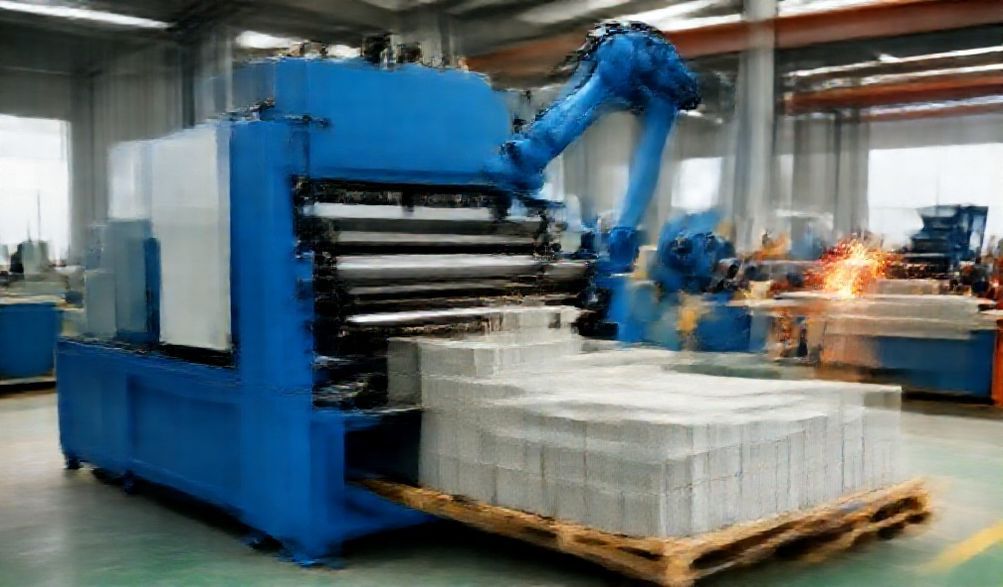
الدليل الشامل لمصانع آلات صناعة الطوب في الصين: الجودة، التكلفة، وكيفية الاختيار
تدير صناعة البناء العالمية باستخدام الطوب والكتل والأحجار الرصفية. من بناء المنازل إلى رصف المدن، يظل الطلب على إنتاج الطوب الموثوق وعالي الكثافة مستمراً. وفي صميم هذه الصناعة توجد الآلات التي تجعل كل ذلك ممكناً. لأصحاب الأعمال وشركات البناء ورجال الأعمال حول العالم، غالباً ما تؤدي عملية توريد هذه المعدات الحيوية إلى وجهة مهيمنة واحدة: الصين.
لقد عززت الصين دورها كمركز تصنيع عالمي لآلات صناعة الطوب، مقدمة مزيجاً لا مثيل له من الحجم والتكنولوجيا والقيمة. ومع ذلك، يمكن أن يكون التنقل في هذا السوق الواسع أمراً شاقاً. كيف تميز المصنعين ذوي السمعة الطيبة عن البقية؟ ما هي التكاليف الخفية؟ كيف تضمن أن الآلة التي تشتريها مناسبة تماماً لموادك المحلية وأهدافك الإنتاجية؟
هذا الدليل الشامل مصمم ليكون مصدرك الموثوق. سنكشف النقاب عن مشهد مصانع آلات صناعة الطوب الصينية، ونستعرض التكنولوجيا المتاحة، ونقدم إطارًا واضحًا وخطوة بخطوة لاتخاذ قرار شراء مستنير وواثق يتوافق مع احتياجات مشروعك وميزانيتك.
الصين هي الرائدة عالميًا في صناعة آلات تصنيع الطوب
中国在重型机械制造领域的主导地位并非偶然。这是数十年战略发展的成果,构建了一个在效率和产出方面都难以匹敌的生态系统。就制砖机械而言,这一领先地位建立在三大支柱之上。
النطاق والنظام الإيكولوجي للتصنيع
تستند قوة التصنيع في الصين إلى نظامها الصناعي المتكامل الهائل. بالنسبة لمصانع آلات صنع الطوب، يعني هذا الوصول المباشر إلى سلسلة التوريد بأكملها.
- المواد الخام:القرب من إنتاج الصلب الواسع، ومصانع السباكة للمسبوكات، ومصنعي الأسطوانات الهيدروليكية والمضخات والمكونات الكهربائية.
- الصناعات المتكتلة:غالبًا ما توجد الصناعات ذات الصلة مثل صناعة القوالب، وضوابط الأتمتة، واللحام الثقيل في نفس المناطق الصناعية، مما يبسط الإنتاج ويقلل التكاليف.
- مجموعة العمالة الماهرةطاقم عميق من المهندسين واللحامين والفنيين ذوي الخبرة المتخصصين في تجميع المعدات الثقيلة.
يسمح هذا التكامل الرأسي للمصانع بالتحكم في الجودة من الأساس، وتقليل أوقات التسليم، وتحقيق وفورات الحجم التي تترجم مباشرة إلى مزايا تنافسية للمشتري.
التقدم التكنولوجي والابتكار
لقد تغيرت نظرة التصنيع الصيني بشكل كبير، حيث تجاوزت الصناعة مرحلة التقليد إلى الابتكار الحقيقي. اليوم، تنتج المصانع الصينية الرائدة آلات تتميز بـ:
- عالية الأتمتة:تتميز بأنظمة متحكم منطقي قابل للبرمجة (PLC) مع واجهات شاشة تعمل باللمس للتحكم الدقيق في الضغط والاهتزاز وأوقات الدورة.
- صديق للبيئة:تتخصص في آلات تستخدم النفايات الصناعية مثل الرماد المتطاير والخبث ومخلفات البناء لإنتاج طوب غير محروق وصديق للبيئة.
- ذكي ومتصل:دمج أجهزة استشعار إنترنت الأشياء (IoT) للمراقبة عن بُعد لصحة الآلات، وبيانات الإنتاج، وتنبيهات الصيانة التنبؤية.
هذا التركيز على البحث والتطوير يضمن للمشترين الوصول إلى تكنولوجيا حديثة وفعالة تلبي المعايير الدولية.
فعالية التكلفة والتسعير التنافسي
مزيج الحجم، وكفاءة سلسلة التوريد، وأسواق العمل التنافسية يتيح للمصنعين الصينيين تقديم قيمة استثنائية. من المهم فهم أن "التكلفة المنخفضة" لا تعني بالضرورة "الجودة المنخفضة". بل تعكس:
- تكاليف أقل في الإدارة والإنتاج.
- منافسة سوقية شديدة تدفع نحو الابتكار والتسعير العادل.
- القدرة على تقديم مجموعة أوسع من الخيارات، بدءًا من الآلات اليدوية منخفضة التكلفة وصولاً إلى خطوط الإنتاج الآلية المتميزة.
بالنسبة للمشتري، هذا يعني الحصول على مواصفات أعلى وتقنية أفضل مقابل استثمارهم مقارنة بالعديد من وجهات التوريد الأخرى.
أنواع آلات صناعة الطوب المنتجة في الصين
مجموعة الآلات المتاحة مذهلة. فهم الفئات الرئيسية هو الخطوة الأولى لتحديد الآلة المناسبة لعملية تشغيلك.
حسب طريقة التشغيل
- الآلات اليدوية/شبه الآلية:مثالي للمشاريع الناشئة الصغيرة، أو المشاريع المجتمعية، أو العمليات منخفضة الميزانية. تتطلب عمالة أكثر ولكنها تحتاج إلى استثمار أولي أقل. مثالي لإنتاج الطوب للاستخدام الشخصي أو للأسواق المحلية جداً.
- آلات صناعة البلوك الآلية بالكامل:خيول العمل في إنتاج الطوب التجاري. تدمج هذه الخطوط أنظمة التغذية الآلية للمواد، والقولبة، والمعالجة، وإعادة المنصات. فهي تتطلب الحد الأدنى من التدخل البشري ويمكنها إنتاج آلاف البلوكات في كل وردية.
- آلات صناعة الطوب المتنقلة:مثبتة على مقطورات، تم تصميم هذه الوحدات للإنتاج في الموقع، مما يلغي تكاليف نقل الطوب النهائي. وهي ضرورية للمشاريع الإنشائية الكبيرة والنائية مثل بناء الطرق أو تشييد السدود.
حسب نوع الطوب
- آلات صناعة البلوك المجوف:تنتج كتل خفيفة الوزن وعازلة تستخدم في بناء الجدران. قطاع سوق ضخم في الصين.
- Interlocking Paver/Brick Machines: Produce paving stones and bricks that lock together without mortar, used for driveways, walkways, and landscaping.
- آلات الطوب الصلب: For producing dense, high-strength solid bricks used in load-bearing structures.
- Curbstone and Kerb Making Machines: Specialized machines for producing concrete curbs and landscape edging.
By Processing Technology
- Hydraulic Pressure Brick Machines: The most common and versatile type. They use high hydraulic pressure to compact concrete mix into molds, producing very dense and strong bricks with excellent surface finish.
- Vibration-Press Machines: Often used in conjunction with hydraulic systems. They use high-frequency vibration to compact materials like fly ash or cement, ensuring even density, especially for hollow blocks.
- Extrusion Machines: Primarily for clay brick production. They force clay through a die to form a continuous column, which is then wire-cut into individual bricks before firing.
Key Factors When Selecting a Chinese Manufacturer
Choosing the right factory is more important than choosing the right machine model. A reliable partner ensures quality, service, and long-term success.
Factory Credentials and Experience
Do not skip due diligence. A legitimate factory will be transparent.
* Business License: Request a copy to verify their legal entity name and registration.
* History: Prefer factories with 10+ years of operation. This indicates stability and accumulated technical know-how.
* الشهادات: Look for international standards like آيزو 9001(إدارة الجودة) وعلامة CE (indicating compliance with EU health, safety, and environmental standards). These are strong indicators of a quality-focused process.
Production Capacity and Quality Control
A factory’s physical operation tells the real story.
* Request a Virtual Tour: A live video call on the factory floor is a standard request. Observe the organization, equipment, and workflow.
* Ask About QC: Inquire about their quality control process. Do they test incoming materials (steel plate, hydraulic parts)? Do they have a pre-delivery testing protocol for every machine?
* Component Brands: Ask which brands they use for critical components like hydraulic systems (e.g., Rexroth, Yuken), PLCs (e.g., Siemens, Mitsubishi), and electrical parts. This speaks volumes about the machine’s longevity.
Machine Specifications and Customization
Move beyond brochure promises to hard specifications.
* Key Specs: Pressure (tonnage), Cycle Time (seconds per block), Output (blocks per 8-hour shift), Power Requirements, and Machine Dimensions.
* قابلية التخصيص Can they adapt the machine for your local raw materials (e.g., specific soil composition, aggregate size)? Can they manufacture custom molds for unique brick designs? This flexibility is a sign of engineering expertise.
After-Sales Service and Support
This is the most critical, yet most overlooked, factor.
* الضمان: What is covered (parts, labor)? For how long (typically 12-24 months)? What is the process for claiming?
* قطع الغيار: Are parts readily available? Will they provide a recommended spare parts list with your quotation?
* الدعم الفني Do they provide comprehensive English manuals, electrical diagrams, and hydraulic schematics? What is their policy for remote troubleshooting (e.g., via WhatsApp, video call)?
* التثبيت والتدريب: Is on-site guidance included or available at an extra cost? Clarify this قبل signing the contract.
Navigating the Sourcing Process: Steps and Best Practices
A structured approach minimizes risk and maximizes the chance of a successful purchase.
Effective Supplier Research and Shortlisting
- B2B Platforms: Start on Alibaba.comأوMade-in-China.com. Use filters for “Verified Suppliers,” “Trade Assurance,” and “Assessed Suppliers.” Read buyer reviews critically.
- Beyond Platforms: Search for manufacturers with independent websites. Those investing in a professional online presence often have stronger export experience.
- Create a Shortlist: Compile 5-7 potential suppliers. Do not just go with the first or cheapest quote.
Communication and Quotation Analysis
- Prepare a Detailed RFQ: Include desired brick type, dimensions, daily output, raw material details, and preferred automation level. The more detail you provide, the more accurate the quote.
- Decode the Quote: Understand FOB (التسليم على ظهر السفينة) vs. CIF (Cost, Insurance, Freight). FOB means the price includes delivery to the Chinese port; you handle shipping and import. CIF includes shipping to your nearest port; you handle import only.
- Identify Hidden Costs: Ask explicitly if the quote includes: Standard molds, a starter kit of spare parts, tool kits, and essential documentation.
The Importance of Sample Inspection and Factory Audit
- Production Sample: For standard bricks, you can order a sample batch produced by the factory to check quality and dimensions.
- Third-Party Inspection: For full machines, hiring an inspection company like SGS, Bureau Veritas, or TÜV to conduct a Pre-Shipment Inspection (PSI) is a wise investment. They will check construction quality, electrical safety, and perform a test run before shipment.
Understanding Logistics, Shipping, and Import Duties
- التعبئة والتغليف: Ensure the factory uses export-grade, steel-framed wooden crates for sea freight.
- Shipping Agent: It is advisable to use a freight forwarder, either one you source or one recommended by the supplier. They handle customs documentation, booking, and logistics.
- Your Responsibilities: You are typically responsible for clearing the machine through customs in your own country, paying import duties and taxes (VAT/GST). Research these costs with a local agent قبل purchasing.
Common Challenges and How to Mitigate Risks
Forewarned is forearmed. Being aware of potential pitfalls is key to avoiding them.
Quality vs. Price Trade-offs
- The Risk: An extremely low price almost always signals a compromise—thinner steel, non-branded hydraulics, poor welding.
- التخفيف: Focus on التكلفة الإجمالية للملكية, not just purchase price. A slightly more expensive machine from a reputable builder will have far lower downtime and maintenance costs over 5 years. Request detailed component lists and compare them.
Communication and Language Barriers
- The Risk: Misunderstandings over specifications, payment terms, or service agreements.
- التخفيف: Use clear, simple English. Communicate all critical details via email to create a written record. Use diagrams, photos, and marked-up PDFs. For complex negotiations, consider a sourcing agent or translator.
Protecting Intellectual Property and Payments
- The Risk: Losing a custom brick design or making an advance payment to an unreliable supplier.
- التخفيف:
- Payments: Use secure methods. Alibaba Trade AssuranceأوEscrow services hold payment until you confirm satisfactory delivery. For large orders, a Letter of Credit (L/C) through your bank is the standard, secure instrument.
- IP Protection: For custom molds or machine designs, have a simple Non-Disclosure Agreement (NDA) signed before sharing detailed technical drawings.
الأسئلة الشائعة (FAQ)
Q1: What is the average price range for a brick making machine from China?
A: Prices vary widely from a few thousand USD for a small manual machine to over $100,000 for a fully automated production line. The cost depends on automation level, output capacity, and configuration. Always request detailed quotes based on your specific needs.
Q2: How can I verify the reliability of a Chinese brick machine factory?
A: Check their business license (ask for a copy), years in operation, and client testimonials/videos. Request a virtual factory tour via video call. Verify certifications and ask for contact information of previous international clients for references.
Q3: Do Chinese manufacturers provide installation and training?
A: Reputable manufacturers typically provide detailed operation manuals, video guides, and remote online support. On-site installation and training are usually available but are an additional cost covered by the buyer. Clarify this in the contract.
Q4: What is the typical lead time for production and shipping?
A: Production can take 15-45 days after order confirmation, depending on machine complexity. Sea shipping can add 30-60 days to major global ports. Always factor in total timeline from order to delivery at your site.
Q5: Can machines be adapted to use local raw materials (like soil or fly ash) in my country?
A: Yes, most professional factories can customize the machine’s mixing system and mold pressure settings to suit your locally available materials. You must provide detailed samples or specifications of your raw materials during the inquiry stage.
خاتمة
Sourcing a brick making machine from China presents a significant opportunity to access world-class manufacturing technology at a compelling value. The advantages of scale, innovation, and cost-effectiveness are real and powerful. However, success in this venture is not automatic—it is earned through diligent research, clear and documented communication, and a commitment to partnering with a credible manufacturer.
Use this guide as your roadmap. Look beyond the price tag to evaluate the factory’s credentials, quality processes, and, most importantly, their commitment to after-sales support. By doing so, you transform a complex international purchase into a strategic investment—one that will form the reliable, productive backbone of your construction or brick manufacturing business for years to come. The future of brick making is increasingly automated, sustainable, and smart, and China’s leading factories are at the forefront of this evolution, ready to equip ambitious businesses worldwide.
<