
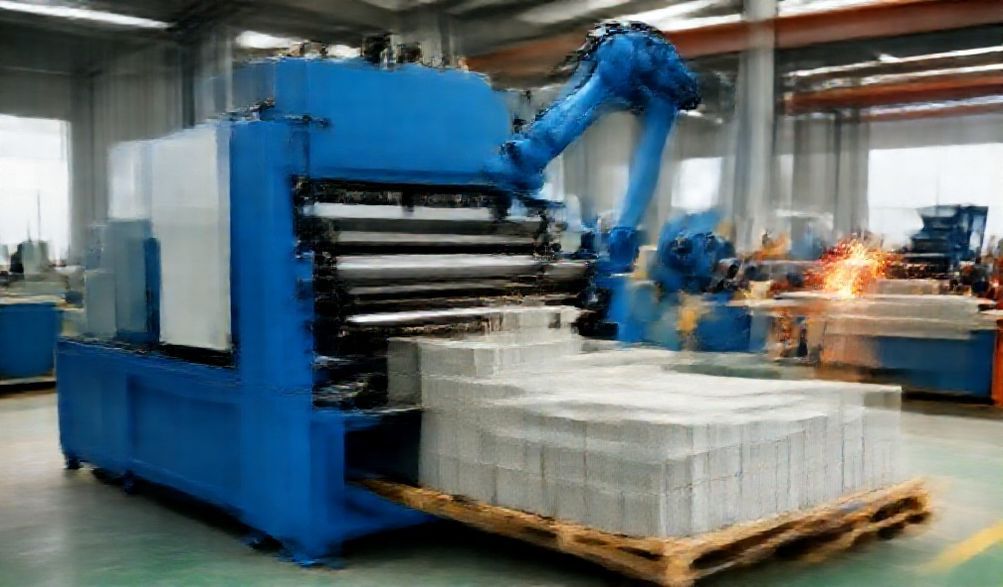
Panduan Utama Pabrik Mesin Pembuat Batu Bata di China: Kualitas, Biaya & Cara Memilih
Industri konstruksi global bergantung pada batu bata, balok, dan paving block. Dari membangun rumah hingga mengaspal kota, permintaan akan produksi batu bata yang andal dan dalam volume tinggi terus berlangsung. Inti dari industri ini adalah mesin-mesin yang membuat semuanya menjadi mungkin. Bagi pemilik bisnis, firma konstruksi, dan pengusaha di seluruh dunia, mencari sumber peralatan kritis ini seringkali mengarah pada satu tujuan utama: Tiongkok.
China telah memperkokoh perannya sebagai pusat manufaktur global untuk mesin pembuat bata, menawarkan kombinasi skala, teknologi, dan nilai yang tak tertandingi. Namun, mengarungi pasar yang luas ini bisa menjadi menakutkan. Bagaimana cara membedakan produsen terpercaya dari yang lain? Apa saja biaya tersembunyi yang ada? Bagaimana memastikan mesin yang Anda beli benar-benar cocok untuk bahan lokal dan tujuan produksi Anda?
Panduan komprehensif ini dirancang sebagai sumber terpercaya Anda. Kami akan mengungkap seluk-beluk pabrik mesin pembuat bata di Tiongkok, mengeksplorasi teknologi yang tersedia, serta menyediakan kerangka kerja langkah demi langkah yang jelas untuk membantu Anda membuat keputusan pembelian yang terinformasi dan percaya diri, sesuai dengan kebutuhan proyek dan anggaran Anda.
Mengapa China Menjadi Pemimpin Global dalam Mesin Pembuat Batu Bata
Dominasi China dalam manufaktur mesin berat bukanlah suatu kebetulan. Ini adalah hasil dari puluhan tahun pengembangan strategis, menciptakan ekosistem yang sangat sulit ditandingi dalam hal efisiensi dan output. Ketika menyangkut mesin pembuat batu bata, kepemimpinan ini dibangun di atas tiga pilar fondasional.
Skala dan Ekosistem Manufaktur
Kekuatan manufaktur China berakar pada ekosistem industri terintegrasi yang sangat besar. Bagi pabrik mesin pembuat bata, ini berarti akses langsung ke seluruh rantai pasokan:
- Bahan Baku:Kedekatan dengan produksi baja berskala besar, pengecoran untuk produk tuang, serta produsen silinder hidrolik, pompa, dan komponen listrik.
- Industri Terkluster:Industri terkait seperti pembuatan cetakan, kontrol otomatisasi, dan pengelasan berat sering berlokasi di wilayah industri yang sama, yang menyederhanakan produksi dan mengurangi biaya.
- Kolam Tenaga Kerja Terampil:Sejumlah besar insinyur, tukang las, dan teknisi berpengalaman yang terspesialisasi dalam perakitan peralatan berat.
Integrasi vertikal ini memungkinkan pabrik mengendalikan kualitas dari hulu ke hilir, mengurangi waktu tunggu produksi, dan mencapai skala ekonomi yang langsung memberikan keunggulan kompetitif bagi pembeli.
Kemajuan dan Inovasi Teknologi
Persepsi terhadap manufaktur Tiongkok telah mengalami perubahan dramatis. Industri ini telah melampaui sekadar peniruan menuju inovasi yang sesungguhnya. Pabrik-pabrik terkemuka Tiongkok saat ini menghasilkan mesin-mesin yang:
- Sangat Otomatis:Dilengkapi dengan sistem Programmable Logic Controller (PLC) yang memiliki antarmuka layar sentuh untuk kontrol presisi atas tekanan, getaran, dan waktu siklus.
- Ramah Lingkungan:Mengkhususkan diri dalam mesin yang memanfaatkan limbah industri seperti abu terbang, terak, dan puing konstruksi untuk memproduksi bata ramah lingkungan tanpa pembakaran.
- Cerdas dan Terhubung:Mengintegrasikan sensor IoT (Internet of Things) untuk pemantauan jarak jauh terhadap kesehatan mesin, data produksi, dan peringatan perawatan prediktif.
Fokus pada penelitian dan pengembangan ini memastikan bahwa pembeli memiliki akses ke teknologi modern dan efisien yang memenuhi standar internasional.
Efektivitas Biaya dan Harga Kompetitif
Kombinasi skala, efisiensi rantai pasokan, dan pasar tenaga kerja yang kompetitif memungkinkan produsen China menawarkan nilai yang luar biasa. Penting untuk dipahami bahwa "biaya rendah" tidak secara inheren berarti "kualitas rendah." Sebaliknya, hal ini mencerminkan:
- Biaya overhead dan produksi yang lebih rendah.
- Persaingan pasar yang intens yang mendorong inovasi dan penetapan harga yang adil.
- Kemampuan untuk menawarkan beragam pilihan, mulai dari mesin manual yang hemat biaya hingga lini otomatis premium.
Bagi pembeli, ini berarti mendapatkan spesifikasi yang lebih tinggi dan teknologi yang lebih baik untuk investasi mereka dibandingkan dengan banyak tujuan sumber daya lainnya.
Jenis-Jenis Mesin Pembuat Batu Bata yang Diproduksi di China
Ragam mesin yang tersedia sangatlah banyak. Memahami kategori utamanya adalah langkah pertama untuk mengidentifikasi mesin yang tepat bagi operasi Anda.
Berdasarkan Metode Operasi
- Mesin Manual/Semi-Otomatis:Ideal untuk startup skala kecil, proyek komunitas, atau operasi dengan anggaran terbatas. Mereka membutuhkan lebih banyak tenaga kerja tetapi memiliki investasi awal yang lebih rendah. Sempurna untuk memproduksi batu bata untuk penggunaan sendiri atau pasar yang sangat lokal.
- Mesin Pembuat Blok Sepenuhnya Otomatis:Kuda-kuda andalan produksi batu bata komersial. Lini-lini ini mengintegrasikan sistem pengumpanan material otomatis, pencetakan, pematangan, dan pengembalian palet. Mereka memerlukan intervensi manusia minimal dan dapat menghasilkan ribuan blok per shift.
- Mesin Pembuat Batu Bata Seluler:Dipasang pada trailer, unit-unit ini dirancang untuk produksi di lokasi, menghilangkan biaya transportasi untuk batu bata jadi. Penting untuk proyek konstruksi besar dan terpencil seperti pembangunan jalan atau konstruksi bendungan.
Berdasarkan Jenis Bata yang Dihasilkan
- Mesin Pembuat Batako:Menghasilkan blok ringan dan insulasi yang digunakan dalam konstruksi dinding. Segmen pasar yang sangat besar di Tiongkok.
- Mesin Paving/Bata Saling Mengunci:Buat batu paving dan bata yang saling mengunci tanpa semen, digunakan untuk jalan masuk, jalur pejalan kaki, dan lansekap.
- Mesin Bata Padat:Untuk menghasilkan bata padat berkekuatan tinggi yang digunakan dalam struktur penahan beban.
- Mesin Pembuat Trotoar dan Kerb:Mesin khusus untuk memproduksi pembatas beton dan tepian lansekap.
Dengan Teknologi Pengolahan
- Mesin Bata Tekanan Hidrolik: The most common and versatile type. They use high hydraulic pressure to compact concrete mix into molds, producing very dense and strong bricks with excellent surface finish.
- Vibration-Press Machines: Often used in conjunction with hydraulic systems. They use high-frequency vibration to compact materials like fly ash or cement, ensuring even density, especially for hollow blocks.
- Mesin Ekstrusi Primarily for clay brick production. They force clay through a die to form a continuous column, which is then wire-cut into individual bricks before firing.
Key Factors When Selecting a Chinese Manufacturer
Choosing the right factory is more important than choosing the right machine model. A reliable partner ensures quality, service, and long-term success.
Factory Credentials and Experience
Do not skip due diligence. A legitimate factory will be transparent.
* Izin Usaha: Request a copy to verify their legal entity name and registration.
* History: Prefer factories with 10+ years of operation. This indicates stability and accumulated technical know-how.
* Sertifikasi: Look for international standards like ISO 9001(Manajemen Mutu) danSertifikasi CE (indicating compliance with EU health, safety, and environmental standards). These are strong indicators of a quality-focused process.
Production Capacity and Quality Control
A factory’s physical operation tells the real story.
* Request a Virtual Tour: A live video call on the factory floor is a standard request. Observe the organization, equipment, and workflow.
* Ask About QC: Inquire about their quality control process. Do they test incoming materials (steel plate, hydraulic parts)? Do they have a pre-delivery testing protocol for every machine?
* Component Brands: Ask which brands they use for critical components like hydraulic systems (e.g., Rexroth, Yuken), PLCs (e.g., Siemens, Mitsubishi), and electrical parts. This speaks volumes about the machine’s longevity.
Machine Specifications and Customization
Move beyond brochure promises to hard specifications.
* Spesifikasi Utama: Pressure (tonnage), Cycle Time (seconds per block), Output (blocks per 8-hour shift), Power Requirements, and Machine Dimensions.
* Customization Ability: Can they adapt the machine for your local raw materials (e.g., specific soil composition, aggregate size)? Can they manufacture custom molds for unique brick designs? This flexibility is a sign of engineering expertise.
Layanan dan Dukungan Purna Jual
This is the most critical, yet most overlooked, factor.
* Garansi: What is covered (parts, labor)? For how long (typically 12-24 months)? What is the process for claiming?
* Suku Cadang: Are parts readily available? Will they provide a recommended spare parts list with your quotation?
* Dukungan Teknis: Do they provide comprehensive English manuals, electrical diagrams, and hydraulic schematics? What is their policy for remote troubleshooting (e.g., via WhatsApp, video call)?
* Pemasangan & Pelatihan: Is on-site guidance included or available at an extra cost? Clarify this sebelumnya signing the contract.
Navigating the Sourcing Process: Steps and Best Practices
A structured approach minimizes risk and maximizes the chance of a successful purchase.
Effective Supplier Research and Shortlisting
- B2B Platforms: Start on Alibaba.comatauMade-in-China.com. Use filters for “Verified Suppliers,” “Trade Assurance,” and “Assessed Suppliers.” Read buyer reviews critically.
- Beyond Platforms: Search for manufacturers with independent websites. Those investing in a professional online presence often have stronger export experience.
- Create a Shortlist: Compile 5-7 potential suppliers. Do not just go with the first or cheapest quote.
Communication and Quotation Analysis
- Prepare a Detailed RFQ: Include desired brick type, dimensions, daily output, raw material details, and preferred automation level. The more detail you provide, the more accurate the quote.
- Decode the Quote: Understand FOB (Free On Board) vs. CIF (Cost, Insurance, Freight). FOB means the price includes delivery to the Chinese port; you handle shipping and import. CIF includes shipping to your nearest port; you handle import only.
- Identify Hidden Costs: Ask explicitly if the quote includes: Standard molds, a starter kit of spare parts, tool kits, and essential documentation.
The Importance of Sample Inspection and Factory Audit
- Production Sample: For standard bricks, you can order a sample batch produced by the factory to check quality and dimensions.
- Third-Party Inspection: For full machines, hiring an inspection company like SGS, Bureau Veritas, or TÜV to conduct a Pre-Shipment Inspection (PSI) is a wise investment. They will check construction quality, electrical safety, and perform a test run before shipment.
Understanding Logistics, Shipping, and Import Duties
- Kemasan: Ensure the factory uses export-grade, steel-framed wooden crates for sea freight.
- Shipping Agent: It is advisable to use a freight forwarder, either one you source or one recommended by the supplier. They handle customs documentation, booking, and logistics.
- Your Responsibilities: You are typically responsible for clearing the machine through customs in your own country, paying import duties and taxes (VAT/GST). Research these costs with a local agent sebelumnya purchasing.
Common Challenges and How to Mitigate Risks
Forewarned is forearmed. Being aware of potential pitfalls is key to avoiding them.
Quality vs. Price Trade-offs
- The Risk: An extremely low price almost always signals a compromise—thinner steel, non-branded hydraulics, poor welding.
- Mitigasi: Focus on Total Biaya Kepemilikan, not just purchase price. A slightly more expensive machine from a reputable builder will have far lower downtime and maintenance costs over 5 years. Request detailed component lists and compare them.
Communication and Language Barriers
- The Risk: Misunderstandings over specifications, payment terms, or service agreements.
- Mitigasi: Use clear, simple English. Communicate all critical details via email to create a written record. Use diagrams, photos, and marked-up PDFs. For complex negotiations, consider a sourcing agent or translator.
Protecting Intellectual Property and Payments
- The Risk: Losing a custom brick design or making an advance payment to an unreliable supplier.
- Mitigasi:
- Payments: Use secure methods. Alibaba Trade AssuranceatauEscrow services hold payment until you confirm satisfactory delivery. For large orders, a Surat Kredit (L/C) through your bank is the standard, secure instrument.
- IP Protection: For custom molds or machine designs, have a simple Non-Disclosure Agreement (NDA) signed before sharing detailed technical drawings.
Pertanyaan yang Sering Diajukan (FAQ)
Q1: What is the average price range for a brick making machine from China?
A: Prices vary widely from a few thousand USD for a small manual machine to over $100,000 for a fully automated production line. The cost depends on automation level, output capacity, and configuration. Always request detailed quotes based on your specific needs.
Q2: How can I verify the reliability of a Chinese brick machine factory?
A: Check their business license (ask for a copy), years in operation, and client testimonials/videos. Request a virtual factory tour via video call. Verify certifications and ask for contact information of previous international clients for references.
Q3: Do Chinese manufacturers provide installation and training?
A: Reputable manufacturers typically provide detailed operation manuals, video guides, and remote online support. On-site installation and training are usually available but are an additional cost covered by the buyer. Clarify this in the contract.
Q4: What is the typical lead time for production and shipping?
A: Production can take 15-45 days after order confirmation, depending on machine complexity. Sea shipping can add 30-60 days to major global ports. Always factor in total timeline from order to delivery at your site.
Q5: Can machines be adapted to use local raw materials (like soil or fly ash) in my country?
A: Yes, most professional factories can customize the machine’s mixing system and mold pressure settings to suit your locally available materials. You must provide detailed samples or specifications of your raw materials during the inquiry stage.
Kesimpulan
Sourcing a brick making machine from China presents a significant opportunity to access world-class manufacturing technology at a compelling value. The advantages of scale, innovation, and cost-effectiveness are real and powerful. However, success in this venture is not automatic—it is earned through diligent research, clear and documented communication, and a commitment to partnering with a credible manufacturer.
Use this guide as your roadmap. Look beyond the price tag to evaluate the factory’s credentials, quality processes, and, most importantly, their commitment to after-sales support. By doing so, you transform a complex international purchase into a strategic investment—one that will form the reliable, productive backbone of your construction or brick manufacturing business for years to come. The future of brick making is increasingly automated, sustainable, and smart, and China’s leading factories are at the forefront of this evolution, ready to equip ambitious businesses worldwide.
<