
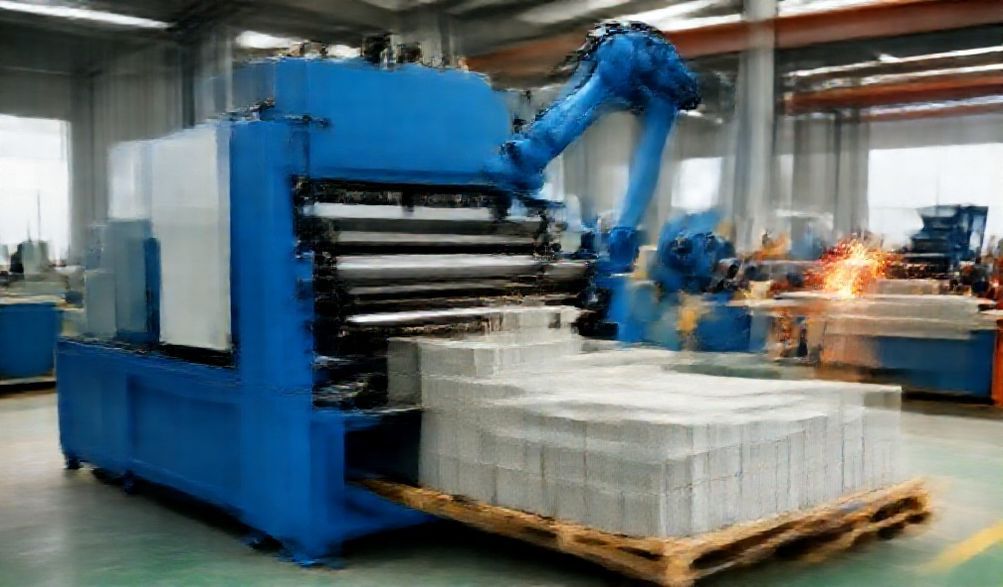
Qaybta Ugu Wanaagsan ee Warshadaha Makinada Lebiska ee Shiinaha: Tayada, Qiimaha & Sida Loo Xulo
Warshada dhismaha caalamku waxay ku tiirsan tahay lebiska, buloockada, iyo labada. Laga soo bilaabo dhismooyinka guryaha ilaa dhisidda magaalooyinka, baahida soo saarista lebbiska tayo sare leh oo tiro badan waa mid joogto ah. Qalbida warshadan waxaa ka mid ah makiinadaha ay ku suurtagasho dhammaan. Maamulayaasha ganacsiga, shirkadaha dhismaha, iyo ganacsatada adduunka oo dhan, baaritaanka qalabkan muhiimka ah badanaa waxay u horseedaa hal meel aad u caan ah: Shiinaha.
Shiinaha waxay xaqiijisay doorashadeeda sida xarunta wax soo saarka ee dunida ee makiinadaha sameynta lebbiska, iyadoo ay bixiso isku darka aan la barbardhigi karin ee cabbirka, teknoolajiyada, iyo qiimaha. Si kastaba ha ahaatee, dhaqdhaqaaqa suuqa weynani wuxuu noqon kara mid cabsi geliya. Sidee baad u kala saari kartaa soosaarayaasha ammaanka ah kuwa kale? Waa maxay kharashaadaha qarsoon? Sidee baad u hubin kartaa in makiinada aad iibsato ay si fiican ugu habboon tahay qalabka iyo ujeeddada wax soo saarka ee gobolkaaga?
Halkan waa hagitaan dhammaystiran oo loo tala galay in uu noqdo ilaha aad ku kalsoon tahay. Waxaan si cad uga hadli doonaa goobta warshadaha Makinadaha Dhismo Lebiska Shiinaha, waxaanu baari doonnaa teknoolajiyada la heli karo, waxaanuna siin doonnaa qaab dhismeed cad, talaabo-talaabo ah oo lagu sameeyo go’aan iibsasho oo xogta ku dhisan, kalsooni leh oo u dhigma baahiyaha mashruucaaga iyo miisaaniyadda.
Sababta ay China ugu Horaysay Adduunka ee Makinadaha Dhismaha Lebi
Xukunka ay Soomaaliya ka muugato ee warshadaha qalabka culus waxay ahayd mid aan dhacsi ahayn. Waxay ka dhalatay qorsheyntii iyo horumarinta qarniyo badan, iyadoo la abuuray nidaam isku dhafan oo aad adag in la la mid gaaro ee ku saabsan wax soo saarka iyo wax soo saarka. Marka loo eego makiinadaha dhismeeya lebi, hoggaamintaan waxaa ku dhisan sadar tiir oo aasaasi ah.
Miisaamka iyo Habka Warshadeynta
Awoodda warshadeynta Shiinaha waxaa sal u ah nidaamka warshadeedka weyn ee is-dhafan. Warshadaha mashiinnada koriinta lebbiska, taas waxay ka dhigan tahay helitaanka tooska ah ee silsiladda dhoofinta oo dhan:
- Qalabka Asalka:U dhoweyn warshadaha weyn ee birta, goobaha nadiifinta iyo soo saarayaasha silindhada haydrolik, bomabka iyo qaybaha korontada.
- Warshadaha Isku-Xidhan:Warshadaha la xidhiidha sida sameynta qalabka, habka otomaatiga, iyo weldigga culus waxay inta badan ku yaalaan gobollada warshadeed ee isku mid ah, iyagoo hagaajinaya wax soo saarka iyo hoos u dhigaya kharashka.
- Khibradda Shaqaalaha XirfadlayaashaKoox dheeraad ah oo ka kooban injineero, welders, iyo technicians khabiir ku ah isugu-dhisyada qalabka culus.
Isku-dhafkaan dhinac-sare ayaa u oggolaanayaa warshadaha inay xakameeyaan tayada ilaa hoos ugu bilowga, ay yareeyaan waqtiga soo saarista, oo ay gaaraan dhaqdhaqaaqa dhaqaale oo si toos ah ugu beddelay faa'iidooyin tartan leh ee iibsadaha.
Horumarinta Teknoolojiyada iyo Hal-abuurka
Fahamka wasiirrada Shiinaha ayaa si weyn isu beddelay. Warshaduhu waxay ka sii dhaafeen tirinta ilaa hal-abuurnimo dhab ah. Warshadaha Shiinaha ee hogaaminaya maanta waxay soo saaraan makiinado kuwaas oo:
- Aad u Automate-gareeyay:Waxaa ku jira Nidaamka Kontaroolka Loogiska Barnaamijyada (PLC) leh isha la taabto si loo xakameeyo si sax ah cadaadiska, gariirka, iyo waqtiyada wareegga.
- Dabeecadda Nololeed ee La Dhaqmo:Mashiinada gaar u ah kuwa isticmaala dhaqaalehada warshadeed sida baruurta dufanka, dhoobada, iyo burburka dhismooyinka si ay u soo saaraan lebiska aan la shidan, oo aan dhibaato ku yeelin deegaanka.
- Fikrad leh oo Isku Xidhan:Ku darista sensorada IoT (Internetka Waxyaabaha) si loo sameeyo kormeerka masaafada ah ee caafimaadka mashiinka, xogta wax soo saarka, iyo digniinta dayactirka saadaasha ah.
Tixgelintan R&D waxay hubinaysaa in iibsadayaasha ay helaan farsamada casri ah, wax ku ool ah oo buuxinaya heerarka caalamiga ah.
Qiimaha Wax-ku-oolka ah iyo Qiimaha Tartanka
Isku-darka cabbirka, wax-ka-beddelka habka soo saarista, iyo suuqyada shaqaalaha ee tartamayaasha ayaa u oggolaanaya warshadaha Shiinaha inay bixiyaan qiimo aad u sarreeya. Muhiim waa in la fahmo in "qiimo jaban" aanay macnaheeda ugu jirin "tayo jaban." Halkii, waxay ka turjumaysaa:
- Kharaar iyo kharashyada wax soo saarka oo hoosaysan.
- Suuq-gacmeedka kulul ee kor u qaada horumarinta iyo qiimaynta caddaalad ah.
- Awoodda siin kara doorashooyin dheeraad ah, laga bilaabo mashiinnada gacanta ee qiimo jaban ilaa khatarada otomaatiga ee heer sare.
Macaamiisha, tani waxay ka dhigan tahay inay helaan tayada sare iyo teknoolojiyada wanaagsan oo ay ku maalgashadaan iyadoo la barbardhigo meelo badan oo kale oo laga soo xaadirto.
Types of Brick Making Machines Produced in China
The variety of machinery available is staggering. Understanding the main categories is the first step to identifying the right machine for your operation.
By Operation Method
- Qalabka Gacanta/Gacanta Yar ee Awoodda Nafta. Ideal for small-scale startups, community projects, or low-budget operations. They require more labor but have a lower initial investment. Perfect for producing bricks for own use or very local markets.
- Makiinadaha Balaastariga ee Si Toos ah u Shaqeeya: The workhorses of commercial brick production. These lines integrate automatic material feeding, molding, curing, and pallet return systems. They require minimal human intervention and can produce thousands of blocks per shift.
- Mashiinada Lebiska Brikoodhka Mobilka: Mounted on trailers, these units are designed for on-site production, eliminating transport costs for finished bricks. Essential for large, remote construction projects like road building or dam construction.
By Brick Type Output
- Makiinadaha Sameynta Boodhka Madow: Produce lightweight, insulating blocks used in wall construction. A huge market segment in China.
- Interlocking Paver/Brick Machines: Produce paving stones and bricks that lock together without mortar, used for driveways, walkways, and landscaping.
- Solid Brick Machines: For producing dense, high-strength solid bricks used in load-bearing structures.
- Curbstone and Kerb Making Machines: Specialized machines for producing concrete curbs and landscape edging.
By Processing Technology
- Hydraulic Pressure Brick Machines: The most common and versatile type. They use high hydraulic pressure to compact concrete mix into molds, producing very dense and strong bricks with excellent surface finish.
- Vibration-Press Machines: Often used in conjunction with hydraulic systems. They use high-frequency vibration to compact materials like fly ash or cement, ensuring even density, especially for hollow blocks.
- Extrusion Machines: Primarily for clay brick production. They force clay through a die to form a continuous column, which is then wire-cut into individual bricks before firing.
Key Factors When Selecting a Chinese Manufacturer
Choosing the right factory is more important than choosing the right machine model. A reliable partner ensures quality, service, and long-term success.
Factory Credentials and Experience
Do not skip due diligence. A legitimate factory will be transparent.
* Business License: Request a copy to verify their legal entity name and registration.
* History: Prefer factories with 10+ years of operation. This indicates stability and accumulated technical know-how.
* Shahaadada: Look for international standards like ISO 9001(Quality Management) iyoCalaamadda CE (indicating compliance with EU health, safety, and environmental standards). These are strong indicators of a quality-focused process.
Production Capacity and Quality Control
A factory’s physical operation tells the real story.
* Request a Virtual Tour: A live video call on the factory floor is a standard request. Observe the organization, equipment, and workflow.
* Ask About QC: Inquire about their quality control process. Do they test incoming materials (steel plate, hydraulic parts)? Do they have a pre-delivery testing protocol for every machine?
* Component Brands: Ask which brands they use for critical components like hydraulic systems (e.g., Rexroth, Yuken), PLCs (e.g., Siemens, Mitsubishi), and electrical parts. This speaks volumes about the machine’s longevity.
Machine Specifications and Customization
Move beyond brochure promises to hard specifications.
* Key Specs: Pressure (tonnage), Cycle Time (seconds per block), Output (blocks per 8-hour shift), Power Requirements, and Machine Dimensions.
* Customization Ability: Can they adapt the machine for your local raw materials (e.g., specific soil composition, aggregate size)? Can they manufacture custom molds for unique brick designs? This flexibility is a sign of engineering expertise.
After-Sales Service and Support
This is the most critical, yet most overlooked, factor.
* Warranty: What is covered (parts, labor)? For how long (typically 12-24 months)? What is the process for claiming?
* Qaybaha Geynta: Are parts readily available? Will they provide a recommended spare parts list with your quotation?
* Taageerada Tekniko Do they provide comprehensive English manuals, electrical diagrams, and hydraulic schematics? What is their policy for remote troubleshooting (e.g., via WhatsApp, video call)?
* Rakibaad & Tababar: Is on-site guidance included or available at an extra cost? Clarify this hore signing the contract.
Navigating the Sourcing Process: Steps and Best Practices
A structured approach minimizes risk and maximizes the chance of a successful purchase.
Effective Supplier Research and Shortlisting
- B2B Platforms: Start on Alibaba.comamaMade-in-China.com. Use filters for “Verified Suppliers,” “Trade Assurance,” and “Assessed Suppliers.” Read buyer reviews critically.
- Beyond Platforms: Search for manufacturers with independent websites. Those investing in a professional online presence often have stronger export experience.
- Create a Shortlist: Compile 5-7 potential suppliers. Do not just go with the first or cheapest quote.
Communication and Quotation Analysis
- Prepare a Detailed RFQ: Include desired brick type, dimensions, daily output, raw material details, and preferred automation level. The more detail you provide, the more accurate the quote.
- Decode the Quote: Understand FOB (Free On Board) vs. CIF (Cost, Insurance, Freight). FOB means the price includes delivery to the Chinese port; you handle shipping and import. CIF includes shipping to your nearest port; you handle import only.
- Identify Hidden Costs: Ask explicitly if the quote includes: Standard molds, a starter kit of spare parts, tool kits, and essential documentation.
The Importance of Sample Inspection and Factory Audit
- Production Sample: For standard bricks, you can order a sample batch produced by the factory to check quality and dimensions.
- Third-Party Inspection: For full machines, hiring an inspection company like SGS, Bureau Veritas, or TÜV to conduct a Pre-Shipment Inspection (PSI) is a wise investment. They will check construction quality, electrical safety, and perform a test run before shipment.
Understanding Logistics, Shipping, and Import Duties
- Qalabka Ensure the factory uses export-grade, steel-framed wooden crates for sea freight.
- Shipping Agent: It is advisable to use a freight forwarder, either one you source or one recommended by the supplier. They handle customs documentation, booking, and logistics.
- Your Responsibilities: You are typically responsible for clearing the machine through customs in your own country, paying import duties and taxes (VAT/GST). Research these costs with a local agent hore purchasing.
Common Challenges and How to Mitigate Risks
Forewarned is forearmed. Being aware of potential pitfalls is key to avoiding them.
Quality vs. Price Trade-offs
- The Risk: An extremely low price almost always signals a compromise—thinner steel, non-branded hydraulics, poor welding.
- The Mitigation: Focus on Qiimaha Guud ee La Iska Leeyahay, not just purchase price. A slightly more expensive machine from a reputable builder will have far lower downtime and maintenance costs over 5 years. Request detailed component lists and compare them.
Communication and Language Barriers
- The Risk: Misunderstandings over specifications, payment terms, or service agreements.
- The Mitigation: Use clear, simple English. Communicate all critical details via email to create a written record. Use diagrams, photos, and marked-up PDFs. For complex negotiations, consider a sourcing agent or translator.
Protecting Intellectual Property and Payments
- The Risk: Losing a custom brick design or making an advance payment to an unreliable supplier.
- The Mitigation:
- Payments: Use secure methods. Alibaba Trade AssuranceamaEscrow services hold payment until you confirm satisfactory delivery. For large orders, a Letter of Credit (L/C) through your bank is the standard, secure instrument.
- IP Protection: For custom molds or machine designs, have a simple Non-Disclosure Agreement (NDA) signed before sharing detailed technical drawings.
Su'aalaha Inta Badan La Is Weydiiyo (FAQ)
Q1: What is the average price range for a brick making machine from China?
A: Prices vary widely from a few thousand USD for a small manual machine to over $100,000 for a fully automated production line. The cost depends on automation level, output capacity, and configuration. Always request detailed quotes based on your specific needs.
Q2: How can I verify the reliability of a Chinese brick machine factory?
A: Check their business license (ask for a copy), years in operation, and client testimonials/videos. Request a virtual factory tour via video call. Verify certifications and ask for contact information of previous international clients for references.
Q3: Do Chinese manufacturers provide installation and training?
A: Reputable manufacturers typically provide detailed operation manuals, video guides, and remote online support. On-site installation and training are usually available but are an additional cost covered by the buyer. Clarify this in the contract.
Q4: What is the typical lead time for production and shipping?
A: Production can take 15-45 days after order confirmation, depending on machine complexity. Sea shipping can add 30-60 days to major global ports. Always factor in total timeline from order to delivery at your site.
Q5: Can machines be adapted to use local raw materials (like soil or fly ash) in my country?
A: Yes, most professional factories can customize the machine’s mixing system and mold pressure settings to suit your locally available materials. You must provide detailed samples or specifications of your raw materials during the inquiry stage.
Gabagabo
Sourcing a brick making machine from China presents a significant opportunity to access world-class manufacturing technology at a compelling value. The advantages of scale, innovation, and cost-effectiveness are real and powerful. However, success in this venture is not automatic—it is earned through diligent research, clear and documented communication, and a commitment to partnering with a credible manufacturer.
Use this guide as your roadmap. Look beyond the price tag to evaluate the factory’s credentials, quality processes, and, most importantly, their commitment to after-sales support. By doing so, you transform a complex international purchase into a strategic investment—one that will form the reliable, productive backbone of your construction or brick manufacturing business for years to come. The future of brick making is increasingly automated, sustainable, and smart, and China’s leading factories are at the forefront of this evolution, ready to equip ambitious businesses worldwide.
<