
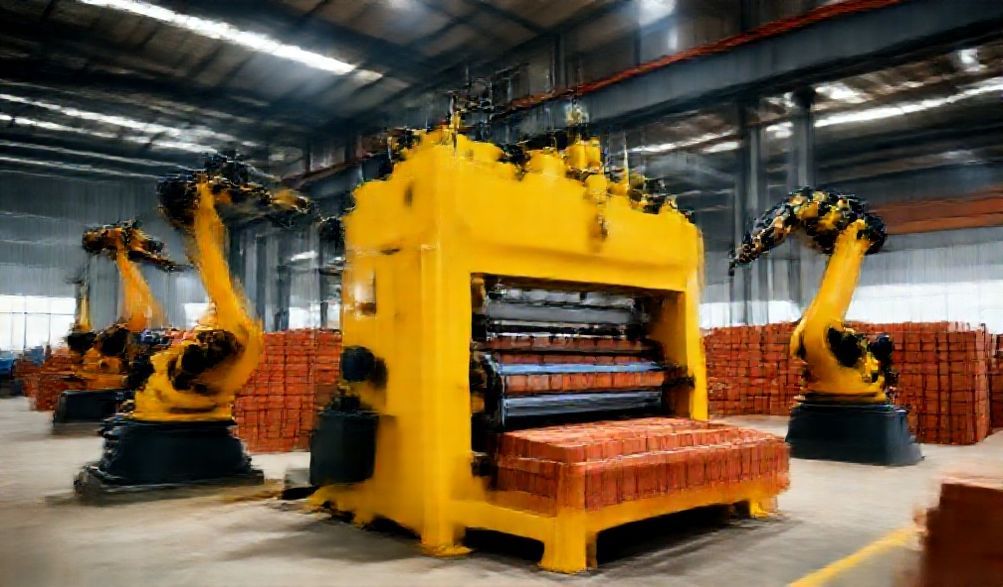
Panduan Utama untuk Mencari Kilang Mesin Pembuat Bata yang Boleh Dipercayai di China
Pengenalan
Industri pembinaan global bergantung pada bata dan blok. Dari projek perumahan mampu milik hingga reka bentuk seni bina mewah, permintaan terhadap bahan binaan yang boleh dipercayai dan kos efektif adalah berterusan. Untuk memenuhi permintaan ini, usahawan dan syarikat pembinaan di seluruh dunia beralih kepada satu sumber utama untuk peralatan teras mereka: China.
China telah mengukuhkan kedudukannya sebagai pusat pembuatan mesin pembuatan bata yang tidak dipertikaikan di peringkat global. Namun, meneroka pasaran yang luas ini boleh menjadi menakutkan. Bagaimana anda membezakan pengeluar yang bereputasi daripada yang lain? Panduan ini berfungsi sebagai peta jalan pakar yang telus untuk anda.
Dibina berdasarkan analisis industri, pengalaman audit kilang, dan pemahaman mendalam tentang trend pasaran, sumber ini direka untuk membinaKepakaran, Kewibawaan, dan Kebolehpercayaan (K-K-K)dalam proses perolehan. Kami akan melangkah lebih jauh daripada perbandingan harga yang mudah untuk menumpukan pada nilai, kebolehpercayaan, dan perkongsian jangka panjang.
Sama ada matlamat anda adalah untuk mencari yang bereputasiKilang mesin China untuk membuat batafahami pembeza kritikal kualiti, navigasi logistik kompleks, atau pastikan pulangan maksimum atas pelaburan anda, panduan ini merangkumi semuanya.
Inilah yang akan kita terokai:
* Dominasi China:Mengapa ia menjadi hab global untuk jentera ini.
* Jenis Mesin:Pemecahan teknologi yang tersedia.
* Pengesahan Kilang:Bagaimana untuk mengaudit dan mempercayai pembekal anda.
* Kriteria Pemilihan:Faktor-faktor penting di luar harga awal.
* Logistik & Sokongan:Mengemudi pembelian, penghantaran, dan perkhidmatan selepas jualan yang penting.
Mari mulakan perjalanan anda ke arah pembelian yang bijak dan berinformasi.
Mengapa China Menjadi Pusat Global untuk Mesin Pembuatan Batu Bata
Kebangkitan China sebagai kilang dunia bukanlah satu kebetulan, terutamanya dalam peralatan industri berat seperti mesin pembuatan bata. Dominasi ini dibina atas dasar pembangunan rantaian bekalan selama beberapa dekad, pelaburan infrastruktur berskala besar, dan dorongan berterusan untuk kecekapan perindustrian. Bagi pembeli, ini bermakna pilihan yang tiada tandingan dan kelebihan daya saing, asalkan anda tahu ke mana harus mencari.
Skala dan Kelebihan Kos
Skala ekosistem pembuatan China yang begitu besar menciptakan ekonomi bererti yang menguntungkan pembeli akhir.
* Rantaian Bekalan Tertumpu:Komponen utama—daripada keluli gred tinggi dan silinder hidraulik kepada sistem kawalan PLC—diperoleh secara tempatan dan dalam kuantiti yang banyak, mengurangkan kos bahan.
* Kluster Industri Matang:Keseluruhan wilayah mengkhusus dalam jentera pembinaan, memupuk persaingan, inovasi, dan kecekapan dalam kalangankilang mesin bata.
* Penetapan Harga Kompetitif:Ekosistem bersepadu ini membolehkan kilang-kilang China menawarkan jentera maju pada harga yang sering 30-50% lebih rendah berbanding pesaing dari Eropah atau Amerika, tanpa perlu mengorbankan fungsi teras.
Kemajuan dan Inovasi Teknologi
认为中国制造业只是“廉价山寨品”的过时观念已经过时了。领先的工厂正走在实用创新的前沿。
* Integrasi Automasi:Tumbuhan moden menghasilkan mesin dengan barisan pengeluaran yang sepenuhnya automatik, penumpuk palet robotik, dan sistem pembungkusan berkomputer.
* Kawalan & Ketepatan:Penerimaan meluas Pengawal Logik Boleh Aturcara (PLC) dan Antara Muka Manusia-Mesin (HMI) skrin sentuh membolehkan kawalan tepat ke atas tekanan, kekerapan getaran, dan kitaran pematangan, memastikan kualiti bata yang konsisten.
* Reka Bentuk Cekap Tenaga:Model yang lebih baharu memberi tumpuan kepada mengurangkan penggunaan kuasa melalui sistem hidraulik yang dioptimumkan dan pengurusan kitaran pintar, sekaligus menurunkan kos operasi anda.
Pelbagai Produk untuk Setiap Keperluan
Dari seorang usahawan kecil di negara membangun kepada konglomerat pembinaan berskala besar, terdapat mesin buatan China yang dibina untuk tugas tersebut. Julat ini adalah hasil langsung daripada memenuhi pasaran global dengan keperluan, belanjawan modal, dan keadaan tenaga kerja yang jauh berbeza. Kepelbagaian ini membawa kita secara lancar kepada teras keputusan anda: memahami jenis mesin yang tersedia.
Jenis Mesin Pembuatan Batu Bata dari Kilang China
Kilang-kilang China menghasilkan pelbagai jenis mesin. Memilih jenis yang tepat adalah keputusan teknikal pertama dan paling penting anda. Berikut adalah pecahan teknologi utama, yang mensasarkan kata kunci khusus yang dicari oleh pembeli.
Mesin Pembuatan Bata Tekan Hidraulik
Mesin-mesin ini menggunakan tekanan hidraulik tinggi untuk memadatkan bahan mentah (konkrit, abu terbang, tanah) ke dalam acuan, menghasilkan bata yang sangat padat dan tahan lama.
* Prinsip:Mampatan statik melalui silinder hidraulik.
* Kegunaan Terbaik:Sesuai untuk menghasilkan batu paving berketahanan tinggi, batu tepi jalan, bata saling mengunci, dan blok padat yang memerlukan ketumpatan unggul dan kemasan halus.
* Output Biasa: Ranges from mid-volume (e.g., 5,000 bricks per 8-hour shift) to high-volume industrial output.
Concrete Block Making Machines
This is the most common and versatile category for producing hollow blocks, solid blocks, and fly ash bricks. They primarily use vibration and compaction.
* Stationary Models: High-output machines that produce blocks at a fixed location, with products moved via conveyor or forklift. Suited for large-scale plants.
* Mobile Models (Egg-Layers): Smaller, movable machines that produce and deposit blocks directly on the ground. Perfect for small businesses and on-site production with lower capital investment.
* Aplikasi: From standard hollow blocks for construction to specialized interlocking bricks for landscaping.
Clay Brick Making Machines (Extruders)
For traditional clay brick production, Chinese factories offer robust extruder systems.
* Proses: Clay is mixed, extruded through a die to form a continuous column (the “clay column”), and then cut into individual bricks by automatic cutters.
* Components: The system typically includes a clay crusher, mixer, extruder, cutter, and sometimes automatic stackers.
* Output: Can be configured for very high-volume production suitable for dedicated brickfields.
Automatic vs. Semi-Automatic vs. Manual Models
This comparison is crucial for aligning the machine with your budget, labor availability, and production goals.
* Sepenuhnya Automatik: High capital cost, minimal labor (1-2 operators), very high and consistent output. Requires stable power supply. Best for established businesses focusing on volume.
* Separa Automatik: Moderate capital cost. Operators manually feed pallets or remove finished products, while the core molding process is automated. Offers a good balance of output and affordability.
* Manual/Small: Lowest capital cost. Labor-intensive, lower output. Ideal for micro-enterprises, community projects, or testing a market. Often uses lever or small motor-driven mechanisms.
How to Verify a Trustworthy China Brick Machine Factory
This is the heart of a successful purchase. Due diligence separates a profitable partnership from a costly mistake. This section builds the Trustworthiness and Authoritativeness of your sourcing process.
Essential Factory Credentials and Certifications
Always request and verify these documents. A professional factory will provide them readily.
* Business License (营业执照): Confirms the legal entity and registered scope of business.
* ISO 9001 Certification: Indicates the factory has a documented Quality Management System (QMS) for consistent production and customer service processes.
* CE Certification (for export to many regions): Signifies the machine meets EU health, safety, and environmental protection standards. Note: Understand the difference between a self-issued CE and one from a notified body.
* Patents: Ownership of product patents can be a sign of R&D investment and innovation.
The Critical Role of Factory Audits (Virtual & Physical)
Never skip the audit. If a physical visit isn’t feasible, a virtual audit is non-negotiable.
* Physical Audit Checklist:
* Observe active production lines—look for organization and safety.
* Inspect the quality control area for testing equipment (e.g., compression testers).
* Check raw material (steel plate, components) storage for quality.
* Ask to see the R&D or engineering department.
* Virtual Audit via Video Call:
* Schedule a live walkthrough. A refusal is a major red flag.
* Ask them to show specific areas: assembly floor, painting booth, finished goods warehouse, and their QC process in action.
* Speak directly to a senior engineer or production manager, not just a sales agent.
Analyzing Customer Reviews and Case Studies
Go beyond the testimonials on the factory’s website.
* Seek Third-Party Platforms: Look for client feedback on B2B platforms like Made-in-China.com or Alibaba.com, but read critically.
* Discern Genuine Reviews: Genuine reviews often include specific details (machine model, project location, minor issues resolved). Vague, overly glowing reviews may be fabricated.
* Demand References: Ask the sales representative for 2-3 client references in a region similar to yours (e.g., similar climate, raw materials). Contact them directly to ask about machine performance and after-sales support.
Key Selection Criteria Beyond the Price Tag
The cheapest machine is often the most expensive in the long run. Use these insider criteria to evaluate true value.
Production Capacity and Brick Specifications
Match the machine to your business plan, not the other way around.
* Output Reality-Check: A factory may state “5,000 blocks per hour.” Clarify if this is under ideal, continuous conditions. Ask for a realistic, sustainable “blocks per 8-hour shift” figure.
* Penyesuaian Acuan: Your brick design defines your product. Confirm the factory can design and manufacture custom molds for your required brick size, shape, and interlocking pattern. Ask about mold steel quality and lead time.
Machine Durability and Core Components
The quality of key components dictates lifespan and uptime.
* Critical Parts to Inquire About:
* Sistem Hidraulik: Pumps, valves, and cylinders. Brands like Rexroth, Yuken, or reliable Chinese brands are positive indicators.
* Kerangka Struktur: Should be made from thick, reinforced steel plate, not lightweight sections.
* Kulat: Hardened steel (e.g., Cr12MoV) is essential for longevity.
* Electrical Controls: Siemens, Schneider, or Omron components suggest a higher standard.
* Ask for a detailed component brand list in the quotation.
Energy Efficiency and Operational Costs
Calculate the Total Cost of Ownership (TCO).
* Power Rating: Compare the total kW power consumption of shortlisted models. A slightly higher-priced machine with a more efficient system can save thousands in electricity.
* Bahagian Pakai: Understand the cost and sourcing process for common wear parts like mold liners, seal kits, and vibration motor bearings.
* Lifecycle Analysis: A robust machine running for 10+ years with standard maintenance offers far better value than a cheaper machine needing major overhauls after 3 years.
Navigating Purchase, Shipping, and After-Sales Service
Transparently addressing these logistical and support aspects builds final-stage trust and ensures a smooth project conclusion.
Understanding Incoterms and Logistics
Clarity here prevents unexpected costs and responsibilities.
* FOB (Franko Kapal): You pay for the machine loaded on the ship at the Chinese port. You control and pay for the main sea freight, insurance, and destination port costs. Offers more control and often lower total cost.
* CIF (Kos, Insurans, dan Pengangkutan): The supplier arranges and pays for sea freight and insurance to your nearest port. It’s simpler but usually more expensive, and you relinquish control over carrier choice.
* Timeline: From order confirmation to delivery at your port, typically allow 30-60 days, accounting for production, inland transport, customs clearance, and sailing.
Payment Terms and Protecting Your Investment
Standard terms exist, but structure them to mitigate risk.
* Common Terms: Telegraphic Transfer (T/T) is most common. A typical structure is 30% deposit, 70% before shipment.
* Secure Payment Advice: For your first order or with a new supplier, negotiate a portion (e.g., 10-20%) to be paid after receiving proof of shipment (copy of Bill of Lading). This provides significant leverage.
* Letter of Credit (L/C): More secure but involves bank fees. Suitable for very large orders.
The Non-Negotiable: After-Sales Support
This is where reputable factories truly distinguish themselves. Robust after-sales support is a critical component of E-E-A-T.
* Jaminan: Standard is 12 months for the machine, excluding wear parts. Clarify what is covered and the process for claiming.
* Technical Documentation: Expect detailed English manuals, electrical diagrams, and hydraulic schematics.
* Installation Guidance: Comprehensive installation manuals and video guides should be provided. Many factories offer remote video support during commissioning.
* Ketersediaan Alat Ganti: Confirm that common spare parts are kept in stock and can be shipped via air express within days, not weeks.
* Sokongan Teknikal: The factory should provide 24/7 responsive support via WhatsApp, WeChat, or email for troubleshooting.
Soalan Lazim (FAQ)
Q1: What is the average lead time for a brick making machine from China?
A: For a standard model from stock, expect 15-30 days. For a customized machine (different color, specific components, custom molds), lead time typically ranges from 30 to 60 days, depending on factory workload and customization complexity.
Q2: Can Chinese factories customize machines for my local materials?
A: Yes, most reputable factories have engineering teams that can adapt machine parameters (vibration force, pressure, moisture content) for your specific raw materials (e.g., local soil, fly ash, aggregate size). It is critical to provide them with detailed material samples and lab test reports for optimal results.
Q3: How do I handle machine installation and operator training?
A: Detailed manuals and video guides are standard. Many factories offer the optional service of sending an engineer for on-site installation and training, at an additional cost covering their flight, visa, and daily allowance. For DIY installation, having a local mechanic or electrician familiar with industrial equipment is highly recommended.
Q4: What is the minimum order quantity (MOQ) for a China brick machine factory?
A: For the machinery itself, the MOQ is usually 1 unit. However, if you are ordering custom molds or a large batch of spare parts, there may be an MOQ (e.g., 1 set for molds, 10 pieces for a specific seal). Always confirm this in writing.
Q5: How can I verify the quality before the machine ships?
A: Insist on a pre-shipment inspection and video test. You or a hired third-party inspection agent can visit the factory to witness a full production cycle under load. As a minimum, require a high-quality video showing the machine’s complete operation, cycle time, and the finished brick samples.
Kesimpulan
Sourcing a brick making machine from China is a significant investment that, when done correctly, can yield tremendous returns for your business or project. The journey involves understanding China’s manufacturing landscape, selecting the appropriate technology, and, most importantly, conducting rigorous due diligence on your chosen Kilang mesin China untuk membuat bata.
We’ve moved from the macro advantages of scale and innovation to the micro-details of component quality and payment terms. The thread connecting each step is the need for Expertise, Authoritativeness, and Trustworthiness—in both your approach and the supplier you select.
Your final decision should prioritize a factory that demonstrates a balanced combination of proven quality, transparent communication, and robust, long-term after-sales support. The absolute lowest price often comes with the highest hidden risk.
Call to Action: Begin your sourcing process with the checklist from this guide in hand. Approach potential suppliers with detailed, technical questions. Request audits, verify credentials, and speak to past clients. By doing so, you transform from a hopeful buyer into an informed partner, ready to secure a machine that will build your success for years to come.
<